
3200 Wyndham Drive, Flushing, MI 48433
To contact a resident: (810) 659-0766
For more information about senior living options: (866) 208-4318
Hyde Park Memory Impaired Costs & Pricing
Hyde Park Memory Impaired offers specialized services for residents facing memory challenges, with monthly costs that reflect its high-quality care. For a semi-private room, the cost is $3,900, which is notably higher than the average rates in Shiawassee County and across Michigan, where similar accommodations are priced at $3,098 and $3,191 respectively. Those opting for a studio room will see an increased investment at $4,500 per month; this also surpasses local and state averages of $3,835 and $3,824. While Hyde Park's rates may be above those of comparable options in the region, they encompass personalized support designed to enhance the well-being of memory-impaired individuals, making it a valuable choice for families seeking dedicated care.
| Floor plans | Hyde Park Memory Impaired | Shiawassee County | Michigan |
|---|---|---|---|
| Semi-Private | $3,900 | $3,098 | $3,189 |
| Studio | $4,500 | $3,835 | $3,824 |
Memory care communities with a similar price nearby
-
from +$350 / mo
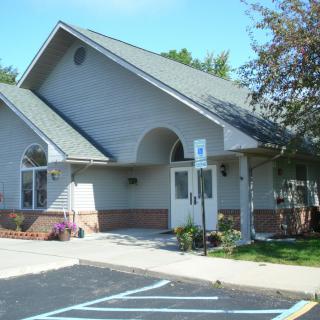
Addington Place of Grand Blanc
$4,250 / month13.8 miles away -
from +$500 / mo

Cottage of Davison
$4,400 to $6,500 / month15.5 miles away -
from +$150 / mo
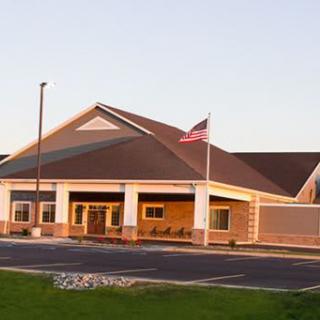
Meadows of Owosso
$4,050 to $5,075 / month16.1 miles away -
from +$595 / mo
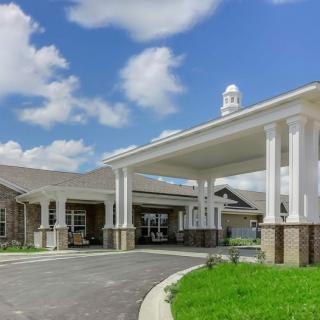
Springvale Assisted Living & Memory Care
$4,495 to $5,400 / month7.3 miles away -
from +$250 / mo
Oliver Woods
$4,150 to $4,570 / month19.2 miles away
Overall Review of Hyde Park Memory Impaired
Pros
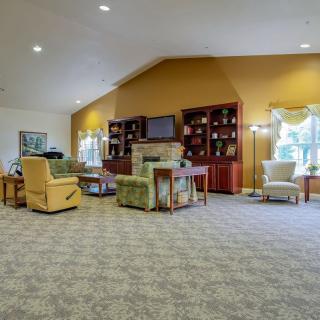
 Hyde Park Assisted Living has all that you would want and then some, with care as the utmost priority of its administration and staff.
- Hyde Park is a pleasant place with friendly staff who greet residents with smiles, and the food is great.
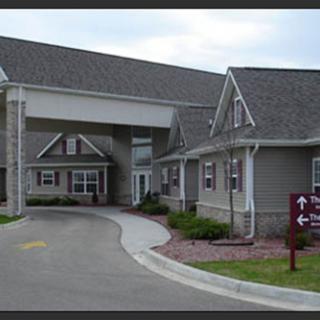
- Hyde Park is a beautiful place with friendly, caring staff and residents who seem happy in a home-like atmosphere.
- The staff deliver care with love, compassion, and dignity, making end-of-life moments comfortable and pain-free.
- All the staff are super nice, and the facility is exceptionally clean with great food.
- The facility has amazing staff, engaging outside entertainment, and good communication with families, with doctors visiting when needed.
- The atmosphere is liked, with a good resident-to-caregiver ratio and knowledgeable staff.
Cons
 The reviewer would not recommend the facility at this time, citing that most caregivers require additional training.
- They stated that when help is needed, staff are not readily available and residents must wait.
- They noted there are not enough caregivers per resident, leading to staffing shortages.
- They observed lapses in personal care, such as teeth not being brushed on at least one occasion.
- They criticized the common-area chairs, noting the arms of the fake leather chairs are torn and need replacement.
Review
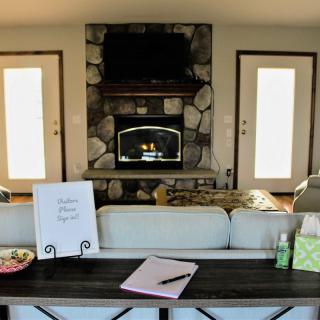
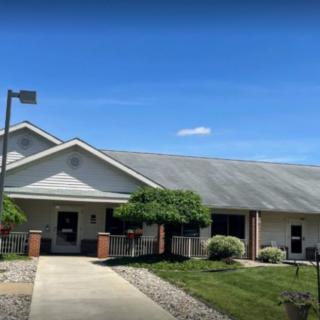
Hyde Park Memory Impaired in Flushing is best suited for families seeking a warm, home-like memory-care environment where caregiving is the top priority and daily life centers on comfort, social connection, and dignity. The community works well for residents who respond to personal attention from friendly staff, regular caregiver interaction, and steady on-site health oversight. It’s especially supportive in end-of-life or hospice contexts, where generous family access and even pet-friendly accommodations help reduce stress for loved ones. If the objective is to preserve autonomy within a domestic setting that emphasizes everyday normalcy, this campus delivers with a reassuring touch.
Those weighing alternatives should note that Hyde Park is not the only option for memory care, and some families will prefer facilities with more rigid staffing controls or more structured memory-program offerings. If constant, highly responsive assistance is non-negotiable or if a facility must demonstrate a tightly regulated caregiver-to-resident ratio at all times, exploring other campuses may be prudent. Similarly, families seeking a campus with highly specialized cognitive therapies or more regimented daily schedules might find options elsewhere that better align with those priorities.
The strongest pros center on genuine caregiving, a home atmosphere, and tangible quality of life. Staff are described as friendly and caring, with residents appearing happy, well cared for, and engaged. The environment feels homey, and cleanliness, along with home-cooked meals, receives consistent praise. Regular in-house entertainment and a doctor who can visit as needed help minimize disruption to routines, while strong family communication and events such as Christmas gatherings reinforce a connected community. For families who value visible warmth and daily reassurance, these positives often outweigh worries about occasional gaps in staffing.
On the downside, a recurring concern is staffing inconsistency. Several observers report that help is not always readily available and that response times can lag, a reality attributed by some to staffing ratios rather than pure neglect. Observers also describe training as an area needing improvement, suggesting that timely and confident assistance may vary by shift. In addition, there are practical nicks in the facility’s maintenance narrative, such as worn chairs in common areas, and anecdotes about sporadic anomalies in the usual routine, like a special lunch moment that felt out of the ordinary rather than representative of standard care.
Still, the overall strengths tend to offset these drawbacks when viewed through a practical lens. The home-like culture supports mood and daily functioning, while a strong caregiver presence and good communication with families help bridge occasional slow responses. The presence of an on-site doctor and the ability to keep loved ones close during visits, along with notable cleanliness and appetizing meals, translate into meaningful quality-of-life gains for residents. And the combination of engaging outside entertainment and a supportive, caring ownership further reinforces a stable, livable environment for memory-impaired residents.
The bottom-line assessment is clear: Hyde Park Memory Impaired is a sensible, solid choice for families prioritizing warmth, dignity, and sustained social engagement in a memory-care setting. It works best for residents who respond well to a nurturing, domestic atmosphere and who can tolerate occasional staffing gaps with the expectation that overall care remains attentive and compassionate. For those requiring near-constant, immediate assistance or specialized, tightly regulated memory-program structures, it pays to compare alternatives where staffing guarantees and targeted cognitive therapies are more pronounced. A measured visit, ideally unannounced, to observe pacing, responsiveness, and daily rhythms will reveal how this community truly fits a loved one’s needs.
 Memory Care
 Cats allowed
 Dogs allowed
 Bishop (7 miles away)

 Understanding the Distinctions: Assisted Living and Memory Care Explained
 How to Communicate with a Loved One Living with Dementia: 10 Supportive Strategies
 Comprehensive Guide to VA Nursing Homes: A Crucial Long-Term Care Resource for Veterans