
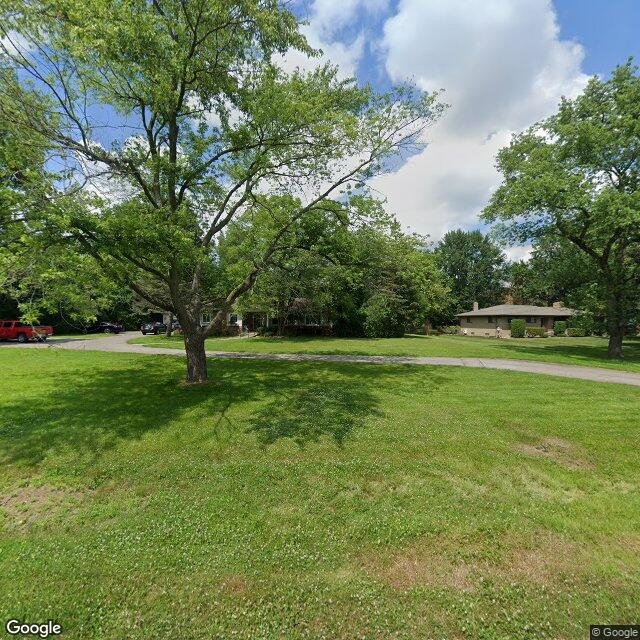
28326 Shady Lane, Farmington, MI 48331
To contact a resident: (734) 788-3000
For more information about senior living options: (866) 208-4318
Aleardi's Place Costs & Pricing
Aleardi's Place offers a competitive pricing structure for its accommodations compared to both Oakland County and the broader state of Michigan. The monthly cost for a semi-private room at Aleardi's is $2,500, which is significantly lower than the county average of $3,204 and the state average of $3,191. Similarly, both private rooms and one-bedroom units at Aleardi's are priced at $3,000, again undercutting the local and state benchmarks - Oakland County residents pay an average of $3,708 for private rooms and $3,507 for one-bedroom options. This pricing strategy positions Aleardi's Place as an appealing choice for those seeking quality care without compromising their budget in comparison to prevailing regional costs.
| Floor plans | Aleardi's Place | Oakland County | Michigan |
|---|---|---|---|
| Semi-Private | $2,500 | $3,204 | $3,189 |
| Private | $3,000 | $3,708 | $3,674 |
| 1 Bedroom | $3,000 | $3,507 | $3,384 |
Memory care communities with a similar price nearby
-
from -$225 / mo
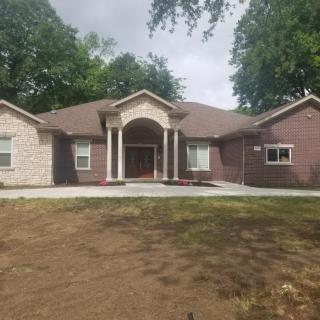
Pleasant Valley Family Care
$2,275 to $7,000 / month1.4 miles away -
About the same

Lakeview Elderly Home
$2,500 / month15.0 miles away -
from +$380 / mo

Town Village Sterling Heights and The Gem Memory Care
$2,880 to $5,095 / month16.7 miles away -
from +$163 / mo
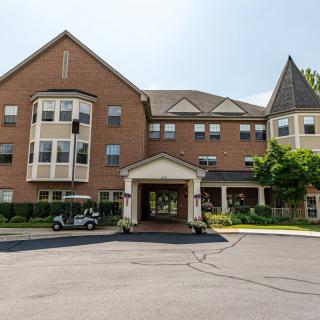
Clausen Manor
$2,663 to $5,227 / month13.8 miles away -
from +$300 / mo
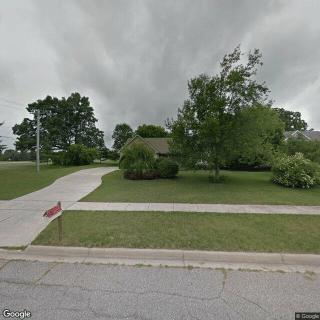
Sasse Par View Home
$2,800 to $3,600 / month24.4 miles away
Overall Review of Aleardi's Place
Pros
 The place is great and the staff are nice.
- The food served at these AFC homes is great.
Cons
 Denise Aleardi lies through her teeth to con you into believing she cares about your loved one.
- She provides minimal care at a premium price.
- She asks you to move out after collecting her $1500 nonrefundable move-in fee.
- The reviewer would give her a zero rating if that were possible.
Review
Aleardi's Place in Farmington, MI is best suited for seniors who want a small, home-style setting where staff are known by name, meals are a notable daily feature, and daily tasks are managed with a personal touch rather than a clinical, hospital-like routine. It works for residents who value intimate interaction with caregivers, appreciate straightforward, uncomplicated routines, and are comfortable with a more hands-on, family-like governance. This is not a facility designed for heavy medical oversight or complex care needs; it shines where companionship, consistency, and a warm, domestic atmosphere matter most.
Those who may want to consider alternatives are the families prioritizing formal governance, transparent financial terms, and robust protections should review or require more documentation before moving in. If a clear, detailed contract with a refundable or well-defined move-in policy, explicit care expectations, and predictable monthly pricing is non-negotiable, look elsewhere. The singular negative account raises legitimate red flags about billing practices and managerial transparency, which can undermine confidence in long-term arrangements and trigger costly early exit decisions.
On the positive side, the strongest gravities here lie in staff warmth and the quality of meals. Multiple voices describe a friendly, capable staff team and good food, two anchors that can significantly improve daily life for residents who thrive on consistent, personal attention and enjoyable dining. In a small, home-like setting, those elements often translate into steadier routines, easier access to help during the day, and less institutional fatigue. For residents who prize sociable meals and genuine caregiver rapport, these are meaningful advantages that can offset some routine limitations.
However, the most consequential concerns center on governance and cost structure. A troubling account alleges deceit and states that care provided may be minimal relative to what the price implies, coupled with a $1,500 nonrefundable move-in fee and pressure to relocate after payment. Taken at face value, such claims erode trust and introduce financial and emotional risk into a transition that should be hopeful. Even if other residents report satisfaction, a single instance of alleged manipulation or coercive exit language cannot be dismissed as a minor flaw, because it speaks to the core contract between family, resident, and operator. In practical terms, that risk can overshadow otherwise strong day-to-day benefits.
To navigate decisions, families should insist on clear, objective confirmations before committing. Demand a detailed written contract that itemizes all fees, explains what the move-in fee covers, and states whether refunds are possible under any scenario. Request a current, comprehensive care plan that aligns with stated needs, staffing ratios, and what “minimal care” actually entails in daily practice. Seek direct conversations with current residents or their families about their experiences, and verify licensure, inspection histories, and any complaints filed with state authorities. These steps help distinguish genuine strengths from misaligned expectations and prevent costly missteps.
The bottom line is pragmatic: Aleardi's Place can be a solid fit for seniors seeking companionship, warm staff, and good meals in a compact, home-like setting. It is less suitable for families demanding rigorous governance, transparent pricing, and ironclad protections against abrupt terminations. If confidence in management and clarity of terms cannot be established through careful due diligence, exploring alternatives with more transparent contracts and formalized care processes is prudent. For families ready to invest the time to verify the details, and prepared to walk away if a single material concern persists, Aleardi's Place remains a viable option worth visiting for a firsthand experience.
 Board and Care Home
 Memory Care
 Private
 Detroit Metropolitan-Wayne County (18 miles away)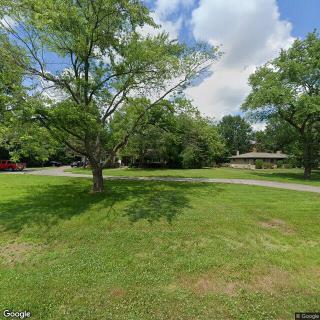


 Dementia-Related Hallucinations: Causes, Experiences, and Practical Approaches
 Illuminating Insights About Alzheimer's Disease: Ten Crucial Realities
 A Thorough Discussion of Medications Potentially Linked to Dementia Risk