
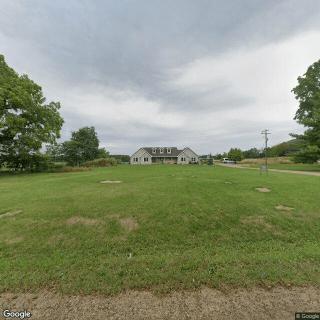
1385 Gidner Road, Charlotte, MI 48813
To contact a resident: (517) 543-2822
For more information about senior living options: (866) 208-4318
Moores Adult Foster Care Home Costs & Pricing
Moores Adult Foster Care Home offers competitive pricing for its private room accommodations, with monthly costs set at $4,000. This figure is notably higher than the average rates observed in Eaton County, which stands at $3,432 for similar private room services, and also exceeds the statewide average of $3,675 in Michigan. For one-bedroom units, Moores maintains the same rate of $4,000, contrasting with Eaton County's average of $3,713 and Michigan's overall average of $3,384. These cost differentials may reflect the specialized care or amenities provided by Moores Adult Foster Care Home, positioning it as a premium option within both county and state contexts.
| Floor plans | Moores Adult Foster Care Home | Eaton County | Michigan |
|---|---|---|---|
| Private | $4,000 | $3,432 | $3,674 |
| 1 Bedroom | $4,000 | $3,713 | $3,384 |
Memory care communities with a similar price nearby
-
from -$300 / mo
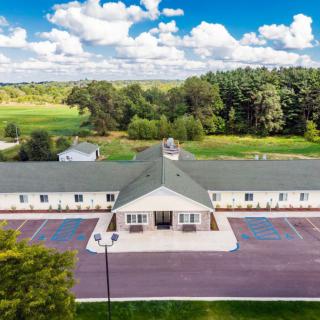
Divine Nest Assisted Living
$3,700 / month19.9 miles away -
from +$250 / mo
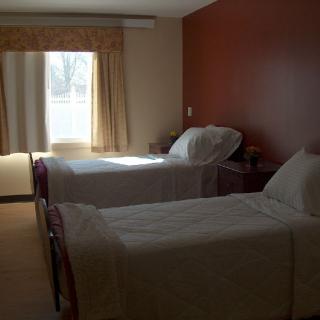
Sensations Memory Care Residence
$4,250 to $5,000 / month3.5 miles away -
from +$330 / mo
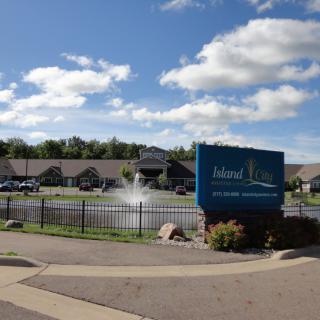
Island City Assisted Living
$4,330 to $6,455 / month9.0 miles away -
from -$503 / mo
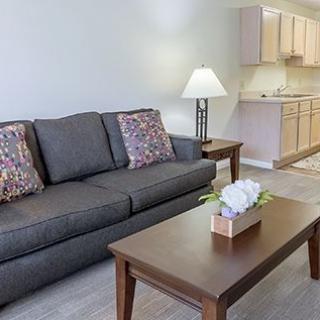
Independence Village Of Grand Ledge
$3,497 to $6,188 / month10.4 miles away -
About the same
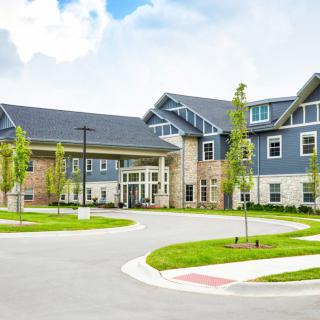
Provision Living at East Lansing
$4,000 to $5,750 / month19.1 miles away
Overall Review of Moores Adult Foster Care Home
Pros
 Shelby and her caregivers are described as the best in providing great care.
- They have brought peace about the dad's care, being friendly, patient, and understanding of dementia, especially sundowners.
- The house and yard are lovely.
- Moore's Adult Foster Care Home is clean and well maintained.
- The owner is very caring and lovely.
- The caregiver has extensive experience (42 years in AFC and 22 years in Alzheimer’s) and favors non-medication approaches.
Cons
 None found in the provided reviews.
Review
Moores Adult Foster Care Home in Charlotte, MI is best suited for families seeking an intimate, home‑like setting where dementia care is the priority and caregivers deliver highly personalized attention. The community operates on a small scale, with a quiet footprint that translates into steady familiarity for residents and clear, reassuring communication for families. The overall impression from multiple reviewers is that this AFC provides a safe, clean environment with caring leadership and a rhythm of daily life that can bring real peace of mind to those worried about sundowning and memory challenges. For families prioritizing warmth, consistency, and direct interaction with a few trusted caregivers, this option stands out.
However, anyone evaluating options for more expansive medical oversight or a broader menu of activities should consider alternatives. The setting is deliberately small, which means a limited staff pool and fewer residents to socialize with at any one time. Potential residents who require frequent, rapid access to specialized medical services, or who crave a broad schedule of structured programming and larger social opportunities, may find this environment too subdued. Prospective buyers should weigh the comfort of a home atmosphere against the trade-off of fewer on‑site resources and a more intimate pace.
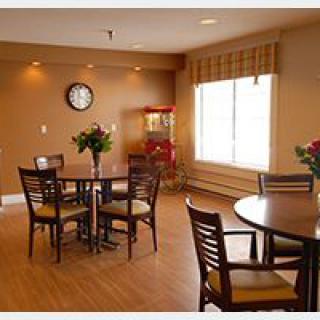
The strongest advantages live in the care approach and the emotional resonance families notice. Staff are described as friendly, patient, and deeply understanding of dementia, including sundowning tendencies. The owner is consistently portrayed as caring and hands‑on, which translates into reliable continuity of care and a strong sense of trust for families. Cleanliness and maintenance are recurring positives, with residents enjoying a bright environment, porches for seasonal time outdoors, a sunny room for relaxation, and a separate living room that supports calm, predictable routines. These elements collectively offset the smaller scale by delivering comfort, dignity, and an attentive caregiving presence.
On the flip side, the small size of the operation brings some practical trade‑offs. A few reviews note a small number of staff relative to the number of residents, which can constrain availability during gaps in staffing or sudden needs. Room sizes vary, and at least one observation mentions a particularly small unit, suggesting that privacy or space may not meet the expectations of all families. While the homey setting is a strength, it may not satisfy individuals who want larger private rooms, a broader array of in‑house activities, or the security of a larger campus with multiple concurrent programming streams.
The care philosophy leans heavily toward nonpharmacological strategies, with a clear preference for approaches other than overmedication. This aligns well with families seeking a thoughtful, person‑centered approach to behavioral symptoms and memory care, rather than a default reliance on medications. With 42 years in AFC and 22 years specifically focused on Alzheimer’s care, the team brings a depth of practical experience that can translate into meaningful routines and familiar, comforting traditions. For residents whose needs can be met through steady, low‑intervention management and daily rituals, this orientation is a powerful differentiator.
Bottom line for decision‑makers: Moores Adult Foster Care Home is a strong fit for families prioritizing intimate, dementia‑focused care delivered in a warm, home-like setting. It suits residents who thrive on personal attention, predictable routines, and a soothing environment where staff know them well. Those who may want more expansive medical coverage, more formal programming, or larger private spaces should explore alternatives that offer greater scale and broader amenities. In evaluating options, families should request a detailed tour with a clear discussion of staff availability, room configurations, daily activity schedules, and how care plans adapt to evolving dementia needs.
 12 resident community capacity
 Assisted Living
 Board and Care Home
 Memory Care
 Cats allowed
 Cable or satellite TV
 Dining room
 Fully furnished
 Garden
 Housekeeping services
 Move-in coordination
 Outdoor space
 Private
 Private bathrooms
 Telephone
 Wi-Fi/high-speed internet available
 Capital City (16 miles away)
 24-hour supervision
 Activities of daily living assistance
 Ambulatory care
 Assistance with bathing
 Assistance with dressing
 Assistance with transfers
 Diabetes diet
 Diabetic care
 High acuity care
 Hospice waiver
 Meal preparation and service
 Medication management
 Mental wellness program
 Special dietary restrictions
 Transportation arrangement (medical)
 Transportation to doctors appointments
 Comprehensive Insights on the Late Stages of Dementia: What to Expect and How to Provide Care
 Medications Associated with Dementia Risk: A Comprehensive Overview
 Guiding Your Journey: Understanding Power of Attorney for Elderly Parents