
1146 North Cochran Avenue, Charlotte, MI 48813
For more information about senior living options: (866) 208-4318
Overall Review of Hope Landing - The Haven
Pros
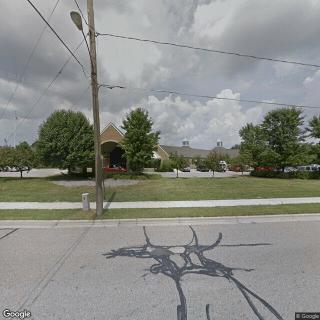
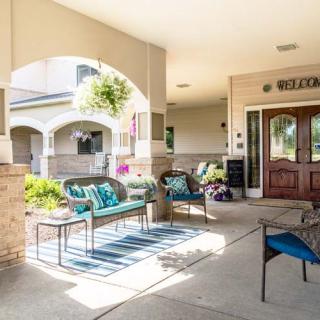
 It is a nice looking place with an elegant appearance.
- The caregivers are amazing and do their best.
- They strive to meet standards in resident care.
- All patients are taken care of and ready for the next shift.
- The caregivers deserve raises for their hard work.
Cons
 The facility looks nice but is misleading about its true conditions.
- Caregiver pay is inadequate.
- Caregivers must work 12-hour shifts without relief when replacements aren’t available.
- The workload on caregivers is excessive.
- The facility fails to meet care standards during shifts due to staff shortages.
- The facility is not suitable for residents who require 24/7 care.
- Low pay contributes to staffing shortages and recruitment problems.
Review
Hope Landing - The Haven in Charlotte, Michigan, is best suited for seniors who can largely manage daily living with light to moderate assistance and who prize a visually appealing, serene setting. The facility’s elegant, well-kept common areas and thoughtful design create a calm atmosphere that can lift mood and reduce stress for residents who enjoy a refined environment. This is not a high-acuity, 24/7 medical care setting; it functions more like an assisted living option where supervision and aid with activities of daily living are available, but continuous, around-the-clock clinical oversight is not guaranteed. For families, the key takeaway is that this community can deliver a comfortable, dignified living experience as long as the resident’s care needs stay within a managed band, not when constant, life-sustaining intervention is required.
Those with loved ones who require steady, 24/7 skilled care should seriously consider alternatives. The review points to staffing as the decisive constraint: 12-hour shifts can stretch caregivers thin, and coverage may fall short during peak times or when turnover is high. If a resident’s needs include constant monitoring, frequent nursing tasks, or intensive rehabilitation, a facility with higher clinician-to-resident ratios, fixed around-the-clock nursing, and clearer continuity of care will better protect safety and consistency. Pay and recruitment pressures appear to influence these dynamics, making it essential to verify whether the current model has stabilized since the last assessment. In short, for high-acuity or high-dependency residents, exploring other options that guarantee 24/7 coverage is prudent.
On the upside, the strongest positives center on environment and caregiver spirit. The physical setting is consistently described as attractive and well maintained, which matters for quality of life and day-to-day comfort. The caregivers themselves are highlighted as amazing, showing genuine dedication and effort to meet standards. When staffing holds, this translates into responsive, personable care, respectful communication, and a daily cadence that honors residents’ preferences. The combination of a pleasant milieu and committed staff can produce meaningful improvements in mood and engagement, which in turn enhances overall well-being. However, even the best intentions cannot fully offset the structural issue: without reliable staffing, the quality of care can feel uneven from shift to shift, eroding the very advantages the setting offers.
The core pressure points are unmistakable. Low or unstable pay, coupled with staffing shortages, threatens continuity and reliability. The reviewer’s observation that higher wages could attract more workers who would otherwise leave for better opportunities is not merely speculative; it addresses the foundation of care quality. If turnover remains high, even the most capable caregivers will struggle to deliver consistent routines, timely help, and thorough attention across all residents. The 12-hour shifts, while common in the industry, become a fairness concern when they necessitate staff staying late to finish tasks, especially after difficult days. These dynamics shape the experience families have to weigh: a beautiful setting paired with committed caregivers, or a setting that risks gaps in care during busy periods or on off-hours.
From a practical standpoint, prospective residents and families should demand clear, current information before committing. Key questions include: what is the current caregiver-to-resident ratio on days and nights, and what is the policy on shift length and overtime? How are care plans maintained during shift handoffs, particularly for medication administration and mobility assistance? What is the administration’s plan to mitigate turnover and stabilize staffing if vacancies arise? Visiting and speaking with current residents or families can reveal whether daily routines are completed in a timely, respectful manner or routinely delayed. A grounded comparison with nearby communities, those known for steady staffing in assisted living versus those offering higher-acuity care, will illuminate where Hope Landing sits on the spectrum of risk versus reward.
Bottom line: Hope Landing - The Haven offers a compelling lifestyle proposition for seniors who value a refined environment and attentive, compassionate staff, provided that acuity remains moderate and staffing remains reliable. The most persuasive asset, the commitment of caregivers, can substantially offset many shortcomings when staffing is stable and turnover is low. Yet the decisive trade-off is undeniable: for families requiring predictable, 24/7 clinical coverage and minimal risk of delayed care, alternatives with stronger staffing guarantees will outperform this community. For those prioritizing quality of life, aesthetics, and a warm, person-centered staff, this is a viable option worth exploring with due diligence. The prudent course is to assess current staffing benchmarks, seek candid reassurance about turnover and wage trends, and compare with other local options that explicitly promise continuous supervision and higher staffing ratios.
 12 resident community capacity
 Studio apartments
 Assisted Living
 Memory Care
 Activities on-site
 Cable or satellite TV
 Devotional services off-site
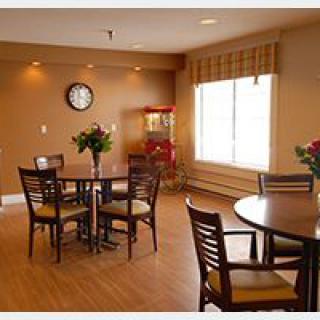
 Dining room
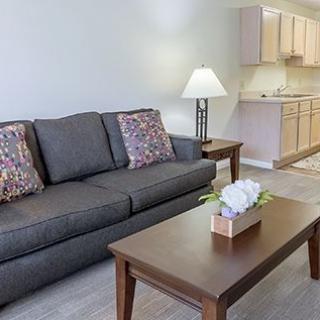
 Fully furnished
 Garden
 Housekeeping services
 Indoor common areas
 Move-in coordination
 Outdoor space
 Telephone
 Wi-Fi/high-speed internet available
 Capital City (18 miles away)
 24-hour supervision
 Ambulatory care
 Assistance with bathing
 Assistance with dressing
 Assistance with transfers
 Diabetes diet
 Diabetic care
 Meal preparation and service
 Medication management
 Special dietary restrictions
 Transportation arrangement (medical)
 Transportation to doctors appointments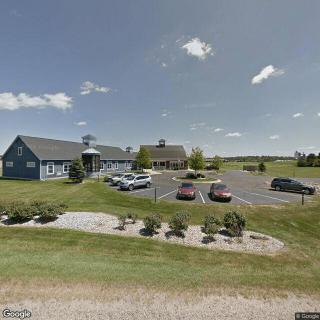



 Understanding Medicaid Coverage for Assisted Living: A Comprehensive Guide
 How and When Medicaid May Cover Assisted Living Costs
 A Detailed Exploration of Assisted Living Medicaid Waivers Across the United States