

320 Maple Avenue, Great Barrington, MA 01230
For more information about senior living options: (866) 208-4318
Timberlyn Heights Nursing And Rehabilitation Costs & Pricing
Timberlyn Heights Nursing and Rehabilitation presents a monthly cost of $8,400 for private rooms, positioning it above the average rates seen in Berkshire County, which are approximately $7,530, as well as the broader state average of $6,090 for Massachusetts. This pricing reflects Timberlyn's commitment to providing specialized care and a higher standard of amenities that cater to the needs of its residents. While the facility may be priced at a premium compared to both county and state averages, prospective residents and their families can expect a focused level of support and enhanced services that justify this investment in their care.
| Floor plans | Timberlyn Heights Nursing And Rehabilitation | Berkshire County | Massachusetts |
|---|---|---|---|
| Private | $8,400 | $7,530 | $6,090 |
Skilled Nursing Facilities with a similar price nearby
-
from +$1050 / mo
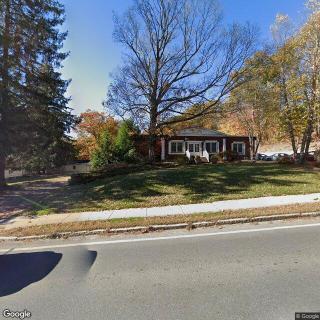
Craneville Place of Dalton
$9,450 to $10,050 / month22.6 miles away
Overall Review of Timberlyn Heights Nursing And Rehabilitation
Pros
 The home is clean and well run.
- The interior is quite lovely.
- The staff are a pleasant and attentive group.
- They work briskly and seem happy while attending to daily chores.
- The infirmed are noticeably content in their surroundings.
- Timberlyn at Kindred provided him with the TLC needed to get well enough to return to Vermont.
Cons
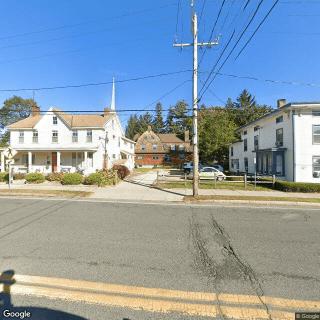
 The exterior facade is rather dull.
- The previous nursing home couldn't keep up with his changing needs.
Review
Timberlyn Heights Nursing and Rehabilitation in Great Barrington is best suited for families seeking a clean, well-run skilled-nursing and rehab environment where practical recovery, steady routines, and dependable daily care take precedence. The setting delivers a calm, efficient atmosphere backed by attentive staff, and residents who appear content. It is a strong fit for cases where a recovery-focused stay, whether post-hospital stabilization or a transition back to home, is the priority, and where families want clear accountability and consistent care delivery.
Alternatives to consider would be options that emphasize a more home-like, intimate vibe, stronger curb appeal, or a longer-term, socially rich environment. The exterior is noted as dull, which can be meaningful for families who place high value on campus aesthetics and first impressions. If care needs extend beyond standard skilled nursing or require a slower, more relationship-driven pace, other communities may offer a different balance of staffing style, programming, and daily interactions that better fit those preferences.
Among Timberlyn’s strongest positives are its cleanliness and overall management, with staff described as pleasant and attentive, and residents appearing content. The brisk but purposeful workflow helps sustain reliable schedules and consistent routines, an important factor for families prioritizing predictability in care. The anecdote of a relative receiving targeted TLC from both nurses and social-service professionals underscores Timberlyn’s capacity to adapt to changing needs and to support meaningful recovery rather than merely custodial care. These elements help offset concerns about a potentially less intimate vibe and reassure families seeking tangible, results-oriented care.
That stated, the exterior impression and the potentially brisk pace can feel misaligned with those who want a cozier, more unhurried atmosphere or deeper day-to-day relationship-building with caregivers. Still, the documented ability to pivot care plans and mobilize social-work support mitigates those drawbacks for families who value practical outcomes, clear communication, and a structured approach to health changes. In short, the pros, cleanliness, capable staff, and adaptable care, tend to outweigh the cons for residents who benefit from efficiency, safety, and straightforward recovery trajectories.
Crucially, Timberlyn’s profile aligns well with families navigating post-hospital rehab or transitions that require ongoing coordination among nursing and social services. The capacity to help a resident regain function and return home or move forward with a clear plan is a meaningful differentiator. Prospective families should pursue specifics: typical rehab duration, nurse-to-resident ratios on each shift, how care plans are developed and updated, and how frequently family members receive progress updates. The facility’s strength lies in its structured, collaborative approach to changing medical conditions and discharge planning.
Finally, the practical steps for a well-informed decision are straightforward. Visit with a concrete checklist: observe staff–resident interactions, sample a meal, review activity calendars, and ask about mobility aids, pain management, and fall prevention. Inquire about discharge planning from day one and how social services will coordinate post-stay care. Given the positive indicators of staff engagement and resident contentment, these conversations should yield a clear read on fit for a given loved one’s needs. Timberlyn Heights earns consideration for families prioritizing dependable, TLC-forward care that adapts to changing health landscapes; for those seeking a warmer exterior, a slower pace, or richer ongoing social programming, exploring alternatives remains a prudent move.
 71 resident community capacity
 Memory Care
 Skilled Nursing Facility
 Air-conditioning
 Beauty salon
 Cable or satellite TV
 Computer center
 Dining room
 Fitness room
 Fully furnished
 Gaming room
 Garden
 Housekeeping services
 Kitchenette
 Move-in coordination
 Outdoor space
 Private
 Private bathrooms
 Restaurant-style dining
 Small library
 Telephone
 Wellness center
 Wi-Fi/high-speed internet available
 Community operated transportation
 12-16 hour nursing
 24-hour call system
 Activities of daily living assistance
 Assistance with bathing
 Assistance with dressing
 Assistance with transfers
 Diabetes diet
 Medication management
 Mental wellness program
 Special dietary restrictions
 Concierge services
 Planned day trips





 A Thorough Discussion of Medications Potentially Linked to Dementia Risk
 Why Do Dementia Patients Sleep So Much? Understanding Oversleeping, Stages, and Care Approaches
 8 Key Indicators That Suggest It May Be Time to Transition from Assisted Living to Skilled Nursing Care