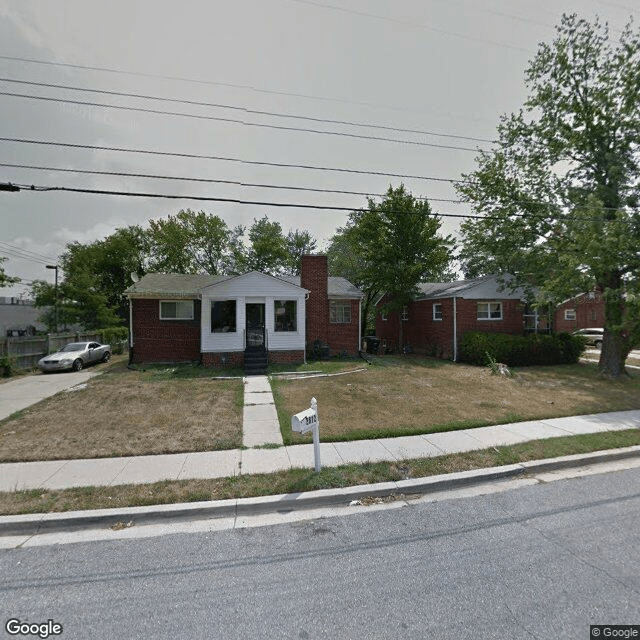
A Father Love, LLC in District Heights, MD

Save
A Father Love,  LLC

A Father Love, LLC in District Heights, MD

2812 Viceroy Ave, District Heights, MD 20747

For more information about senior living options: (844) 490-3973

4.3 from 4 reviews
5 stars
3
4 stars
0
3 stars
0
2 stars
1
1 stars
0

Board and Care Home Memory Care

A Father Love, LLC Costs & Pricing

A Father Love, LLC offers competitive pricing on its room types compared to both Prince George's County and the broader state of Maryland. For a semi-private room, A Father Love, LLC charges $2,500 per month, significantly lower than the county average of $3,058 and the state average of $3,545. Similarly, the cost for a private room at A Father Love, LLC is set at $3,500, which again undercuts both local and state figures of $3,792 and $4,112 respectively. For those seeking more spacious accommodations, the one-bedroom option is priced at $3,750 monthly - still favorably positioned against Prince George's County's average of $3,568 and Maryland's average of $3,904. These pricing strategies reflect A Father Love's commitment to providing accessible care while maintaining high standards of comfort and service.

Floor plansA Father Love, LLCPrince George's CountyMaryland
Semi-Private$2,500$3,058$3,545
Private$3,500$3,792$4,112
1 Bedroom$3,750$3,568$3,904

Overall Review of A Father Love, LLC

Pros

  • pro The facility is described as excellent and very clean.
  • pro The staff are friendly, patient, and caring.
  • pro The environment feels calm with limited turnover.
  • pro Residents participate in activities and outings.
  • pro The facility provides 24-hour care.
  • pro The proximity to home and the smaller community give families comfort that good care is provided.
  • pro Families would recommend this facility.
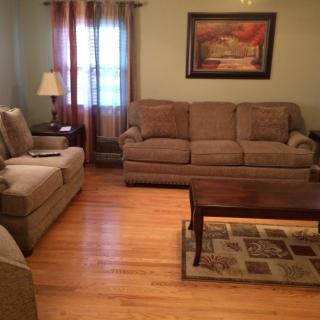
  • pro The home-like setting is nice and clean.

Cons

  • pro The steps make it a "no-go" for their situation.

Review

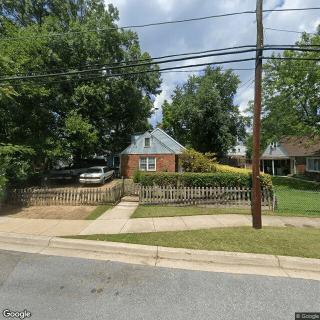
A Father Love, LLC is best suited for families seeking a small, home-like setting close to home where a loved one can receive constant, attentive care from a stable, intimate caregiver team. This community functions like a true, low-traffic residence rather than a larger campus, which translates into highly individualized attention, predictable routines, and a safety net of 24-hour supervision. The strongest fit is for a resident who benefits from a calm, controlled environment - such as someone with dementia or significant mobility challenges who needs steady hands on deck and reassurance that someone will be nearby at all times. Cleanliness and a friendly staff turn this into a compelling option for families prioritizing warmth, familiarity, and daily consistency over flashier amenities.

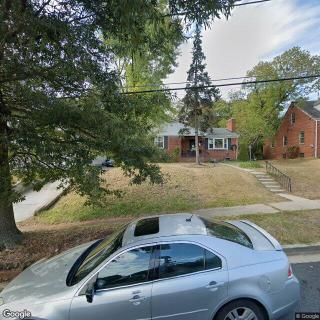
Those weighing alternatives should note who may want to steer away. Homes of this size can be less suitable for residents who require a bustling social calendar, broader activity programs, or access to a wider range of therapies and medical staff. The intimate setting means fewer people around at any given time, which can be a drawback for families seeking constant, varied stimulation or for residents who crave larger peer groups. Accessibility is another critical factor; the facility is described as an old converted home with stairs, which may rule it out for anyone who cannot negotiate steps safely. For families with mobility constraints, or those who want a ground-floor option with barrier-free entry, a different configuration may be preferable.

On the plus side, the pros here translate directly into tangible benefits that can offset the notable drawbacks. Cleanliness and a serene, well-maintained environment reduce stress for residents and for families during visits. The small staff roster - two to three caregivers - supports strong relationships and quick, personalized responses to changes in condition. The 24-hour care model ensures that assistance is always available, a critical factor for dementia or late-life mobility issues. Outings and activities do occur, and even within a compact setting, residents can enjoy meaningful engagement rather than languishing in isolation. These strengths create a sense of security for families who want assurance that their loved one is never left unattended.

Nevertheless, the main drawbacks are real and must be weighed carefully against the benefits. The architectural barrier of stairs, in particular, can be a non-starter for residents with limited mobility or for families who cannot manage the risk and logistics of stair navigation. The very small resident population - often just two - limits peer interaction and the chance to spread activity across more participants, which can dull social stimulation for some elderly individuals. A compact staff footprint also implies fewer hands on deck during busy periods or emergencies, raising questions about responsiveness during high-stress moments or medical needs that require more specialized attention. In short, the appealing intimacy comes at the cost of scale, scope, and accessibility.

When evaluating fit, the practical trade-offs lean toward prioritizing continuity of care and home-like security over breadth of services. The benefits - consistent caregivers, strong daily routines, and a clean, calm atmosphere - are particularly valuable for dementia care and for families seeking a close-knit caregiving team that treats residents like relatives. The location near family homes, plus the option to socialize within a small, controlled setting, can reduce stress and improve peace of mind. However, the stairs and the very small community composition mean this option may not be ideal for every resident, especially those who need barrier-free access or more extensive social programming. Pros offset cons most effectively when a resident values predictability, minimal disruption, and a highly personal caregiver relationship above all else.

For families deciding whether to pursue this community or look elsewhere, the key questions are pointed and practical. How important is barrier-free access, and can any needed adaptations be made to navigate stairs safely? What level of social interaction and programming is truly desired by the resident, and does a two-person-to-three-caregiver model meet those expectations? How important is proximity to family visits and the comfort of a home-like environment versus the breadth of services offered by a larger assisted living facility? If the decision centers on intimate, continuously supervised care in a tranquil, tidy setting, A Father Love delivers with credibility. If, instead, a resident requires a more expansive social ecosystem, a larger community, or ground-level access, it is wise to explore alternatives that better align with those priorities.

Features

Types of Care

  • Board and Care Home Board and Care HomeBoard and care homes provide a smaller, more intimate setting for seniors who require assistance with daily tasks but do not need the level of care offered by a nursing home. They offer personalized care, meals, and social activities in a homelike environment, ensuring that seniors receive individualized attention and support in their golden years.
  • Memory Care Memory CareMemory care is crucial for seniors as it provides specialized support and services for individuals with dementia or Alzheimer's disease. These programs offer a safe and secure environment where residents receive personalized care, cognitive stimulation, and help with daily activities. Memory care helps seniors maintain their independence, quality of life, and dignity while also providing peace of mind for their families.

Amenities

  • Activities off-site Activities off-siteEngaging in off-site activities is crucial for seniors to maintain social connections, stay active, and stimulate their minds. It promotes overall well-being and helps combat feelings of isolation and loneliness.
  • Activities on-site Activities on-siteActivities on-site are important for seniors because they provide opportunities for socialization, mental stimulation, physical activity, and overall well-being. Engaging in activities can help seniors stay active, maintain their independence, and improve their quality of life.
  • Bath tubs Bath tubsBath tubs are important for seniors because they provide a safe and relaxing way to bathe, helping to prevent slips and falls while promoting independence and overall well-being.
  • Devotional services off-site Devotional services off-siteDevotional services off-site are important for seniors as they provide spiritual nourishment, social engagement, and a sense of community outside of the senior living facility. This can enhance overall well-being and help combat feelings of isolation and loneliness often experienced by older adults.
  • Indoor common areas Indoor common areasIndoor common areas are crucial for seniors as they provide a space for socialization, recreation, and community engagement, promoting overall well-being and reducing feelings of isolation and loneliness.
  • Outdoor common areas Outdoor common areasOutdoor common areas are important for seniors as they provide a space for socialization, physical activity, and relaxation. Being outside in nature can improve mood and overall well-being, while also encouraging movement and engagement with others. These spaces can help combat feelings of isolation and promote a sense of community among residents.
  • Private PrivatePrivacy is important for seniors as it allows them to maintain their independence, dignity, and sense of control over their own lives. It also gives them the space and freedom to relax, reflect, and engage in activities that bring them joy and fulfillment. Creating private spaces within senior living facilities is crucial for promoting overall well-being and quality of life.

Transportation

  • Ronald Reagan Washington National (8 miles away) Ronald Reagan Washington National (8 miles away)

Care Services

  • Ambulatory care Ambulatory care"Ambulatory care services provide essential medical support and treatment to seniors without requiring hospitalization, allowing them to maintain their independence and quality of life while managing chronic conditions or receiving routine medical care."
  • Diabetic care Diabetic careDiabetic care is crucial for seniors as they are more susceptible to developing diabetes due to aging and other health conditions. Proper management of diabetes can help prevent complications such as heart disease, vision loss, and nerve damage, improving the overall quality of life for seniors in senior living communities.
  • Medication management Medication managementMedication management is crucial for seniors to ensure they are taking the right medications at the correct dosages and times. This helps prevent adverse drug interactions, reduces the risk of medication errors, and promotes overall health and well-being. Proactive management also allows for adjustments as needed based on changing health conditions or new prescriptions.

Dining

  • Meals provided Meals provided"Meals provided" are crucial for seniors in assisted living communities as it ensures they have access to nutritious, balanced meals without the stress of meal planning and preparation. This can help promote overall health and well-being for seniors who may have limited mobility or cognitive abilities.

Activities

  • Activities off-site Activities off-siteEngaging in off-site activities is crucial for seniors to maintain social connections, stay active, and stimulate their minds. It promotes overall well-being and helps combat feelings of isolation and loneliness.
  • Activities on-site Activities on-siteActivities on-site are important for seniors because they provide opportunities for socialization, mental stimulation, physical activity, and overall well-being. Engaging in activities can help seniors stay active, maintain their independence, and improve their quality of life.
  • Devotional activities offsite Devotional activities offsiteDevotional activities offsite are important for seniors because they provide social engagement, spiritual growth, and a sense of community outside of their living environment. This can improve overall well-being, mental health, and combat feelings of isolation or loneliness.

Description

A Father Love, LLC is an assisted living community located in District Heights, MD. We specialize in providing Memory Care services for individuals who require specialized care and support for memory-related conditions.

Our community offers a range of amenities designed to enhance the quality of life for our residents. Activities on-site are provided to keep our residents engaged and entertained, while indoor and outdoor common areas offer spaces for socializing and relaxation. Our private accommodations ensure that residents have their own personal space to retreat to when desired.

Our dedicated staff members are trained to provide Diabetic care and Medication management to ensure the health and well-being of our residents. We understand the importance of managing medical conditions effectively, which is why we prioritize these services.

In addition to providing excellent care, we also encourage our residents to participate in meaningful activities and devotional services off-site. These activities aim to promote spiritual well-being and foster a sense of community among our residents.

Located near cafes, parks, pharmacies, physicians, restaurants, transportation options, and hospitals, A Father Love is conveniently situated within close proximity to essential amenities and services. This ensures that our residents have easy access to everything they may need.

At A Father Love, LLC in District Heights, MD, we are committed to providing compassionate care in a warm and welcoming environment. Our focus on memory care paired with a range of amenities and convenient location make us an ideal choice for individuals seeking assisted living services.

Nearby Places of Interest

District Heights, Maryland, is a vibrant and convenient area for senior living. With several hospitals nearby such as Riverside Medical District Heights and St Elizabeths Hospital, residents have easy access to medical care. There are also multiple pharmacies within close proximity, including Walgreens and CVS Pharmacy, making it convenient to pick up prescriptions. In terms of dining options, there are various restaurants like Chick-Fil-A and McDonald's offering quick and tasty meals. For those looking to relax or enjoy the outdoors, there are several parks in the area such as L'Enfant Square and Watkins Regional Park. Additionally, there are places of worship like St Peter's School on Capitol Hill for spiritual fulfillment. With transportation options like metro stations and an Amtrak station nearby, getting around the city is easy for seniors in this part of District Heights.

Hospitals

  • Riverside Medical District Heights (0.3 miles)
  • St Elizabeths Hospital (5.2 miles)
  • MedStar Southern Maryland Hospital Center (7.1 miles)

Pharmacies

  • Walgreens (0.3 miles)
  • CVS Pharmacy (0.4 miles)
  • Shoppers Food & Pharmacy (0.4 miles)
  • CVS Pharmacy (0.9 miles)
  • Shoppers Food & Pharmacy (0.9 miles)
  • CVS Pharmacy (3.1 miles)
  • CVS Pharmacy (4.2 miles)

Restaurants

  • Chick-Fil-A (1.1 miles)
  • McDonald's (1.2 miles)
  • McDonald's (2 miles)
  • McDonald's (2.4 miles)
  • Panda Express (2.5 miles)
  • Sonic Drive-In (2.5 miles)
  • Chick-Fil-A (2.6 miles)

Cafes

  • Starbucks (2.6 miles)
  • Starbucks (5.4 miles)
  • Panera Bread (5.5 miles)
  • Wine & Butter Cafe & Market (6 miles)
  • Philz Coffee (6.1 miles)
  • Starbucks (6.2 miles)
  • Slipstream (6.5 miles)

Physicians

  • Childrens Pediatricians (3.6 miles)
  • Dr Jenkin's Office (5 miles)
  • One Medical (7.2 miles)

Transportation

  • Benning Road Metro Station (3.7 miles)
  • Stadium-Armory Metro Station (5.3 miles)
  • Potomac Avenue Metro Station (5.4 miles)
  • Eastern Market Metro Station (6.1 miles)
  • Capitol South Metro Station (6.6 miles)
  • New Carrollton Amtrak Station (6.8 miles)
  • Union Station Metro (7 miles)

Parks

  • L'Enfant Square (4.6 miles)
  • Mellwood Park (4.6 miles)
  • Watkins Regional Park (5.6 miles)
  • Lincoln Park (5.9 miles)
  • The Yards Park (6.1 miles)
  • Stanton Park (6.5 miles)
  • Capitol Reflecting Pool (7.1 miles)

Places of Worship

  • St Peter's School on Capitol Hill (6.3 miles)
  • St Joseph Catholic Church on Capitol Hill (6.7 miles)

Frequently Asked Questions

How much does it cost to live at A Father Love, LLC in District Heights, MD?
Where is A Father Love, LLC?
Does A Father Love, LLC provide care for residents with dementia or Alzheimer's disease?

Nearby Communities

  • Father's Love (A)

    Father's Love (A)

    District Heights, MD


    pro 24/7 supervision with personalized care and health coordination.

  • Cheval Court

    Cheval Court

    Forestville, MD


    pro Convenient access to parks, dining, pharmacies, physicians, transportation, and a nearby hospital.

  • Home Assisted Living

    Home Assisted Living

    District Heights, MD

    5 from 1 review
     

    pro Cozy, fully furnished apartments with 24/7 care, meals, and on-site amenities.

  • Whee Care Services Unlimited II

    Whee Care Services Unlimited II

    District Heights, MD

     
    $5,000 to $7,500 / month

    pro Small, highly personalized assisted living with comprehensive care and fully furnished accommodations.

  • Conifer Village at Oakcrest

    Conifer Village at Oakcrest

    Capitol Heights, MD

    4.1 from 19 reviews
    $1,030 to $1,200 / month

    pro Brand-new, handicap accessible apartments with friendly staff and ample on-site amenities.

  • Whee Care II

    Whee Care II

    District Heights, MD

    5 from 2 reviews
    $1,500 to $2,000 / month

    pro Home-like environment with compassionate staff.

  • Jericho Residences

    Jericho Residences

    Landover, MD

    3.8 from 83 reviews
    $1,325 to $4,940 / month

    pro Spacious, clean apartments with an active 55+ community and on-site amenities (gym, dining, washers in-unit) plus social programs.

  • The Vistas at Lake Largo

    The Vistas at Lake Largo

    Largo, MD

    3.7 from 33 reviews
    $904 to $1,073 / month

    pro Attractive exterior with positive initial staff interactions and solid 2-bedroom options.

  • The Sky Bridge at Town Center

    The Sky Bridge at Town Center

    Largo, MD


    pro Comprehensive care options (including memory care) with 24/7 supervision and on-site dining/amenities.

Related Resources

  • memory care activitiesEngaging Memory Care Activities That Enhance Quality of Life

    Memory care activities are essential for improving the quality of life of seniors with cognitive impairments, as they stimulate cognitive function, promote well-being, and encourage social interaction through tailored strategies. These activities combine structured exercises with spontaneous tasks, sensory engagement, physical workouts, creative pursuits, and intergenerational interactions to enhance emotional connection and a sense of purpose.

  • when to move from assisted living to memory careWhen to Transition from Assisted Living to Memory Care: Key Indicators, Steps, and Finding the Right Community

    Transitioning from assisted living to memory care is driven by an individual's cognitive decline and specific needs, requiring careful evaluation of indicators like increased confusion and wandering. The process involves consulting medical professionals, researching suitable communities, considering financial and legal aspects, and ensuring effective communication for personalized care plans.

  • assisted living vs memory careUnderstanding the Distinctions: Assisted Living and Memory Care Explained

    The article differentiates between assisted living and memory care, explaining that assisted living supports seniors with daily activities while promoting independence, whereas memory care provides specialized services for individuals with dementia, focusing on secure environments and cognitive support. It also addresses staff training, safety considerations, costs, family involvement, and transition strategies for families navigating these care options.