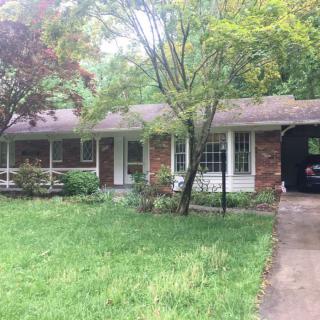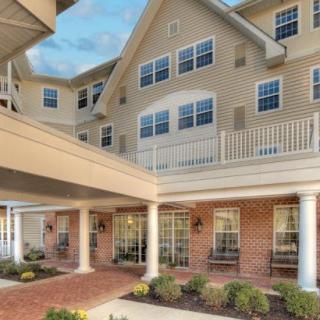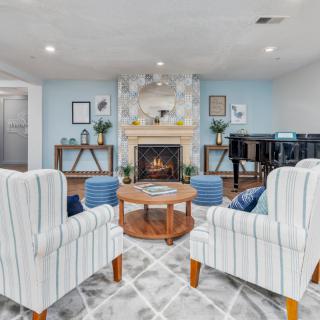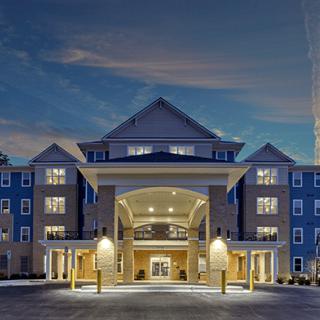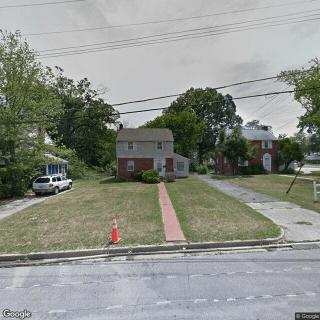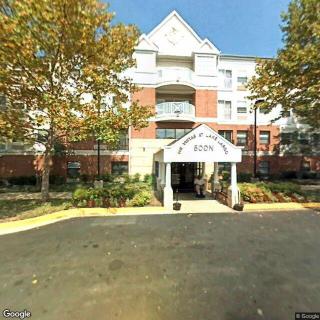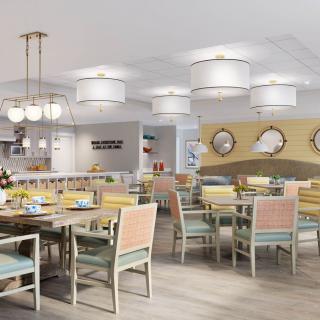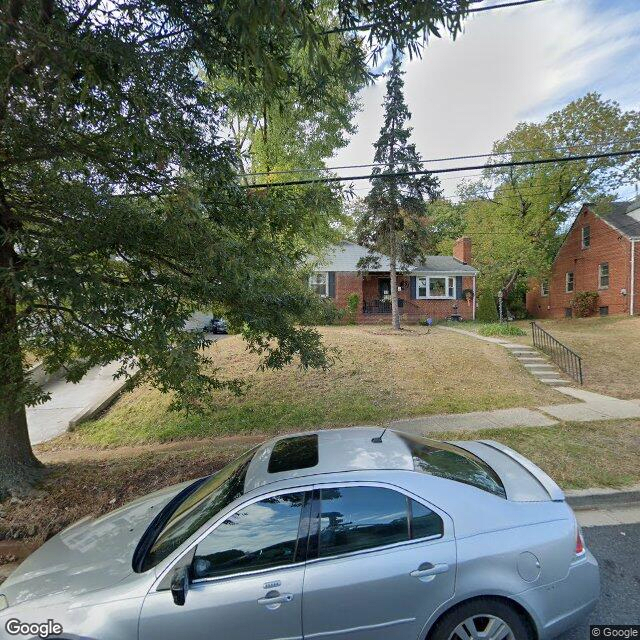
Whee Care II in District Heights, MD

Save
Whee Care II

Whee Care II in District Heights, MD

2419 Ramblewood Dr, District Heights, MD 20747

For more information about senior living options: (844) 490-3973

5 from 2 reviews
Board and Care Home

Whee Care II Costs & Pricing

Whee Care II offers competitive pricing for its services compared to the broader market in Prince George's County and across Maryland. With a monthly cost of $1,500 for semi-private rooms and $2,000 for private accommodations, Whee Care II provides significant savings - approximately 51% less for semi-private and about 51% less for private rooms when contrasted with average county rates. This positions Whee Care II as an attractive option for families seeking quality care without the premium prices typical of the region. Overall, the facility maintains a commitment to affordability while ensuring residents receive the necessary support and comfort they deserve.

Floor plansWhee Care IIPrince George's CountyMaryland
Semi-Private$1,500$3,058$3,545
Private$2,000$3,792$4,112

Overall Review of Whee Care II

Pros

  • pro The uncle felt at home after the tour and has felt at home ever since.
  • pro The staff made the uncle very happy.
  • pro The uncle was grateful and blessed to have received their care.
  • pro The tender love and care rendered to the uncle was evident.
  • pro The uncle's satisfied look and grin showed the quality of care he received.
  • pro Whee Care definitely lived up to its name.
  • pro The family thanks God for the care.
  • pro Ms. Murphy provided excellent care for the mom.
  • pro The mom was cared for by Ms. Murphy for 3.5 years.
  • pro The rates were reasonable.

Review

Whee Care II in District Heights, MD is best suited for families that prize a small, home-like assisted living experience where caregiving feels deeply personal and consistently warm. The two available reviews underscore a setting that families describe as feeling like home, with residents who seem genuinely content and settled. One account highlights a loved one who arrived and immediately perceived the place as home, with aMoments-long sense of happiness and gratitude echoing through the family's description. The other review emphasizes that a dedicated caregiver provided excellent, tender attention over years, and that the overall care left a lasting impression of comfort and stability. In short, this community appears to excel when continuity, personal connection, and a quieter, intimate atmosphere are paramount.

The obvious caveat is that Whee Care II may not be the right fit for families seeking robust, hospital-level medical oversight or specialized memory-care programming within a large campus. The brevity of the feedback leaves room for questions about staffing depth, availability of on-site medical professionals, and the breadth of services beyond personal care. For seniors who require frequent clinical coordination, a wide range of therapy options, or highly structured activities designed for memory care, alternatives with bigger teams and more formalized programs could better meet those needs. In particular, families weighing complex health conditions or rapid changes in care requirements should explore options that explicitly emphasize medical management and cognitive-care resources.

Viewed through the lens of the reported positives, the strengths are distinct and meaningful. The strongest pro is the unmistakable sense of warmth and home-like daily life that permeates the care setting. The testimonials point to genuine affection from caregivers and a staffing approach that fosters meaningful relationships, rather than a transactional, task-driven dynamic. Another critical advantage is staff continuity, as evidenced by mention of a single caregiver, Ms. Murphy, delivering consistently attentive care over a substantial period. This kind of stability often translates into fewer miscommunications and a deeper understanding of daily rhythms, preferences, and subtle health signals - factors that significantly impact quality of life in a small, intimate environment. Finally, the pricing appears reasonable for the market, which matters greatly to families balancing care quality with affordability over long horizons.

Where the pros meet the real-world trade-offs, Whee Care II's intimacy and cost-conscious approach can offset what would otherwise be perceived as limitations. A smaller operation often means fewer bells and whistles, but it also yields closer attention to individual residents and more flexible, personalized routines. For families who value a consistent, home-like schedule and the reassurance of known caregivers, that balance can be a decisive advantage. The caveat is that without explicit information about the breadth of clinical services, activity programming, and transportation options, potential residents should verify what is truly available on-site and what requires external coordination. Still, the standout caregiver example provides a compelling signal that resident well-being can be the central focus, not just basic custodial care.

For decision-makers actively evaluating options, the practical path is clear. If a loved one thrives in an environment where familiar faces, gentle routines, and a family-oriented atmosphere are non-negotiable, Whee Care II merits serious consideration. Plan a firsthand visit to observe interactions between staff and residents, request a candid discussion about staffing ratios, and ask to review care plans, meal plans, and daily activity calendars. It is wise to inquire about respite availability, emergency procedures, and how transitions are handled should a resident's needs begin to rise. Collect tangible details on who is on-site, how often a nurse or clinician participates in weekly care, and what happens when medical needs escalate.

In the final assessment, Whee Care II offers a compelling option for families prioritizing warmth, continuity, and affordability in a smaller setting. It is less clearly positioned for families seeking robust clinical oversight or memory-care specialized programming on a large campus. The reviews deliver a clear verdict: residents can feel at home, and families can experience peace of mind through attentive, compassionate care. For those who fit the warm, intimate model, the path is straightforward - schedule a visit, verify the specifics that matter most to care goals, and proceed with confidence in a community that has demonstrated genuine, heartfelt dedication to its residents.

Features

Types of Care

  • Board and Care Home Board and Care HomeBoard and care homes provide a smaller, more intimate setting for seniors who require assistance with daily tasks but do not need the level of care offered by a nursing home. They offer personalized care, meals, and social activities in a homelike environment, ensuring that seniors receive individualized attention and support in their golden years.

Amenities

  • Activities off-site Activities off-siteEngaging in off-site activities is crucial for seniors to maintain social connections, stay active, and stimulate their minds. It promotes overall well-being and helps combat feelings of isolation and loneliness.
  • Bath tubs Bath tubsBath tubs are important for seniors because they provide a safe and relaxing way to bathe, helping to prevent slips and falls while promoting independence and overall well-being.
  • Devotional services off-site Devotional services off-siteDevotional services off-site are important for seniors as they provide spiritual nourishment, social engagement, and a sense of community outside of the senior living facility. This can enhance overall well-being and help combat feelings of isolation and loneliness often experienced by older adults.
  • Devotional services on-site Devotional services on-siteDevotional services on-site provide seniors with spiritual support and a sense of community, as well as an opportunity for reflection and guidance during their senior living experience. This can promote emotional well-being and connection to others, leading to a more fulfilling and enriching lifestyle in their later years.
  • Indoor common areas Indoor common areasIndoor common areas are crucial for seniors as they provide a space for socialization, recreation, and community engagement, promoting overall well-being and reducing feelings of isolation and loneliness.
  • Outdoor common areas Outdoor common areasOutdoor common areas are important for seniors as they provide a space for socialization, physical activity, and relaxation. Being outside in nature can improve mood and overall well-being, while also encouraging movement and engagement with others. These spaces can help combat feelings of isolation and promote a sense of community among residents.
  • Private PrivatePrivacy is important for seniors as it allows them to maintain their independence, dignity, and sense of control over their own lives. It also gives them the space and freedom to relax, reflect, and engage in activities that bring them joy and fulfillment. Creating private spaces within senior living facilities is crucial for promoting overall well-being and quality of life.

Transportation

  • Ronald Reagan Washington National (8 miles away) Ronald Reagan Washington National (8 miles away)

Care Services

  • Ambulatory care Ambulatory care"Ambulatory care services provide essential medical support and treatment to seniors without requiring hospitalization, allowing them to maintain their independence and quality of life while managing chronic conditions or receiving routine medical care."
  • Diabetic care Diabetic careDiabetic care is crucial for seniors as they are more susceptible to developing diabetes due to aging and other health conditions. Proper management of diabetes can help prevent complications such as heart disease, vision loss, and nerve damage, improving the overall quality of life for seniors in senior living communities.
  • High acuity care High acuity careHigh acuity care is important for seniors because it provides specialized medical attention and support for individuals with complex medical needs. This level of care ensures that seniors receive the appropriate treatment and assistance to maintain their health and quality of life as they age.
  • Incontinence care Incontinence careIncontinence care is essential for seniors to maintain their dignity, hygiene, and overall quality of life. By addressing incontinence issues promptly and effectively, seniors can enjoy a sense of independence and comfort in their daily activities.

Dining

  • Meals provided Meals provided"Meals provided" are crucial for seniors in assisted living communities as it ensures they have access to nutritious, balanced meals without the stress of meal planning and preparation. This can help promote overall health and well-being for seniors who may have limited mobility or cognitive abilities.

Activities

  • Activities off-site Activities off-siteEngaging in off-site activities is crucial for seniors to maintain social connections, stay active, and stimulate their minds. It promotes overall well-being and helps combat feelings of isolation and loneliness.
  • Devotional activities offsite Devotional activities offsiteDevotional activities offsite are important for seniors because they provide social engagement, spiritual growth, and a sense of community outside of their living environment. This can improve overall well-being, mental health, and combat feelings of isolation or loneliness.
  • Devotional activities on-site Devotional activities on-siteDevotional activities on-site provide seniors with a sense of community, spiritual fulfillment, and emotional support, promoting overall well-being and a positive sense of purpose in their lives.

Description

Whee Care II is an assisted living community located in District Heights, MD. Our community offers a range of amenities to ensure the comfort and enjoyment of our residents. For relaxation and rejuvenation, we have bath tubs available for use. Additionally, we offer both off-site and on-site devotional services for spiritual fulfillment.

Our indoor common areas provide a cozy space for socializing and engaging in various activities. Residents can also enjoy the outdoors with our outdoor common areas, where they can take a stroll or simply bask in the fresh air.

At Whee Care II, we understand the importance of personalized care. We offer diabetic care to cater to the needs of individuals with diabetes. Our staff is skilled in providing high acuity care to those who require specialized medical attention. Incontinence care is also available to ensure the comfort and dignity of our residents.

We believe in promoting an active lifestyle for our residents through various activities. Devotional activities are organized both off-site and on-site, allowing residents to engage in spiritual practices that bring them joy and peace.

The community surrounding Whee Care II offers convenient amenities and services nearby. There are cafes, parks, pharmacies, physicians, restaurants, transportation options, and hospitals all within close proximity to our community.

Whee Care II provides a warm and welcoming environment for individuals seeking assistance with their daily living activities. With a range of amenities and personalized care services available, we strive to create a comfortable and fulfilling experience for our residents.

Nearby Places of Interest

Located in the vibrant District Heights, Maryland, this neighborhood offers a range of amenities and services suitable for senior living. Close proximity to hospitals such as Riverside Medical District Heights and St Elizabeths Hospital ensures easy access to healthcare facilities. A variety of pharmacies like Walgreens, CVS Pharmacy, and Shoppers Food & Pharmacy are available within a short distance for convenience. Residents can also enjoy dining options at fast-food chains like McDonald's and Chick-Fil-A, as well as cafes such as Starbucks and Panera Bread. The neighborhood is well-connected with transportation options including metro stations like Benning Road and Stadium-Armory nearby. Parks like L'Enfant Square and Watkins Regional Park provide opportunities for outdoor activities, while places of worship like St Peter's School on Capitol Hill offer spiritual fulfillment. Overall, this area presents a mix of essential services and recreational opportunities making it an attractive choice for senior living in District Heights.

Hospitals

  • Riverside Medical District Heights (0.5 miles)
  • St Elizabeths Hospital (5.4 miles)

Pharmacies

  • Walgreens (0.5 miles)
  • CVS Pharmacy (0.5 miles)
  • Shoppers Food & Pharmacy (0.6 miles)
  • CVS Pharmacy (0.9 miles)
  • Shoppers Food & Pharmacy (1 miles)
  • CVS Pharmacy (3.3 miles)
  • CVS Pharmacy (4.1 miles)

Restaurants

  • McDonald's (0.8 miles)
  • Chick-Fil-A (1.2 miles)
  • McDonald's (2.2 miles)
  • Panda Express (2.2 miles)
  • Sonic Drive-In (2.2 miles)
  • Chick-Fil-A (2.4 miles)
  • McDonald's (2.4 miles)

Cafes

  • Starbucks (2.3 miles)
  • Starbucks (5 miles)
  • Starbucks (5.9 miles)
  • Panera Bread (5.9 miles)
  • Wine & Butter Cafe & Market (6 miles)
  • Philz Coffee (6.2 miles)
  • Slipstream (6.5 miles)

Transportation

  • Benning Road Metro Station (3.5 miles)
  • Stadium-Armory Metro Station (5.2 miles)
  • Potomac Avenue Metro Station (5.4 miles)
  • Eastern Market Metro Station (6.1 miles)
  • New Carrollton Amtrak Station (6.4 miles)
  • Capitol South Metro Station (6.6 miles)
  • Union Station Metro (7 miles)

Physicians

  • Childrens Pediatricians (3.8 miles)
  • Dr Jenkin's Office (4.6 miles)
  • One Medical (7.2 miles)

Parks

  • L'Enfant Square (4.6 miles)
  • Mellwood Park (4.7 miles)
  • Watkins Regional Park (5.4 miles)
  • Lincoln Park (5.9 miles)
  • The Yards Park (6.2 miles)
  • Stanton Park (6.5 miles)
  • Capitol Reflecting Pool (7.1 miles)

Places of Worship

  • St Peter's School on Capitol Hill (6.3 miles)
  • St Joseph Catholic Church on Capitol Hill (6.7 miles)

Theaters

  • Alamo Drafthouse Cinema DC Bryant Street (7.4 miles)

Frequently Asked Questions

How much does it cost to live at Whee Care II in District Heights, MD?
Where is Whee Care II?

Nearby Communities

  • Whee Care Services Unlimited II

    Whee Care Services Unlimited II

    District Heights, MD

     
    $5,000 to $7,500 / month

    pro Small, highly personalized assisted living with comprehensive care and fully furnished accommodations.

  • Angel Square

    Angel Square

    District Heights, MD


    pro Comprehensive, personalized care with 24/7 supervision, meals, activities, and transportation coordination.

  • Conifer Village at Oakcrest

    Conifer Village at Oakcrest

    Capitol Heights, MD

    4.1 from 19 reviews
    $1,030 to $1,200 / month

    pro Brand-new, handicap accessible apartments with friendly staff and ample on-site amenities.

  • Cheval Court

    Cheval Court

    Forestville, MD


    pro Convenient access to parks, dining, pharmacies, physicians, transportation, and a nearby hospital.

  • Park View at Woodland Springs

    Park View at Woodland Springs

    District Heights, MD

     
    $740 to $865 / month

    pro Very affordable with convenient access to parks, dining, and healthcare.

  • Home Assisted Living

    Home Assisted Living

    District Heights, MD


    pro Cozy, fully furnished apartments with 24/7 care, meals, and on-site amenities.

  • Jericho Residences

    Jericho Residences

    Landover, MD

    3.8 from 83 reviews
    $1,325 to $4,940 / month

    pro Spacious, clean apartments with an active 55+ community and on-site amenities (gym, dining, washers in-unit) plus social programs.

  • The Vistas at Lake Largo

    The Vistas at Lake Largo

    Largo, MD

    3.7 from 33 reviews
    $904 to $1,073 / month

    pro Attractive exterior with positive initial staff interactions and solid 2-bedroom options.

  • The Sky Bridge at Town Center

    The Sky Bridge at Town Center

    Largo, MD


    pro Comprehensive care options (including memory care) with 24/7 supervision and on-site dining/amenities.

Related Resources

  • palliative care vs hospiceUnderstanding the Nuances of Palliative Care and Hospice: A Comprehensive Exploration

    Palliative care focuses on alleviating distress at any stage of a serious illness and can accompany curative treatments, while hospice care is for those nearing the end of life with a prognosis of six months or less, emphasizing comfort over curative measures. Both prioritize holistic care for patients and families but differ in timing, goals, and scope.

  • fecal incontinenceFecal Incontinence in Older Adults: A Comprehensive Guide

    Fecal incontinence, prevalent among older adults, arises from factors like weakened pelvic muscles and nerve damage, significantly affecting well-being and social interactions. Diagnosis involves clinical evaluation and tests to inform tailored treatments, while caregivers and preventive measures can aid in managing the condition effectively.

  • anticipatory griefRecognizing the Journey: Understanding and Navigating Anticipatory Grief

    Anticipatory grief is an emotional response to the impending loss of a loved one, characterized by complex emotions such as sadness and anger, and involves navigating stages similar to those identified by Kübler-Ross. Coping strategies are vital for managing this process, emphasizing compassionate communication, self-care, and support groups while recognizing the cultural influences on grieving.