

12001 Lanham Severn Road, Bowie, MD 20720
To contact a resident: (301) 352-3642
For more information about senior living options: (866) 208-4318
Bowie Assisted Living, Inc Costs & Pricing
Bowie Assisted Living, Inc offers a range of accommodations with pricing that reflects the quality of care and services provided. The monthly cost for a semi-private room stands at $4,500, which is notably higher than the regional average in Prince George's County of $3,058 and the state average of $3,545. For those seeking more privacy, the private rooms are priced at $4,800, again exceeding local and state averages of $3,792 and $4,112 respectively. The studio apartments present an even higher investment at $5,100 per month, surpassing both local ($4,428) and state ($4,656) benchmarks. While Bowie Assisted Living's costs may be on the higher end relative to surrounding options, they often reflect enhanced amenities and personalized care that can significantly enrich residents' experiences.
| Floor plans | Bowie Assisted Living, Inc | Prince George's County | Maryland |
|---|---|---|---|
| Semi-Private | $4,500 | $3,058 | $3,545 |
| Private | $4,800 | $3,792 | $4,112 |
| Studio | $5,100 | $4,428 | $4,656 |
Memory care communities with a similar price nearby
-
from +$450 / mo

Avalon House on Laburnum Street
$4,950 / month18.8 miles away -
About the same

Olney Memory Care
$4,500 / month17.4 miles away -
from -$500 / mo
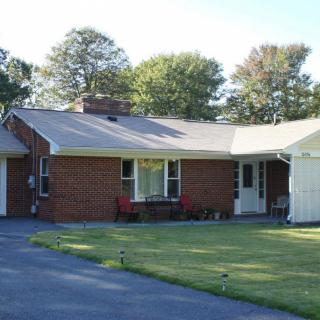
Montgomery Eldercare I
$4,000 to $5,900 / month13.0 miles away -
from +$700 / mo
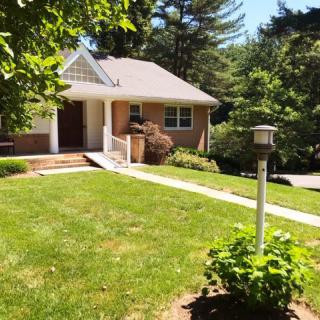
Avalon House On Laburnum Street
$5,200 / month18.8 miles away -
from +$500 / mo
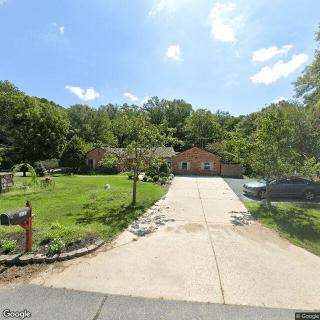
Necitas
$5,000 to $5,500 / month12.9 miles away
Overall Review of Bowie Assisted Living, Inc
Pros
 They provide exceptional care for residents and have been a blessing to families.
- The staff's compassion, kindness, and dedication shine in every interaction.
- Bowie Spring Assisted Living is a wonderful, clean, organized, and cozy facility that comes highly recommended.
- The activities team engages residents with meaningful activities, bringing joy to their days.
- The environment is safe, clean, and tailored to promote a sense of community and well-being.
- The owner is hands-on, communicative, and attentive to appointments and care needs.
- The staff are caring, professional, and committed to delivering excellent care.
Cons
 The reviewer describes the facility as awful, with safety and dignity concerns for residents.
- The staff are described as lazy, and the owner/nurse is never there and very hard to contact.
- Residents are treated like potted plants, with little to no activities or interaction.
- The food is canned and lacks nutritional value.
- A resident reportedly withered away, and pain relief was not pursued in the last weeks.
- The staff does not appear well trained, with instances of mishandling linens and ignoring screams.
- Medications were not always administered correctly, which is dangerous.
- Communication was difficult because English was the staff's second language.
Review
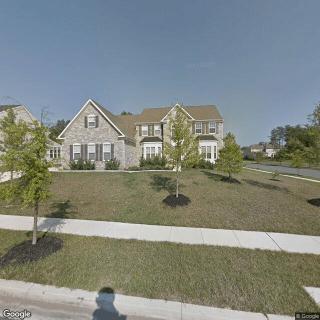
Best suited for families seeking a warm, home-like assisted living experience with highly attentive caregivers, especially for seniors with memory challenges who benefit from consistent, person-centered support. Bowie Assisted Living excels when small-house intimacy, stable staffing, and hands-on operator involvement are priorities, and when family involvement and flexible scheduling are non-negotiable. The model suits residents who don’t need constant hospital-level medical care but do require help with daily activities, medication reminders, and meaningful social engagement. For families prioritizing continuity, predictable routines, and a caregiver team that truly knows the resident’s history, this community stands out as a strong match.
The most persuasive advantages lie in the staff culture and ownership. Reviews repeatedly highlight genuine compassion, with caregivers who are patient, responsive, and attuned to individual needs. The owner-a-nurse practitioner presence is a meaningful differentiator, aiding medical coordination and questions that arise between doctor visits. Residents benefit from in-room activities, targeted engagement by the activities team, and visiting schedules that accommodate family life. The environment feels clean, organized, and cozy, reinforcing a sense of home rather than institution, with meals and social events that reinforce community and belonging.
Yet one highly negative account cannot be ignored, and it demands careful consideration. That review paints a picture of safety concerns, poor communication, and perceived neglect, which starkly contrasts with the positive stories elsewhere. Such a discrepancy signals the importance of verifying day-to-day operations, staffing levels, response times, and the reliability of medication administration. It also underscores the value of direct conversations with current residents and families about care quality, as well as reviewing recent state inspections and quality-control practices. While the bulk of feedback is favorable, the outlier serves as a cautionary note about variability that can appear in smaller operations.
Overall, the favorable attributes tend to offset the potential downsides for most families, especially when proactive steps are taken. The intimate setting supports consistent caregiving, personalized care plans, and open channels for family updates. Ownership involvement provides a line of sight into medical coordination and daily operations, which promotes trust and accountability. The risk is mitigated when families engage actively, requesting detailed care plans, staying in touch with caregivers, and verifying medication routines. In other words, the strengths become even more meaningful when accompanied by disciplined oversight and clear expectations.
Alternatives become worth considering for residents who require higher-frequency clinical intervention, 24/7 on-site nursing, or a more expansive calendar of formal activities. Families concerned about language barriers or inconsistent communication should visit multiple times, talk with several residents, and request transparent documentation of care decisions. If a setting demands intensive memory-therapy programming, broader rehabilitation services, or constant physician presence, other communities may better meet those needs. Bowie Spring/Bowie Assisted Living remains a compelling option, but the decision should hinge on whether the facility’s intimate, caregiver-driven model can sustain the specific medical and social demands of the resident.
Bottom line: Bowie Assisted Living offers a compelling, heartfelt option for seniors who prize warmth, personal attention, and a supportive, family-like environment in Bowie. It is a particularly strong fit for memory-care-focused care and for families seeking direct access to ownership and ongoing caregiver coordination. To proceed with confidence, schedule a comprehensive tour, request recent care plans, ask about staff-to-resident ratios and turnover, and speak with multiple residents and their families about daily life. If those factors align, this community stands as a practical, well-regarded choice; if not, explore alternatives thoroughly rather than assuming the good matches will automatically hold.
 Board and Care Home
 Memory Care
 Private
 Baltimore-Washington International (14 miles away)



 22 Remarkable Caregiver Support Groups Available Online and In-Person
 Understanding Medicaid Coverage for Assisted Living: A Comprehensive Guide
 How and When Medicaid May Cover Assisted Living Costs