For more information about senior living options: (866) 208-4318
2.1 from 32 reviews
5 stars
6
4 stars
3
3 stars
0
2 stars
1
1 stars
22
Overall Review of Berlin Nursing And Rehabilitation Center
caveat18 reviews mention this
Staffing and response are uneven
Residents and families describe missed calls and limited help at key moments.
A number of reviews describe problems getting help when it’s needed, including alarms or bells not bringing staff quickly enough. Others mention phone or front-desk communication issues, including not reaching the right person and delayed follow-up. Some reviews also point to understaffing and staff members seemingly “sitting around,” which residents describe as affecting care timing.
caveat8 reviews mention this
Cleanliness and odors draw complaints
Several reviews mention soiled conditions and persistent bad odors.
Many negative reviews describe residents staying in soiled briefs or urine for long periods, along with concerns that staff are not changing and cleaning people as they should. A few reviews specifically mention strong odors, including comments about urine and feces smells. Even where a review says the building appeared clean, it still notes smells were sometimes unpleasant.
caveat6 reviews mention this
Medication and wound care concerns
Some families describe medication, hydration, and wound care issues.
Negative reviews include accounts of missing scheduled medications and delayed clinical support, including one describing IV treatment not being provided as promised. Several reviews raise wound or skin-condition concerns, including bedsores and delayed communication after complications. Others mention dehydration and incomplete wound care, plus difficulties getting hospital discharge paperwork and prescriptions handled.
differentiator2 reviews mention this
Memory care receives standout praise
Memory care reviews describe noticeably stronger care and structure.
One review specifically highlights the memory care area as “phenomenal,” with caretakers described as treating the resident like family and following a challenging diet closely. A separate review mentions the dementia floor experience from a different angle, describing strong cleanliness concerns on that unit. Taken together, residents are talking about dementia-specific care, with widely different results.
common7 reviews mention this
Food quality and feeding support
Dining comes up often, with both praise and serious complaints.
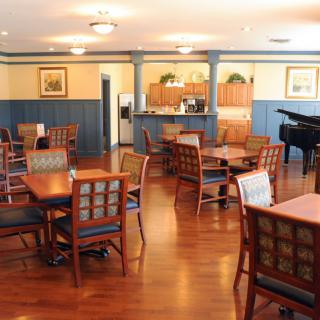
Some residents and visitors describe the food positively, including comments about well-seasoned meals and an attractive dining hall. Others describe meals and feeding support as problematic, including requests not being met and residents not receiving the correct textures or assistance. A few reviews also mention nutrition support issues such as nourishment left at bedside or meals being set out without help, leading to missed care needs.
How we summarize
Counts show how many written reviews mention each theme; a review can touch several themes, and only frequently mentioned themes are displayed.
The features offered at Berlin Nursing and Rehabilitation Center are integral to supporting residents with memory care needs. Assistance with dressing and bathing not only promotes personal hygiene but also fosters a sense of dignity and independence, which is crucial for individuals facing cognitive challenges. Medication management ensures that residents receive their necessary prescriptions accurately and on time, minimizing the risk of confusion or missed doses. Meal preparation and service cater to dietary preferences while also addressing nutritional needs, enhancing overall well-being. Support with activities of daily living--such as grooming, mobility transfers, and other routine tasks--helps maintain life skills while ensuring safety and comfort in a familiar environment. The 24-hour supervision provides peace of mind for both residents and families, offering immediate assistance when needed. Additionally, the mental wellness program engages residents through social interaction and cognitive activities, promoting mental stimulation that can slow the progression of dementia symptoms and improve quality of life. Together, these features create a comprehensive approach to memory care that prioritizes the physical, psychological, and emotional needs of each resident.
Nearby Communities
Gull Creek
Berlin, MD
3.7 from 79 reviews
$3,200 to $5,825 / month
Friendly staff, clean, welcoming environment with engaging activities and on-site dining.
Guiding Hands Assisted Living
Berlin, MD
4.3 from 9 reviews
$2,650 to $2,950 / month
Home-like environment with friendly staff and clean facilities; reasonably priced for the area.
Home Instead - Berlin, MD
Berlin, MD
4.9 from 19 reviews
$5,660 to $6,710 / month
Safe, comfortable environment with easy access to pharmacies, physicians, restaurants, places of worship, and hospitals.
Right at Home of Ocean Pines
Ocean Pines, MD
4.3 from 9 reviews
Peaceful, social environment with convenient access to healthcare and amenities nearby.
The Woodlands
Ocean Pines, MD
4.2 from 22 reviews
$1,400 to $1,700 / month
Friendly front desk staff and diverse resident activities.
Catered Living Of Ocean Pines B Building
Berlin, MD
4.2 from 13 reviews
$2,800 / month
Friendly staff and an active, engaging community with on-site activities.
Brandywine Living At Fenwick Island
Selbyville, DE
4.7 from 79 reviews
$4,290 to $7,830 / month
Peregrine Senior Living at Salisbury
Salisbury, MD
4.8 from 132 reviews
Friendly, attentive staff in a welcoming, well-maintained setting with strong dining.
Victoria Park at Sassafras Meadows
Salisbury, MD
4.7 from 27 reviews
$545 / month
Peaceful, well-kept community with responsive staff.
The article emphasizes the significance of establishing a power of attorney for elderly parents to enable an agent to make decisions on their behalf regarding health and finances, especially during cognitive or physical decline. It outlines various types of power of attorney, the importance of consulting legal professionals, and the responsibilities and challenges faced by agents, while also discussing alternatives and common misconceptions.
Caregiver support groups are crucial for providing emotional and practical assistance to those caring for loved ones, offering resources, coping strategies, and a sense of community through various organizations and platforms. These groups help alleviate isolation and burnout while addressing the unique challenges faced by caregivers of individuals with specific conditions.
The guide outlines the complexities of Medicaid coverage for assisted living, highlighting significant state-to-state variations, limited coverage often restricted to personal care services, and the existence of specialized waivers for certain needs like memory care. It advises families to consult local Medicaid offices for options while emphasizing the importance of understanding state-specific regulations and facility policies.
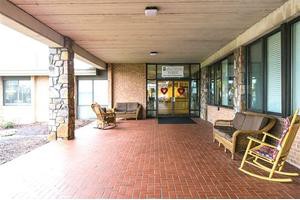
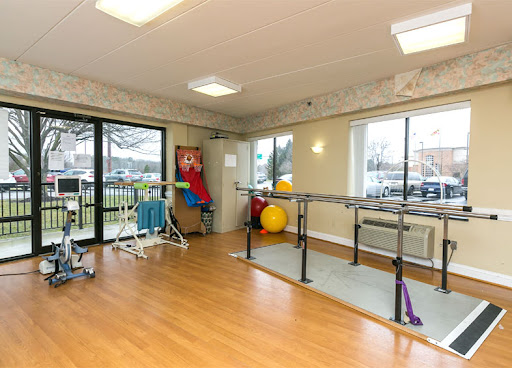
Exercise Equipment, Rehabilitation, Physical Therapy, and Therapy Room
Get PricingAsk A QuestionSchedule A TourContact Senior Advisor
By clicking submit, you agree to our Partner's Terms of Use. You
also consent to receive calls and texts, which may be autodialed, from our Partner. Your consent is not a condition to
using our Partner's service. Please visit our Partner's Privacy Policy for information about their privacy practices.

 165 resident community capacity
 Memory Care
 Skilled Nursing Facility
 Air-conditioning
 Beauty salon
 Cable or satellite TV
 Computer center
 Dining room
 Fitness room
 Fully furnished
 Gaming room
 Garden
 Housekeeping services
 Kitchenette
 Move-in coordination
 Outdoor space
 Private bathrooms
 Restaurant-style dining
 Small library
 Telephone
 Wellness center
 Wi-Fi/high-speed internet available
 Community operated transportation
 12-16 hour nursing
 24-hour call system
 Activities of daily living assistance
 Assistance with bathing
 Assistance with dressing
 Assistance with transfers
 Diabetes diet
 Medication management
 Mental wellness program
 Special dietary restrictions
 Concierge services
 Planned day trips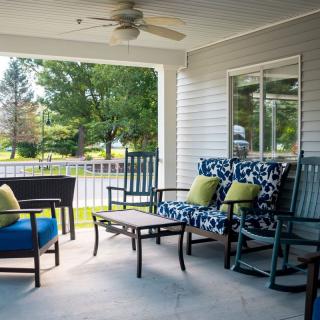
 Friendly staff, clean, welcoming environment with engaging activities and on-site dining.


 Guiding Your Journey: Understanding Power of Attorney for Elderly Parents
 22 Remarkable Caregiver Support Groups Available Online and In-Person
 Understanding Medicaid Coverage for Assisted Living: A Comprehensive Guide