
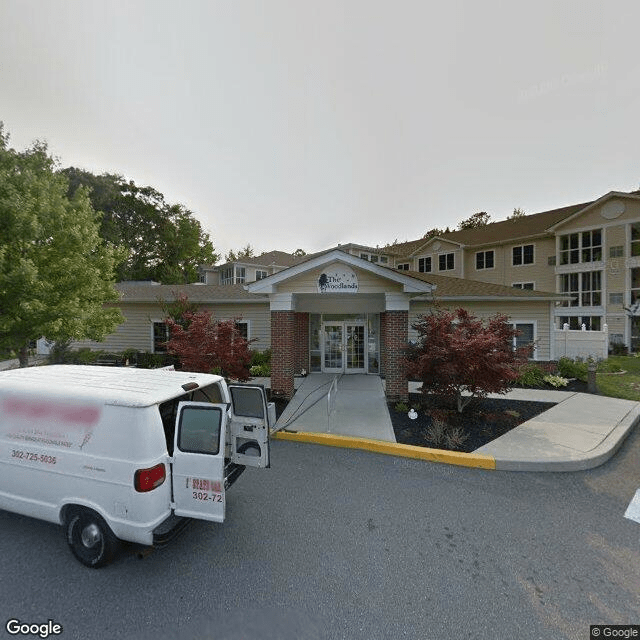
1135 Ocean Parkway, Ocean Pines, MD 21811
To contact a resident: (410) 208-9001
For more information about senior living options: (866) 208-4318
The Woodlands Costs & Pricing
In The Woodlands, the cost of living is notably more affordable compared to both Worcester County and the broader state of Maryland. For instance, a one-bedroom unit in The Woodlands averages $1,400 per month, a stark contrast to Worcester County's average of $3,831 and Maryland's state-wide figure of $3,904. Similarly, two-bedroom apartments also reflect this trend; they are priced at $1,700 in The Woodlands while reaching upwards of $4,226 in Worcester County and averaging around $3,497 statewide. This discrepancy highlights The Woodlands as an attractive option for those seeking quality living arrangements without the steep price tag often associated with other areas in Maryland.
| Floor plans | The Woodlands | Worcester County | Maryland |
|---|---|---|---|
| 1 Bedroom | $1,400 | $3,831 | $3,904 |
| 2 Bedrooms | $1,700 | $4,226 | $3,497 |
Overall Review of The Woodlands
Pros
 The Woodlands of Ocean Pines provides wonderful care from kind, compassionate staff who go above and beyond for residents.
- The staff and nurses are consistently warm, friendly, and attentive.
- The community is warm and welcoming.
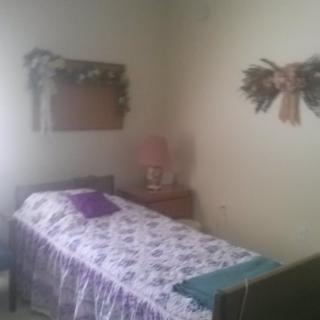
- Residents enjoy spacious, comfortable apartments.
- The meals are delicious and feel like home.
- Families feel confident their loved ones are in caring hands.
- In-building services include haircuts and physical therapy.
- The facility is clean, and the front desk is friendly, with staff greeting residents by name.
- There are abundant activities and organized trips to local stores and restaurants.
- Catered Living of Ocean Pines is attractive, small enough for personal attention, with a caring, well-kept environment.
Cons
 The Woodlands of Ocean Pines was older, a bit dark and gloomy, and not up-to-date compared with other facilities.
- The one-bedroom apartment seen was very small for the price, making it feel expensive.
- It would cost more to eat meals in their dining room, suggesting high dining costs.
- The nursing staff usually did not respond promptly to requests for help.
- The facility lacked a dementia/Alzheimer's lockdown section, raising safety concerns.
- Catered Living of Ocean Pines' memory care needs were more than they were equipped to handle, making it not a good fit.
Review
The Woodlands of Ocean Pines is best suited for families seeking a warm, attentive assisted-living environment where staff kindness and hands-on daily care are the defining strengths. This community works well for residents who want reliable medication management, nutritious meals, and ease of access to in-building services such as physical therapy and a hair salon. The overarching value is a feeling of stability and personal attention: residents are greeted by name, care routines feel individualized, and the setting emphasizes a homey, comfortable daily life. It is a practical choice for seniors who prioritize relational care and everyday reliability over cutting-edge decor or the most modern design.
For families weighing options, it is prudent to consider alternatives if memory care needs are prominent or if the priority is a newer, more contemporary ambiance at potentially lower cost. The Woodlands does not appear to offer a dedicated, locked memory-care unit, and several observations note the facility’s age and dated feel relative to newer communities. Those facing progressive memory impairment or seeking specialized dementia programming may find the staffing and physical layout less aligned with evolving needs. Alternatives such as smaller, intimate communities with memory-care capabilities or others known for more aggressive dementia programming may better match those requirements.
The core strengths of The Woodlands, compassionate staff, organized medication systems, and a broad slate of activities, directly offset several notable drawbacks. Families repeatedly praise the staff for kindness, attentiveness, and genuine engagement with both residents and visiting family members. The well-organized medication routine reduces confusion and empowers families to feel confident about treatment plans. The in-building amenities, meals that many describe as satisfying and nutritious, routine opportunities for socialization, and convenient options like on-site PT and grooming, augment daily life and mitigate concerns about isolation or boredom. When these factors align with a resident’s preferences, the benefits outweigh the imperfections.
A handful of drawbacks temper the overall impression. Some reviews flag slower responses from nursing staff to family inquiries, which can heighten worry in moments requiring prompt attention. Others describe the facility as older and not as bright or updated as competing options, with a one-bedroom apartment that can feel cramped for the price. The absence of a dedicated memory-care wing also stands out for families managing memory loss. Price sensitivity emerges in at least one account, underscoring the need to weigh value against the quality of care and the level of sophistication in the facility’s design. Taken together, these cons are most consequential for families prioritizing rapid responsiveness, contemporary aesthetics, or specialized memory programming.
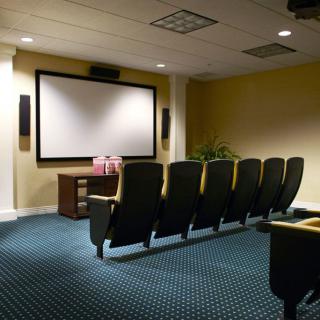
On balance, The Woodlands delivers a compelling blend of dependable care, personable service, and a bustling activity calendar. The front-desk experience, friendly and accessible, coupled with a diversity of social and therapeutic options (movies, puzzles, dining-room experiences, game rooms, and routine outings) creates meaningful enrichment for residents who want a busy, engaging environment. Cleanliness and a well-maintained appearance feature prominently in many accounts, reinforcing the sense of a well-run community. For families who value a setting where staff know residents well, remember routines, and coordinate care across multiple touchpoints, this community often rises to the occasion.
Practical next steps for families include a careful tour focusing on a few concrete questions: what is the current staff-to-resident ratio, especially during peak hours? How quickly are call-bell requests answered, and how are resistant or difficult changes in daily care handled? What are the exact costs for dining, activities, transportation, and memory-care options if needed? How often are rooms refreshed, and how does the facility address lighting and ambiance to brighten common spaces? Finally, compare with Catered Living and other local options to gauge whether a smaller, possibly less expensive setting with personal attention or a memory-care-capable environment better aligns with the senior’s needs and family priorities.
In sum, The Woodlands stands out as a solid, reliable choice for families who want a nurturing, service-oriented assisted-living community with robust daily life offerings. It is especially well-suited for residents who do not require specialized memory-care programming and for whom a warm staff culture and dependable routines matter most. Those with significant memory-care needs, a tighter budget, or a preference for a more modern, brighter facility should proactively explore alternatives that offer dedicated memory support, updated design, and more aggressive responsiveness. With clear alignment to these criteria, The Woodlands can be a very good fit; with any misalignment, a careful comparison will reveal whether another option better serves safety, cognition, and cost concerns.
 Independent Living
 Cats allowed
 Dogs allowed

 Senior Move Management: Understanding the Role, Value, and Associated Costs
 Weight Training for Seniors: Building Strength and Vitality
 Understanding the Sandwich Generation: Stress and Responsibilities for Multigenerational Caregivers