
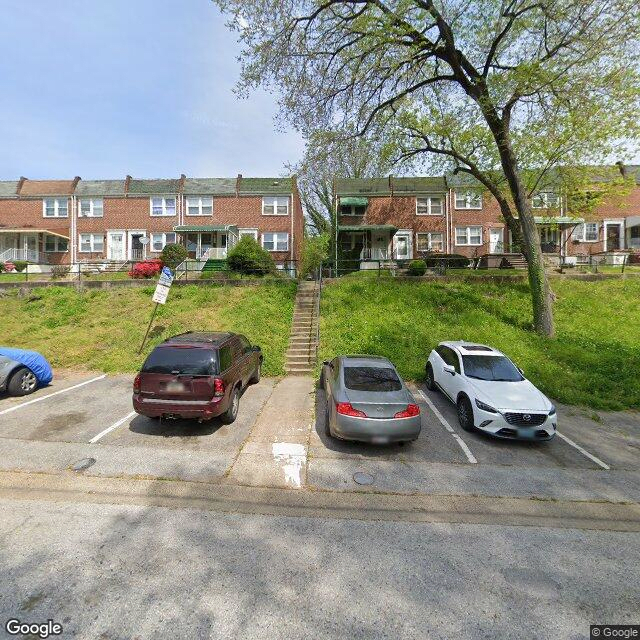
933 Ellicott Parkway, Baltimore, MD 21216
To contact a resident: (410) 493-6133
For more information about senior living options: (866) 208-4318
A Ray of Light Assisted Living Costs & Pricing
A Ray of Light Assisted Living offers a compelling option for those seeking semi-private accommodations, with a monthly cost of $1,300. This rate stands in stark contrast to the average costs in Baltimore City and across Maryland, where semi-private arrangements typically range from $3,116 to $3,545. The significant difference in pricing highlights A Ray of Light's commitment to providing affordable care while maintaining a supportive environment for residents. This value proposition makes it an attractive alternative for families looking for quality assisted living solutions without the financial burden often associated with such facilities in the region.
| Floor plans | A Ray of Light Assisted Living | Baltimore city | Maryland |
|---|---|---|---|
| Semi-Private | $1,300 | $3,116 | $3,545 |
Memory care communities with a similar price nearby
-
from +$44 / mo
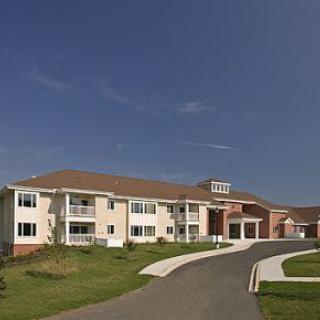
Augsburg Village
$1,344 to $3,600 / month4.8 miles away -
from +$200 / mo
The Family Touch Assisted Living
$1,500 to $1,800 / month4.9 miles away -
from +$200 / mo
Family Touch 2
$1,500 to $1,800 / month4.9 miles away
Overall Review of A Ray of Light Assisted Living
Pros
 The house is very clean and peaceful.
- It has a homelike atmosphere.
- The staff members are very professional.
- They offer family-centered, family-oriented care.
- The arrangement provides peace of mind.
Review
A Ray of Light Assisted Living in Baltimore is best suited for seniors who want a compact, home-like setting where care feels intimate, predictable, and deeply family-centered. It is ideal for residents who thrive under gentle supervision, appreciate a clean, peaceful environment, and value direct access to staff and leadership. The model hinges on a homelike atmosphere and personalized communication with family, making transitions smoother for those who do not require round-the-clock hospital-level nursing. Families seeking expansive campuses, extensive clinical programming, or highly specialized memory-care tracks may want to consider alternatives with broader resources and more structured medical oversight.
The most evident strengths center on atmosphere and governance. The house is described as very clean and peaceful, which translates into a reliable base for daily routines and safety. A homelike setting lowers stress and supports emotional comfort, an essential factor for seniors who value familiarity. Staff are portrayed as professional and approachable, with a clear commitment to family-centered care that invites family input into care planning. The involvement of the owner-founder, Germaine, in securing placement signals a governance model where leadership is accessible and personally invested in outcomes, not distant or detached administration. This combination tends to deliver consistent oversight and problem-solving that quiets family anxieties.
However, the small-scale, single-home model comes with trade-offs. While intimate attention is a clear asset, it can limit access to the full spectrum of services sometimes found in larger communities, especially for residents with complex medical needs, advanced therapies, or a wide-ranging activity calendar. Staffing resources may feel constrained on very busy days, which can translate into longer wait times for certain requests or less breadth in programming. Yet the counterbalance to these potential gaps is substantial: a hands-on owner, transparent and frequent family communication, and a culture that prizes dignity and peace of mind. For families prioritizing stability, predictability, and personalized care over scale, these pros frequently outweigh the downsides.
Care culture here emphasizes family involvement and professional, courteous staffing. Regular, open communication with families minimizes uncertainty and builds trust, while the home-like environment supports easier adjustment for new residents, including those with memory concerns who benefit from routine and familiarity. The founder’s direct role in facilitating placement reinforces a narrative of continuity of care and practical problem-solving. This leadership approach tends to produce a responsive setting where care decisions feel principled and resident-centered, not bureaucratic. The result is a practical, emotionally reassuring experience for families seeking reassurance that their loved one is seen as a person first, not a checklist.
Families should weigh their priorities against what A Ray of Light can and cannot deliver. If robust clinical programming, large-scale social activity, or extensive on-site therapy are non-negotiable, alternatives with bigger staffs and more resources will likely be a better match. For those who prize a calm, predictable daily life, quick access to a compassionate, involved owner, and a home-like ambiance that makes daily routines feel natural, this community stands out. The clean, peaceful environment paired with family-centered care creates a compelling case for residents who want to minimize transfer stress and maximize personal attention.
In deciding, the practical next steps are clear. Schedule a visit and speak directly with Germaine about daily routines, staffing ratios, medication management, care-plan review processes, and emergency procedures. Ask about respite options, meal service, transportation, and the frequency of family updates. The resident who fits here will be someone who values intimate care, clean surroundings, and a governance model built on hands-on leadership and family partnership. For suitable candidates, A Ray of Light is not merely a residence, it is a carefully led, comforting home where peace of mind becomes a tangible, daily reality.
 4 resident community capacity
 Assisted Living
 Board and Care Home
 Memory Care
 Activities off-site
 Bath tubs
 Beautician on-site
 Cable or satellite TV
 Devotional services off-site
 Dining room
 Fully furnished
 Garden
 Housekeeping services
 Indoor common areas
 Move-in coordination
 Outdoor common areas
 Respite or short term stays offered
 Telephone
 Wi-Fi/high-speed internet available
 Baltimore-Washington International (8 miles away)
 24-hour supervision
 Ambulatory care
 Assistance with bathing
 Assistance with dressing
 Assistance with transfers
 Diabetes diet
 Diabetic care
 High acuity care
 Incontinence care
 Meal preparation and service
 Medication management
 Special dietary restrictions
 Transportation arrangement (medical)
 Transportation to doctors appointments


 When to Transition from Assisted Living to Memory Care: Key Indicators, Steps, and Finding the Right Community
 Understanding the Distinctions: Assisted Living and Memory Care Explained
 How to Communicate with a Loved One Living with Dementia: 10 Supportive Strategies