At Brewer Rehab and Living Center, the monthly cost for a private room is $6,270, which reflects the facility's commitment to providing high-quality care and personalized services. When compared to the average costs in Penobscot County, which sits at $5,563 for similar accommodations, Brewer's pricing appears slightly elevated. Furthermore, when looking at the broader context of Maine's state average of $4,625 for private rooms, it's clear that Brewer offers specialized amenities and support that contribute to its higher rate. This premium may be justified by the enhanced level of care and environment provided at Brewer Rehab and Living Center.
Floor plans
Brewer Rehab and Living Center
Penobscot County
Maine
Private
$6,270
$5,563
$4,625
Skilled Nursing Facilities with a similar price nearby
Residents and families repeatedly describe staff as kind, friendly, and respectful.
A large share of reviews say interactions feel welcoming and respectful, with staff members described as helpful, polite, and supportive. Several reviewers also mention quick responses for assistance and professionalism during visits. Even in critical reviews, some people note that particular staff members were nice, suggesting the experience can vary by shift or situation rather than being uniformly poor.
differentiator14 reviews mention this
Therapy is a major strength
Physical and occupational therapy receive steady praise for helping residents recover.
Many reviews highlight rehabilitation therapy—especially physical therapy and occupational therapy—as a standout part of the stay. Multiple people describe noticeable progress, including improved mobility after rehab, and say therapists were caring and supportive. A reviewer who compared past experiences also credits therapy with major gains, reinforcing that rehab services are a consistent theme across accounts.
caveat6 reviews mention this
Food is a frequent complaint
Dining quality is a recurring downside in resident and family reviews.
While a few reviews mention good or enjoyable food, several others call the food awful, bland, or not appetizing. In more negative accounts, reviewers connect food to health concerns or difficulty maintaining a healthy diet. One reviewer also describes bringing food from home due to dissatisfaction, showing the issue is significant for at least some families.
caveat12 reviews mention this
Care and communication can fail
Some reviews describe serious breakdowns in staffing, communication, and care follow-through.
A recurring concern in the critical reviews is that help and communication do not feel reliable—ranging from difficulty getting in touch by phone to long waits for assistance. Several reviewers also describe medication problems, including delays, wrong medications, or being assured issues were addressed when they were not. Other negative accounts mention understaffing on weekends and unmet needs, including pressure sores and worsening conditions—while a few caregivers explicitly warn that the experience can be unsafe if advocates aren’t present.
How we summarize
Counts show how many written reviews mention each theme; a review can touch several themes, and only frequently mentioned themes are displayed.
Features
Types of Care
Memory Care
Skilled Nursing Facility
Amenities
Private
Transportation
Bangor International (4 miles away)
Nearby Places of Interest
Restaurants
Kosta's Restaurant & Bar (0.3 miles)
Brewster's Fine Food & Drink (0.4 miles)
Taco Bell (0.4 miles)
Subway (0.4 miles)
McDonald's (0.5 miles)
The Lobster Net (0.6 miles)
Mason's Brewing Company (1 miles)
Pharmacies
Walgreens (0.3 miles)
Wellness Connection of Maine (0.8 miles)
Dickens, Margie - Pchc Brewer Medical Center (1.3 miles)
Shaw's Pharmacy (1.4 miles)
Northern Light Health (1.5 miles)
Miller Drug (1.8 miles)
Northern Light Pharmacy (1.8 miles)
Physicians
Family Medicine of Brewer (0.4 miles)
Brewer Family Medicine (0.4 miles)
EMMC Family Medicine (0.5 miles)
Francis Kathleen Penobscot Community Health Cr Bangor (1.4 miles)
Rheumatology And Anemia Management Clinic (1.4 miles)
Bangor Family Healthcare (1.7 miles)
Warren Center For Communication and Learning (1.7 miles)
Places of Worship
Clearwater Spiritualist Church (0.9 miles)
Parks
Brewer Off Road Park (1.2 miles)
Chapin Park (1.9 miles)
City of Bangor Parks & Recreation (2.4 miles)
Bangor Dog Park (3.1 miles)
Transportation
Central Maine & Quebec Railway (1.3 miles)
Uhaul (1.4 miles)
Dick's Taxi (2.2 miles)
U-Haul Moving & Storage (2.9 miles)
Hospitals
Eastern Maine Healthcare Systems (1.5 miles)
Sleep Center of Maine (1.8 miles)
EMMC - Outpatient Surgery Center (1.9 miles)
EMMC - Grant 6 West (1.9 miles)
Northern Light Eastern Maine (2 miles)
EMMC - Grant 6 East (2.3 miles)
St Joseph Hospital (2.5 miles)
Theaters
Queen City Cinema Club (1.6 miles)
Cafes
West Market Square Artisan Coffeehouse (1.6 miles)
At Brewer Rehab and Living Center, the monthly cost for a private room is $6,270, which reflects the facility's commitment to providing high-quality care and personalized services. When compared to the average costs in Penobscot County, which sits at $5,563 for similar accommodations, Brewer's pricing appears slightly elevated. Furthermore, when looking at the broader context of Maine's state average of $4,625 for private rooms, it's clear that Brewer offers specialized amenities and support that contribute to its higher rate. This premium may be justified by the enhanced level of care and environment provided at Brewer Rehab and Living Center.
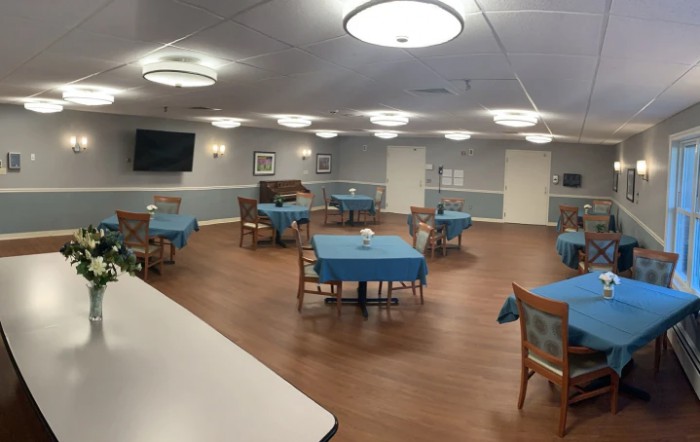
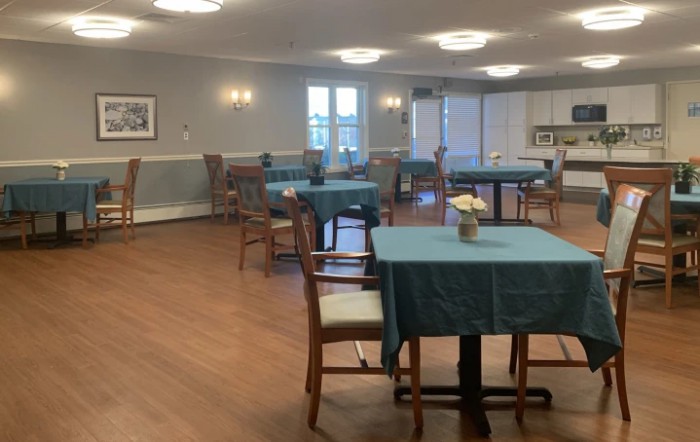
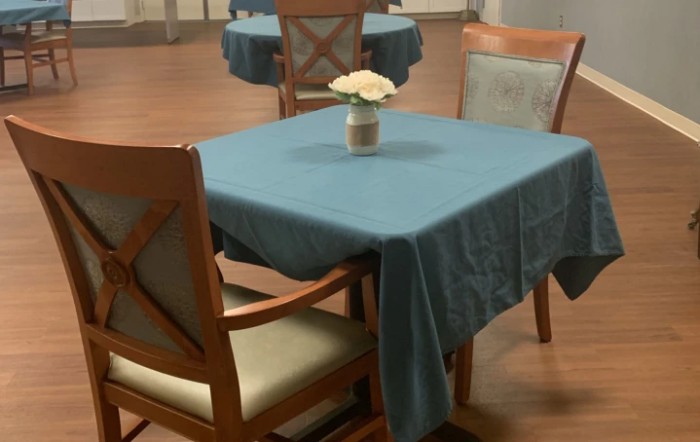
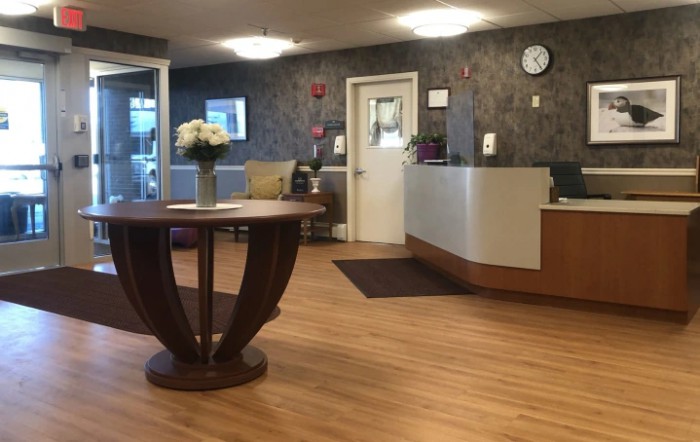
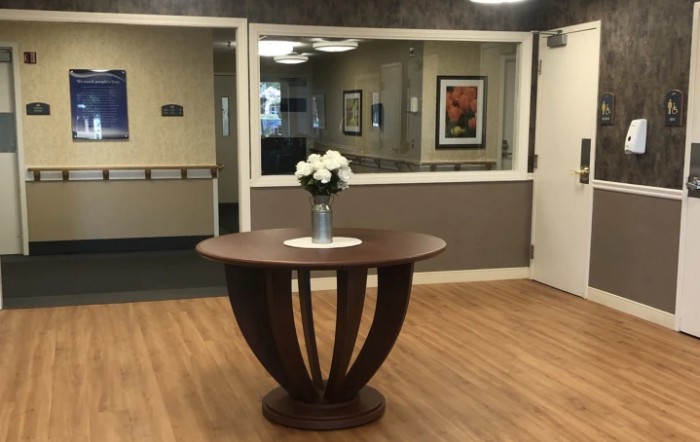
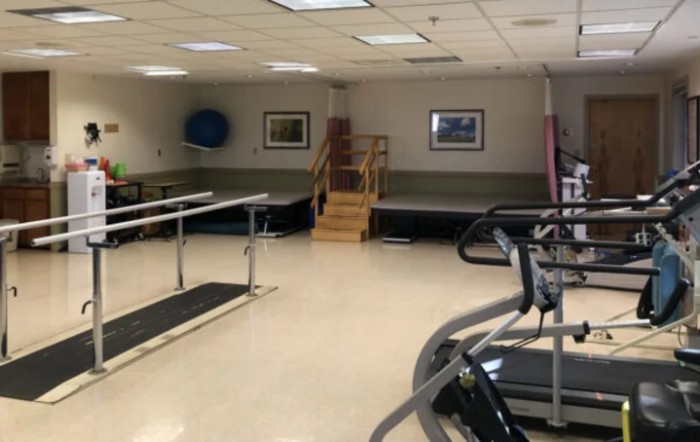
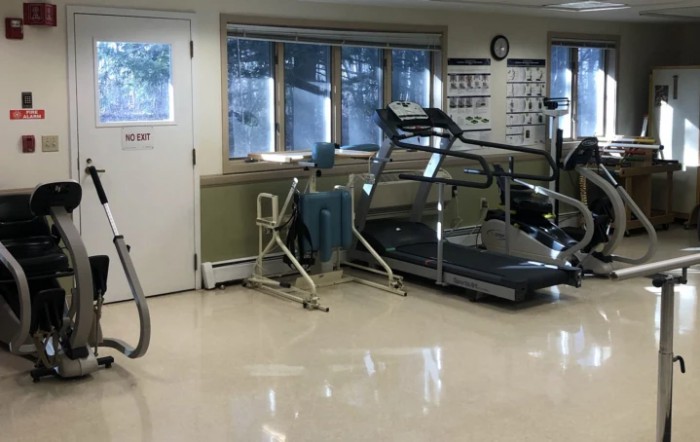
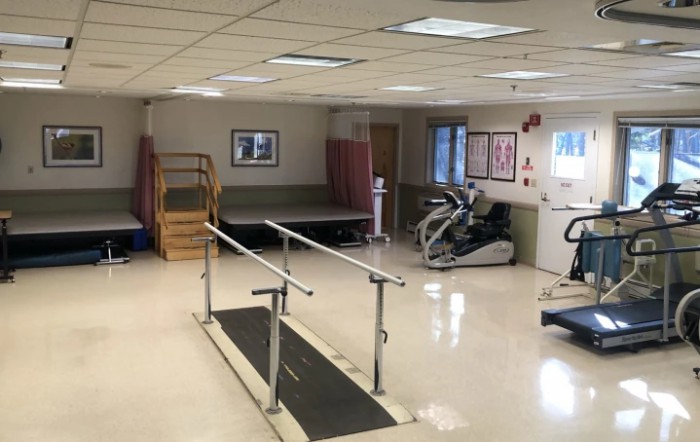
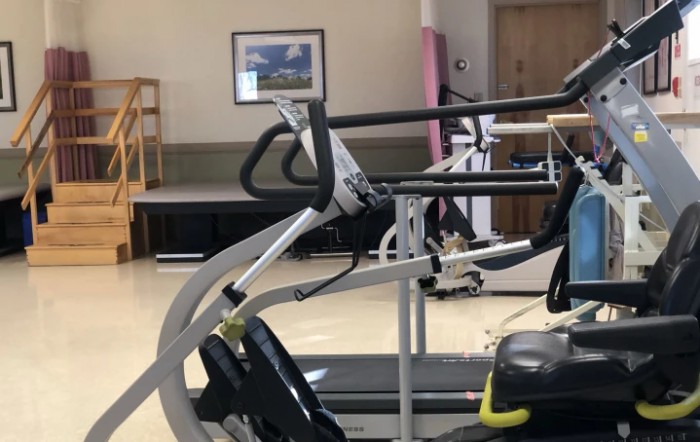
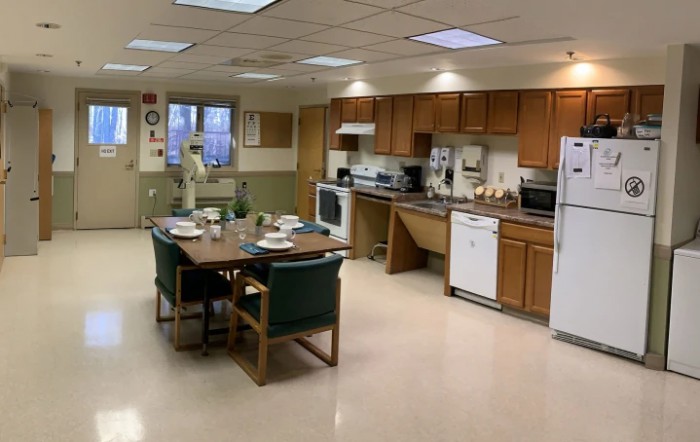
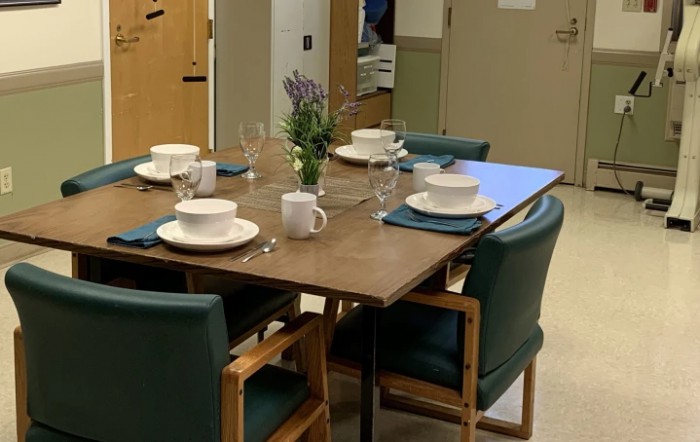
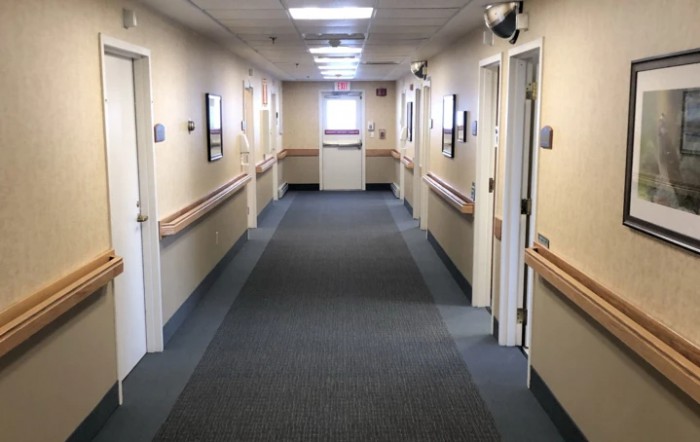
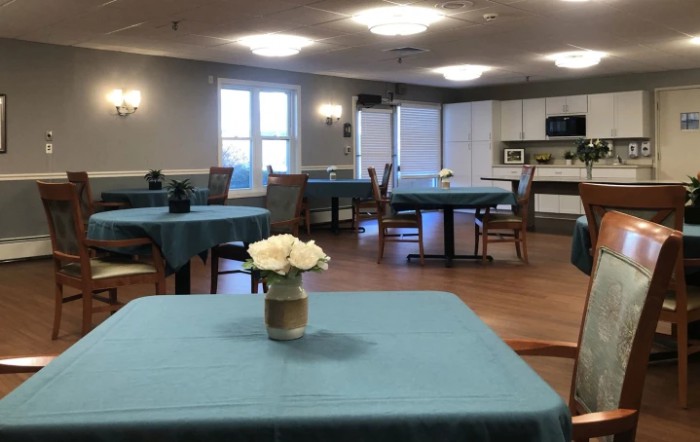
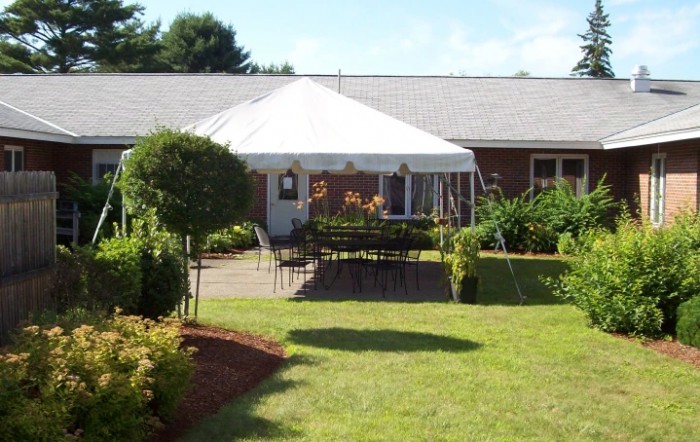
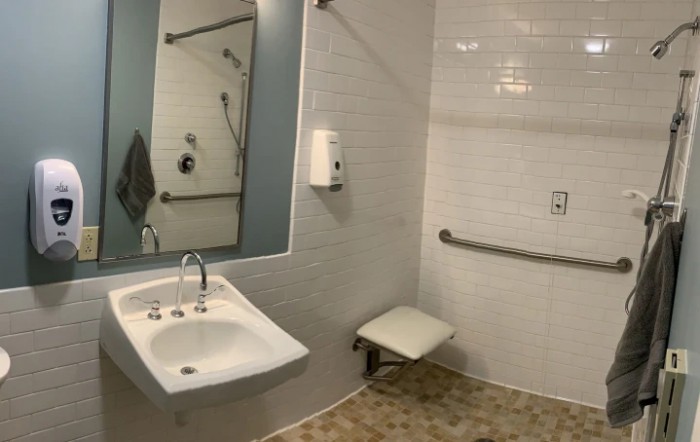
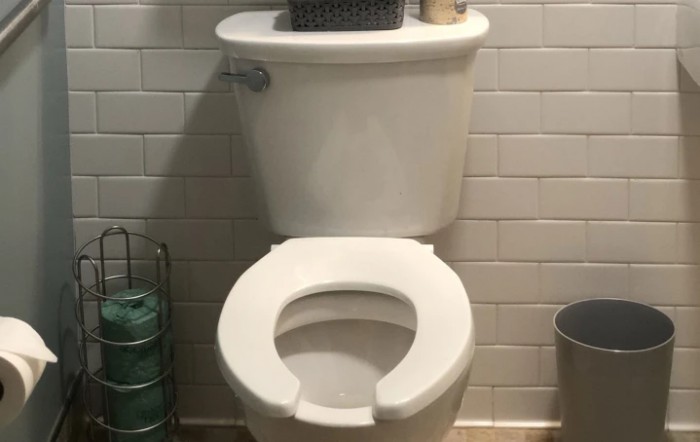
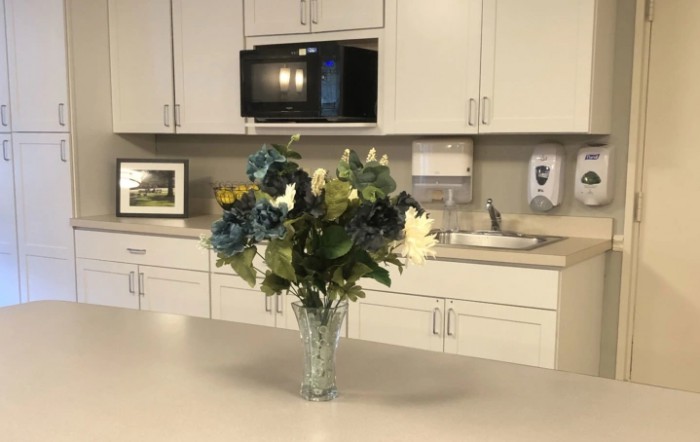
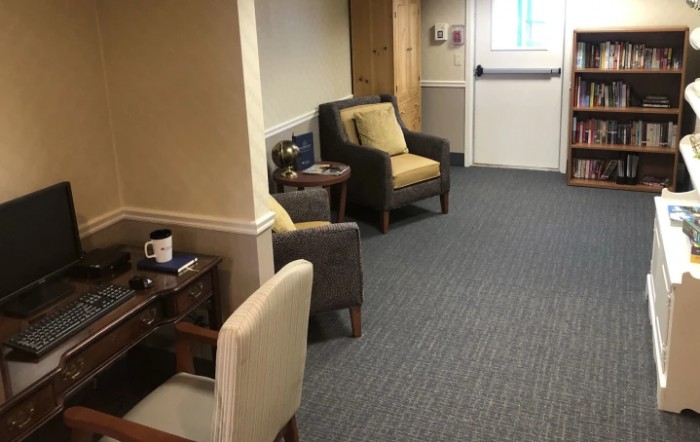
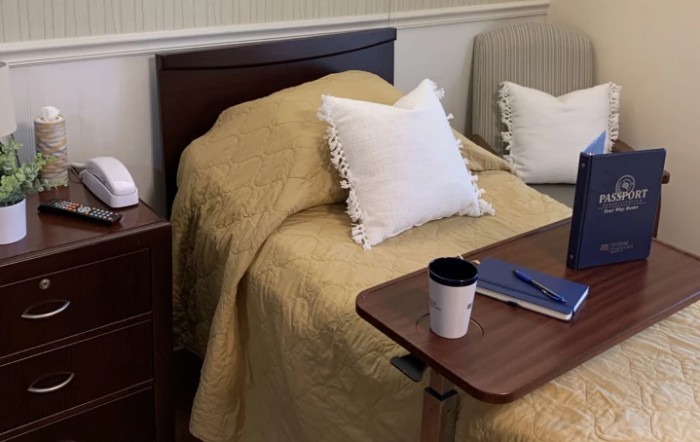
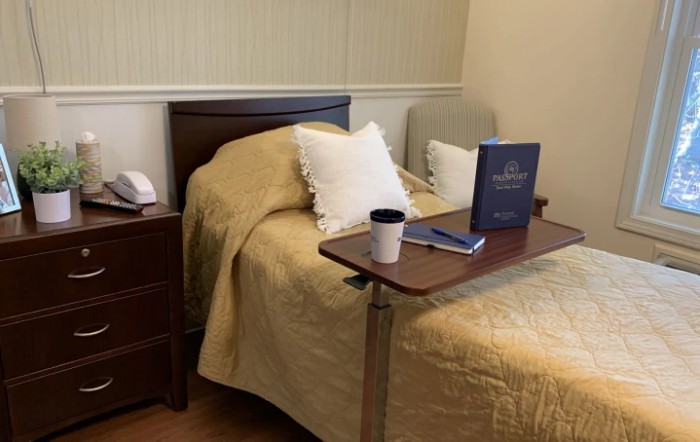
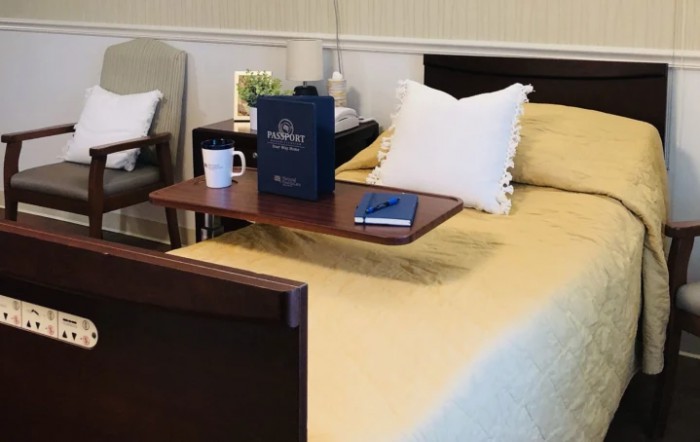
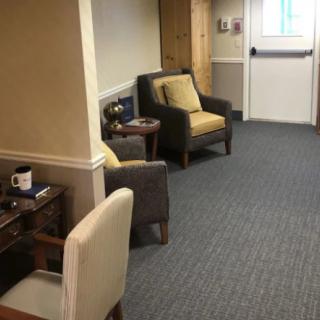
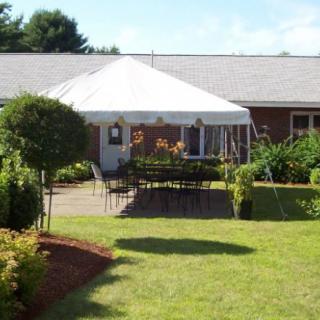
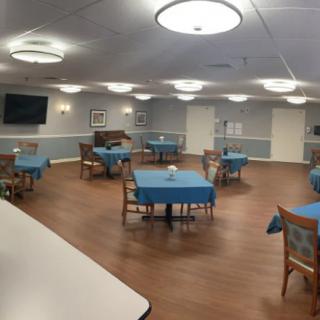
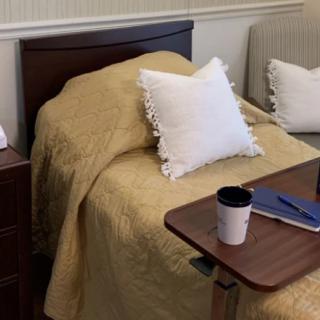
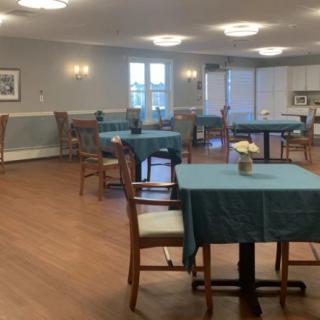
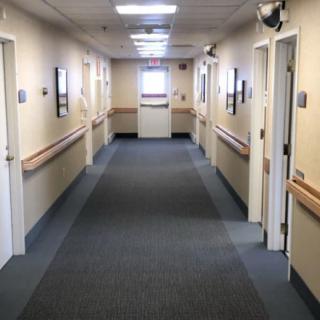
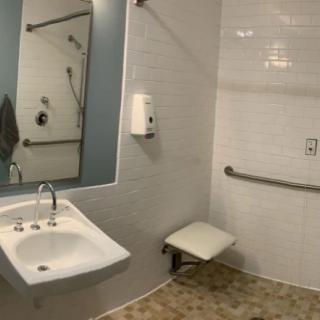
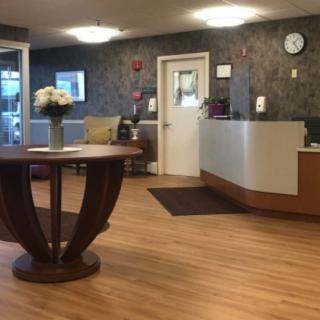
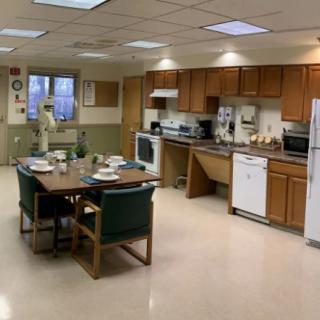
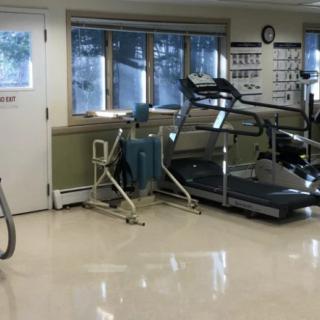
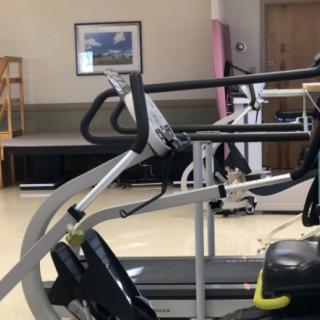
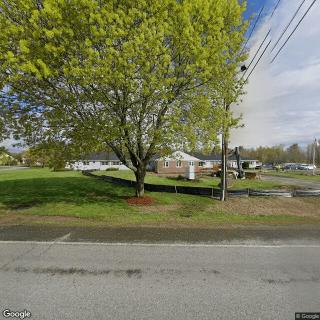
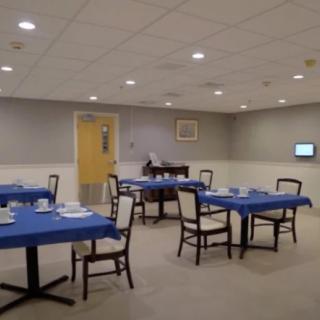
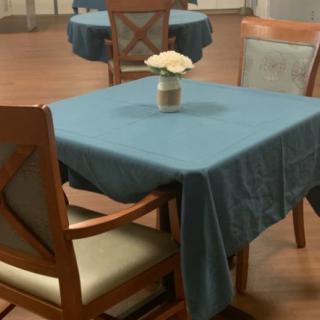
Brewer Rehab and Living Center on seniors.fyi includes 23 photos including images showing interior, dining, decor, bedroom, lighting, kitchen, bathroom, exercise equipment, and more.
Nearby Communities
Chamberlain I
Brewer, ME
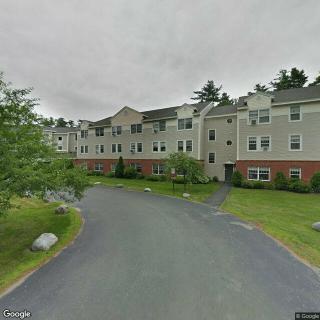
Fully furnished with dining, housekeeping, outdoor spaces, and coordinated care (medication, transportation, daily activities).
Woodlands Senior Living of Brewer
Brewer, ME
4.2 from 47 reviews
Well-maintained facility with experienced staff and a strong commitment to resident care.
Parkway South
Brewer, ME
Comprehensive care with 24/7 supervision, diabetes-friendly meals, medication management, and transportation to medical appointments.
Ellen M. Leach Memorial Home
Brewer, ME
4.6 from 34 reviews
$2,241 to $2,688 / month
Clean, welcoming environment with engaging activities and included nursing services; affordable pricing.
Park Avenue
Brewer, ME
Comprehensive assisted living with 24/7 supervision, daily living assistance, meals, housekeeping, and transportation support.
Sirjas
Brewer, ME
5 from 2 reviews
On-site activities and meals with strong access to nearby healthcare and services.
The Country Villa
Bangor, ME
4.5 from 26 reviews
$2,700 to $6,175 / month
Warm, homelike atmosphere with dedicated staff and engaging activities.
Longfellow Heights
Orono, ME
Spiritual support with off-site devotional activities and inviting indoor common areas.
Orono Commons
Orono, ME
4.1 from 120 reviews
$4,650 to $5,250 / month
Caring staff in a clean, welcoming environment with engaging activities.
Dementia, primarily caused by Alzheimer's disease but also linked to other conditions, leads to cognitive decline impacting memory and daily functioning, with individuals experiencing varied awareness of their impairments. Despite memory loss, emotional connections persist, enabling responses to familiar stimuli, highlighting the need for caregivers to provide compassionate support that recognizes both limitations and retained emotional depth.
The article presents five subtle indicators of dementia, such as memory lapses and mood swings, to help families assess cognitive decline in loved ones. It emphasizes early detection, open communication, and seeking professional help while providing practical support steps.
Dementia encompasses progressive neurological disorders that impair cognitive functions and can lead to paranoia due to cognitive decline and emotional changes. The article discusses the triggers of paranoia in dementia, caregiver strategies for managing it, and the importance of distinguishing between dementia-related paranoia and other psychiatric conditions.
Get PricingAsk A QuestionSchedule A TourContact Senior Advisor
By clicking submit, you agree to our Partner's Terms of Use. You
also consent to receive calls and texts, which may be autodialed, from our Partner. Your consent is not a condition to
using our Partner's service. Please visit our Partner's Privacy Policy for information about their privacy practices.







 Memory Care
 Skilled Nursing Facility
 Private
 Bangor International (4 miles away)
 Fully furnished with dining, housekeeping, outdoor spaces, and coordinated care (medication, transportation, daily activities).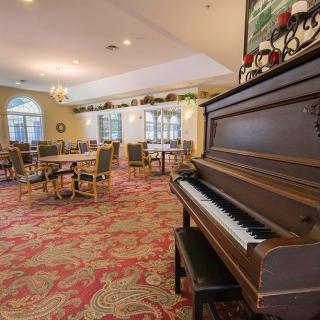

 Delving into the Inner World of Dementia: Insights into Thoughts and Awareness
 Five Subtle Dementia Indicators to Observe: An In-Depth Guide to Understanding “Does My Mom Have Dementia?”
 Dementia, Paranoia, and Caregiver Guidance: Understanding the Connection