For more information about senior living options: (866) 208-4318
3.5 from 92 reviews
5 stars
50
4 stars
10
3 stars
1
2 stars
2
1 stars
29
Lyndon Woods Care & Rehabilitation Costs & Pricing
At Lyndon Woods Care & Rehabilitation, the costs for various room types reflect a commitment to quality care and comfortable living environments. The monthly rates are set at $5,904 for a semi-private room, $6,483 for a private room, and $6,789 for a studio. When compared to the average costs in Jefferson County, which are notably lower at $4,048 for semi-private, $5,115 for private, and $3,476 for studios, Lyndon Woods positions itself as a premium option. This trend continues when considering state averages in Kentucky; all three room types at Lyndon Woods exceed state figures - $3,681 for semi-private rooms, $4,260 for privates, and $3,357 for studios - suggesting that residents may be paying a premium for enhanced services or amenities that contribute to their overall well-being and satisfaction.
Floor plans
Lyndon Woods Care & Rehabilitation
Jefferson County
Kentucky
Semi-Private
$5,904
$4,048
$3,681
Private
$6,483
$5,115
$4,260
Studio
$6,789
$3,476
$3,357
Skilled Nursing Facilities with a similar price nearby
Overall Review of Lyndon Woods Care & Rehabilitation
differentiator6 reviews mention this
Food and special diets stand out
Restaurant-style dining and diet support show up in both praise and complaints.
Several reviewers mention strong experiences with the dietary team, including specific meals and pride in meal quality. Others mention that food and diet support matter to them, like wanting diet soda alternatives or having special dietary needs handled appropriately. While some describe improvements in the dietary department, at least one reviewer says special dietary needs were not handled well.
common9 reviews mention this
Caring staff and communication
Many families describe attentive, compassionate care and clear communication.
A number of reviewers say caregivers were attentive and compassionate, and that communication during care made a difference for families. Multiple accounts describe being kept informed, including updates and ways to stay connected when families couldn’t be there. This theme is not universal, but the positive experiences are consistent across different residents and care periods described in reviews.
caveat14 reviews mention this
Hygiene and odor concerns recur
Residents and rooms are described as unsanitary, with strong urine or feces odors appearing in complaints.
Many negative reviews focus on cleanliness problems, including descriptions of strong urine or feces odors and rooms not being properly maintained. Several reviewers also describe neglect-like situations, such as residents left soiled, not changed, or not bathed as expected. A few accounts connect these hygiene issues with wider concerns about care quality and safety.
caveat4 reviews mention this
Hard to reach staff
Some families report difficulty getting updates or help by phone or call system.
Several reviewers say they struggled to reach staff for updates, whether by phone or when seeking help during the day. In some accounts, families describe being unable to get timely responses or getting incomplete information. This appears alongside other complaints in reviews, making responsiveness a recurring concern for some residents.
How we summarize
Counts show how many written reviews mention each theme; a review can touch several themes, and only frequently mentioned themes are displayed.
Features
Housing
145 resident community capacity
Types of Care
Memory Care
Skilled Nursing Facility
Amenities
Air-conditioning
Beauty salon
Cable or satellite TV
Computer center
Dining room
Fitness room
Fully furnished
Gaming room
Garden
Housekeeping services
Kitchenette
Move-in coordination
Outdoor space
Private
Private bathrooms
Restaurant-style dining
Small library
Telephone
Wellness center
Wi-Fi/high-speed internet available
Transportation
Louisville International-Standiford (9 miles away)
Community operated transportation
Transportation arrangement
Transportation arrangement (non-medical)
Transportation to doctors appointments
Care Services
12-16 hour nursing
24-hour call system
24-hour supervision
Activities of daily living assistance
Assistance with bathing
Assistance with dressing
Assistance with transfers
Diabetes diet
Meal preparation and service
Medication management
Mental wellness program
Special dietary restrictions
Dining
Diabetes diet
Special dietary restrictions
Activities
Community-sponsored activities
Concierge services
Fitness programs
Planned day trips
Resident-run activities
Scheduled daily activities
Videos
Nearby Places of Interest
This part of Louisville, Kentucky offers a variety of amenities and conveniences that may be appealing for senior living. With multiple restaurants nearby such as Taco Bell, Chick-Fil-A, and The Cheesecake Factory, seniors can enjoy dining out without having to travel far. There are also several pharmacies in the area including Walgreens and CVS Pharmacy for easy access to medications and healthcare needs. Additionally, there are several physicians' offices and hospitals within a few miles, providing convenient healthcare options for seniors. Parks like Community Park and E.P. Tom Sawyer State Park offer opportunities for outdoor recreation and relaxation. And for entertainment, there are theaters such as Cinemark Mall St Matthews and XD nearby. Overall, this area provides a range of services and activities that could contribute to a comfortable and fulfilling senior living experience.
Restaurants
Taco Bell (0.4 miles)
Joe’s Older Than Dirt (0.6 miles)
Chick-Fil-A (1.1 miles)
BJ's Restaurant & Brewhouse (1.3 miles)
The Cheesecake Factory (1.4 miles)
Taco Bell (1.5 miles)
Dave & Buster's (1.5 miles)
Places of Worship
Lyndon Baptist Church (0.6 miles)
Holy Trinity Catholic Church (2.4 miles)
St Martha Parish (4.7 miles)
Pharmacies
Walgreens (0.7 miles)
CVS Pharmacy (1.6 miles)
Walgreens (1.8 miles)
Walgreens (1.9 miles)
Walgreens (2.2 miles)
Walgreens (2.5 miles)
CVS Pharmacy (2.9 miles)
Physicians
The Stewart Building (0.8 miles)
Integrative Hormone Specialists (1 miles)
Brownsboro Dermatology (1.5 miles)
Commonwealth Oral and Maxillofacial Surgery (1.7 miles)
East Louisville Pediatrics (2 miles)
Norton Community Medical Associates (2.2 miles)
Dr. M. Dathan Chesnut, MD (2.3 miles)
Parks
Community Park (1.2 miles)
Des Pres Park (3.1 miles)
E.P. Tom Sawyer State Park (3.2 miles)
Cherokee Park (4.7 miles)
Theaters
Cinemark Mall St Matthews and XD (1.6 miles)
Cinemark Tinseltown USA and XD (3.7 miles)
Hospitals
Signature Care and Rehabilitation-Northfield (1.8 miles)
Baptist Hospital East Park Tower (2.5 miles)
Baptist Hospital East Surgery (2.5 miles)
Baptist Health Louisville (2.6 miles)
Baptist Health Louisville Labor & Delivery (2.6 miles)
At Lyndon Woods Care & Rehabilitation, the costs for various room types reflect a commitment to quality care and comfortable living environments. The monthly rates are set at $5,904 for a semi-private room, $6,483 for a private room, and $6,789 for a studio. When compared to the average costs in Jefferson County, which are notably lower at $4,048 for semi-private, $5,115 for private, and $3,476 for studios, Lyndon Woods positions itself as a premium option. This trend continues when considering state averages in Kentucky; all three room types at Lyndon Woods exceed state figures - $3,681 for semi-private rooms, $4,260 for privates, and $3,357 for studios - suggesting that residents may be paying a premium for enhanced services or amenities that contribute to their overall well-being and satisfaction.
Lyndon Woods Care & Rehabilitation offers a comprehensive range of features that are essential for supporting residents with dementia or Alzheimer's disease. Assistance with dressing and bathing ensures that personal hygiene and appearance are maintained, which can significantly boost residents' self-esteem and dignity. Medication management is crucial for adhering to treatment plans, helping to mitigate confusion about dosages and schedules. Meal preparation and service cater to individual dietary needs while creating a pleasant mealtime experience, which is vital for nutritional health. Activities of daily living assistance promotes independence in daily tasks, fostering a sense of accomplishment. Assistance with transfers enhances mobility and prevents falls, ensuring safety throughout the facility. With 24-hour supervision, residents receive constant care and support, which is particularly reassuring for families. Finally, the mental wellness program engages residents cognitively and emotionally, promoting social interaction and mental stimulation vital for overall well-being in those facing cognitive decline.
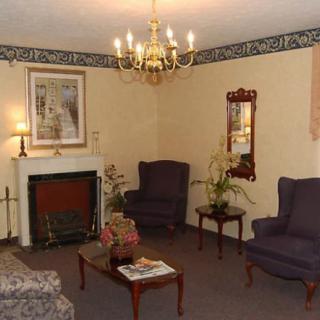
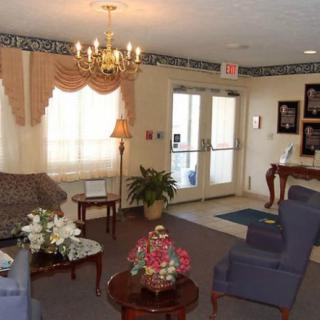
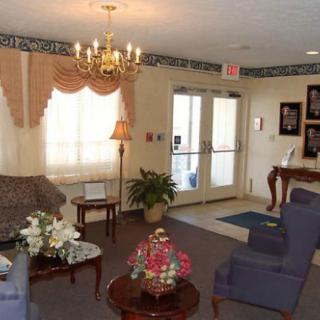
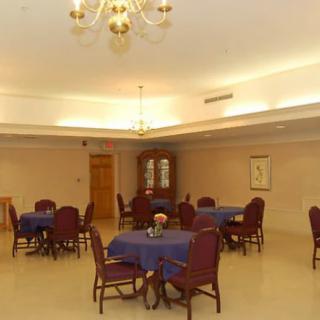
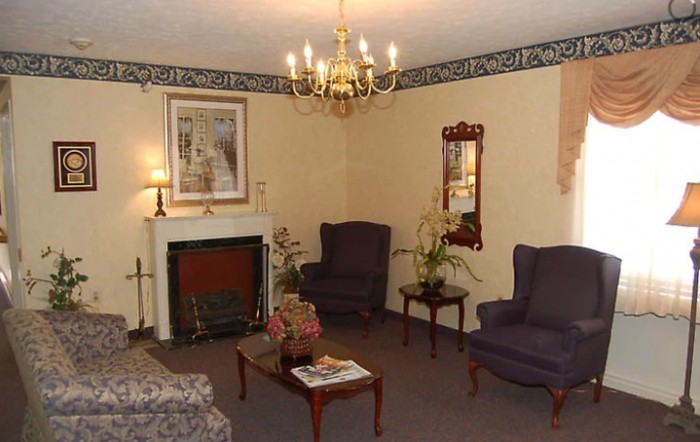
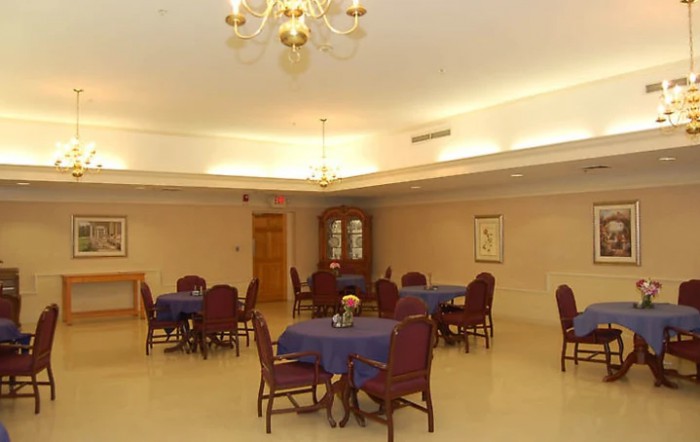
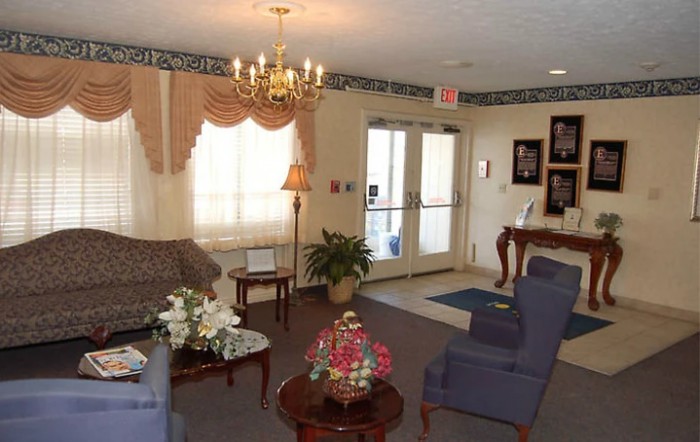
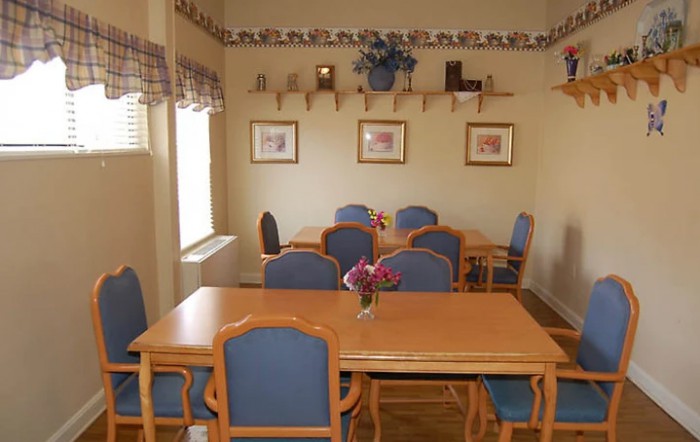
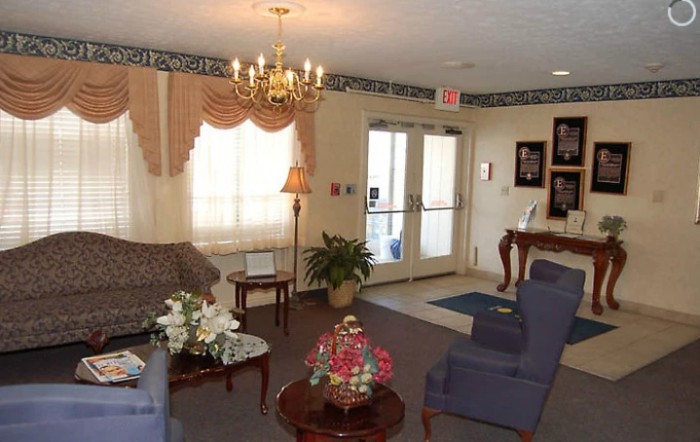
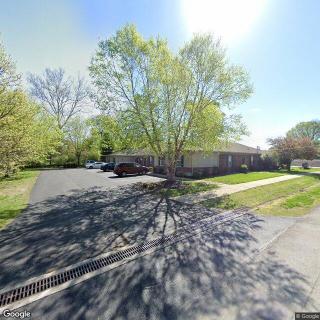
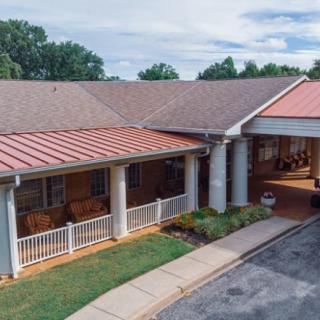
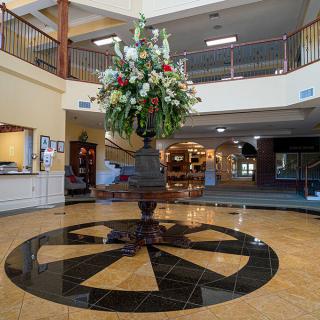
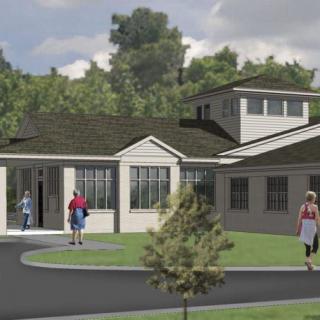
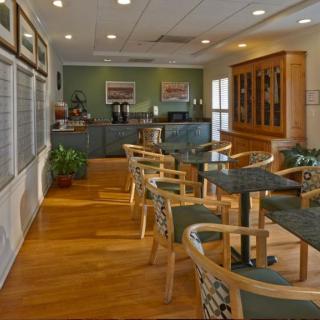
Lyndon Woods Care & Rehabilitation on seniors.fyi includes 6 photos including images showing interior, chandelier, dining, living room, decor, indoor plants, fireplace, and more.
Nearby Communities
Episcopal Church Home Louisville
Louisville, KY
3.8 from 37 reviews
Caring, responsive staff with diverse activities.
Everlan of Louisville
Louisville, KY
4.8 from 44 reviews
$3,100 to $4,450 / month
Friendly, attentive staff in a welcoming, activity-rich community with good dining.
Beehive Home of Lyndon
Lyndon, KY
4.6 from 23 reviews
$3,195 / month
Warm, welcoming atmosphere with attentive staff and engaging activities; smaller, home-like setting.
Signature Healthcare At Jefferson Place Rehab & Wellness
Louisville, KY
4.1 from 135 reviews
Home-like setting with extensive amenities and activities.
Signature Healthcare At Jefferson Manor
Louisville, KY
4.3 from 104 reviews
Nice area with a clean environment, modern furnishings, and compassionate, well-regarded staff.
Magnolia Springs Louisville
Louisville, KY
4.9 from 126 reviews
$3,595 to $7,895 / month
Friendly, attentive staff in a clean, hotel-like setting with varied activities.
Dominion Senior Living of Louisville
Louisville, KY
4.4 from 91 reviews
$3,500 to $5,350 / month
Caring, friendly staff with engaging activities and on-site therapy in a clean, inviting environment.
Belmont Village Senior Living St. Matthews
Louisville, KY
4.4 from 148 reviews
$4,190 to $7,250 / month
Strong activity programming and memory care with friendly staff.
The Barton House of Louisville
Louisville, KY
4.6 from 20 reviews
$5,450 / month
Excellent staff, engaging activities, and well-kept facilities with quality dining.
Medicaid coverage for assisted living varies by state and is primarily available to low-income individuals, with eligibility dependent on strict income and asset limits. Some states offer HCBS waivers for specific services in assisted living, but families must generally cover room and board costs, and should verify facility acceptance of Medicaid while considering potential waiting lists.
Medicaid waivers for assisted living services provide vital support for seniors and individuals with disabilities in need of long-term care, with varying state-specific eligibility criteria and benefits. These waivers cover personal care and case management but often do not fully cover room and board, leading to waiting lists for many applicants.
The article compares assisted living and skilled nursing facilities, detailing their differing levels of assistance, medical support, cost structures, and day-to-day experiences. It emphasizes that assisted living is for those needing help with daily activities while maintaining independence, whereas skilled nursing facilities provide intensive medical care with 24-hour staff supervision.
Get PricingAsk A QuestionSchedule A TourContact Senior Advisor
By clicking submit, you agree to our Partner's Terms of Use. You
also consent to receive calls and texts, which may be autodialed, from our Partner. Your consent is not a condition to
using our Partner's service. Please visit our Partner's Privacy Policy for information about their privacy practices.

 145 resident community capacity
 Memory Care
 Skilled Nursing Facility
 Air-conditioning
 Beauty salon
 Cable or satellite TV
 Computer center
 Dining room
 Fitness room
 Fully furnished
 Gaming room
 Garden
 Housekeeping services
 Kitchenette
 Move-in coordination
 Outdoor space
 Private
 Private bathrooms
 Restaurant-style dining
 Small library
 Telephone
 Wellness center
 Wi-Fi/high-speed internet available
 Louisville International-Standiford (9 miles away)
 Community operated transportation
 12-16 hour nursing
 24-hour call system
 Activities of daily living assistance
 Assistance with bathing
 Assistance with dressing
 Assistance with transfers
 Diabetes diet
 Medication management
 Mental wellness program
 Special dietary restrictions
 Concierge services
 Planned day trips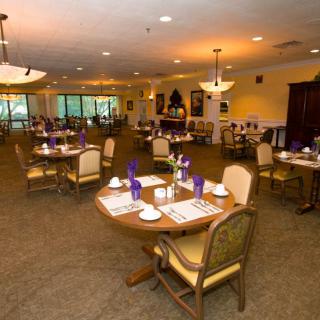
 Caring, responsive staff with diverse activities.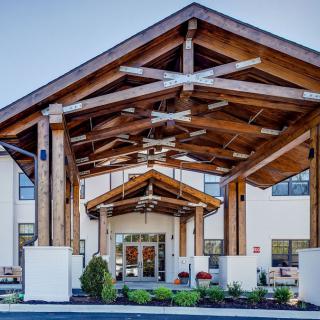
 How and When Medicaid May Cover Assisted Living Costs
 A Detailed Exploration of Assisted Living Medicaid Waivers Across the United States
 Exploring the Contrasts Between Assisted Living and Skilled Nursing