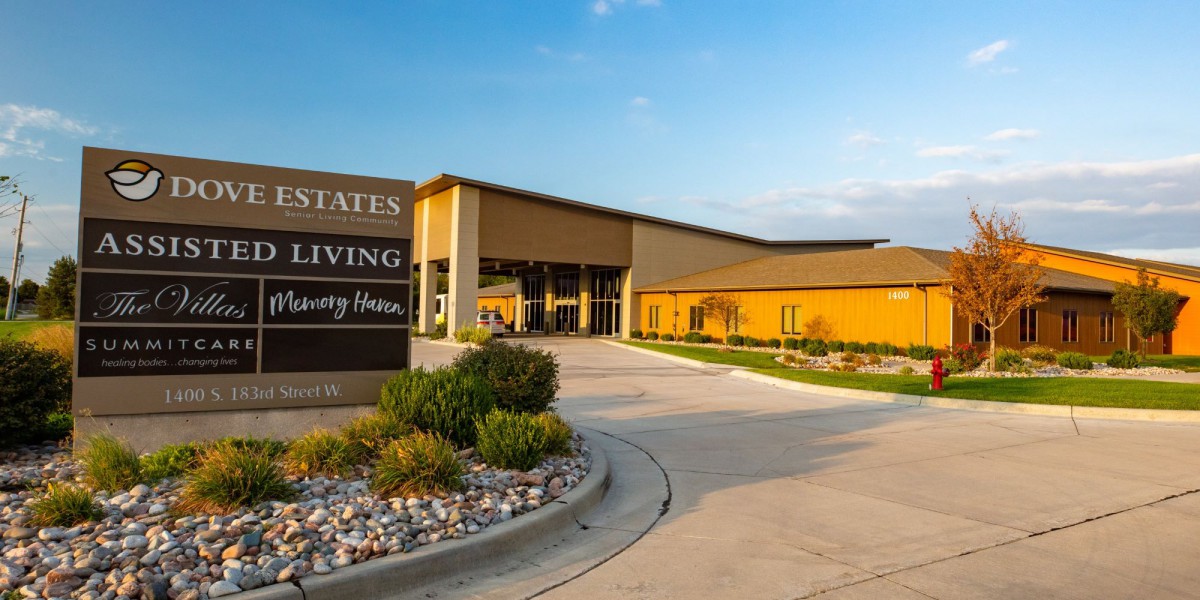


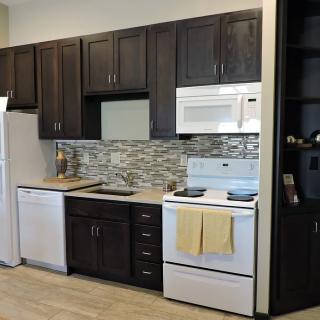
1400 South 183Rd West, Goddard, KS 67052
For more information about senior living options: (866) 208-4318
Overall Review of Dove Estates Senior Living Community
Pros
 During Covid, Memory-haven's measures have kept the mother healthy.
- The mother expresses gratitude for the staff's care.
- It is a team effort between staff and family to support her during restrictions on in-person visits.
- The facility is very nice, though pricey.
Cons
 They say the nurses who assessed their mom were rude and unfriendly.
- They felt staff had already decided their parents would not be allowed to live in the facility.
- They found the admission denial excuse ridiculous and nonsensical.
- They noted the staff did not tell their parents over the phone that they were declined.
- They had to learn of the decision from a third party.
- They believe the facility does not care about its residents.
- They feel for what you pay, exceptional care is not delivered.
- They call it the worst place for elderly in Sedgwick county.
- They warn others to do their research and go elsewhere.
Review
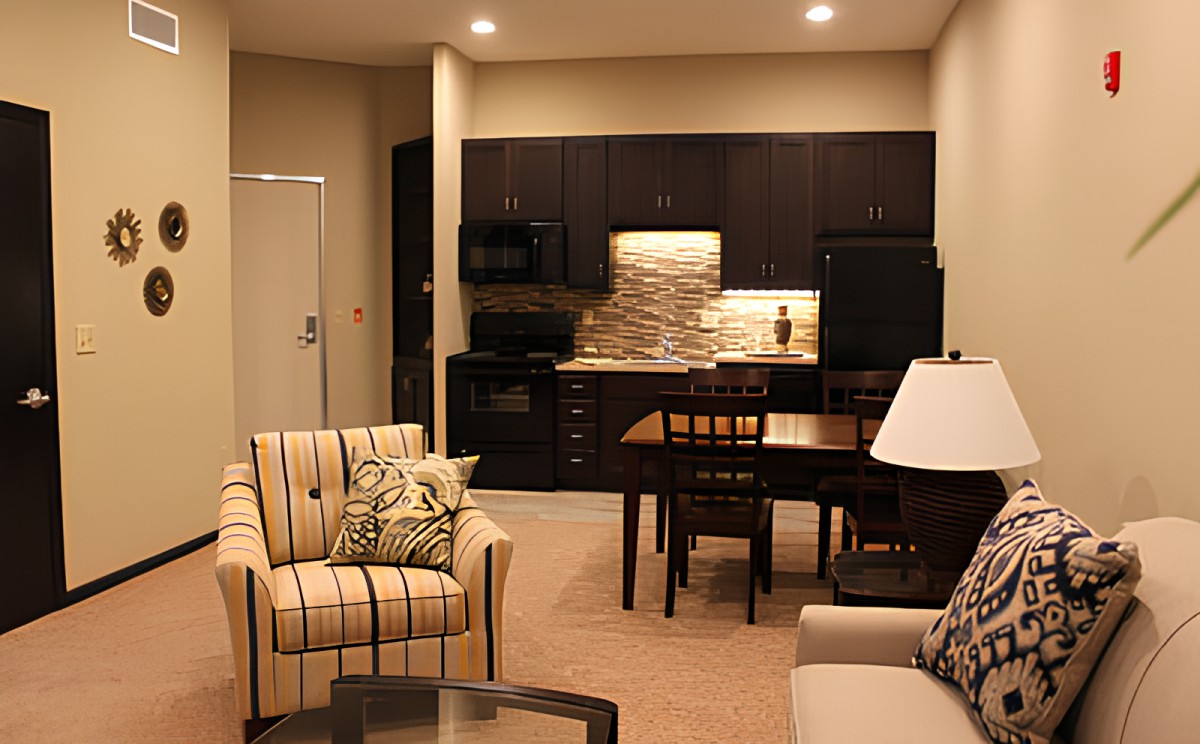
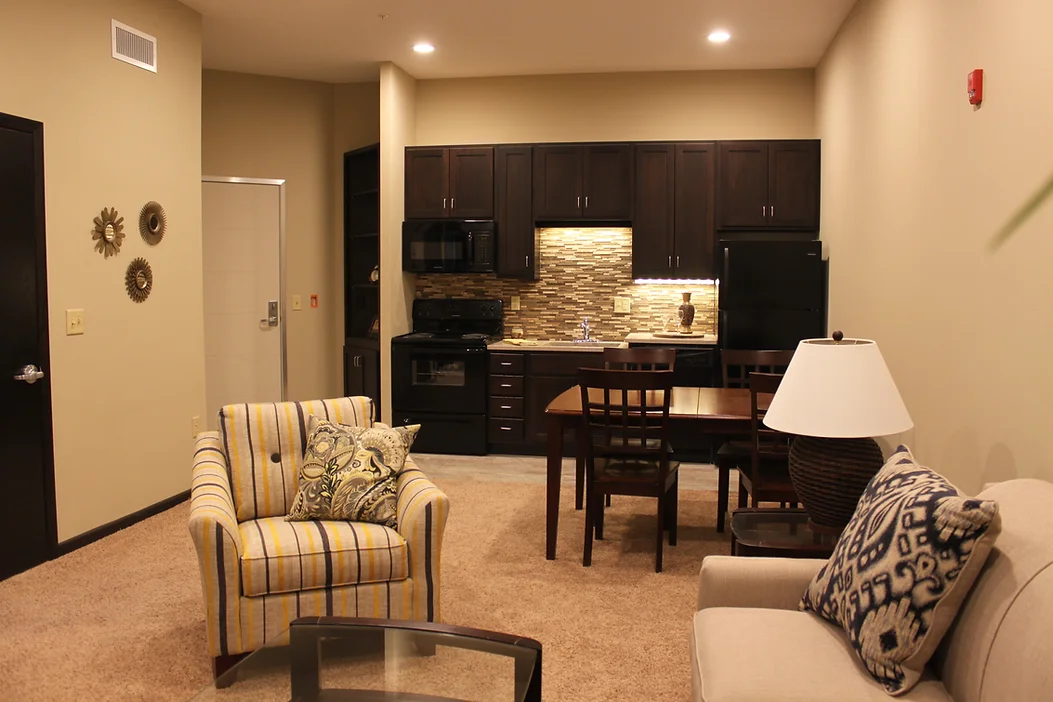
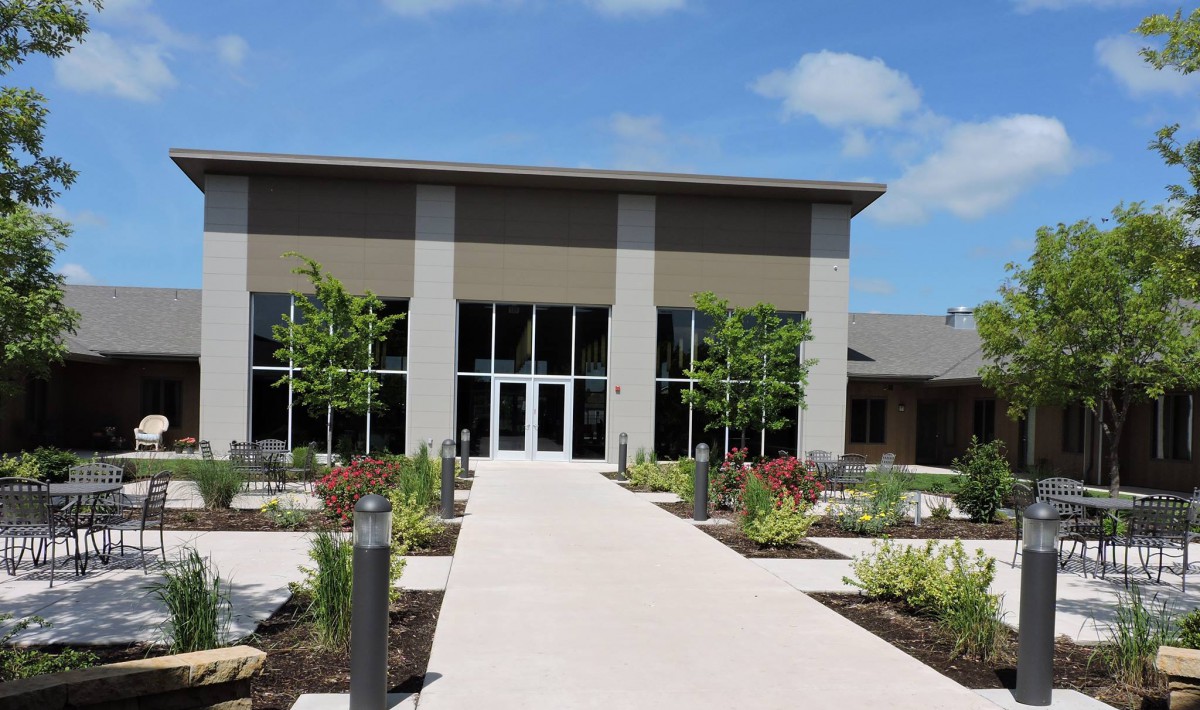
Dove Estates Senior Living Community in Goddard, Kansas is best suited for families that prize a polished, aesthetically inviting setting and are prepared to take an active, ongoing role in overseeing care. The property presents as upscale and comfortable, with a vibe that can feel reassuring to a loved one who values a dignified, homelike environment. Yet the strongest the reviews reveal is not merely the décor but the hard reality of how care and admissions are handled. The right match appears to be families willing to advocate diligently, ask pointed questions, and push for transparency to ensure the promised level of care matches the actual experience.
That said, alternatives deserve serious consideration for several profiles. Seniors who require consistently high-touch, compassionate daily care and reliable responsiveness will likely find more dependable fit elsewhere. Families on tight budgets or those who anticipate frequent need for prompt, respectful communication will also want to compare options. The pattern across many accounts is that admission decisions and ongoing responsiveness can feel opaque or inconsistent, so a cautious buyer should weigh whether a less expensive or more consistently well-regarded community might deliver steadier care and clearer communications.
The strongest pros here are the visible amenities and the overall atmosphere, which some residents may value as a foundation for a comfortable transition into assisted living. The environment can feel welcoming, and for households willing to pay a premium, there is a sense of pride in the property that can support a positive daily routine. However, these benefits do not automatically translate into reliable, person-centered care. In other words, the facility may look appealing on the surface while the lived experience, especially around staff behavior and care responsiveness, lags behind expectations. For decision-makers, aesthetics alone cannot justify the investment without confidence in daily care quality.
The most troubling patterns emerge in the core interactions with staff and the admissions process. Several accounts describe nurses who were rude or dismissive, implying preconceptions about whether a resident would thrive in the community. Admissions decisions are sometimes conveyed poorly or not at all in a timely fashion, leaving families to hear back from third parties rather than directly from the facility. Others characterize management as disengaged, with a willingness to “find an excuse” to avoid or remove residents rather than address concerns. Taken together, these reports paint a picture of a facility where care leadership is not consistently responsive to resident and family needs, and where the reputational damage could be immediate if families rely on routine reassurance rather than proactive communication.
One favorable thread, though isolated, notes that the place can be “pricey, but very nice,” and that some caregivers collaborate with families to support the resident’s well-being. That lone positive underscore suggests a spectrum: when care is aligned with expectations and staff engagement is thoughtful, the environment can feel worthwhile. For households weighing Dove Estates, this means the decision hinges on how strongly one values the combination of a refined setting and the willingness to supervise care closely. If the priority is a flawless admissions experience and consistently warm, attentive care, this community demands thorough validation rather than assumption.
For those moving forward, a disciplined, strategic decision process is essential. Begin with a shadow tour focused on staff-resident interactions, not only common areas. Request to meet the care director and frontline supervisors, and insist on speaking with direct caregivers about daily routines, response times, and escalation protocols. Demand current sample care plans, clearly outlined costs, and a written policy for resident admissions and bed holds. Contact state licensing or the ombudsman to review any formal complaints and resolutions. Finally, talk to multiple current residents or families about day-to-day experiences, and compare Dove Estates against several nearby options to determine whether a better balance of care quality, communication, and cost can be achieved.
In the end, Dove Estates should be approached as a potential option only for families willing to assume an assertive role in oversight and who prioritize a refined setting above all else, while accepting the real possibility of inconsistent care and admissions friction. For many, alternatives with stronger consistency, more transparent processes, and demonstrably steady resident satisfaction will deliver greater peace of mind. The prudent course is to verify, compare, and, if possible, gather independent references before committing, ensuring the chosen community aligns with both care needs and family expectations.
 80 resident community capacity
 Memory Care
 Air-conditioning
 Beauty salon
 Cable or satellite TV
 Computer center
 Dining room
 Fitness room
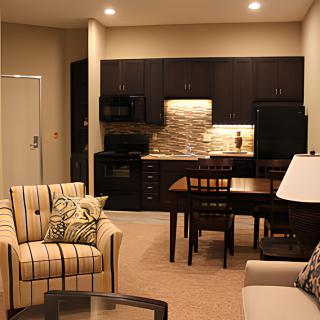
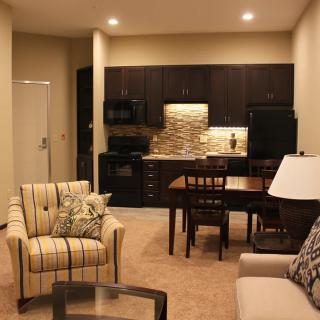
 Fully furnished
 Gaming room
 Garden
 Housekeeping services
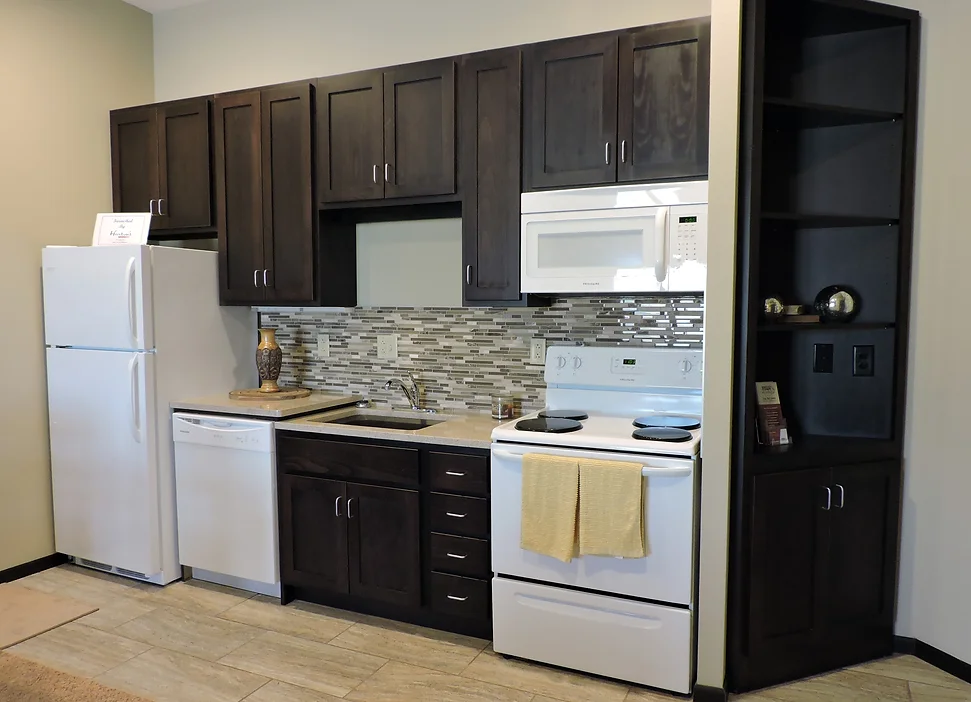
 Kitchenette
 Move-in coordination
 Outdoor space
 Private bathrooms
 Restaurant-style dining
 Small library
 Telephone
 Wellness center
 Wi-Fi/high-speed internet available
 Wichita Mid-Continent (7 miles away)
 Community operated transportation
 24-hour call system
 Activities of daily living assistance
 Assistance with bathing
 Assistance with dressing
 Assistance with transfers
 Diabetes diet
 Medication management
 Mental wellness program
 Special dietary restrictions
 Concierge services
 Planned day trips


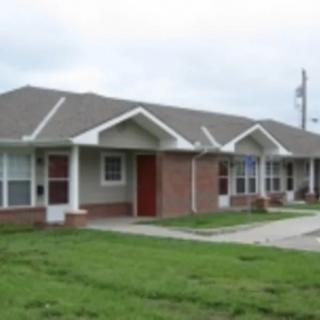
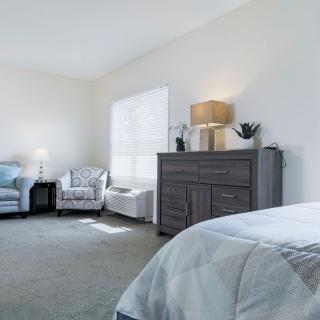


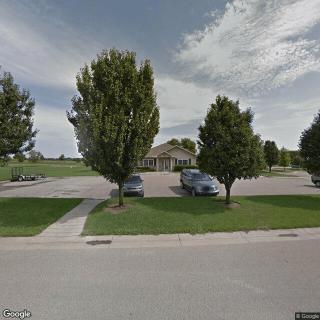

 Why Do Dementia Patients Sleep So Much? Understanding Oversleeping, Stages, and Care Approaches
 8 Key Indicators That Suggest It May Be Time to Transition from Assisted Living to Skilled Nursing Care
 Nourishing the Mind: Essential Dietary Approaches for Dementia