For more information about senior living options: (866) 208-4318
4.4 from 47 reviews
5 stars
36
4 stars
4
3 stars
2
2 stars
1
1 stars
4
Walnut Creek Alzheimer's Special Care Center Costs & Pricing
The Walnut Creek Alzheimer's Special Care Center reflects a premium pricing structure when compared to both Vanderburgh County and the broader state of Indiana. For those seeking semi-private accommodations, residents can expect a monthly cost of $5,870, which significantly exceeds the average costs in Vanderburgh County at $3,578 and the statewide average of $3,739. The center's studio rooms command an even higher rate of $6,545, juxtaposed against county and state averages of $3,571 and $3,258 respectively. This notable difference suggests that Walnut Creek may offer enhanced services or specialized care tailored for individuals with Alzheimer's disease, catering to families looking for exceptional support in a dedicated environment.
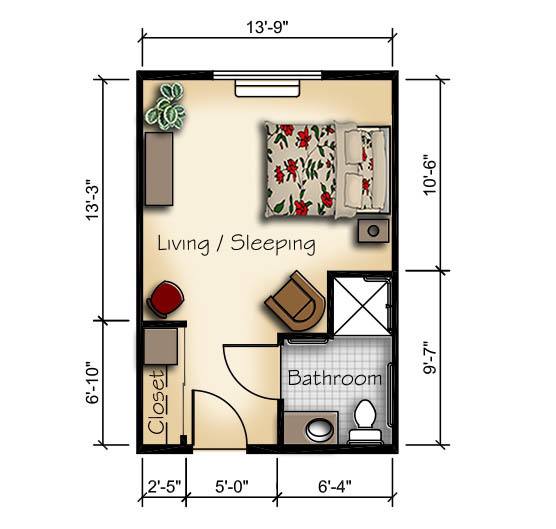
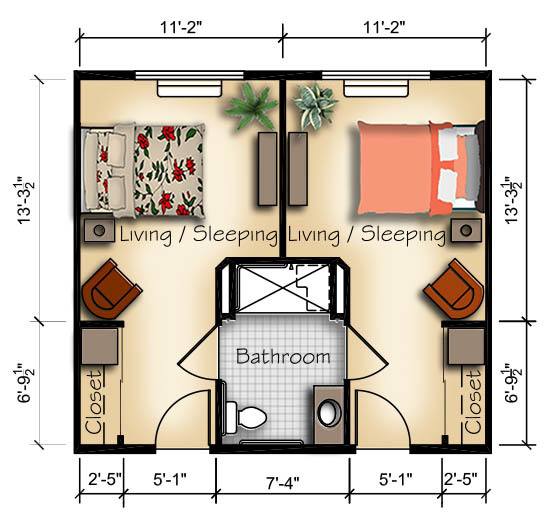
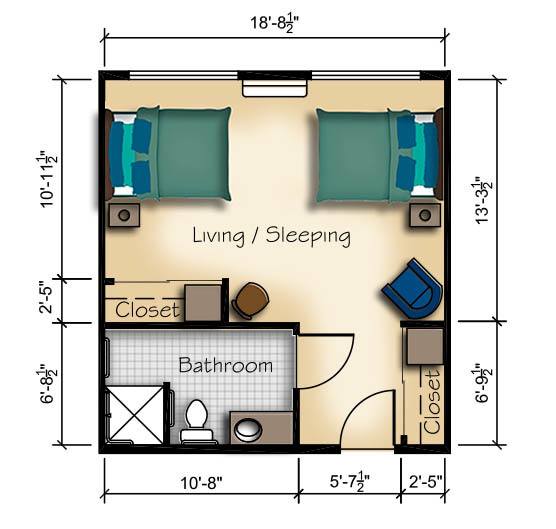
Floor plans
Walnut Creek Alzheimer's Special Care Center
Vanderburgh County
Indiana
Semi-Private
$5,870
$3,578
$3,739
Studio
$6,545
$3,571
$3,258
Memory care communities with a similar price nearby
Overall Review of Walnut Creek Alzheimer's Special Care Center
differentiator6 reviews mention this
Memory care focus is a draw
Residents and families point to a dedicated Alzheimer’s-focused approach.
Several reviewers specifically describe the community as specializing in memory care, and they say that focus helped them feel more confident as conditions changed. A few also mention the facility design and programming being created with dementia or Alzheimer’s in mind. In addition, residents are described as more engaged after moving in, which reviewers connect to that specialized approach.
common13 reviews mention this
Activities and engagement stand out
Daily engagement through activities is a recurring bright spot.
Reviews repeatedly describe strong participation in activities, including resident-centered groups and events. Families mention residents staying active and socializing, and some connect the move to improved engagement. Reviewers also describe specific activity types like crafts and games, plus time outdoors and spaces designed to support movement.
common7 reviews mention this
Food quality gets mixed mentions
Dining quality is an area residents mention often.
Some families praise the food as excellent, fresh, and chef-prepared, and they say residents enjoy meals. Others report dissatisfaction with food quality and describe problems with the dining experience. A common thread is that meals can matter a lot to day-to-day comfort, but experiences are not consistent across reviews.
caveat8 reviews mention this
Staffing and skilled care concerns
A recurring concern involves staffing levels and skilled-care expectations.
Several reviewers say the community can feel understaffed or stretched thin, even while describing individual staff members as caring. Others raise questions about skilled nursing availability and advise families to stay closely involved. There are also isolated reports of care gaps and communication issues, including medication concerns, delays in responding, and an incident involving a hearing aid not being replaced.
How we summarize
Counts show how many written reviews mention each theme; a review can touch several themes, and only frequently mentioned themes are displayed.
Features
Housing
66 resident community capacity
Types of Care
Memory Care
Respite Care
Amenities
Activities off-site
Activities on-site
Air-conditioning
Beautician on-site
Beauty salon
Cable or satellite TV
Computer center
Devotional services on-site
Dining room
Family overnight stay rooms
Fitness room
Fully furnished
Gaming room
Garden
Ground floor units
Housekeeping services
Indoor common areas
Kitchenette
Move-in coordination
Outdoor common areas
Outdoor patio
Outdoor space
Private bathrooms
Respite or short term stays offered
Restaurant-style dining
Small library
Telephone
Wellness center
Wheelchair accessible showers
Wi-Fi/high-speed internet available
Transportation
Evansville Regional (5 miles away)
Community operated transportation
Transportation arrangement
Transportation arrangement (non-medical)
Transportation to doctors appointments
Care Services
12-16 hour nursing
24-hour call system
24-hour supervision
Activities of daily living assistance
Assistance with bathing
Assistance with dressing
Assistance with transfers
Dementia waiver
Diabetes diet
Diabetic care
Incontinence care
Meal preparation and service
Medication management
Mental wellness program
Mild cognitive impairment
Special dietary restrictions
Specialized memory care programming
Dining
Anytime dining
Diabetes diet
Gluten-free
Guest meals
Kosher
Low / no sodium
Meals provided
No Sugar
Professional chef
Restaurant style dining
Special dietary restrictions
Vegan
Vegetarian
Activities
Activities on-site
Art classes
Community-sponsored activities
Concierge services
Cooking classes
Day trips and outings
Devotional activities on-site
Fitness programs
Gardening club
Live dance or theater performances
Live musical performances
Live well programs
Planned day trips
Resident-run activities
Scheduled daily activities
Stretching classes
Trivia games
Yoga / chair yoga
Videos
Nearby Places of Interest
Located in Evansville, Indiana, this area has a variety of amenities that cater to the needs of seniors. There are multiple physicians' offices nearby, including Hebron Pediatrics and Tri-State Dermatology & Skin Care, providing convenient access to medical care. In terms of dining options, there are family-friendly restaurants like Golden Corral and O'Charley's Restaurant + Bar within close proximity. For those who enjoy a good cup of coffee or a sweet treat, cafes such as Panera Bread and Parlor Doughnuts are also located nearby. Additionally, there are pharmacies like Walmart Pharmacy and CVS Pharmacy for easy access to medications. The presence of hospitals like Deaconess Infusion Center and St Mary's Womens Hospital ensures that medical assistance is readily available in case of emergencies. Overall, this neighborhood offers a range of services and facilities that make it an appealing choice for seniors looking to settle in a comfortable and convenient area in Evansville.
Physicians
Hebron Pediatrics (0.1 miles)
J. Michael Conkright, MD (0.1 miles)
Thomas S. Hastetter, MD (0.1 miles)
Tri-State Radiation Oncology Centers (0.5 miles)
Tri-State Orthopaedic Surgeons (0.5 miles)
Tri-State Dermatology & Skin Care (0.5 miles)
Evansville Cancer Center (0.5 miles)
Restaurants
Golden Corral (0.3 miles)
Jake's Wayback Burgers (0.4 miles)
O'Charley's Restaurant + Bar (0.4 miles)
Chick-Fil-A (0.4 miles)
Crazy Buffet Chinese Restaurant (0.4 miles)
Zaxby's (0.5 miles)
Sonic Drive-In (0.5 miles)
Pharmacies
Walmart Pharmacy (0.4 miles)
CVS Pharmacy (0.5 miles)
Hook's Apothecary (0.8 miles)
Ascension St. Vincent Pharmacy Epworth Crossing (1.4 miles)
CVS Pharmacy (1.8 miles)
CVS Pharmacy (1.9 miles)
Walgreens (2 miles)
Cafes
Panera Bread (0.6 miles)
Honey Moon Coffee Kitchen on Burkhardt (0.6 miles)
The Walnut Creek Alzheimer's Special Care Center reflects a premium pricing structure when compared to both Vanderburgh County and the broader state of Indiana. For those seeking semi-private accommodations, residents can expect a monthly cost of $5,870, which significantly exceeds the average costs in Vanderburgh County at $3,578 and the statewide average of $3,739. The center's studio rooms command an even higher rate of $6,545, juxtaposed against county and state averages of $3,571 and $3,258 respectively. This notable difference suggests that Walnut Creek may offer enhanced services or specialized care tailored for individuals with Alzheimer's disease, catering to families looking for exceptional support in a dedicated environment.
The 24-hour supervision at Walnut Creek Alzheimer's Special Care Center ensures that residents receive constant oversight, which is crucial for their safety and well-being, particularly for those who may wander or require immediate assistance. Activities of daily living assistance, including help with bathing, dressing, and transfers, enhances residents' dignity and comfort while addressing their evolving needs. The dementia waiver allows for personalized care plans tailored to individual capabilities and challenges, promoting optimal engagement in daily routines. Incontinence care is provided with sensitivity to maintain hygiene and personal dignity. Meal preparation and service are designed to meet nutritional requirements while considering preferences, supporting overall health. Medication management ensures that residents adhere to prescribed treatment regimens safely and effectively. The mental wellness program fosters cognitive engagement through stimulating activities tailored for varying levels of cognitive impairment. Lastly, specialized memory care programming incorporates evidence-based practices that create a structured environment conducive to maintaining skills and enhancing quality of life throughout all stages of dementia or Alzheimer's disease.
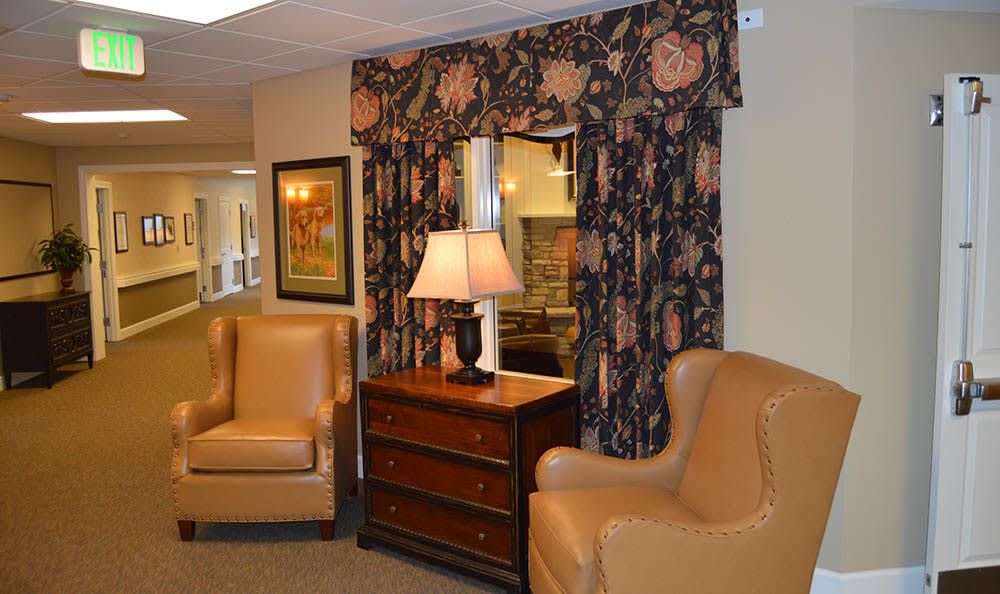
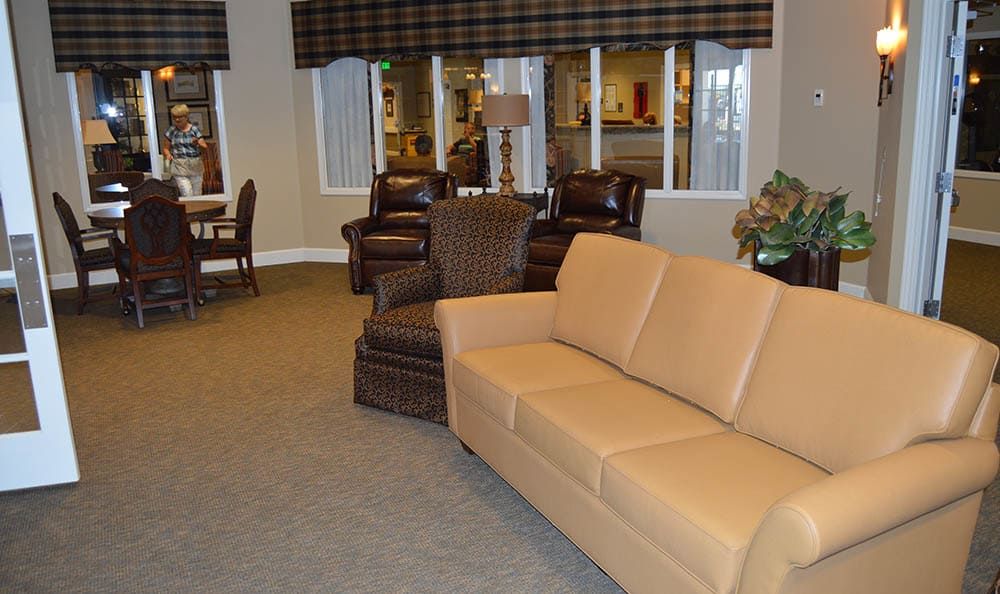
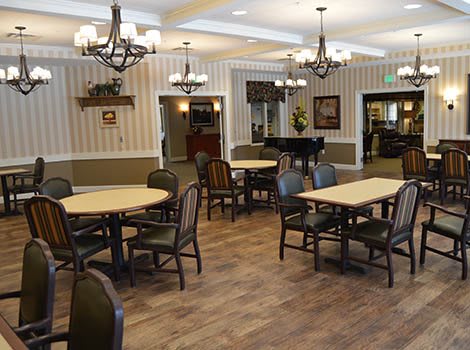
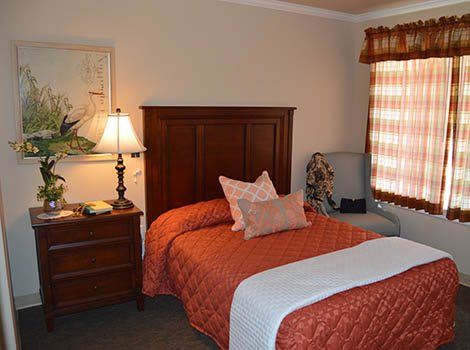
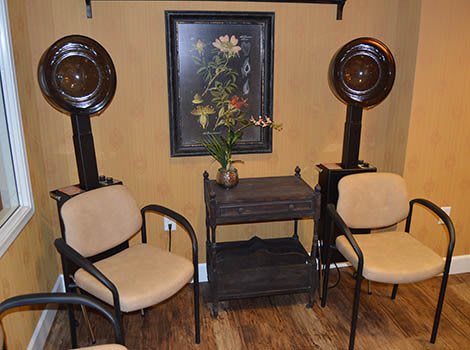
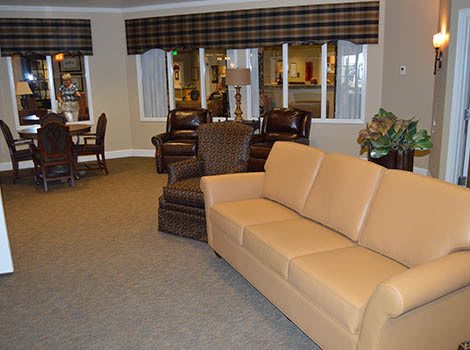
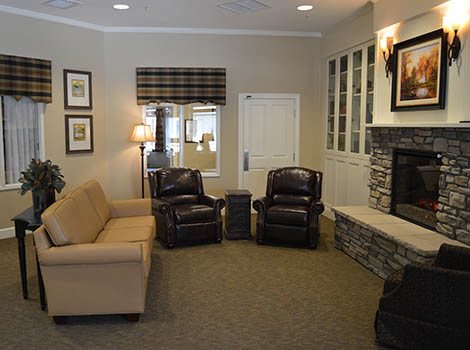
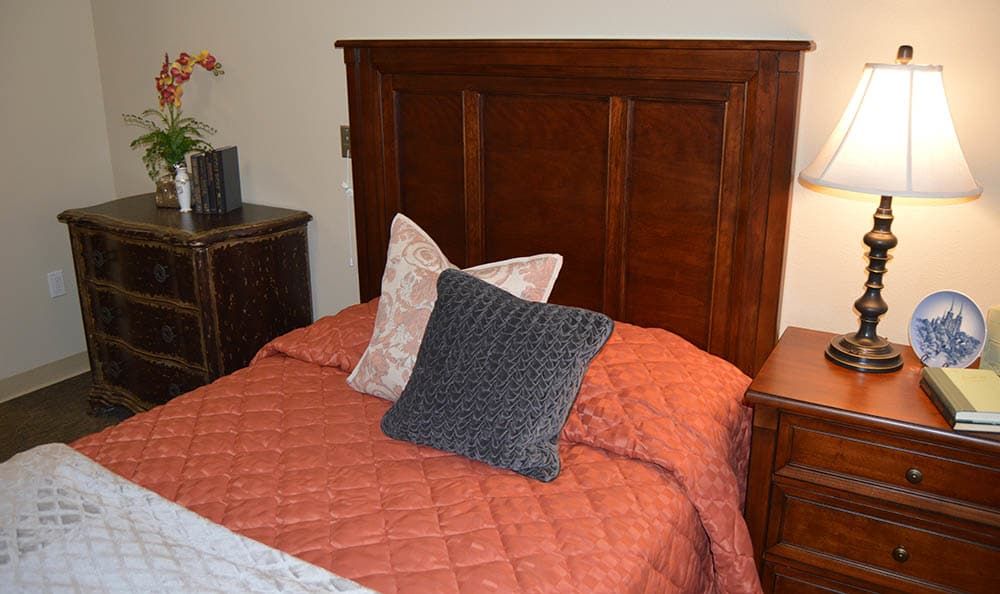
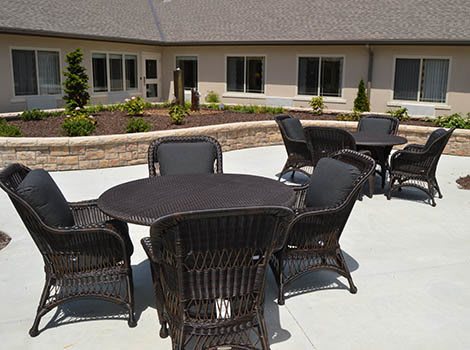
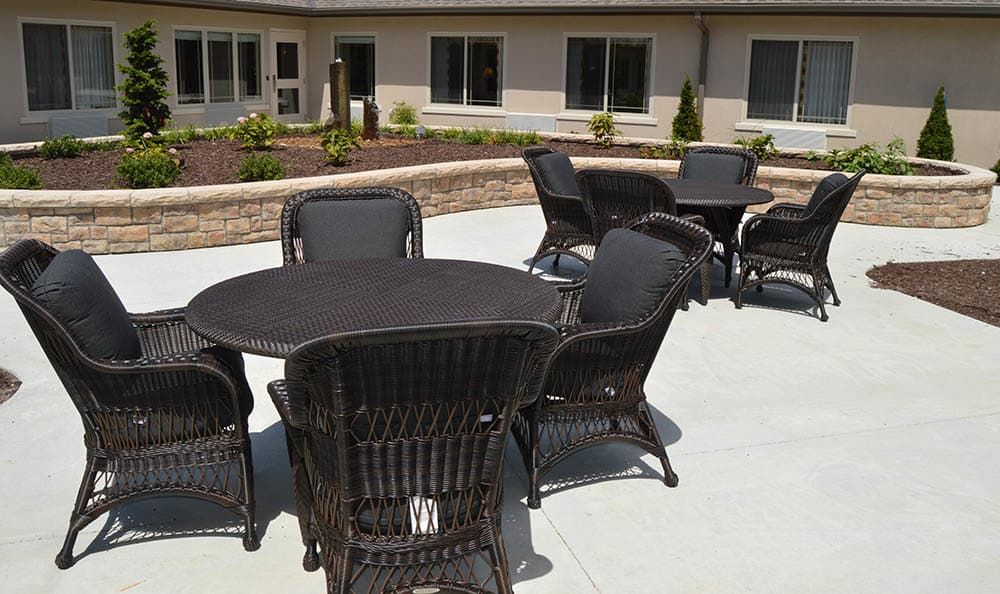
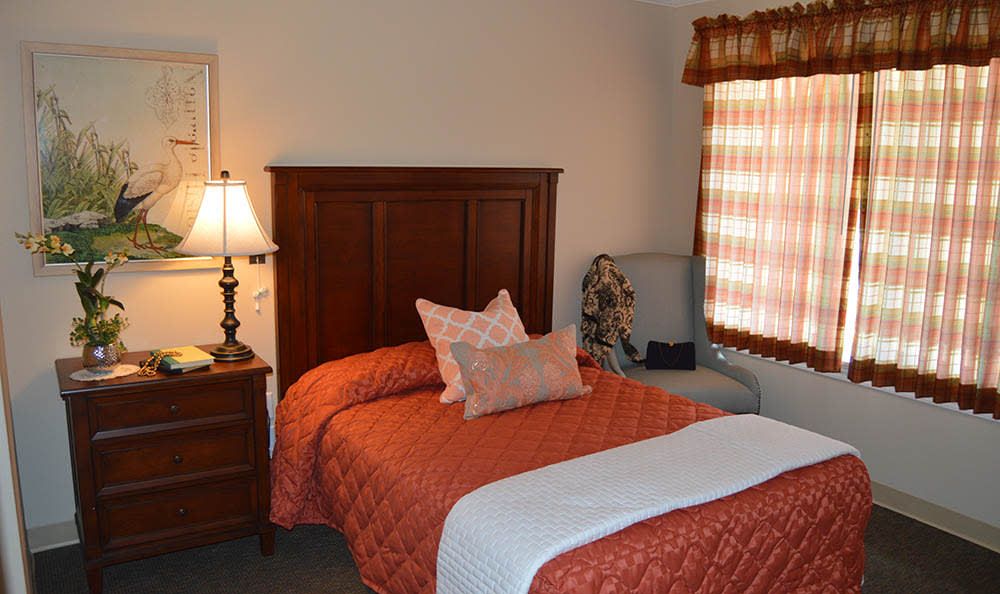
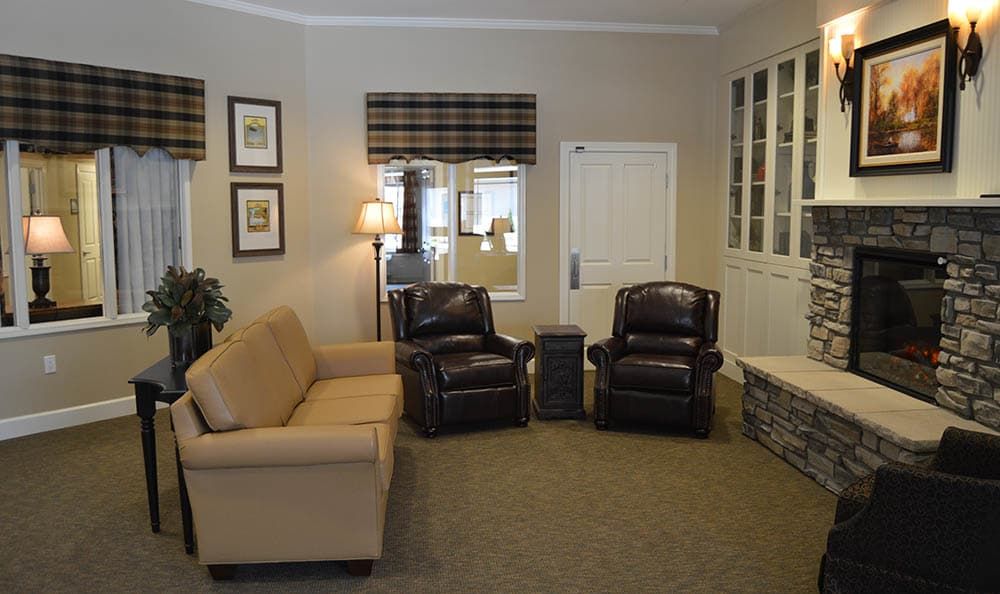
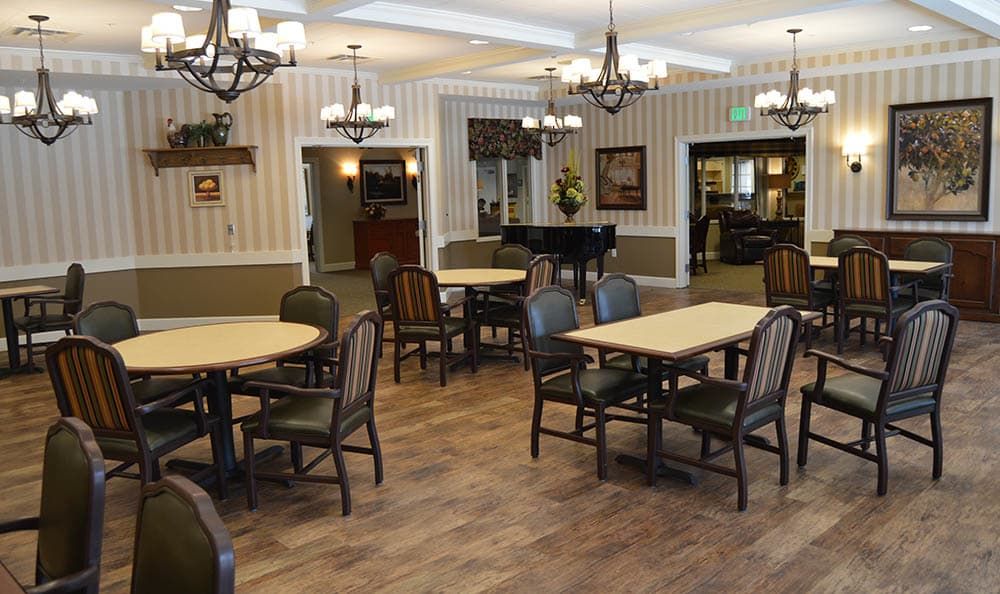
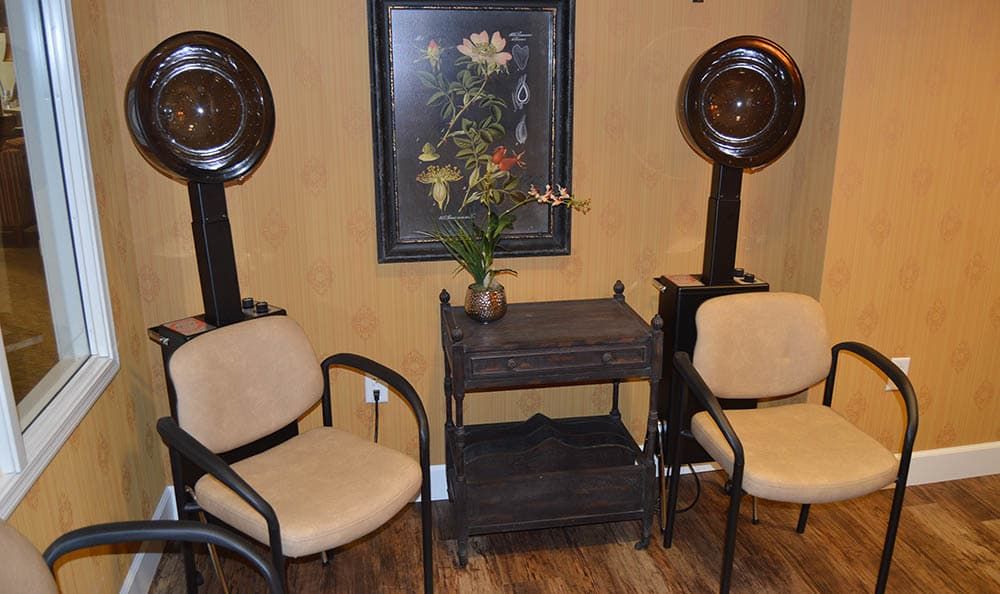
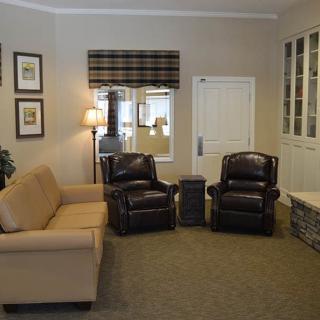
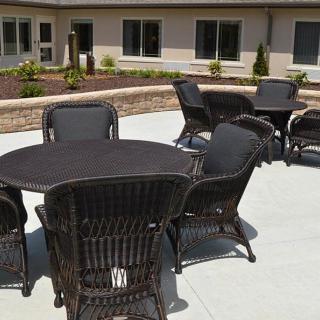
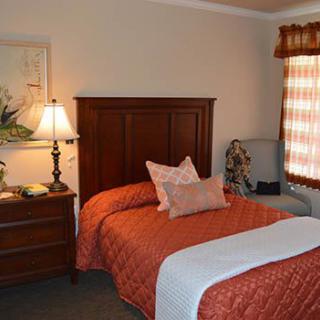
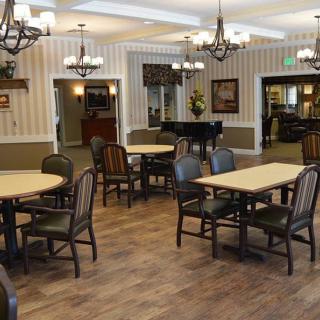
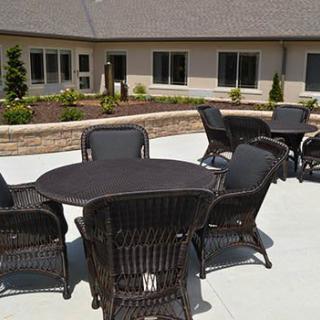
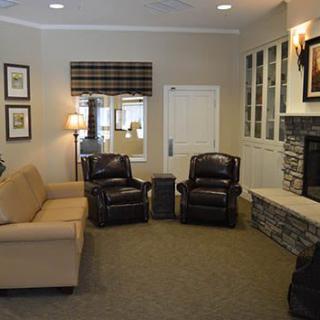
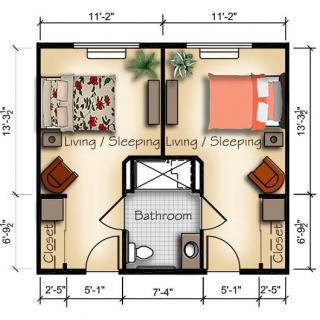
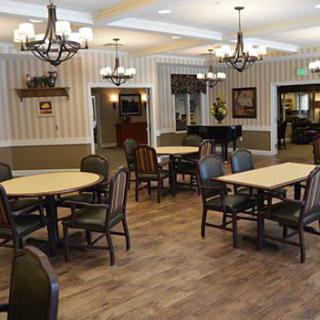
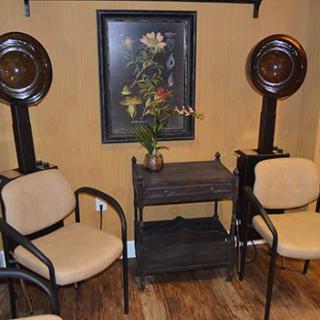
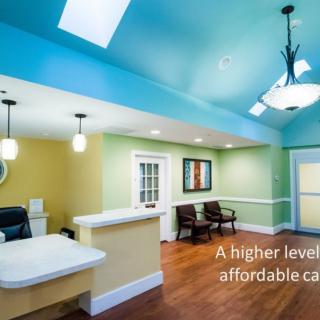
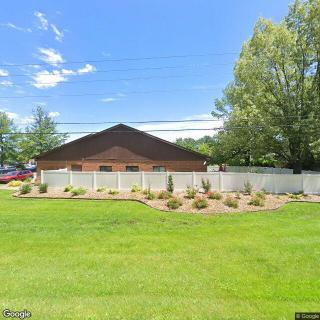
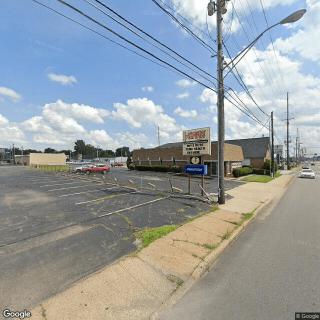
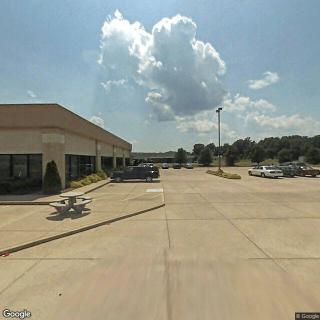
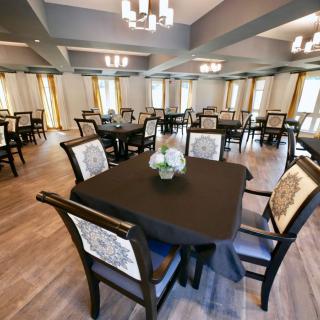
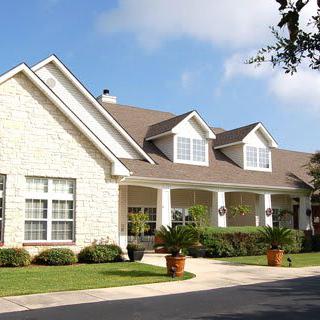
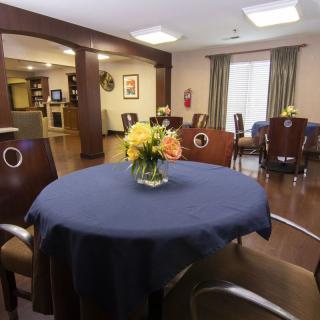
Walnut Creek Alzheimer's Special Care Center on seniors.fyi includes 19 photos including images showing interior, bedroom, decor, living room, floor plan, dining, chandelier, piano, and more.
Nearby Communities
Hamilton Pointe Health And Rehab
Newburgh, IN
4.6 from 119 reviews
Comprehensive care options (assisted, independent, memory care, skilled nursing) with on-site amenities and 24/7 staff.
Holiday Willow Park
Evansville, IN
4.6 from 137 reviews
$1,939 to $3,969 / month
Friendly, engaged staff in a well-maintained, activity-rich community with quality dining.
Home Instead - Evansville, IN
Evansville, IN
4.7 from 36 reviews
Safe, supportive environment with convenient access to healthcare and amenities.
Signature Healthcare Of Newburgh
Newburgh, IN
4.2 from 54 reviews
$4,530 / month
Competitive private-room pricing with extensive on-site amenities.
Heritage Woods Of Newburgh
Newburgh, IN
4.7 from 90 reviews
Small, close-knit community with on-site amenities and comprehensive assisted living support.
Celebration Villa of Newburgh
Newburgh, IN
4.5 from 79 reviews
$2,695 to $6,095 / month
Welcoming staff, clean environment, and engaging activities.
Dementia affects memory and cognitive function in older adults, presenting challenges for caregivers due to behavioral changes such as confusion and mood swings. Compassionate, person-centered care that considers individual history and preferences, along with effective communication and environmental modifications, is essential for supporting both patients and their caregivers.
Dementia leads to cognitive impairment and can cause emotional and behavioral changes, including aggression that arises from frustration, confusion, or fear. Effective coping strategies for caregivers include understanding dementia's nature, recognizing triggers, using empathetic communication, and employing non-pharmacological interventions like music and art therapy.
Dementia causes cognitive decline and challenging behaviors that caregivers must manage, necessitating an understanding of the neurological basis of these issues. Effective strategies and self-care for caregivers can enhance support for those with dementia and improve their daily lives.
Walnut Creek Alzheimer's Special Care Center photos
×
Interior
Decor
Living Room
Building
Bedroom
Windows
Dining
Garden
Seating Area
Fireplace
Floor Plan
Chandelier
Painting
Waiting Area
Interior
Decor
Bedroom
Dining, Chandelier, and Piano
Living Room
Windows
Floor Plan
Building, Garden, Outdoor, and Patio
Architecture
Bathroom, Living Space, and Apartment Design
Fireplace
Seating Area
Salon
Painting
Waiting Area
Studio Apartment
Lounge Area
Room Layout
Get PricingAsk A QuestionSchedule A TourContact Senior Advisor
By clicking submit, you agree to our Partner's Terms of Use. You
also consent to receive calls and texts, which may be autodialed, from our Partner. Your consent is not a condition to
using our Partner's service. Please visit our Partner's Privacy Policy for information about their privacy practices.





 66 resident community capacity
 Memory Care
 Respite Care
 Activities off-site
 Air-conditioning
 Beautician on-site
 Cable or satellite TV
 Computer center
 Devotional services on-site
 Dining room
 Family overnight stay rooms
 Fitness room
 Fully furnished
 Gaming room
 Garden
 Ground floor units
 Housekeeping services
 Indoor common areas
 Kitchenette
 Move-in coordination
 Outdoor common areas
 Outdoor patio
 Private bathrooms
 Restaurant-style dining
 Small library
 Telephone
 Wellness center
 Wheelchair accessible showers
 Wi-Fi/high-speed internet available
 Evansville Regional (5 miles away)
 Community operated transportation
 12-16 hour nursing
 24-hour call system
 Assistance with bathing
 Assistance with dressing
 Assistance with transfers
 Diabetes diet
 Diabetic care
 Incontinence care
 Medication management
 Mental wellness program
 Special dietary restrictions
 Art classes
 Concierge services
 Cooking classes
 Day trips and outings
 Live dance or theater performances
 Live musical performances
 Trivia games
 Comprehensive care options (assisted, independent, memory care, skilled nursing) with on-site amenities and 24/7 staff.


 Understanding Dementia Behaviors: Practical Insights and Strategies for Caregivers
 When Dementia Sparks Anger and Aggression: Understanding the Connection and Ways to Cope
 Dementia Behaviors: In-Depth Understanding and Effective Coping Strategies