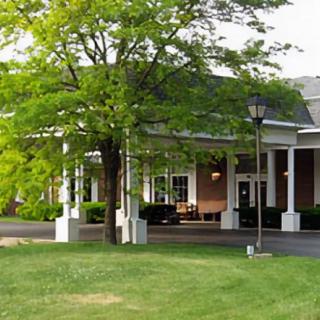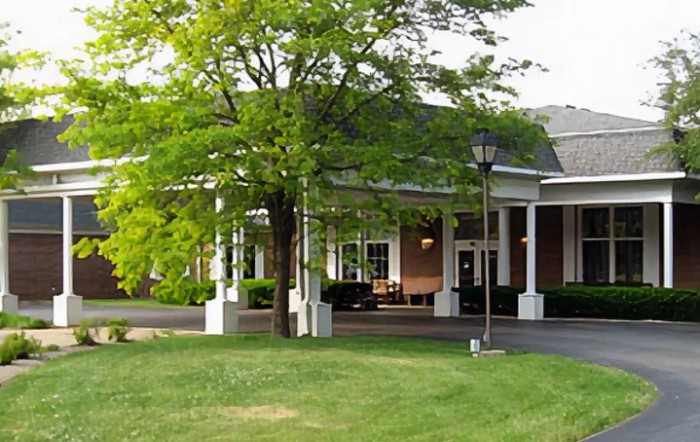
1111 North State Street P O Box 410, Monticello, IL 61856
For more information about senior living options: (866) 208-4318
Overall Review of Piatt County Nursing Home
Pros
 The staff were attentive to every person.
- The nursing staff is composed of professional, caring, and experienced healthcare workers.
- The staff at Piatt County Skilled Memory Care is consistent, loving, and caring.
- They care for patients and their families.
- Patients are not only safe, but nurses and aides advocate for their care with doctors and Hospice.
- Piatt County Memory Care focuses on living care rather than fancy decor and marketing.
- Piatt County Nursing Home has an excellent, caring, patient, attentive staff who seem to enjoy their jobs.
- The nursing, dietary, social activity, and maintenance staff are kind, diligent, and helpful.
- They get to know every resident on a very personal level and genuinely care about each one.
Cons
 The nursing home does not have good employees, with staff often sitting around and on their phones.
- The facility tends to push out its best employees and retain those who sit around and do nothing.
- The establishment needs to hire and retain better staff.
- The facilities had insufficient nursing staff and a revolving door of caregivers, leaving patients unsafe.
- Piatt County Nursing Home was awfully small and overcrowded, placing three residents in a single small room.
- Other nursing facilities spend money on decor and marketing instead of providing adequate care.
- Families sometimes had to hire private caregivers and even nurse their loved ones themselves due to lack of adequate staff.
Review
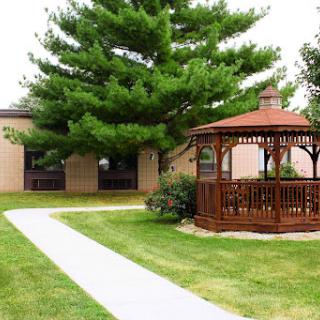
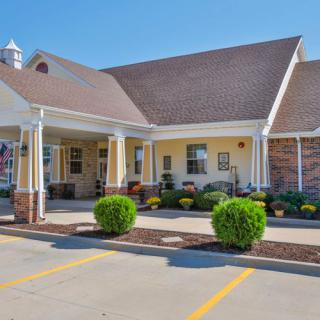
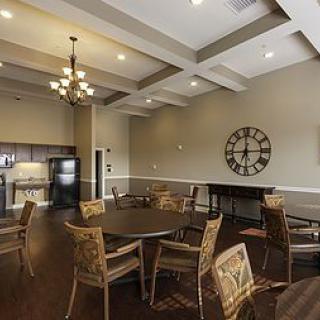
Piatt County Nursing Home in Monticello is best suited for families seeking a warm, home-like environment with genuinely caring memory-care and general nursing support. The facility shines when residents require personal attention and advocates who know them by name, not just bed numbers. Reviewers consistently praise a staff cohort that feels devoted to residents, particularly in the memory-care unit where caregivers are described as attentive, compassionate, and proactive in meeting individual needs. The setting itself supports this impression: clean rooms, large windows, well-kept grounds, and a layout that emphasizes comfort over institutional formality. It is a place where daily life centers on companionship, routine, and meaningful activities, which can be the key factor for families balancing safety with a sense of home.
Those most likely to want alternatives are families prioritizing privacy, room size, or a campus with broader staffing and clinical breadth. Several reviews flag small-scale limitations, including rooms that can feel cramped when more than two residents share space. A three-bed option is noted as problematic for some families, especially when privacy and personal space are non-negotiable. In addition, a few comments describe inconsistent staffing across shifts, suggesting that the strongest results come when a resident’s designated caregivers are consistently available. For families needing larger facilities with expansive amenities, more robust multi-site networks, or more standardized staffing patterns, it makes sense to compare nearby options before committing.
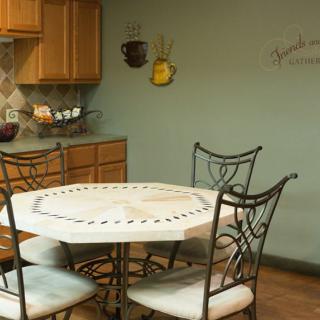
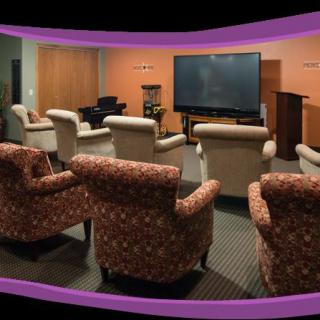
The core pros, the warm, resident-centered atmosphere, consistently caring memory-care staff, and a clear emphasis on dignity and daily life, tend to offset the main drawbacks for residents who value relational care over sheer size. Families report that the team knows residents well, advocates effectively with doctors and Hospice, and keeps residents engaged with activities while respecting personal preference. The absence of a cold, clinical vibe is repeatedly highlighted, with decor that feels festive and a campus that integrates gardens, outdoor spaces, and accessible courtyards. Cleanliness, appetite-responsive dining, flexible meal portions, and a sense that residents are treated like family further strengthen the case for those prioritizing humane, attentive care over institutional scale.
That said, those evaluating options should verify a few practical realities before deciding. If privacy and space are non-negotiable, insist on detailed room-by-room options and schedules for private or semi-private accommodations, and assess whether the three-bed configuration is still available or acceptable. Probe staffing patterns directly: ask for current caregiver-to-resident ratios by shift, and request to observe a shift handoff to see whether consistency is feasible. Tour during different times of day to gauge response times, noise levels, and the rhythm of daily life. Request sample menus and question how dietary needs are accommodated, then listen for how staff engage with residents who prefer solitude or quiet activities versus those who seek social engagement.
Ultimately, Piatt County Nursing Home delivers a practical, steady solution for families seeking a compassionate, home-like setting with strong memory-care support. It is particularly well-suited for residents whose safety, personal connection, and daily routines matter more than the prestige of a larger campus. For households where privacy, larger rooms, and uniform staffing are primary criteria, or where budget constraints intersect with the desire for expansive amenities, it is prudent to size up alternatives. In short, Piatt County offers dependable, heartfelt care that can feel like a small-town refuge, provided expectations align with the facility’s intimate footprint and staffing reality.
 100 resident community capacity
 Memory Care
 Skilled Nursing Facility
 Air-conditioning
 Beauty salon
 Cable or satellite TV
 Computer center
 Dining room
 Fitness room
 Fully furnished
 Gaming room
 Garden
 Housekeeping services
 Kitchenette
 Move-in coordination
 Outdoor space
 Private bathrooms
 Restaurant-style dining
 Small library
 Telephone
 Wellness center
 Wi-Fi/high-speed internet available
 University of Illinois-Willard (15 miles away)
 Community operated transportation
 12-16 hour nursing
 24-hour call system
 Activities of daily living assistance
 Assistance with bathing
 Assistance with dressing
 Assistance with transfers
 Diabetes diet
 Medication management
 Mental wellness program
 Special dietary restrictions
 Concierge services
 Planned day trips


 22 Remarkable Caregiver Support Groups Available Online and In-Person
 Understanding Medicaid Coverage for Assisted Living: A Comprehensive Guide
 How and When Medicaid May Cover Assisted Living Costs