For more information about senior living options: (866) 208-4318
3.5 from 104 reviews
5 stars
43
4 stars
19
3 stars
13
2 stars
6
1 stars
23
Golden Years Residential Living Costs & Pricing
Golden Years Residential Living offers competitive pricing for its services in comparison to the broader market of Cobb County and the state of Georgia. For a semi-private room, residents are charged $1,800 per month, significantly lower than the county average of $2,367 and the state average of $2,529. The private room option is priced at $2,500, still more economical than both Cobb County's average of $2,788 and Georgia's average of $2,864. Additionally, the 1-bedroom units at Golden Years are available for $2,700, again providing substantial savings compared to the county and state averages of $3,303 and $3,412 respectively. Overall, Golden Years Residential Living positions itself as an attractive choice for those seeking quality care without straining their budget.
Floor plans
Golden Years Residential Living
Cobb County
Georgia
Semi-Private
$1,800
$2,367
$2,529
Private
$2,500
$2,788
$2,864
1 Bedroom
$2,700
$3,303
$3,412
Memory care communities with a similar price nearby
Cleanliness and pests are a recurring concern in reviews.
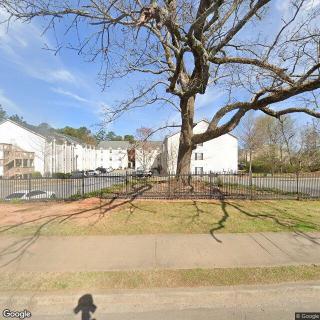
Some residents and visitors describe the property as dirty or rundown, including mentions of mold, overflowing dumpsters, roaches, bugs, bed bugs, and hallways smelling like cigarettes and trash. Others describe improvements and say they haven’t seen roaches or they consider the grounds clean and safe. Even among more positive mentions, there are still notes about the place needing improvement to keep conditions right for residents.
common9 reviews mention this
Staff responsiveness gets praise
Office and staff helpfulness shows up in many reviews.
A number of reviews praise the office team for being attentive, responsive, and professional, and describe staff as friendly and eager to help tenants. Some reviews also mention consistent care support, while at least one reviewer describes staffing or caregiving as falling short. Overall, the tone is split between residents who feel supported and those who report rudeness or lack of follow-through.
common3 reviews mention this
Rent is described as affordable
Pricing is frequently described as affordable or lower than expected.
Several reviews call the community affordable and note a simple, one-price approach. One reviewer also mentions that utilities and internet/cable are part of that low price. This aligns with the listing’s price positioning, which is below county and state benchmarks across unit types.
common6 reviews mention this
Shared living with private rooms
Residents commonly describe a roommate-style layout.
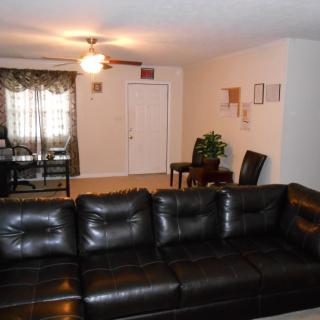
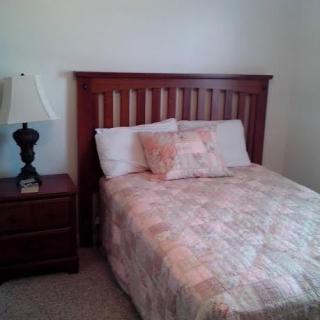
Reviews frequently describe private bedrooms and bathrooms paired with shared common areas such as living room, dining space, kitchen, and laundry. A few reviewers also talk about roommate compatibility and the fact that the shared setup can feel like communal living. Some descriptions also highlight limits around choosing roommates, reinforcing that the living model is built around shared space.
caveat3 reviews mention this
Care support is present but disputed
Care support is mentioned, but reviews disagree on quality.
Some residents describe good care for elders and say staff provide caring support. Others raise concerns about the caregivers they observed, including questions about certification and whether caregiving is being done properly. While the listing includes several care-focused categories, reviews are what vary most in how residents and families feel about day-to-day support.
How we summarize
Counts show how many written reviews mention each theme; a review can touch several themes, and only frequently mentioned themes are displayed.
Features
Types of Care
Board and Care Home
Memory Care
Amenities
Private
Transportation
William B Hartsfield-Atlanta International (20 miles away)
Care Services
Ambulatory care
Diabetic care
Incontinence care
Nearby Places of Interest
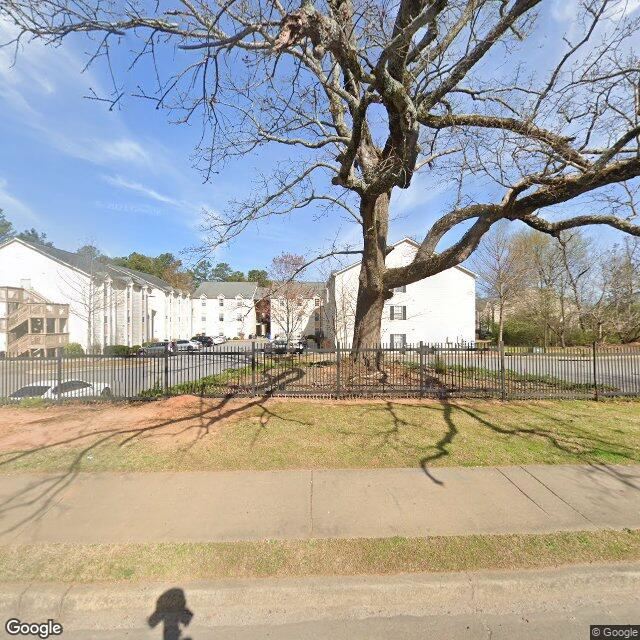
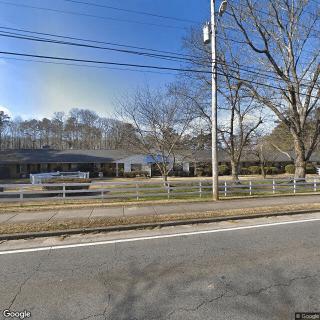
This part of Marietta, Georgia, offers convenient access to various amenities that cater to seniors. With several pharmacies such as CVS and Walgreens within a short distance, obtaining medication and healthcare supplies is easily manageable. The area also boasts a variety of dining options ranging from fast food chains like Taco Bell and Chick-Fil-A to more upscale restaurants like Tasty China and Hamilton's Restaurant. For recreational activities, there are parks like Cobb Park and Hurt Road Park nearby for leisurely strolls or picnics. Additionally, there are reputable medical facilities such as USA Vein Clinics and WellStar Kennestone Hospital in the vicinity for any healthcare needs. Cafes like Starbucks and Rev Coffee provide cozy spots for socializing or enjoying a quiet cup of coffee. Overall, this part of Marietta provides a well-rounded living experience for seniors with its blend of amenities and services tailored to their needs.
Pharmacies
CVS Pharmacy (1.3 miles)
Walgreens (1.7 miles)
CVS Pharmacy (2 miles)
Walgreens (2.2 miles)
CVS Pharmacy (3 miles)
CVS Pharmacy (3.1 miles)
Walgreens (3.3 miles)
Restaurants
Taco Bell (1.4 miles)
Tasty China (2.1 miles)
Chick-Fil-A (2.6 miles)
Hamilton's Restaurant (2.7 miles)
McDonald's (2.8 miles)
Zama Mexican Cuisine & Margarita Bar (2.9 miles)
Varners Restaurant & Tavern (2.9 miles)
Parks
Cobb Park (2.6 miles)
Hurt Road Park (2.9 miles)
Laurel Park (3 miles)
Cochran Shoals - Chattahoochee River (7 miles)
Southwest Baseball At Clarkdale Park (7 miles)
Cafes
Starbucks (2.8 miles)
Starbucks (3.4 miles)
Starbucks (3.5 miles)
Rev Coffee (3.9 miles)
Starbucks (4.5 miles)
Giga-Bites Cafe (5.4 miles)
Starbucks ThD (5.6 miles)
Hospitals
USA Vein Clinics (3.7 miles)
WellStar Kennestone Hospital (4.6 miles)
Physicians
Atlanta Behavioral Care (4 miles)
Cobb Women's Center (4 miles)
Wellstar Cobb 1700 Building (4.1 miles)
Atlanta Gastroenterology Associates (4.1 miles)
Georgia Plastic & Reconstructive Surgery (4.3 miles)
Golden Years Residential Living offers competitive pricing for its services in comparison to the broader market of Cobb County and the state of Georgia. For a semi-private room, residents are charged $1,800 per month, significantly lower than the county average of $2,367 and the state average of $2,529. The private room option is priced at $2,500, still more economical than both Cobb County's average of $2,788 and Georgia's average of $2,864. Additionally, the 1-bedroom units at Golden Years are available for $2,700, again providing substantial savings compared to the county and state averages of $3,303 and $3,412 respectively. Overall, Golden Years Residential Living positions itself as an attractive choice for those seeking quality care without straining their budget.
Incontinence care is a critical feature in memory care services as it addresses the physical and emotional needs of residents with dementia or Alzheimer's disease, who may experience challenges with personal hygiene and control. By ensuring that residents receive prompt and compassionate assistance, caregivers can help maintain dignity and comfort, reducing anxiety associated with incontinence episodes. This tailored support not only prevents skin irritation and infections but also fosters a sense of security, allowing residents to focus on their well-being without the added stress of managing incontinence alone. Additionally, by closely monitoring individual needs and preferences, staff can create personalized care plans that respect each resident's unique situation, further enhancing their quality of life within the facility.
Nearby Communities
Spring Falls Manor
Marietta, GA
3.1 from 93 reviews
Convenient access to nearby healthcare, cafes, parks, and restaurants in a secure assisted-living setting.
Upper River Pch I
Marietta, GA
3.5 from 100 reviews
$2,500 / month
Affordable private rooms in a small, home-like setting with comprehensive care.
Upper River Pch II
Marietta, GA
3.5 from 100 reviews
Intimate board-and-care with personalized daily living support, meals, activities, and medical transportation.
Peachstone Independent Senior Living
Marietta, GA
3.7 from 125 reviews
$690 / month
Attentive, helpful staff in a clean, well-maintained, safe environment.
Charis Loving Care Home
Marietta, GA
4 from 10 reviews
$1,500 to $2,000 / month
Caring staff and a clean, welcoming environment with convenient proximity for family visits.
Velvet Manor Personal Care Home
Marietta, GA
3.5 from 4 reviews
$1,800 to $3,000 / month
Helpful staff and a clean facility.
Legacy at Walton Village
Marietta, GA
4.3 from 121 reviews
$786 / month
Clean, well-maintained community with friendly staff and ample on-site amenities.
Autumn Breeze Health Ctr
Marietta, GA
2.5 from 43 reviews
Notable dining quality; some staff demonstrate professionalism and genuine concern for residents.
Femi Care Marietta Life Center
Marietta, GA
4.4 from 42 reviews
24-hour supervision with comprehensive care, dining, and engaging activities.
Vibrant Senior Living emphasizes active senior living communities that promote independence and engagement through diverse amenities and activities, fostering wellness and social interaction among older adults. These communities range from independent to assisted living, with a focus on personal growth, family involvement, financial planning, and leveraging technology to enhance residents' experiences.
Assisted living provides moderate support for seniors seeking independence, while memory care offers specialized support for individuals with dementia or cognitive impairments through structured routines and trained staff. Key differences include care approaches, environment security measures, staff training levels, activity types, and cost considerations.
Choosing between assisted living and nursing homes involves evaluating emotional and financial factors, with assisted living offering independence and support for daily activities at a lower cost, while nursing homes provide intensive medical care for individuals with significant health needs. The decision is influenced by personal preferences, health status, cognitive function, and varying Medicaid coverage across states.
Get PricingAsk A QuestionSchedule A TourContact Senior Advisor
By clicking submit, you agree to our Partner's Terms of Use. You
also consent to receive calls and texts, which may be autodialed, from our Partner. Your consent is not a condition to
using our Partner's service. Please visit our Partner's Privacy Policy for information about their privacy practices.

 Board and Care Home
 Memory Care
 Private
 William B Hartsfield-Atlanta International (20 miles away)
 Ambulatory care
 Diabetic care
 Incontinence care
 Convenient access to nearby healthcare, cafes, parks, and restaurants in a secure assisted-living setting.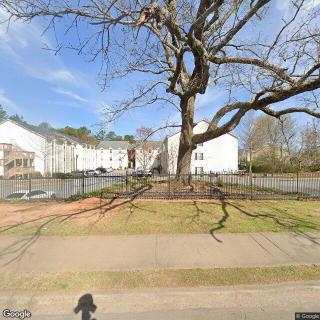


 Vibrant Senior Living: A Comprehensive Guide for Active Older Adults
 Assisted Living and Memory Care: Understanding Their Core Differences
 Choosing the Right Senior Care: A Detailed Exploration of Assisted Living and Nursing Homes