
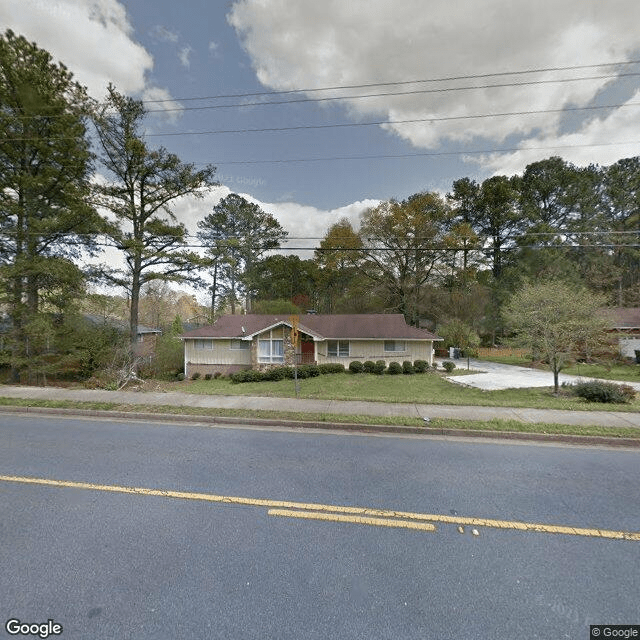
2852 Holly Springs Rd, Marietta, GA 30062
To contact a resident: (770) 971-6262
For more information about senior living options: (866) 208-4318
Brittany House at Holly Springs Costs & Pricing
Brittany House at Holly Springs offers competitive pricing for its various room types, particularly when compared to averages in Cobb County and the broader state of Georgia. For instance, a semi-private room is priced at $1,800 per month, significantly lower than the county's average of $2,367 and the state average of $2,529. Studio accommodations are available for $2,500, which again is more affordable than both Cobb County ($3,482) and statewide figures ($3,520). Private rooms maintain this trend with similar pricing at $2,500 as opposed to the county's $2,788 and Georgia's $2,864. Even one-bedroom units at Brittany House are competitively priced at $3,327 compared to Cobb County's average of $3,303 and Georgia's statewide average of $3,412. The two-bedroom option stands out as well; while it comes in at $4,120 per month - a bit above Cobb County's rate of $3,824 - it remains slightly higher than the state average of $3,921. Overall, Brittany House presents an attractive value proposition for those seeking quality care without exorbitant costs.
| Floor plans | Brittany House at Holly Springs | Cobb County | Georgia |
|---|---|---|---|
| Semi-Private | $1,800 | $2,367 | $2,529 |
| Studio | $2,500 | $3,482 | $3,520 |
| Private | $2,500 | $2,788 | $2,864 |
| 1 Bedroom | $3,327 | $3,303 | $3,412 |
| 2 Bedrooms | $4,120 | $3,824 | $3,921 |
Memory care communities with a similar price nearby
-
from +$300 / mo
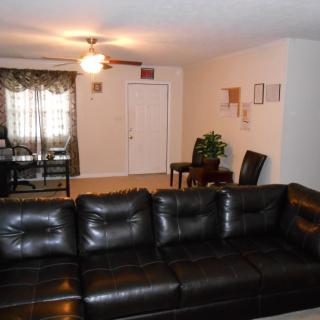
Premium Personal Care Home
$2,100 to $2,850 / month12.5 miles away -
About the same
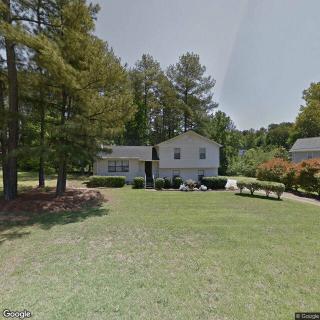
Agape Haven Personal Care Home
$1,800 to $2,000 / month17.9 miles away -
from +$301 / mo
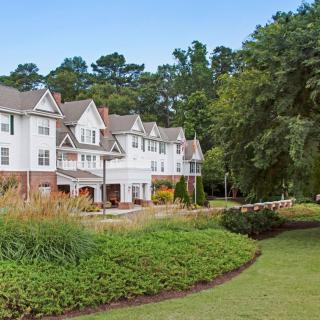
Brighton Gardens of Buckhead
$2,101 to $5,370 / month13.9 miles away -
About the same

Villa Palazzo Senior Living Community
$1,800 to $3,850 / month7.4 miles away -
About the same
Clover Senior Living
$1,750 to $4,700 / month18.2 miles away
Overall Review of Brittany House at Holly Springs
Pros
 The facility feels like a family home with a small, individualized setting.
- Staff are friendly, attentive, and consistently do a great job with residents and families.
- Ester is extremely caring and Betton is a great caregiver with a loving heart for the elderly.
- Ester and her husband are good people who truly care about the elderly.
- Brittany House provides safety features and access to services like a visiting doctor and beautician.
- The staff are knowledgeable about financial assistance and care planning.
- The relationships between staff and clients are positive and reassuring.
- The living spaces include a large sitting room and spacious bedrooms, contributing to comfort.
- The facility offers a large private room with a full bathroom, promoting comfort and privacy.
Cons
 There was a personality conflict with the live-in caretaker, and she could be harsh in her communication with residents.
- The facility offered few activities beyond television, and the food options were limited.
- The reviewer felt it was not the best personal care home for the money.
- Security was inadequate: only one person was in charge and slept at night, and the locked doors could still be escaped from, causing nighttime disruption.
- Staff were described as unprofessional for not showing to a scheduled appointment, with red flags noted during a brief on-site visit.
- There were not many activities for residents.
Review
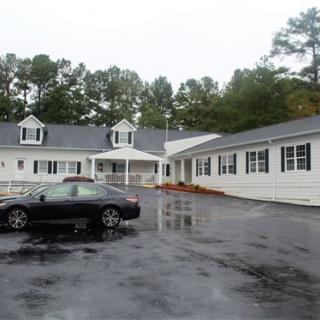
Brittany House at Holly Springs is best suited for seniors who crave a true home-like environment and a highly personalized touch from a small, intimate staff. With six or so residents, the setting feels more like a family residence than a traditional assisted-living campus, which benefits those who want to avoid the impersonal, sprawling feel of larger facilities. It shines for families seeking warmth, quick caregiver responsiveness, and ongoing relational ties rather than a rigid program calendar. For end-of-life care or short, calm stays where comfort and dignity trump constant activity, this community can be a meaningful choice. It is most attractive to budgets-conscious families who prioritize care quality and connection over a bustling social schedule.
The strongest advantages show up in the human side of care. Residents live in large, comfortable spaces with private or semi-private options, and the common areas foster a welcoming, homey atmosphere. Staff members are repeatedly described as caring, quick to respond, and genuinely invested in the well-being of residents. The caregiving team, operators identified as Esther and Betton in several notes, receives praise for warmth, competence, and the sense that loved ones are in good hands, particularly during difficult moments or end-of-life transitions. Additional practical supports, visiting doctors, a beautician, and staff knowledge about financial assistance, add a layer of convenience and peace of mind that families value when navigating care costs and medical needs.
However, several notable drawbacks shape the decision. The model leans heavily on a single caregiver leadership point, which can create bottlenecks and anxiety if coverage lapses or personal dynamics shift. One review candidly notes a live-in caregiver with a harsh communication style, signaling that personality conflicts can influence the daily atmosphere. Security concerns also surface: a locked, alarm-equipped entrance is reassuring, yet stories about a resident escaping despite the alarm emphasize that 24/7, secure containment may be beyond the current setup. Activities appear sparse, mostly TV time, with limited menus and snacks, which can leave active seniors or more socially oriented families seeking more structure and engagement disappointed.
These pros and cons balance out differently depending on priorities. For families prioritizing compassionate, individualized attention and a non-institutional feel, the positives, strong staff rapport, meaningful one-on-one responsiveness, and the comfort of a home-like lounge and large shared space, often outweigh the limited programming and occasional care-management gaps. The care staff’s demonstrated dedication can translate into tangible comfort for a resident and emotional reassurance for relatives, especially when memory care or end-of-life considerations are at stake. The clear value is in the relational depth and the sense that staff treat residents like family, which can compensate for a lean schedule and modest amenities.
Those who need robust daytime programming, frequent social activities, diverse dining options, or a highly secure environment with constant oversight should consider alternatives. If 24/7 intensive supervision, stronger security measures, broader activity calendars, or a more formalized team structure are must-haves, a larger, more program-driven facility may be a better fit. Families with residents who have complex medical or behavioral needs, or who require ongoing, highly structured daily routines, will want to verify whether Brittany House can scale its staffing and programming to meet those expectations. Pricing around the mid-$2,000s per month is a factor, but the question remains whether the value aligns with the anticipated level of daily engagement and security.
In the end, Brittany House at Holly Springs delivers a compelling option for the right resident: a warm, intimate home setting where caregivers are praised for kindness and responsiveness and where end-of-life care has been described as compassionate and reassuring. It excels for families prioritizing comfort, dignity, and a sense of belonging over formal programming or aggressive activity calendars. Prospective movers should approach with a clear checklist: confirm secure, 24/7 coverage capabilities; assess whether the live-in caregiver dynamic can be managed without friction; request a sample week of meals, activities, and doctor visits; and visit at different times to gauge consistency in staffing and atmosphere. When alignment is found, Brittany House becomes not just a place to live, but a genuine, cherished home during a meaningful chapter of life.
 Board and Care Home
 Memory Care
 Private
 Respite or short term stays offered
 Ambulatory care
 Diabetic care
 High acuity care

 Delirium and Dementia: Unraveling the Key Differences
 Are Dementia and Alzheimer's Disease Lethal? A Comprehensive Exploration
 Exploring the Power of Reminiscence Therapy for Individuals With Dementia