
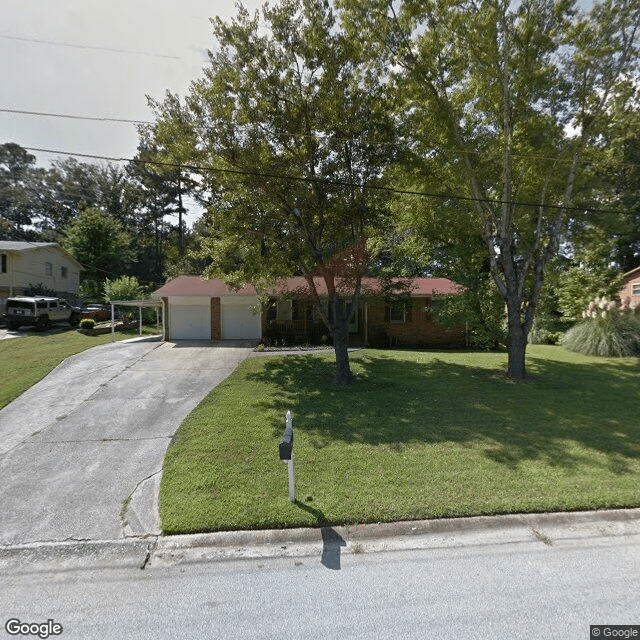
111 Elizabeth Way, Ellenwood, GA 30294
To contact a resident: (678) 869-5464
For more information about senior living options: (866) 208-4318
Kings Personal Kare Facility Costs & Pricing
Kings Personal Kare Facility offers competitive monthly rates for its residents, positioning itself as an attractive option within both Rockdale County and the broader state of Georgia. For semi-private rooms, the facility charges $1,800, which is notably lower than the county average of $1,926 and significantly less than the state average of $2,529. Studio accommodations are priced at $2,000, again offering potential savings compared to Rockdale County's $3,230 and Georgia's statewide figure of $3,520. Private rooms at Kings Personal Kare Facility maintain this trend with a monthly cost of $2,000 - lower than both local and state averages of $2,363 and $2,864 respectively. Overall, these pricing options reflect Kings Personal Kare Facility's commitment to providing quality care at accessible rates in comparison to nearby alternatives.
| Floor plans | Kings Personal Kare Facility | Rockdale County | Georgia |
|---|---|---|---|
| Semi-Private | $1,800 | $1,926 | $2,529 |
| Studio | $2,000 | $3,230 | $3,520 |
| Private | $2,000 | $2,363 | $2,864 |
Memory care communities with a similar price nearby
-
from +$300 / mo
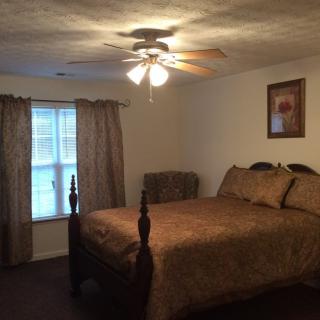
Abiding Care Home
$2,100 / month2.3 miles away -
from -$300 / mo
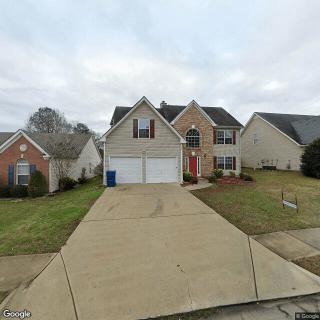
Harmony Home Care
$1,500 to $2,100 / month24.1 miles away -
from +$301 / mo
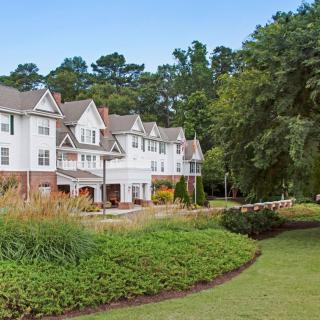
Brighton Gardens of Buckhead
$2,101 to $5,370 / month16.4 miles away -
from +$200 / mo
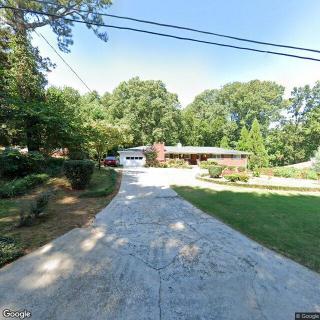
Orion Star Personal Care Home
$2,000 to $5,295 / month16.1 miles away -
from +$200 / mo
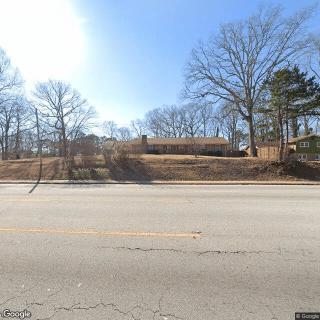
Patron Place PCH
$2,000 to $2,500 / month9.2 miles away
Overall Review of Kings Personal Kare Facility
Pros
 The facility is nice, clean, and organized.
- Kings Personal Kare Facility provides everything for a safe and comfortable environment for a loved one.
Cons
 The staff did not have enough skills in the medical field.
Review
Kings Personal Kare Facility in Ellenwood, Georgia, is best suited for seniors who want a clean, orderly, smaller-setting environment with predictable daily routines and solid safety features. It works well for residents with low- to moderate care needs who can rely on outside medical providers for health management rather than on-site, continuous clinical support. Families seeking a straightforward, comfortable home base where activities of daily living can be managed with assistance and where the emphasis is on a tidy, manageable living space will find this community a practical fit. It is not positioned as a high-acuity medical campus, and that distinction drives the core decision for many care plans.
Those evaluating higher medical needs should consider alternatives. If a resident requires 24/7 licensed nursing, regular infusion or wound care, complex medication management, or specialized memory care, a facility with on-site RNs or extensive clinical staff is often essential. Similarly, households planning for ongoing disease management, rapid clinical decision-making, or palliative goals may benefit from a broader continuum of care within the same site. In short, this community serves as a solid base for basic support, while those with active, ongoing medical requirements will want facilities that can back that care with robust on-site expertise.
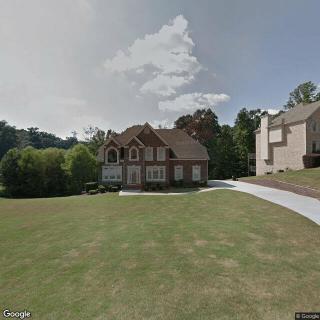
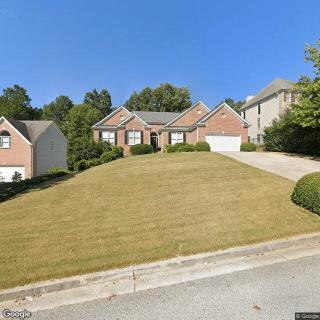
On the positive side, the facility presents a neat, clean, and organized environment that reduces overwhelm and supports routine. The physical setting appears designed to promote safety, with clear spaces and accessible common areas that contribute to predictable daily rhythms. In a smaller operation, staff can deliver more individualized attention for essential tasks, mobility assistance, and companionship, which often translates into steadier routines and greater resident comfort. For families prioritizing a stable, low-stress atmosphere, these environmental attributes are meaningful and dependable.
The most consistent concern centers on the level of medical skill among staff. Review commentary repeatedly flags doubts about whether the team has sufficient medical training to manage health issues on-site. This creates legitimate questions about medication administration, chronic-condition monitoring, wound care, and emergency responsiveness. While not every resident will encounter a health crisis, the absence of clear, accessible on-site clinical capability can be a decisive drawback for anyone with complex or fluctuating medical needs. The facility’s strength in cleanliness and safety does not fully counterbalance the risk associated with limited on-site medical oversight.
Despite the cautions, the pros can meaningfully offset the cons for a substantial segment of families. A clean, well-organized environment lowers infection risk and reduces confusion, while the intimate setting often yields more consistent staff-resident interactions and smoother adherence to routines. For residents whose health care is primarily managed by external clinicians and who require reliable assistance with daily tasks rather than continuous medical intervention, Kings Personal Kare Facility can deliver dependable quality and a manageable, pleasant living experience. The key is aligning the resident’s clinical needs with the facility’s care framework.
The bottom line is practical and direct. Kings Personal Kare Facility is a credible option for families seeking safety, cleanliness, and stable daily life in a compact setting, provided the resident’s medical needs do not require constant on-site skilled nursing. For those with ongoing or high-acuity medical requirements, or for families prioritizing a robust on-site clinical team and memory-care supports, it is prudent to explore alternatives with stronger nursing coverage and broader care capabilities. A deliberate, informed visit is essential: verify staff qualifications, understand med-management protocols, and assess how emergencies would be handled. In the right match, this facility offers a solid foundation; in a mismatched scenario, a more medically equipped option will prove wiser.
 Board and Care Home
 Memory Care
 Activities off-site
 Bath tubs
 Indoor common areas
 Outdoor common areas
 Private
 Respite or short term stays offered
 William B Hartsfield-Atlanta International (11 miles away)
 Ambulatory care
 Diabetic care
 Incontinence care
 Medication management
 Meals provided


 Choosing the Right Senior Care: A Detailed Exploration of Assisted Living and Nursing Homes
 Safeguarding Your Memory Through the Golden Years: Eight Ways to Preserve Cognitive Health
 Comprehensive Insights into Activities of Daily Living (ADLs) and Their Assessment