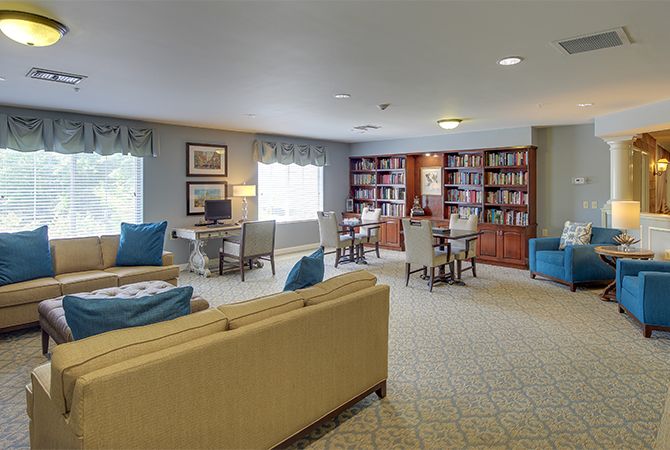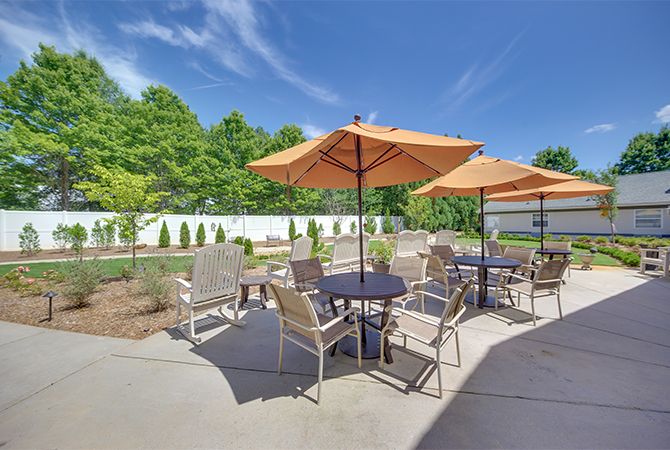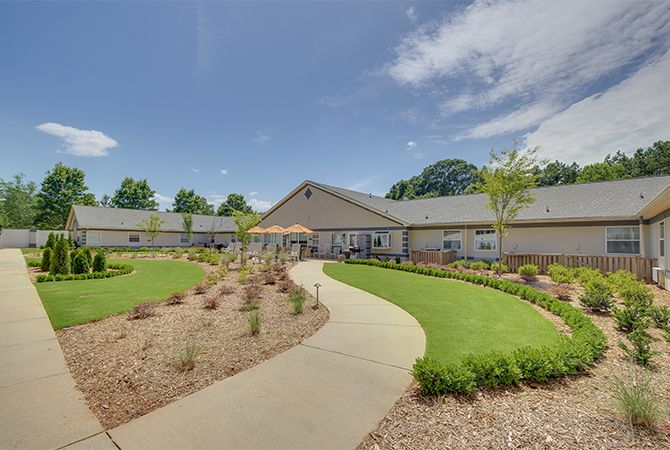



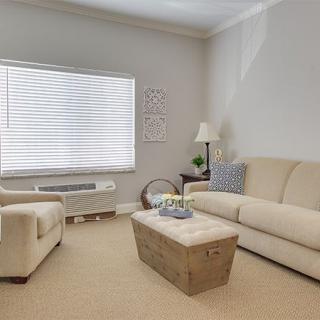
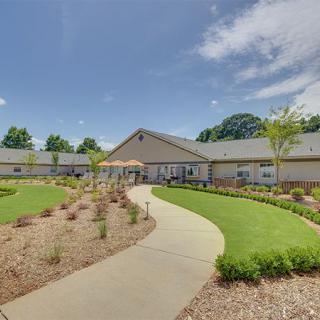


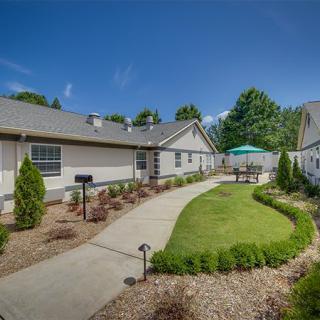

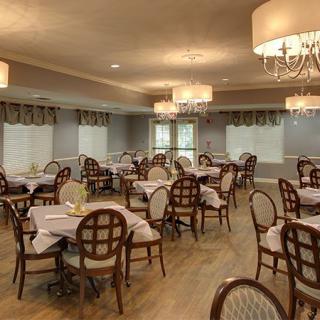


1262 Hightower Trail, Atlanta, GA 30350
For more information about senior living options: (866) 208-4318
Sandy Springs Memory Care Costs & Pricing
Sandy Springs Memory Care offers competitive monthly costs for its residents, with semi-private rooms priced at $2,500, slightly below the average rates in Gwinnett County ($2,530) and the broader state of Georgia ($2,529). For those seeking more privacy, the studio accommodations are available at $3,530, which is also favorable when compared to Gwinnett County's average of $3,580 and slightly above Georgia's state average of $3,520. Overall, Sandy Springs Memory Care presents an appealing option for families considering memory care services, balancing quality care with affordability in a local context.
| Floor plans | Sandy Springs Memory Care | Gwinnett County | Georgia |
|---|---|---|---|
| Semi-Private | $2,500 | $2,530 | $2,529 |
| Studio | $3,530 | $3,580 | $3,520 |
Memory care communities with a similar price nearby
-
from -$400 / mo
Premium Personal Care Home
$2,100 to $2,850 / month17.0 miles away -
from -$400 / mo
Abiding Care Home
$2,100 / month23.5 miles away -
About the same

A & C Personal Care Home
$2,500 to $4,000 / month21.1 miles away -
About the same
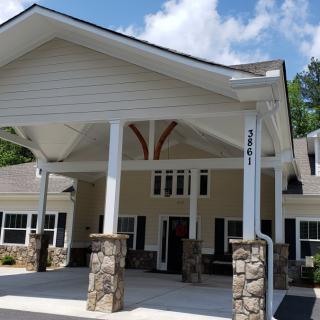
Green Park at Kennesaw
$2,500 to $5,500 / month14.0 miles away -
About the same

Golden Manor Senior Living
$2,500 to $4,445 / month18.8 miles away
Overall Review of Sandy Springs Memory Care
Pros
 The staff are friendly and nice.
- The reviewer would recommend this community to others based on their experience.
- Everything is really well done here.
- They take care of the residents very well.
- Every interaction with the staff has been excellent.
Cons
 They were told there would be someone who understands the VA benefits, but there was not.
- There is a lack of communication about what the facility is doing, especially during Covid.
- There are unclear visiting policies (how many can visit, how often).
- The loved one’s fingernails were filthy and she hadn’t been bathed or had her hair brushed recently.
- The reviewer believes the poor hygiene conditions contributed to the loved one’s hospitalization and subsequent death.
- They would not advise using Sandy Springs Place, and their concerns about uncleanliness were not addressed by the new owners.
Review
Sandy Springs Memory Care in Atlanta is best suited for families that prize a warm, resident-focused atmosphere where caregivers form genuine connections with residents and daily routines feel personal and attentive. The community’s strength lies in the people delivering care: friendly, approachable staff who are described as genuine in their interactions and consistently kind with residents. For families that can tolerate organizational transitions and a degree of ambiguity around administrative direction, this setting can feel like a comforting, home-like option. It is not the top pick for those who require rigorous, hands-on help negotiating benefits like VA programs or for families who demand flawless, transparent communication about operations at all times.
Those who may want to consider alternatives include families for whom VA benefits navigation is a critical need. Reviews indicate that staff may not reliably understand or handle VA benefits, which can leave a valuable funding and support stream untapped. Similarly, anyone who requires clear, proactive communication about facility plans, policies, and visitation would want to compare options with more consistent governance and regular updates. Ownership changes appear to have introduced some instability in communication, suggesting that communities with steadier leadership and clearer channels may be preferable for families seeking frictionless information flow.
On the positive side, the core advantage here is the daily care delivered by staff who are perceived as genuinely caring. Residents are described as well cared for, with caregivers who make strong personal connections and handle day-to-day needs with attentiveness. The overall sentiment from supporters is that the care workers create a supportive, pleasant environment, and some reviewers would rate the experience highly if not for the administrative gaps tied to ownership transitions. When operations feel steady, this combination of warmth and hands-on care can translate into meaningful daily quality of life for residents.
Yet the downsides are real and should not be discounted. A key concern centers on hygiene and observation of basic resident cleanliness: one reviewer reported visibly dirty fingernails and a lack of grooming, raising serious questions about restroom and personal care routines. There is also the troubling claim that a resident ended up hospitalized with a health issue attributed to poor hygiene, followed by a lack of responsive communication from the facility after reporting concerns. Compounding these issues is the perception that the new ownership has not consistently communicated what the facility is doing or planning, leaving families uncertain about care standards and accountability.
The balance between pros and cons hinges on risk tolerance and priorities. If a family can verify stable, compassionate day-to-day caregiving and is willing to navigate occasional lapses in communication, this community can be a solid option, particularly for residents who thrive on personal attention and a friendly caregiver presence. However, for those who cannot overlook potential hygiene shortcomings or who require dependable, proactive governance and clear, timely updates from leadership, serious consideration of alternatives is prudent. Prospective families should demand concrete assurances: current ownership structure, staffing ratios, current hygiene protocols, a clear care plan for each resident, and a defined, responsive communication workflow with timely family updates.
In the end, the decision rests on what matters most. If warmth, consistent caregiver contact, and a comfortable daily environment justify a measured willingness to tolerate governance gaps, Sandy Springs Memory Care can be a viable home. If, instead, reliability in hygiene oversight, transparent leadership, and robust VA benefits support are non-negotiable, exploring other memory-care options with proven governance and stronger family communication is advisable. A thorough on-site tour focused not just on atmosphere but on observed cleanliness, staff responsiveness, and a concrete, written plan for family engagement will reveal whether this community aligns with specific care goals and peace of mind.
 56 resident community capacity
 Memory Care
 Respite Care
 Cats allowed
 Dogs allowed
 Activities off-site
 Air-conditioning
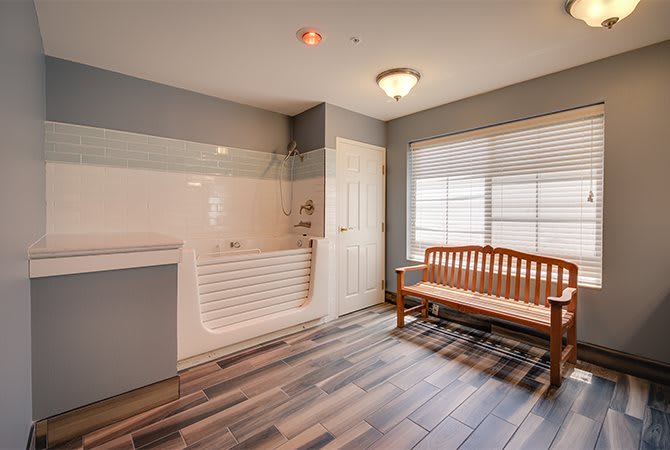
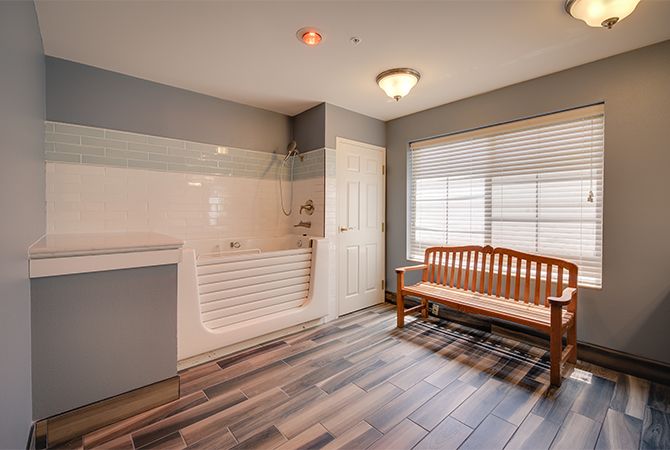
 Bath tubs
 Beautician on-site
 Cable or satellite TV
 Computer center
 Devotional services off-site
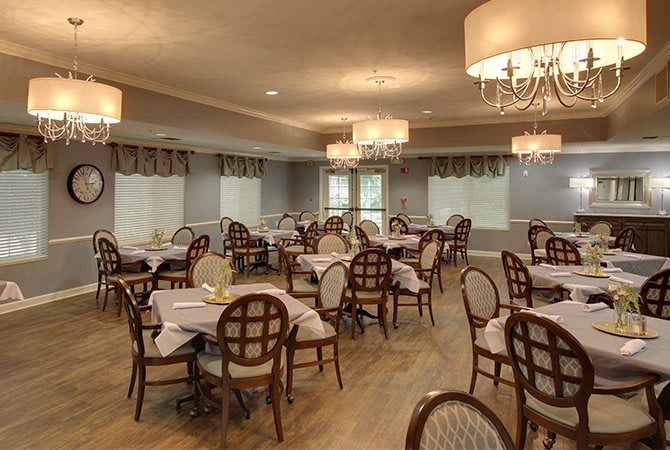
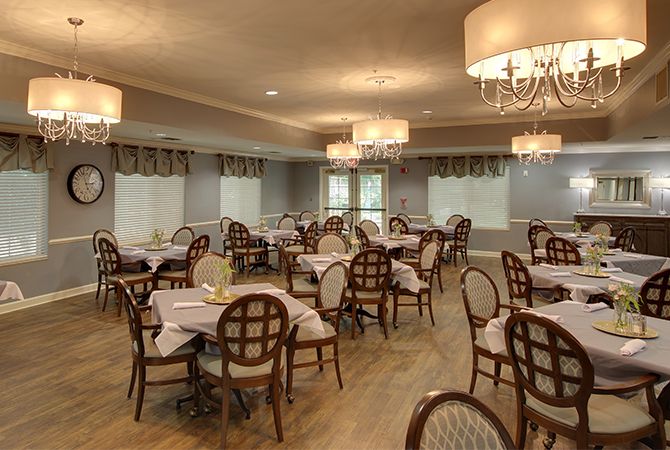
 Dining room
 Fitness room
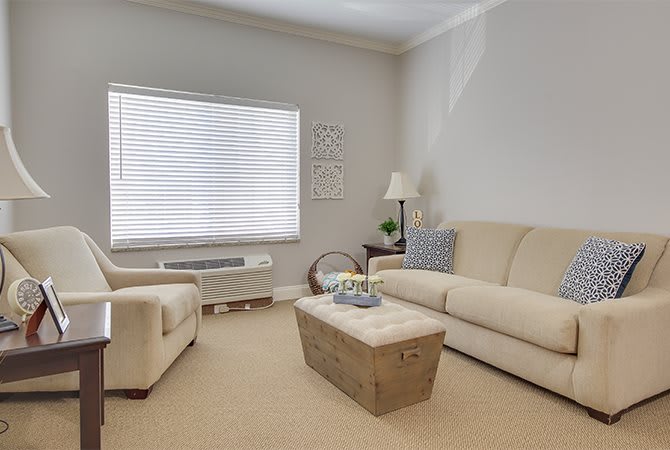
 Fully furnished
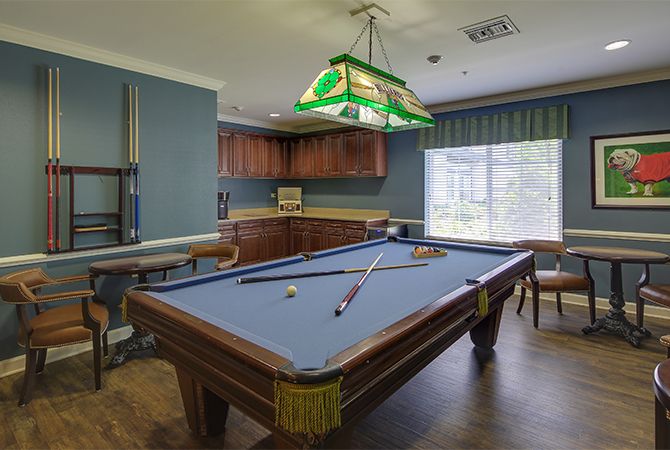
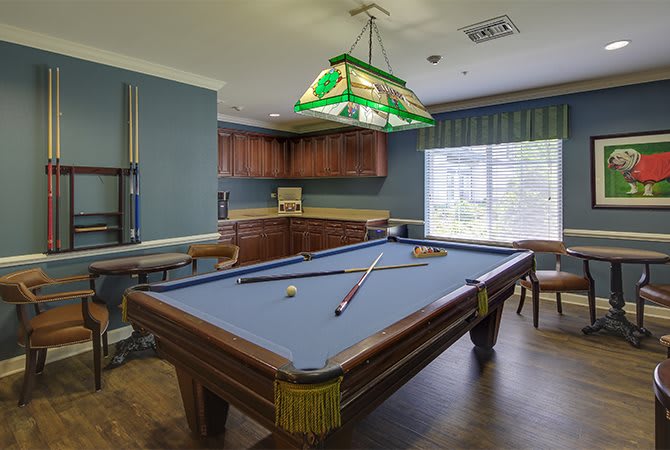
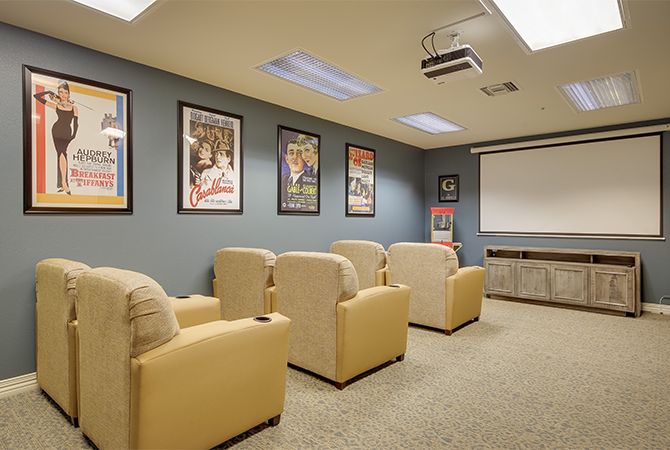
 Gaming room
 Garden
 Ground floor units
 Housekeeping services
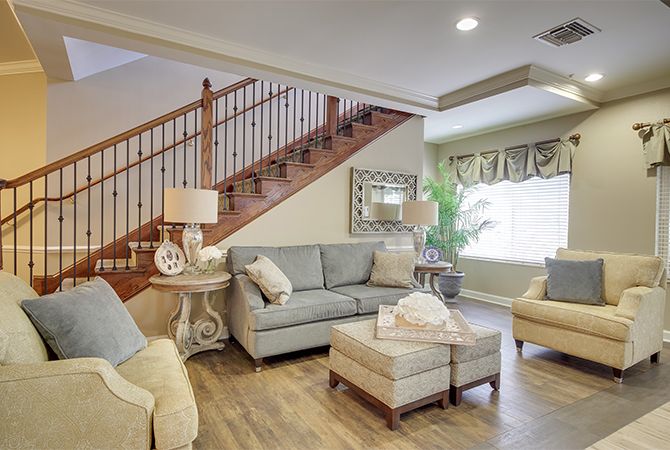
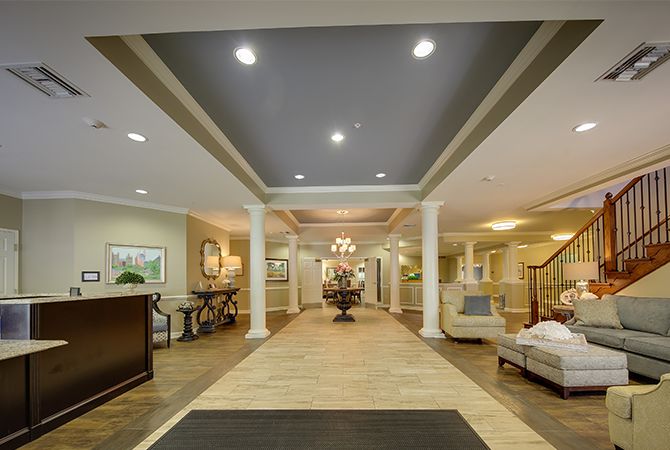
 Indoor common areas
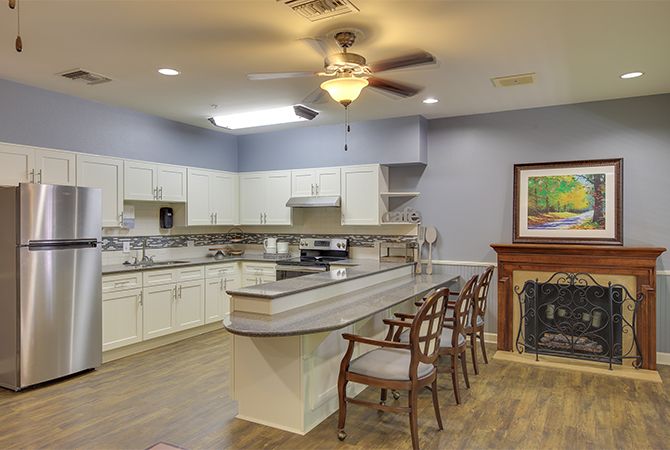
 Kitchenette
 Move-in coordination
 Outdoor common areas
 Private bathrooms
 Restaurant-style dining
 Small library
 Telephone
 Wellness center
 Wheelchair accessible showers
 Wi-Fi/high-speed internet available
 William B Hartsfield-Atlanta International (24 miles away)
 Community operated transportation
 12-16 hour nursing
 24-hour call system
 Ambulatory care
 Assistance with bathing
 Assistance with dressing
 Assistance with transfers
 Diabetes diet
 Diabetic care
 Incontinence care
 Medication management
 Mental wellness program
 Special dietary restrictions
 Art classes
 Catholic services
 Concierge services
 Cooking classes
 Educational speakers / life long learning
 Jewish services
 Planned day trips




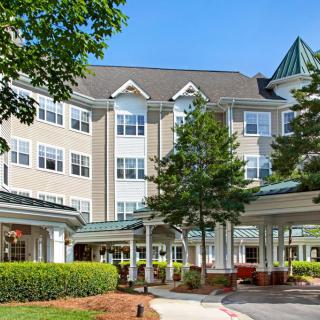



 Vibrant Senior Living: A Comprehensive Guide for Active Older Adults
 Assisted Living and Memory Care: Understanding Their Core Differences
 Choosing the Right Senior Care: A Detailed Exploration of Assisted Living and Nursing Homes