
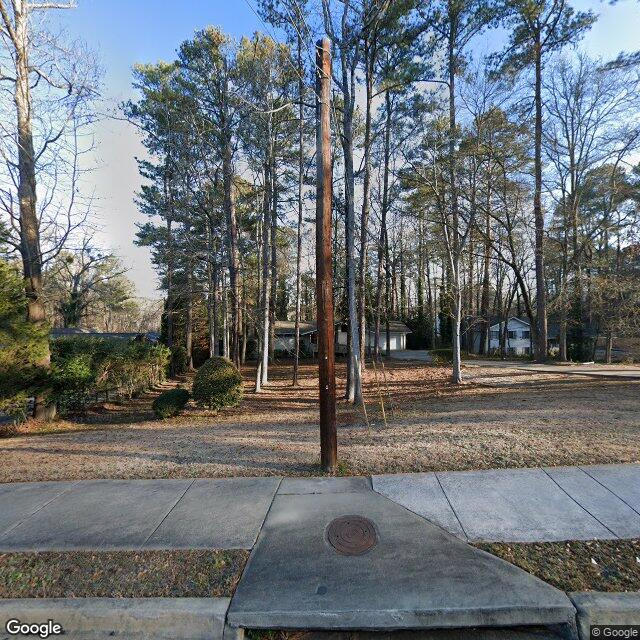
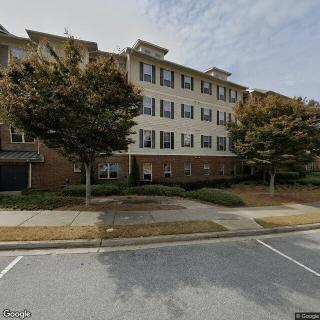
1714 South Johnson Ferry Road NE, Atlanta, GA 30319
To contact a resident: (404) 851-0160
For more information about senior living options: (866) 208-4318
Care Angels Personal Care Home Costs & Pricing
Care Angels Personal Care Home offers competitive pricing for its services, with a monthly cost of $3,000 for both private rooms and one-bedroom accommodations. When compared to the average costs in Fulton County, which stand at $3,203 for private rooms and $3,411 for one-bedroom units, Care Angels represents a cost-effective option without compromising on quality. Additionally, the rates are slightly above the state average of $2,864 for private rooms and align closely with the state's average of $3,412 for one-bedroom accommodations. This positioning highlights Care Angels as an appealing choice for families seeking a balance between affordability and care quality in their loved ones' living arrangements.
| Floor plans | Care Angels Personal Care Home | Fulton County | Georgia |
|---|---|---|---|
| Private | $3,000 | $3,203 | $2,864 |
| 1 Bedroom | $3,000 | $3,411 | $3,412 |
Memory care communities with a similar price nearby
-
from -$500 / mo
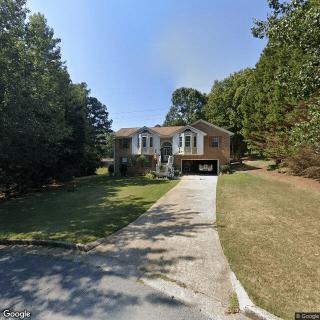
Serenity Living Personal Care Home
$2,500 to $4,050 / month22.8 miles away -
from -$500 / mo

A & C Personal Care Home
$2,500 to $4,000 / month17.0 miles away -
from -$500 / mo
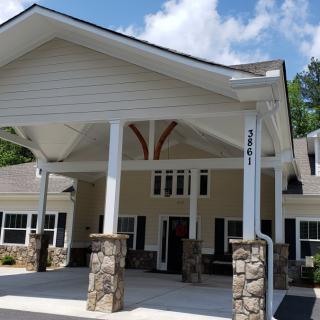
Green Park at Kennesaw
$2,500 to $5,500 / month16.8 miles away -
from -$500 / mo

Golden Manor Senior Living
$2,500 to $4,445 / month19.8 miles away -
from +$500 / mo
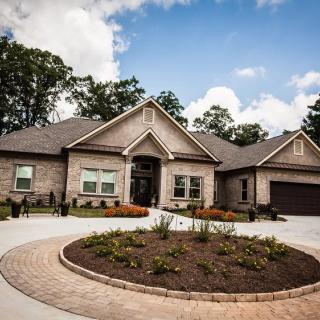
Tender Personal Care Home #2
$3,500 to $4,000 / month21.0 miles away
Overall Review of Care Angels Personal Care Home
Pros
 Esther was extremely kind, caring, and agreeable with the mom.
- Esther cared for the mom for four months during 2024–2025.
- The reviewer would highly recommend her to care for a loved one.
- The reviewer was very happy with her care.
- The mom has made a great transition in just one week, and Personal Care's name is apt.
Review
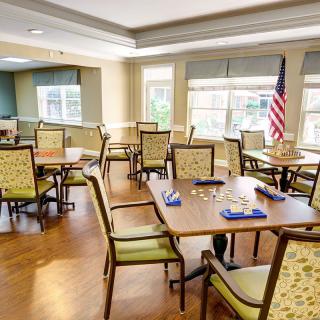
Care Angels Personal Care Home in Atlanta is best suited for seniors who want a small, home-like environment where daily living support comes from a steady, individual caregiver presence. The reviews point to a setting that emphasizes warmth, attentiveness, and a personal touch over clinical formality, an environment ideal for someone transitioning from independent living to needing hands-on help with routines, meals, dressing, and companionship. Families facing the emotional challenge of relinquishing independence will likely value the facility’s approach, particularly when a single caregiver or a small team builds trust with the resident and their loved ones. The stories about Esther suggest a stable, personable model rather than a generic, impersonal care setting.
However, this community may not be the right fit for every senior. For residents who require ongoing skilled nursing, complex medical management, regular IV therapies, or memory-care-specific programming, larger assisted-living communities or dedicated memory-care facilities may provide the level of medical oversight and structure those needs demand. The information available from reviews emphasizes personal care and transition rather than medical services, which implies a more limited scope. If safety nets beyond daily living assistance are essential, such as on-site clinical staff around the clock, robust medication management, or dementia-focused programming, alternatives should be considered.
On the plus side, the strongest pro is the quality of caregiving relationships. Esther’s care for a resident over four months is described as extremely kind, caring, and agreeable, and reviewers express strong confidence in the care provided. A week-long transition described as smooth reinforces that residents are not simply dropped into a facility but eased into a routine that respects their pace and preferences. The name Personal Care is not rhetorical; the feedback suggests a genuine focus on intimate, day-to-day assistance, with a setting that feels more like a home than a hospital ward. For families prioritizing emotional comfort and continuity, this is a decisive advantage.
Still, the narratives do not reveal how medical contingencies are handled or what the day-to-day activity calendar looks like, and there is little detail about staff depth or nighttime coverage. The absence of explicit drawbacks in the short reviews may reflect satisfaction more than a comprehensive program description. The offset comes from the very strengths that attract families: a calm, homey atmosphere, stable caregiver relationships, and a patient-focused approach that reduces stress for residents who resist change. For someone who thrives on routine, predictable support, these elements often outweigh the lack of visible medical programming.
When evaluating Care Angels, families should seek specifics to confirm fit. Inquire about staff-to-resident ratios, whether a licensed nurse is on-site or on-call, and how medications are managed and reconciled. Ask about the emergency response plan, sleep coverage, and whether the home can accommodate mobility aids and infusion or wound-care needs if they arise. Clarify meal service quality, dietary accommodations, and the frequency of family updates. Finally, explore the resident’s ability to participate in social or recreational activities and how staff integrate preferred routines into the day. These details will determine whether the home’s personal-care strengths align with long-term needs.
Overall, Care Angels Personal Care Home stands out for seniors seeking a compassionate, homelike setting where daily living support is delivered with consistent warmth. It is especially well-suited to those navigating a transition from independence who value a steady, personal caregiver relationship and a peaceful environment. Those requiring robust medical oversight, memory-specific programming, or a larger community feel should actively compare alternatives. With the right fit, families will likely experience less resistance from a loved one and greater peace of mind about daily care, safety, and companionship in this Atlanta home.
 Board and Care Home
 Memory Care
 Private
 William B Hartsfield-Atlanta International (18 miles away)
 Diabetic care
 High acuity care
 Incontinence care
 Medication management






 22 Remarkable Caregiver Support Groups Available Online and In-Person
 Understanding Medicaid Coverage for Assisted Living: A Comprehensive Guide
 How and When Medicaid May Cover Assisted Living Costs