The Isidora Assisted Living Facility Costs & Pricing
The Isidora Assisted Living Facility offers competitive pricing for its accommodations compared to both Hernando County and the broader state of Florida. For a semi-private room, residents can expect to pay $2,300 per month, which is notably lower than the county average of $2,810 and significantly less than the state average of $3,009. Similarly, for those seeking a private room, The Isidora charges $2,500 monthly - again more affordable than Hernando County's average of $3,568 and Florida's statewide average of $3,699. These figures indicate that The Isidora not only provides quality care but also represents a more economical choice in assisted living within the region.
Floor plans
The Isidora Assisted Living Facility
Hernando County
Florida
Semi-Private
$2,300
$2,810
$3,009
Private
$2,500
$3,568
$3,699
Memory care communities with a similar price nearby
Overall Review of The Isidora Assisted Living Facility
differentiator32 reviews mention this
Care feels personal and respectful
Residents describe care that feels tailored, attentive, and respectful.
Many reviews emphasize that residents are treated with dignity and that staff take time to understand individual preferences. A few reviewers also mention care being organized around residents rather than forcing rigid scheduling. Even in a shorter stay, families describe a positive care experience and follow-through.
common28 reviews mention this
Clean home-like environment stands out
Reviews consistently highlight a very clean, home-like setting.
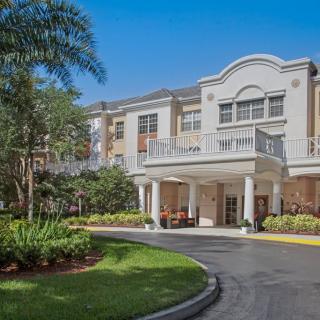
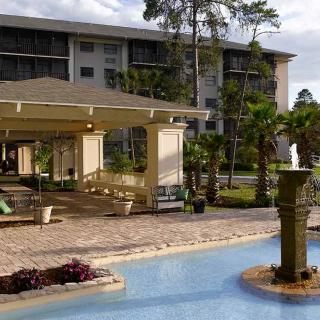
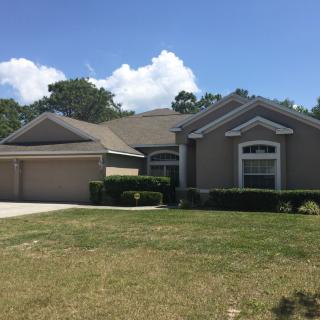
Multiple reviewers call out cleanliness as one of the first things they noticed, including that the facility looks well maintained and comfortable. Several families describe the place as feeling like a home rather than an institutional setting. A review also notes the environment being welcoming and pleasant during visits and tours.
caveat3 reviews mention this
Staff communication and responsiveness vary
Some reviews raise concerns about getting timely help from staff.
One review describes a situation where staff did not assist after being asked, despite bringing food, and questions the time it took to receive help. Others still praise staff as attentive and caring, so experiences may depend on the situation or timing. Another review also notes that the facility was not able to take temporary patients at a particular time due to a move, which may affect availability.
caveat2 reviews mention this
Activities may be limited day-to-day
Some residents and families say activities can be more limited than advertised.
A review questions how often activities happen, saying the facility mostly sits and watches TV when activities are expected. At the same time, the community offers activities on-site and off-site, so the difference may be in scheduling or frequency. This makes it best to confirm the activity calendar based on the specific day and resident preferences.
differentiator2 reviews mention this
Pricing is below county and state
Pricing is positioned below county and state benchmarks for units shown.
The listed price range is $2,300 to $2,500, and it is presented as below both county and state benchmarks for the unit types shown. If cost is a key factor, this is one of the clearer differentiators among the available information. Families can still compare what care needs are included within that range, since reviews focus more on day-to-day care than on line-item pricing.
How we summarize
Counts show how many written reviews mention each theme; a review can touch several themes, and only frequently mentioned themes are displayed.
Features
Types of Care
Board and Care Home
Day Program
Memory Care
Amenities
Activities off-site
Activities on-site
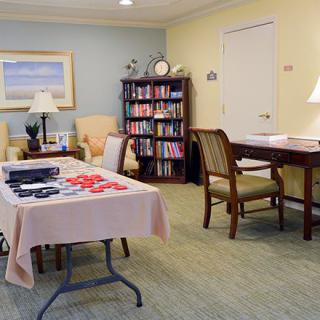
Indoor common areas
Outdoor common areas
Private
Private bathrooms
Respite or short term stays offered
Wheelchair accessible showers
Care Services
Ambulatory care
Incontinence care
Medication management
Dining
Kosher
Meals provided
Vegetarian
Activities
Activities off-site
Activities on-site
Nearby Places of Interest
This part of Spring Hill, Florida, is a diverse and convenient area with numerous healthcare options such as primary care physicians, women's health centers, pediatric care facilities, and pharmacies all within a short distance. There are also various dining choices ranging from fast food to casual dining experiences. For recreation, there are parks nearby where one can enjoy outdoor activities. Additionally, there are multiple places of worship for spiritual fulfillment and a theater for entertainment. The proximity to Spring Hill Regional Hospital ensures easy access to medical care if needed. Overall, this neighborhood offers accessibility to essential services and amenities that cater to the needs of seniors looking for a comfortable and convenient living environment.
Physicians
Spring Hill Primary Care (1.3 miles)
Advanced Women's Health Center (1.4 miles)
All Pediatric Care Spring Hill (1.4 miles)
Ocean Pediatric Care And After Hours Care (1.5 miles)
Access Healthcare (1.6 miles)
My Gynecologist (2 miles)
Family Podiatry Center (2.3 miles)
Pharmacies
Pine Brook Pharmacy #3 (1.3 miles)
Winn-Dixie (1.4 miles)
Walgreens (1.5 miles)
CVS Pharmacy (1.6 miles)
Walgreens (2.1 miles)
Walgreens (3 miles)
Winn-Dixie (3.1 miles)
Restaurants
Nouvelle Cuisine (1.4 miles)
McDonald's (1.4 miles)
Breakfast Club of Seven Hills (1.5 miles)
Taco Bell (1.6 miles)
Applebee's (1.7 miles)
McDonald's (3.1 miles)
IHOP (3.4 miles)
Hospitals
Spring Hill Regional Hospital (1.7 miles)
HCA Healthcare (5.9 miles)
Parks
Veterans Memorial Park (2.7 miles)
Rotary Centennial Dog Park Spring Hill (2.9 miles)
Cafes
Jam's Breakfast & Lunch Cafe (3.1 miles)
Panera Bread (4.1 miles)
Places of Worship
Temple Beth David Jewish Center (3.5 miles)
Crosspoint Church Future Main Campus (4.8 miles)
Christian Church in the Wildwood (5.9 miles)
Theaters
Spring Hill 8 - Sapphire Motion Pictures (3.7 miles)
The Isidora Assisted Living Facility offers competitive pricing for its accommodations compared to both Hernando County and the broader state of Florida. For a semi-private room, residents can expect to pay $2,300 per month, which is notably lower than the county average of $2,810 and significantly less than the state average of $3,009. Similarly, for those seeking a private room, The Isidora charges $2,500 monthly - again more affordable than Hernando County's average of $3,568 and Florida's statewide average of $3,699. These figures indicate that The Isidora not only provides quality care but also represents a more economical choice in assisted living within the region.
The Isidora Assisted Living Facility's medication management service ensures that residents receive their prescribed medications accurately and on time, which is crucial for individuals with dementia or Alzheimer's who may struggle with memory and cognitive tasks. By maintaining a structured regimen, this feature minimizes the risk of missed doses or accidental overdose, thereby promoting overall health and stability. Incontinence care further enhances the quality of life for residents by providing dignity and comfort through discreet support tailored to individual needs. This specialized assistance reduces the anxiety often associated with incontinence issues, allowing residents to focus on daily activities without fear or embarrassment. Together, these features create a more supportive environment that caters to both medical needs and personal dignity.
Nearby Communities
Spring Hill AFCH
Spring Hill, FL
4.5 from 2 reviews
$2,900 to $4,000 / month
Attentive staff with personalized care and proactive health advocacy.
Christian Ray Of Light
Spring Hill, FL
$2,100 to $2,900 / month
Specialized memory care with comprehensive support and on-site amenities.
Jones, Evelyn
Spring Hill, FL
Brookdale Spring Hill
Spring Hill, FL
4.4 from 102 reviews
$3,400 to $3,740 / month
Senior Helpers - Spring Hill, FL
Spring Hill, FL
4.5 from 87 reviews
Compassionate, professional caregivers who assist with daily tasks and provide companionship.
Long, Cheri
Spring Hill, FL
Nearby dining, parks, healthcare, worship, theater, and a hospital provide convenient access.
The Residence At Timber Pines Senior Living
Spring Hill, FL
4.7 from 170 reviews
$3,180 to $5,735 / month
Modern, clean facilities with friendly staff and engaging activities.
Salishan Gracious Retirement Living
Spring Hill, FL
4.7 from 104 reviews
$1,895 / month
Beautiful, well-maintained independent living with attentive staff, fine-dining quality, and engaging amenities.
Vitality Living Spring Hill
Spring Hill, FL
4.5 from 259 reviews
$2,305 to $4,305 / month
Friendly staff, welcoming atmosphere, and engaging activities for residents.
Sundown syndrome, or sundowning, is a phenomenon in dementia patients characterized by increased confusion and agitation during late afternoon and evening, influenced by factors like disrupted circadian rhythms and fatigue. Effective caregiver strategies include establishing routines and managing environmental light while addressing caregiver stress through support services.
Delirium is a rapidly onset, reversible cognitive disturbance often caused by acute medical issues, while dementia is a gradual and irreversible decline due to chronic neurodegenerative diseases. Accurate differentiation between the two is essential for appropriate treatment and management in older adults.
Dementia, including Alzheimer’s disease, is often mischaracterized in terms of lethality as it leads to complications that can be fatal rather than being a direct cause of death; it causes a progressive decline in cognitive and physical health, making patients vulnerable to infections and other health crises. Effective management of nutrition, hydration, and communication is crucial in patient care, with palliative care becoming vital in advanced stages to enhance comfort and quality of life while caregivers play a key role amidst the challenges posed by the disease.
Get PricingAsk A QuestionSchedule A TourContact Senior Advisor
By clicking submit, you agree to our Partner's Terms of Use. You
also consent to receive calls and texts, which may be autodialed, from our Partner. Your consent is not a condition to
using our Partner's service. Please visit our Partner's Privacy Policy for information about their privacy practices.

 Board and Care Home
 Day Program
 Memory Care
 Indoor common areas
 Outdoor common areas
 Private
 Private bathrooms
 Respite or short term stays offered
 Wheelchair accessible showers
 Ambulatory care
 Incontinence care
 Medication management
 Kosher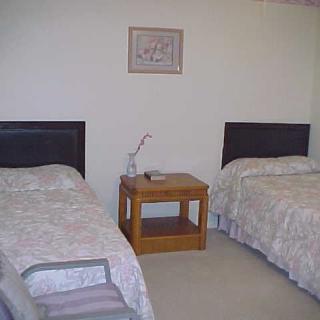
 Attentive staff with personalized care and proactive health advocacy.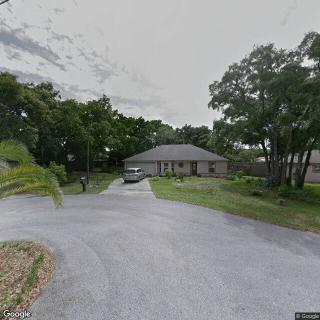
 Comprehending Evening Confusion in Dementia: Causes, Manifestations, and Support
 Delirium and Dementia: Unraveling the Key Differences
 Are Dementia and Alzheimer's Disease Lethal? A Comprehensive Exploration