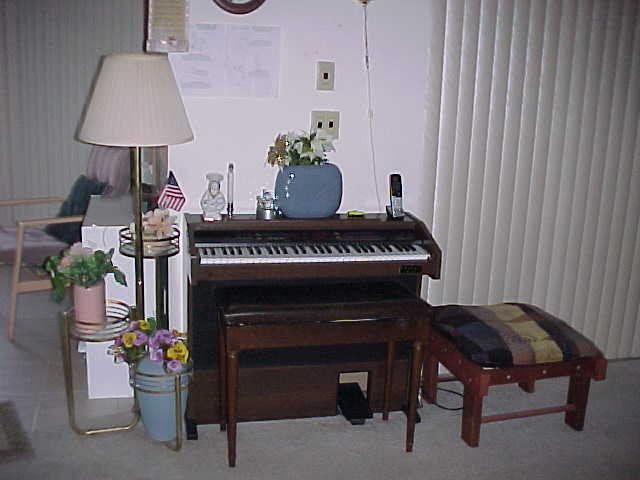
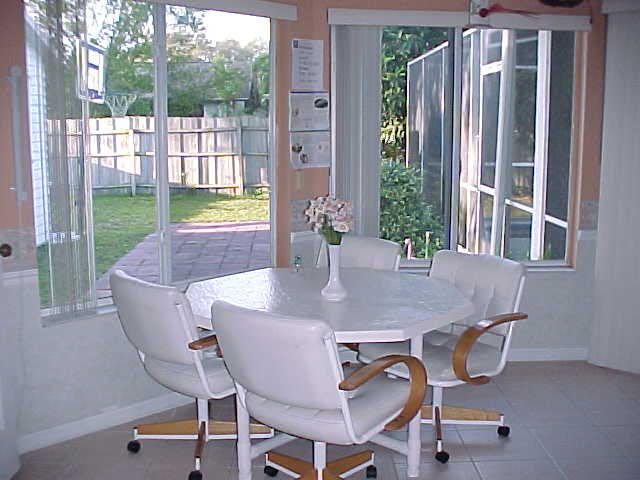
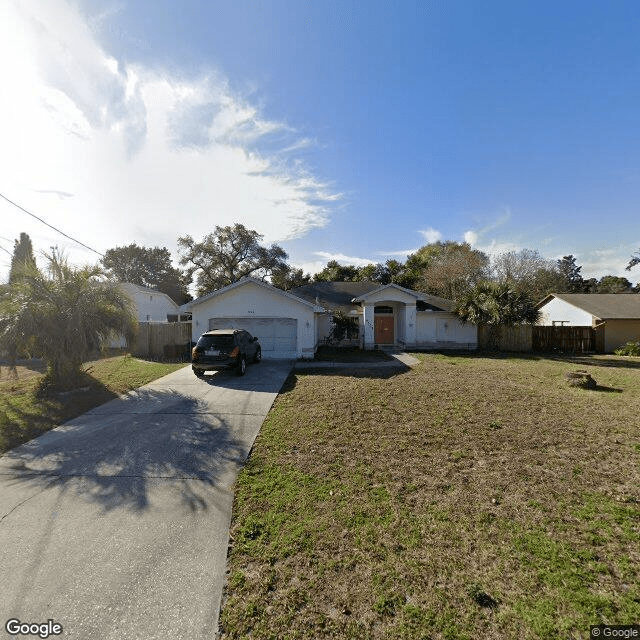
9302 Gerona Street, Spring Hill, FL 34608
To contact a resident: (352) 584-9431
For more information about senior living options: (866) 208-4318
Spring Hill AFCH Costs & Pricing
Spring Hill AFCH offers competitive pricing for its residential care options in comparison to both Hernando County and the broader state of Florida. For a semi-private room, residents at Spring Hill AFCH can expect to pay $2,900 per month, which is slightly higher than the county average of $2,810 but still more affordable than the state average of $3,009. When it comes to private rooms, the cost at Spring Hill AFCH is set at $4,000 per month; while this is above the county average of $3,568 and the state average of $3,699, it reflects the quality and personalized care provided by the facility. Overall, Spring Hill AFCH provides a strong value proposition in residential care with a focus on ensuring a supportive living environment for its residents.
| Floor plans | Spring Hill AFCH | Hernando County | Florida |
|---|---|---|---|
| Semi-Private | $2,900 | $2,810 | $3,009 |
| Private | $4,000 | $3,568 | $3,699 |
Memory care communities with a similar price nearby
-
from -$400 / mo
The Palms Assisted Living
$2,500 / month1.9 miles away -
from +$100 / mo
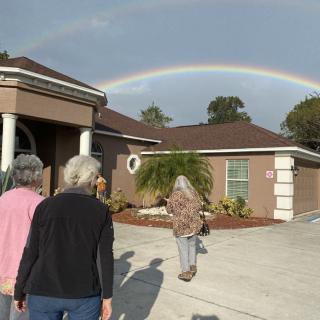
Cobblestone Manor
$3,000 to $4,850 / month2.6 miles away -
from +$280 / mo
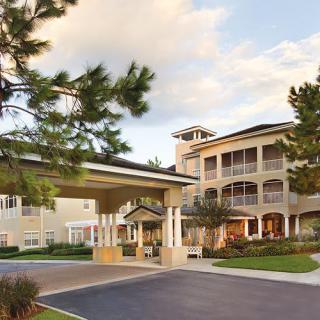
The Residence At Timber Pines Senior Living
$3,180 to $5,735 / month3.1 miles away -
from +$100 / mo
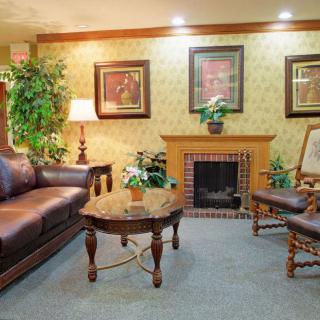
Forest Oaks of Spring Hill
$3,000 to $3,500 / month2.8 miles away -
from -$400 / mo
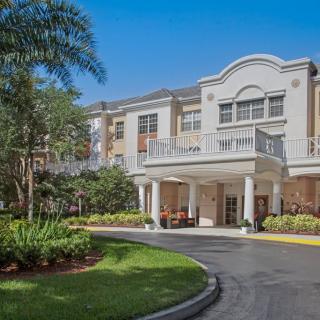
Tampa Gardens Senior Living
$2,500 to $4,100 / month24.3 miles away
Overall Review of Spring Hill AFCH
Pros
 The community did a better job keeping an eye on him.
- He was in a good environment.
- The environment was positive and healthy, with caring people who advocate for residents when they cannot advocate for themselves.
Cons
 The community was unable to provide him his medicine.
Review
Spring Hill AFCH in Spring Hill, Florida, is best suited for families seeking a warm, small-community atmosphere where staff actively watch over residents and advocate when needed. The setting emphasizes a home-like daily life, stable routines, and genuine caregiver attention, making it ideal for seniors who value safety, companionship, and hands-on advocacy over clinical intensity. It works well for individuals who can thrive with steady oversight and a steady, personable staff, rather than those requiring constant on-site nursing or hospital-level medical services.
Those for whom this community may not be the best fit are the families prioritizing flawless medication management and daily access to licensed nursing care. The most notable drawback cited is an instance where staff could not provide a resident’s prescribed medicine, signaling potential gaps in med passes, pharmacy coordination, or nurse availability. Before committing, it’s essential to confirm the exact med-management plan: who administers meds, the hours of licensed nursing presence, how medications are tracked, and whether pharmacy oversight is formalized. For residents on complex or high-risk regimens, this requires a rigorous, clearly documented process.
On the positive side, the environment is described as healthy and the staff as genuinely caring, with a strong culture of advocacy. Families note that caregivers will advocate for residents when personal ability to speak up is limited, which translates into practical safety and decision-making support. One reviewer specifically highlights improved monitoring of a loved one, implying closer observation for changes in condition, timeliness of responses, and a sense that someone consistently has a watchful eye. Taken together, these elements create daily life that feels secure, respectful, and emotionally supportive, qualities that are deeply meaningful to families.
The medication-management concern cannot be dismissed, however, because it directly touches daily safety and well-being. A lapse in administering prescribed meds can lead to symptom flare-ups, confusion, and increased caregiver burden at home. Prospective residents should enter with a clear understanding of the med-pass routine and a documented plan for how medications are handled during evenings, weekends, and nurse-only hours. The site should provide a transparent med-management policy, a point of contact for med issues, and access to med-pass logs or confirmations. When these systems are solid, the risk becomes manageable and the overall experience aligns with the described advocating culture.
Overall, Spring Hill AFCH presents a solid option for families who prize a humane, connected living environment and staff who actively advocate for residents. The two reviews register a strong, generally favorable impression, evidenced by a 4.5 overall rating with a 5-star and a 4-star entry, yet the small sample size means the picture is meaningful but not exhaustive. The decisive factor for many will be the med-management framework: if the facility can demonstrate reliable, licensed-nurse-backed medication oversight, the advantages, the safe environment, the proactive advocacy, and the everyday warmth, substantially outweigh the potential risk. For families willing to validate the med-process upfront, this community can deliver a stable, dignified home where residents are cared for by attentive, committed staff. If that validation cannot be obtained, it is prudent to explore alternatives with stronger on-site nursing and formalized med-pass procedures.
 Board and Care Home
 Memory Care
 Bath tubs
 Beautician on-site
 Indoor common areas
 Outdoor common areas
 Private
 Ambulatory care
 Incontinence care
 Medication management
 Kosher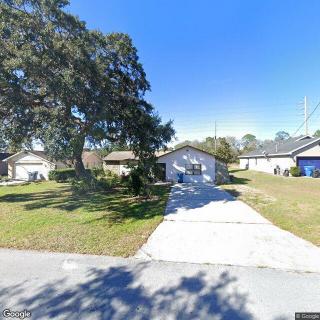



 Guiding Your Journey: Understanding Power of Attorney for Elderly Parents
 22 Remarkable Caregiver Support Groups Available Online and In-Person
 Understanding Medicaid Coverage for Assisted Living: A Comprehensive Guide