


2301 U.S. 27 South, Sebring, FL 33870
For more information about senior living options: (866) 208-4318
The Manor at Lake Jackson Costs & Pricing
The Manor at Lake Jackson presents a competitive pricing structure for its residents, positioning itself slightly above the county averages while remaining in line with statewide trends. For a studio, the monthly cost is $3,695, which is higher than Highland County's average of $3,322 but notably close to Florida's overall average of $3,823. In the case of one-bedroom accommodations, The Manor's charge of $4,195 exceeds both the county's average of $3,447 and the state's average of $3,864. This pricing reflects a commitment to quality services and amenities that may warrant the premium compared to local and state averages. Overall, while The Manor at Lake Jackson may be positioned at a higher price point within its immediate market, it likely aims to deliver value through enhanced living experiences.
| Floor plans | The Manor at Lake Jackson | Highlands County | Florida |
|---|---|---|---|
| Studio | $3,695 | $3,322 | $3,823 |
| 1 Bedroom | $4,195 | $3,447 | $3,864 |
Memory care communities with a similar price nearby
-
from -$695 / mo
Balmoral Assisted Living
$3,000 to $3,800 / month13.3 miles away
Overall Review of The Manor at Lake Jackson
Pros
 The Manor at Lake Jackson is an awesome place for loved ones.
- The facility is consistently clean and free of odors.
- The staff are always friendly and caring.
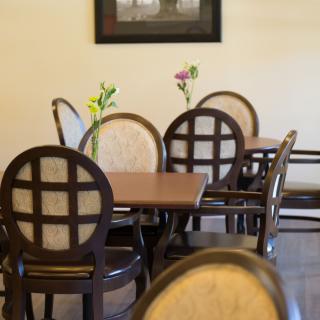
- The meals look great and dining is well received.
- The rooms are cleaned daily and residents are bathed and dressed.
- Activities create a very positive atmosphere.
- The staff are professional and caring, including with residents who have dementia.
- The Manor works well with hospice and accommodates dietary restrictions.
Cons
 The staff are unqualified to work with dementia patients.
- There is not enough staff, resulting in poor quality care.
- The ED and nurses avoid family members when concerns are raised.
- The facility is not truthful and makes promises it cannot keep.
- Residents are overmedicated and dehydrated, sitting in front of the TV.
- The residents do not have a voice because they have dementia, and their statements are not believed.
- Some residents were not bathed for days and their briefs had not been changed for hours.
- The facility was totally locked down and seemed designed for people who are mentally incapacitated.
Review
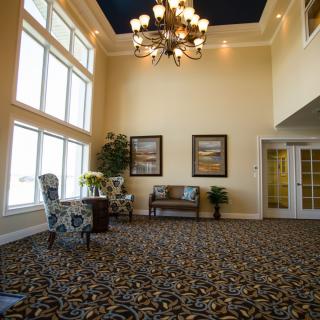
The Manor at Lake Jackson is best suited for seniors who want a bright, clean, and socially active assisted-living setting with a clear emphasis on gentle memory-care support. Families seeking a facility where daily life feels orderly and residents participate in structured activities, bingo, gardening, and small-group programs, will find a natural fit. The community’s strengths lie in visible cleanliness, courteous staff, reliable meal service, and a caregiving culture that tends to be patient with memory-impaired residents and those transitioning from more independent living. For families prioritizing a welcoming atmosphere and steady routines, this is a compelling option worth serious consideration.
Those who should consider alternatives are families facing higher acuity needs or demanding, high-touch medical oversight. A number of observers flag potential gaps in staffing and communication, which can matter when a loved one requires urgent problem-solving or has complex mobility issues. For residents with persistent wounds, persistent immobility, or advanced dementia needing highly aggressive management, the combination of reported staffing strain and slower responsiveness may heighten risk. In such cases, a facility with higher clinician-to-resident ratios and more predictable urgent-care protocols could be a wiser match.
On balance, the Manor’s advantages, cleanliness, friendly staff, accommodating menus, and a robust activity slate, do a strong job of creating daily comfort and social connection. Regular housekeeping and hygiene, coupled with staff who communicate about care and dietary restrictions, help families feel confident about basic quality of life. The ability to partner with hospice and tailor care to dietary orders further strengthens the day-to-day experience for many residents. When these positives line up with a resident’s needs, they effectively offset concerns about occasional communication gaps or slower responses during peak times.
Memory-care and dementia care are mixed in practice, which matters for decision makers. Several accounts praise patients’ kindness and patience from caregivers, yet others describe situations where staff struggled with escalating needs or failed to fully address concerns. The result is a nuanced picture: some residents thrive under attentive, consistent supervision, while others perceive limited advocacy or insufficient personalization. This suggests that outcomes depend heavily on which caregivers are assigned, how care plans are implemented, and whether family members stay highly engaged in monitoring and advocacy.
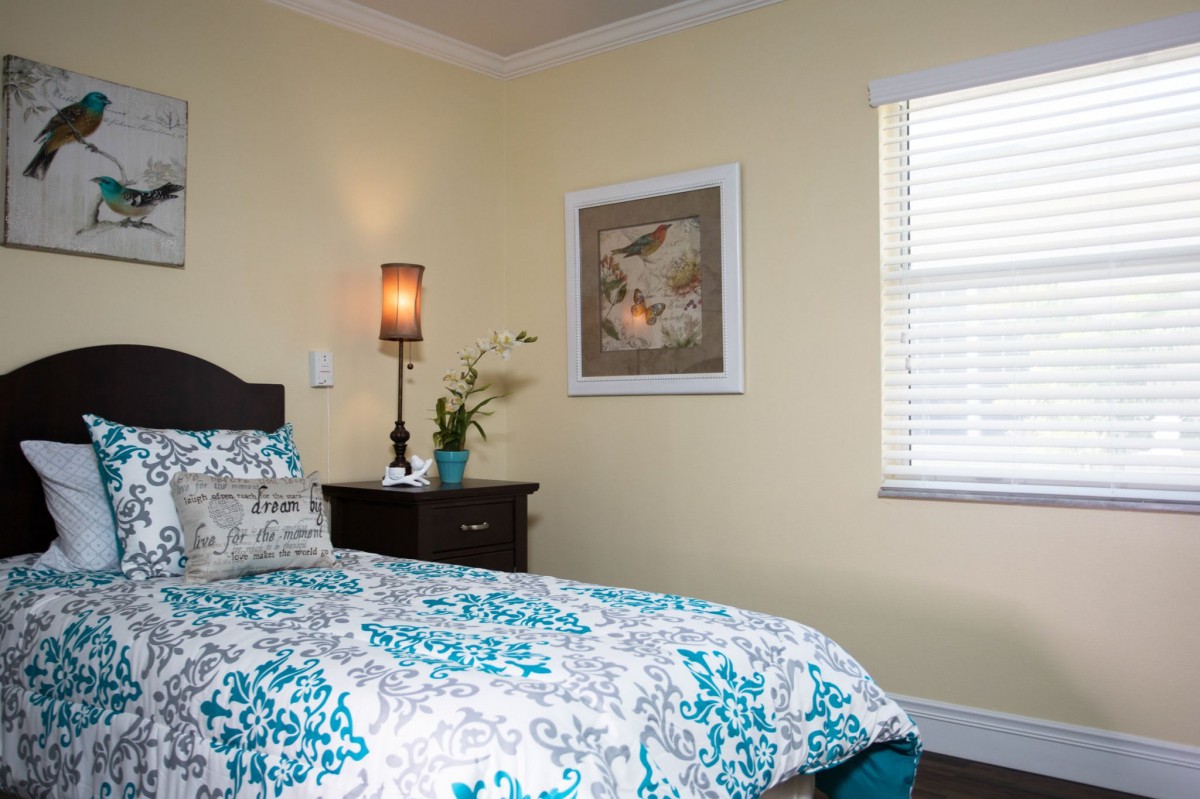
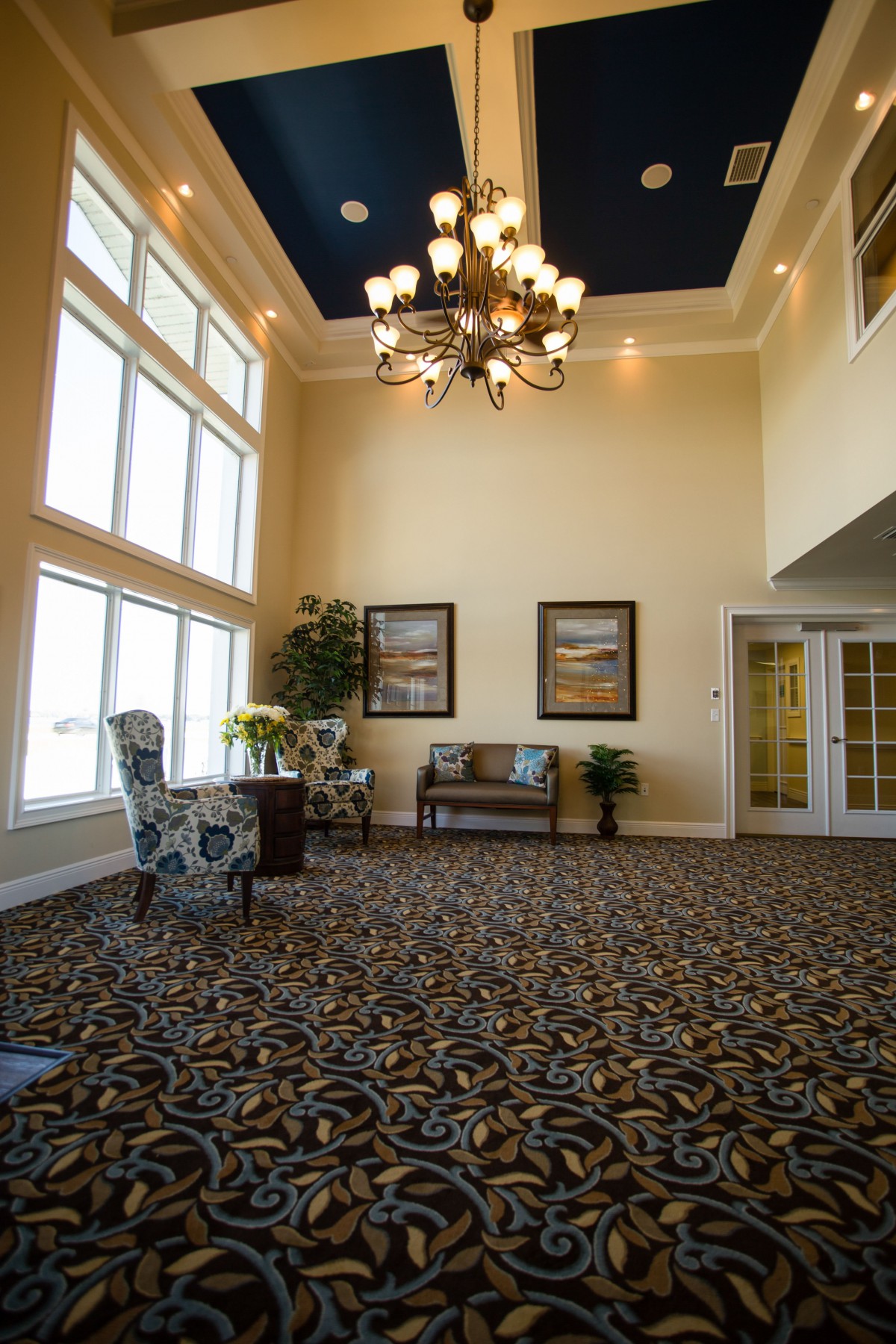
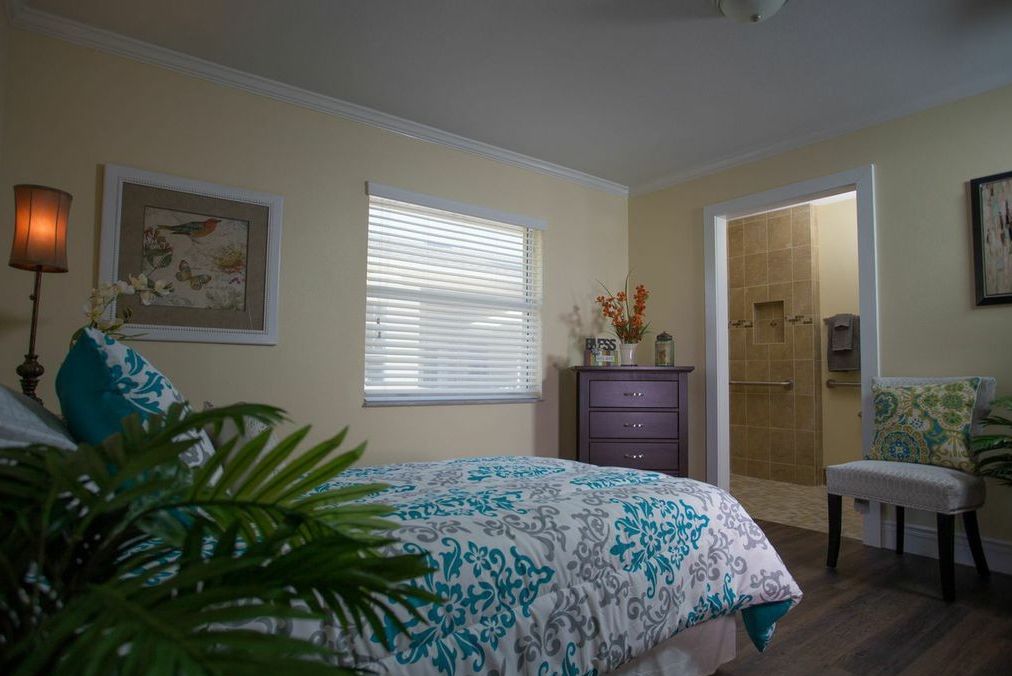
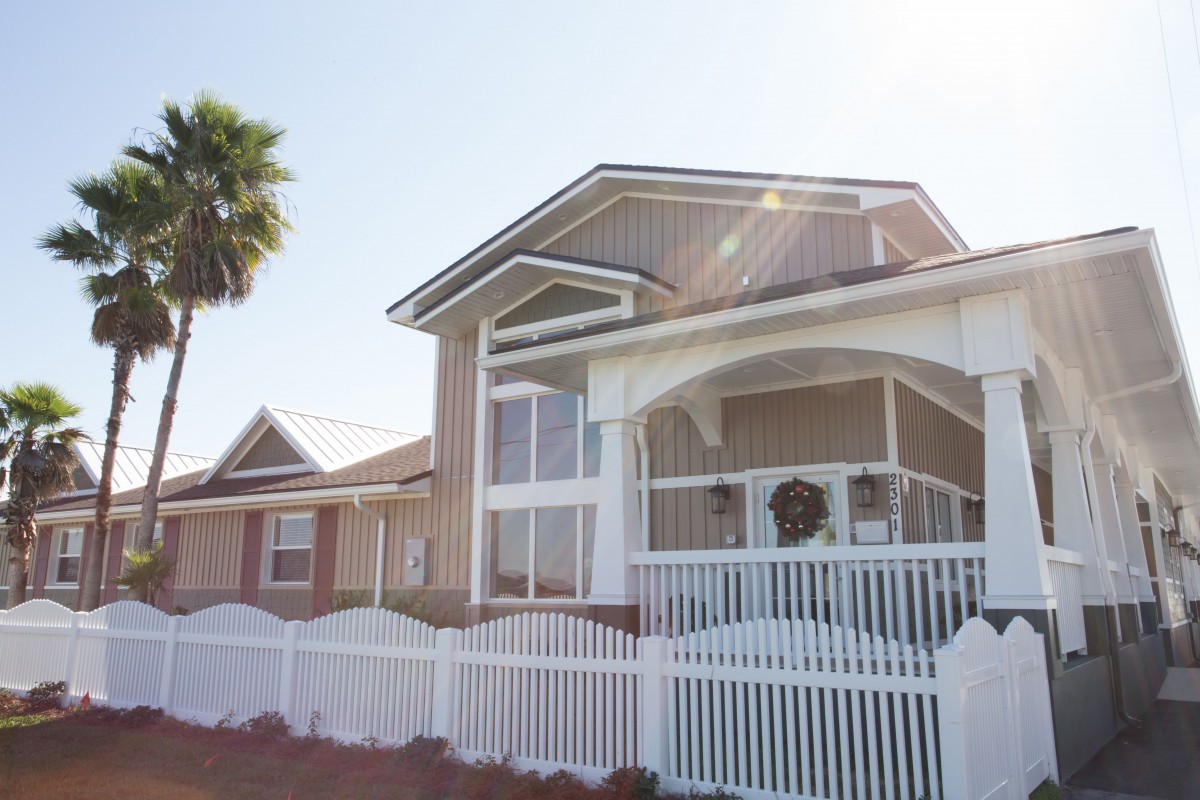
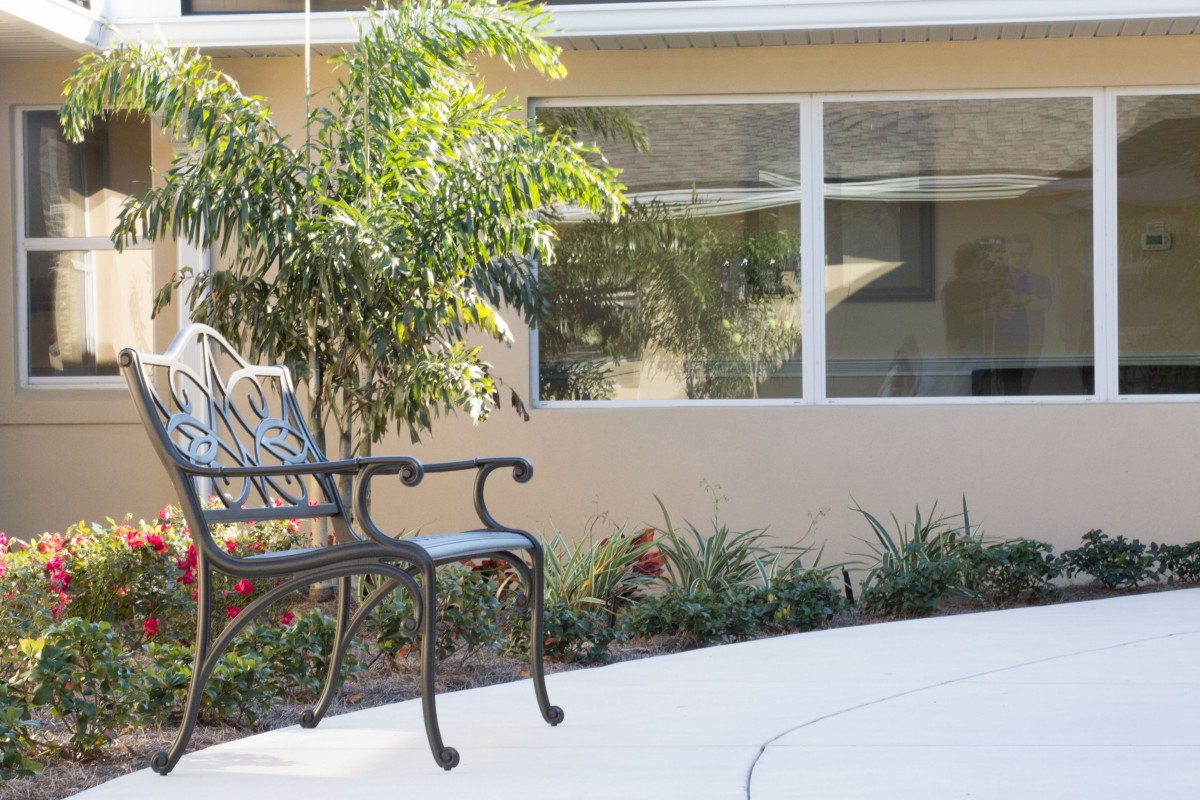
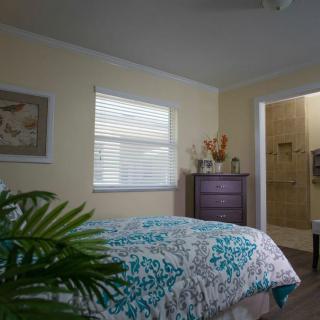
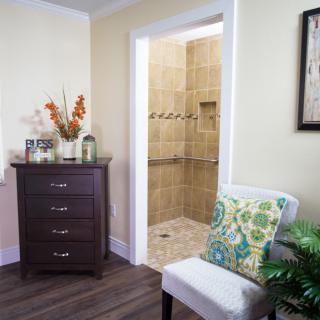
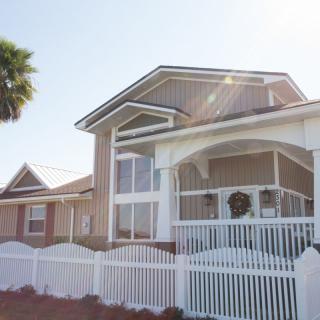
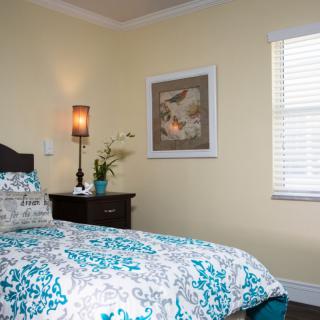
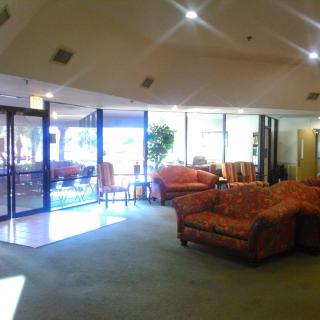
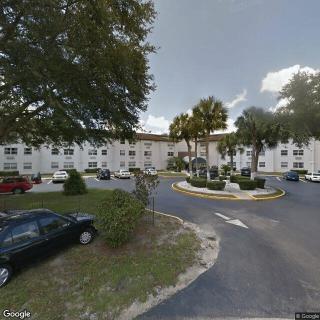
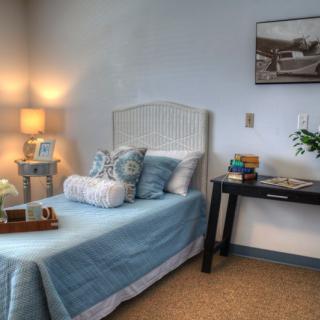
Space and ambiance contribute to the overall impression, though they are not the sole determinants of fit. Rooms tend to be smaller, even though they are clean and well maintained, and the facility’s design feels bright and functional. The exterior and interior upkeep are consistently praised, yet some reviewers note that amenities beyond the basics, more varied recreation, larger private rooms, or more expansive common areas, could better serve residents who crave different activities or more privacy. For those who value a warm, home-like environment with a strong emphasis on routine, these trade-offs are usually acceptable.
Bottom-line guidance centers on match pace and expectations. The Manor at Lake Jackson works well for seniors who need assisted living with consistent daily structure, compassionate staff, and a memory-care tilt that can be a good fit for early-stage needs. Families should enter with clear expectations about staffing, ask for current ratios, staffing patterns across shifts, and the process for handling concerns quickly and openly. Probe into daily care planning, oversight of dementia-related symptoms, and transparency around incident reporting. If a loved one requires intensive, always-on nursing attention or if consistent, proactive communication is non-negotiable, exploring alternatives and conducting a thorough on-site tour will help prevent misaligned expectations and ensure safety, engagement, and peace of mind.
 60 resident community capacity
 Studio apartments
 Memory Care
 Activities on-site
 Air-conditioning
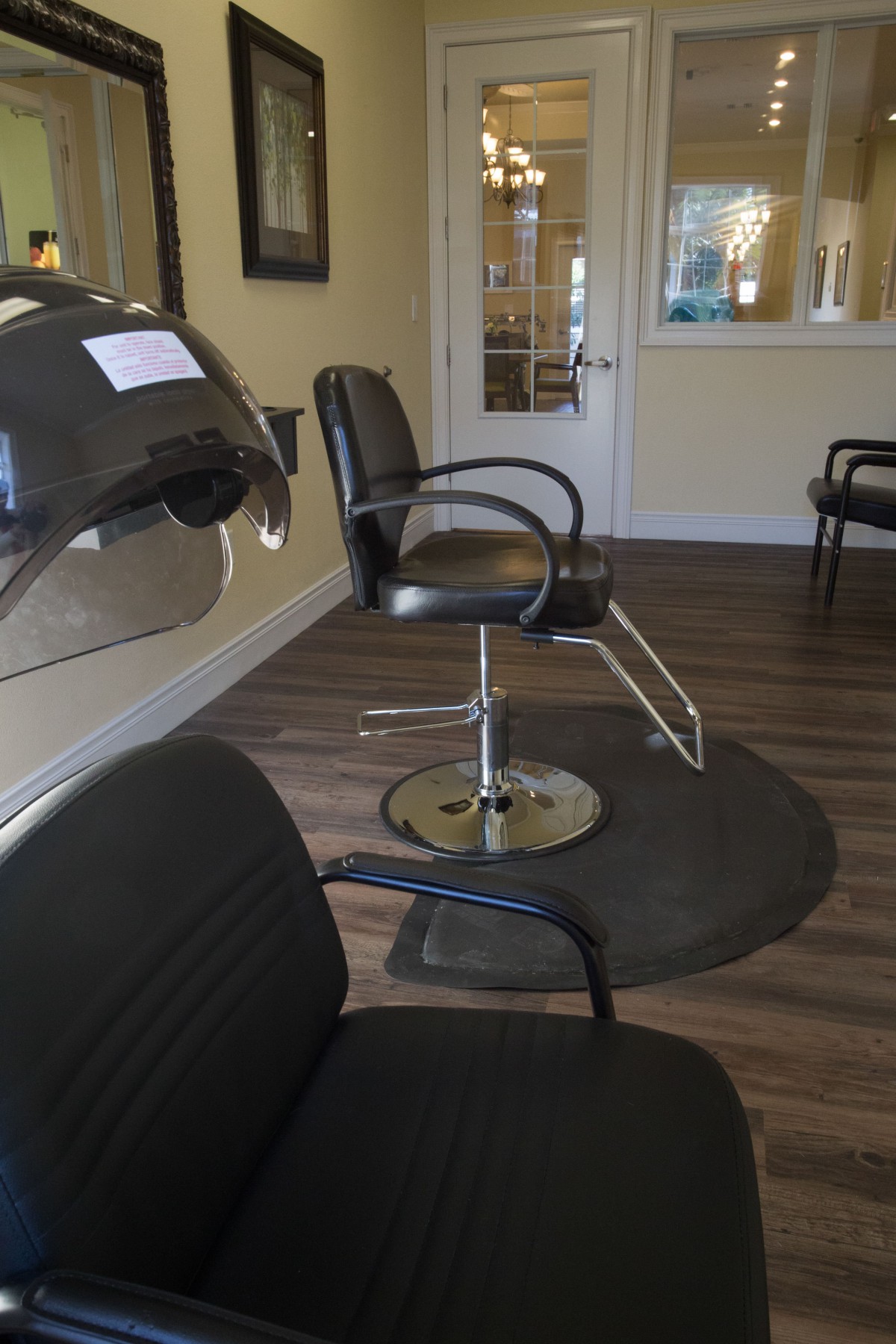
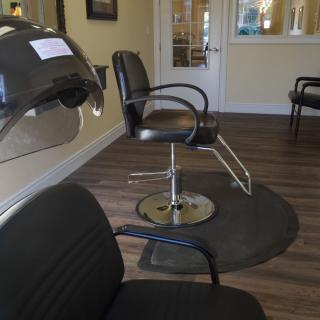
 Beautician on-site
 Cable or satellite TV
 Computer center
 Devotional services on-site
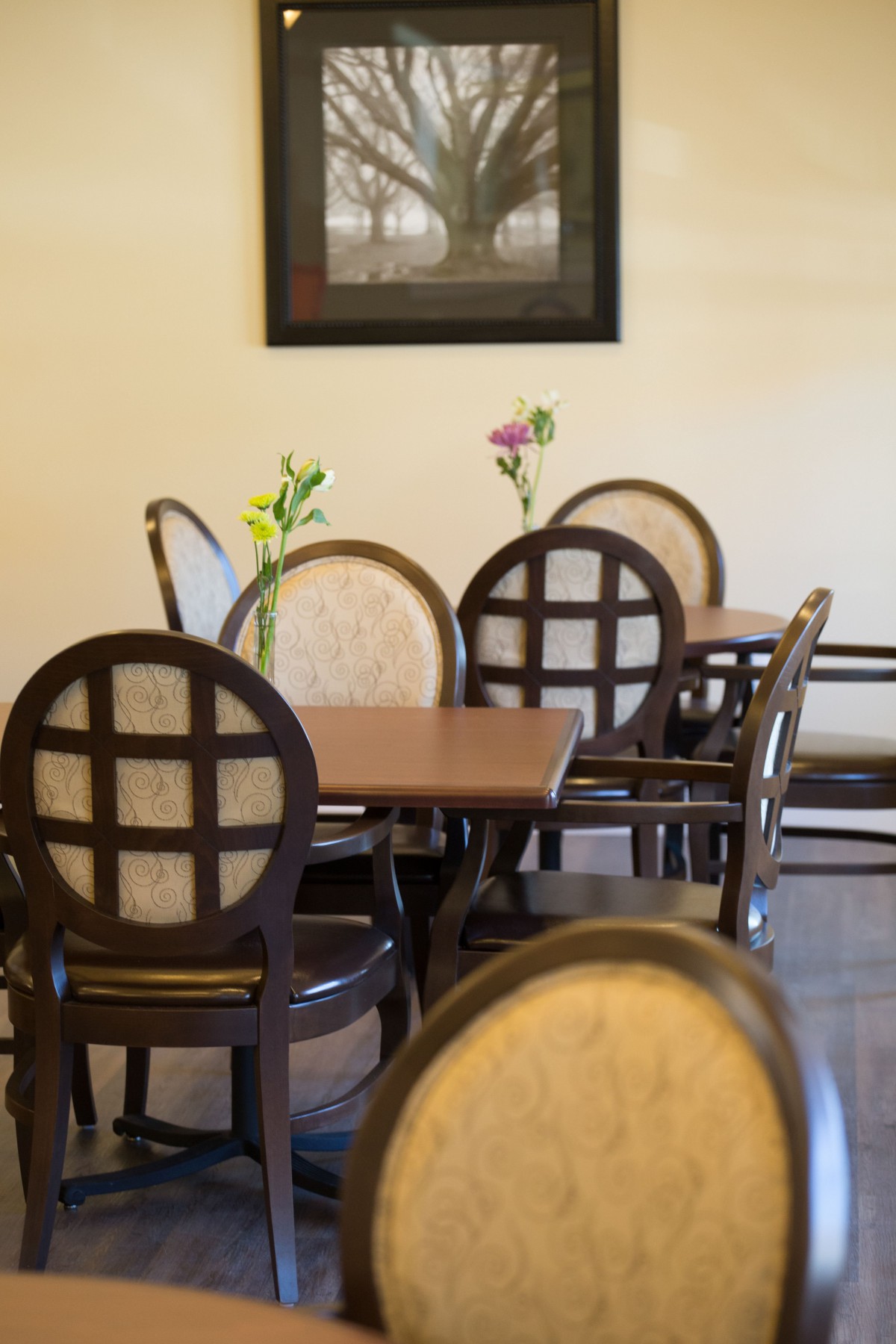
 Dining room
 Fitness room
 Fully furnished
 Gaming room
 Garden
 Housekeeping services
 Indoor common areas
 Kitchenette
 Laundry
 Move-in coordination
 Outdoor space
 Party space
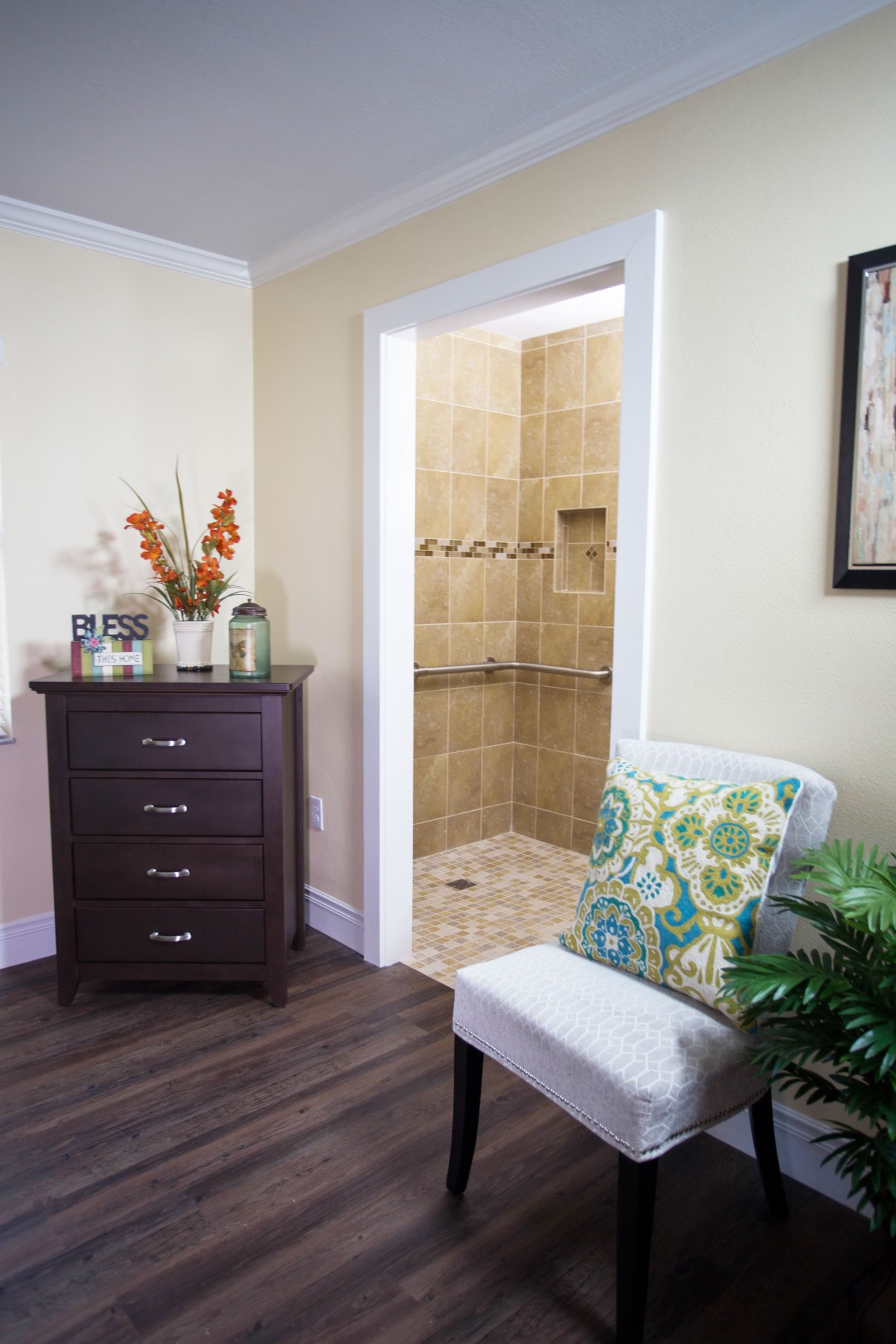
 Private bathrooms
 Restaurant-style dining
 Small library
 Telephone
 Wellness center
 Wi-Fi/high-speed internet available
 Community operated transportation
 24-hour call system
 Ambulatory care
 Assistance with bathing
 Assistance with dressing
 Assistance with transfers
 Diabetes diet
 Diabetic care
 Hospice care
 Medication management
 Mental wellness program
 Physical therapy
 Special dietary restrictions
 Transportation arrangement (medical)
 Art classes
 Concierge services
 Cooking club
 Educational speakers / life long learning
 Games
Games Live musical performances
 Planned day trips
 Sensory-based programs
 English

 Engaging Memory Care Activities That Enhance Quality of Life
 When to Transition from Assisted Living to Memory Care: Key Indicators, Steps, and Finding the Right Community
 Understanding the Distinctions: Assisted Living and Memory Care Explained