
2397 Us Highway 27 S, Sebring, FL 33870
For more information about senior living options: (866) 208-4318
Overall Review of Lakeshore Manor at Lake Jackson
Pros
 The staff at Lakeshore Manor are incredible and provide excellent care to residents.
- The administration and Family Advisor inspire confidence that residents receive the best possible care.
- Seeing a loved one well cared for by the staff provides peace of mind for families.
- The facility is clean, well maintained, and the apartments are nice.
- The dining area is adequate and the environment is pleasant.
- The staff are caring, professional, and attentive to residents.
- Families highly recommend Lakeshore Manor for an environment where loved ones flourish.
Cons
 The food is horrible and described as garbage with no nutrition.
- The director is an awful man who is not nice to the seniors.
- He parks his car in the senior drop-off area directly under the No Parking Any Time sign, showing disregard for rules.
- They would not recommend Lakeshore Manor to anybody.
- They had to move their mom out due to a horrible experience.
- There is no activities director and no bingo board because of money.
- The facility practices age discrimination, with an age limit of 62 and notices that younger residents are not given the same consideration.
- Promises about home health care and transportation were misrepresented or never delivered.
- The staff’s handling of deposits and fees was unfair, including keeping the community deposit and charging additional amounts.
Review
Lakeshore Manor at Lake Jackson is best suited for families that prize genuine, day-to-day caregiving warmth delivered by a stable team in a clean, well-kept setting. The facility often reads as a place where aides and nurses form real relationships with residents, and where a dedicated Family Advisor can translate medical needs into a workable care plan. For families who want hands-on attention, reassurance that daily routines are attended to, and a welcoming atmosphere as an aging-in-place option, Lakeshore can feel like the right home. The downside is that strong caregiving alone cannot overcome inconsistencies in management and communications, and those seeking a flawlessly run operation with unwavering service promises should evaluate other options.
On the positive side, multiple reviewers highlight staff who consistently show care, patience, and reliability. Loved ones appear to be treated with kindness, and families repeatedly credit the staff with delivering peace of mind through attentive supervision and responsive communication. The facility itself is described as clean and well maintained, with residents seeming content and engaged. When the administration and Family Advisor align with family expectations, families feel reassured about the ongoing care trajectory. In short, the human side, compassionate caregivers and an empathetic advocate, often delivers the emotional security that families seek when choosing assisted living.
Yet the most consequential drawbacks are hard to overlook and tend to color overall impressions. Food quality, once a selling point in past reviews, has deteriorated in some accounts, with residents reportedly leaving meals and questions about nutrition. The leadership voice within the building has drawn particularly sharp critique: a director described as less-than-kind, and concerns about general tonal health at curbside and in routine interactions with residents. Administrative rigidity surfaces in dramatic fashion, late-payment disputes that nearly resulted in eviction, occasional accusations of mismanagement, and a perception that promises made during tours or admissions were not honored in practice. The sense that programming and activities can vanish or be curtailed for budget reasons, such as an empty activity director role or a paused bingo program, adds to a frustration that care quality cannot fully compensate for.
Additional concerns center on transparency and consistency in service promises. Several reviewers recount tours that suggested robust support, home health visits, transportation to medical appointments, or other targeted services, that did not materialize as described. Age-related eligibility issues and disputed policies further complicate the decision for families with younger seniors or those navigating complex care needs. Transportation and scheduling problems, coupled with mixed messages from staff, create a storyline where trust is earned but not always sustained. When the core assurances about care services are questioned, they undermine the confidence that families need when entrusting a loved one to any facility.
The essential question becomes whether the visible strengths can meaningfully offset the notable downsides. The sentiment across reviews is that Lakeshore can deliver genuine, compassionate care and a reassuring daily routine, but those benefits are fragile if the administrative environment fails to be transparent, proactive, and consistent. For families that can actively participate in ongoing care planning, insist on clear, written commitments about transportation and home-health support, and demand prompt responsiveness from leadership, the positives may be sufficient to justify the choice. For others, especially those requiring steady, predictable service lines with ironclad promises and a track record of problem resolution, the concerns may loom too large to ignore.
For families weighing Lakeshore against alternatives, a practical path is essential. Begin with verifiable conversations: request a meeting with the administrator and the Family Advisor to review current care plans, daily schedules, and a written outline of services included in the monthly rate. Seek real-time validation of transportation availability, home-health services, and meal plans by speaking with current residents or family members. Demand current menus and a sampling of meals to assess nutrition and appeal. Require a transparent contract that details deposit terms, eviction safeguards, and what happens if a service is unavailable. Finally, verify the age policy and ensure there is no risk of age-related discrimination or shifting eligibility expectations, as some reviews have suggested. In parallel, compare facilities with demonstrated stability in administration, consistent activity programming, and clear, contractually guaranteed service levels.
Ultimately Lakeshore Manor at Lake Jackson can be a strong match for families who prioritize warm, hands-on care and are willing to engage actively with administration to ensure promises become reality. The decision hinges on whether the care team’s evident compassion can be anchored by reliable leadership, transparent communications, and dependable programming. If those elements feel uncertain or if the family cannot navigate the gaps between promises and practice, exploring other options with steadier administrative oversight and explicit, enforceable commitments is prudent. In the right pairing of resident need and management reliability, Lakeshore offers meaningful value; in a setting where governance and clarity are lacking, the risk of ongoing frustration and misalignment grows too large to ignore.
 120 resident community capacity
 Assisted Living
 Independent Living
 Air-conditioning
 Beauty salon
 Cable or satellite TV
 Computer center
 Dining room
 Fitness room
 Fully furnished
 Gaming room
 Garden
 Housekeeping services
 Kitchenette
 Move-in coordination
 Outdoor space
 Private bathrooms
 Restaurant-style dining
 Small library
 Telephone
 Wellness center
 Wi-Fi/high-speed internet available
 Community operated transportation
 12-16 hour nursing
 24-hour call system
 Activities of daily living assistance
 Assistance with bathing
 Assistance with dressing
 Assistance with transfers
 Diabetes diet
 Medication management
 Mental wellness program
 Special dietary restrictions
 Transportation arrangement (medical)
 Concierge services
 Planned day trips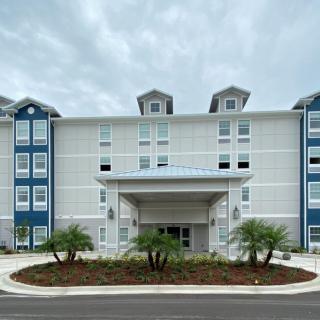





 How and When Medicaid May Cover Assisted Living Costs
 A Detailed Exploration of Assisted Living Medicaid Waivers Across the United States
 Comprehensive Residential Support and Assisted Living Solutions for Individuals with Disabilities