
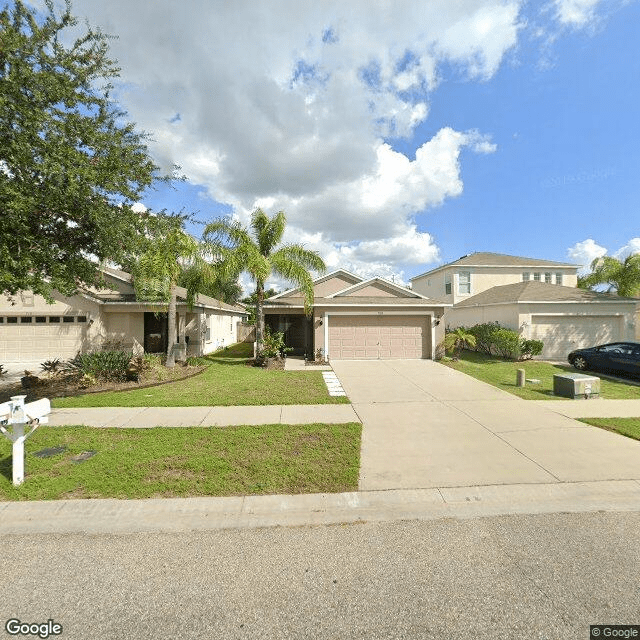
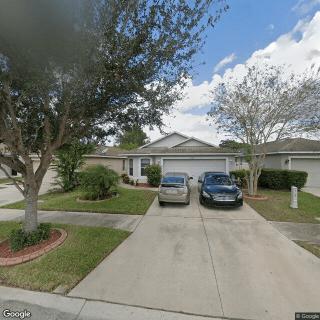
720 Cristelle Jean Drive, Ruskin, FL 33570
To contact a resident: (813) 494-8785
For more information about senior living options: (866) 208-4318
Radika Sims AFCH Costs & Pricing
Radika Sims AFCH offers competitive pricing for its accommodations compared to the broader market in Hillsborough County and the state of Florida. For semi-private rooms, the monthly cost at Radika Sims is $1,900, significantly lower than the county average of $3,096 and the state average of $3,009. Similarly, for private rooms, Radika Sims charges $3,200, which stands favorably against both the county's rate of $3,384 and Florida's average of $3,699. These cost advantages make Radika Sims AFCH an appealing option for those seeking quality care without compromising their budget.
| Floor plans | Radika Sims AFCH | Hillsborough County | Florida |
|---|---|---|---|
| Semi-Private | $1,900 | $3,096 | $3,009 |
| Private | $3,200 | $3,384 | $3,699 |
Memory care communities with a similar price nearby
-
from +$100 / mo
Caregivers Touch ALF
$2,000 to $3,000 / month20.2 miles away -
from +$300 / mo
Dorothy Cares Assisted Living Facility
$2,200 to $3,300 / month8.5 miles away -
from +$100 / mo
Elderly Pride Assisted Living
$2,000 to $2,500 / month17.3 miles away -
from +$100 / mo
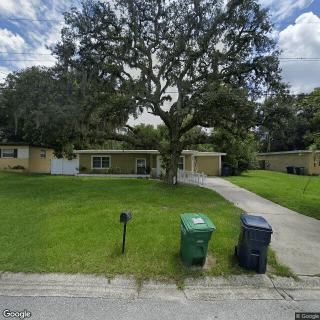
Assisted Living Facility Morning Dew
$2,000 to $2,500 / month19.5 miles away -
from +$90 / mo
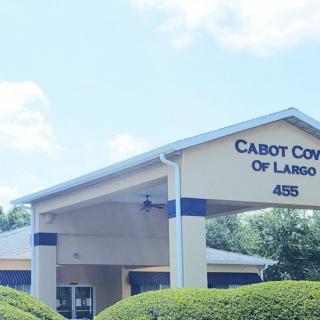
Cabot Cove of Largo Assisted Living & Memory Care
$1,990 to $3,145 / month23.9 miles away
Overall Review of Radika Sims AFCH
Pros
 She was the best caregiver the reviewer ever had for their mother.
- She took the time to talk to her and fed her island food that her mother loved.
- She spent time playing her mother's favorite card games.
- She was the only one who got her mom to take a bath.
- She added life to her mom.
- Mercedes provided five-star assistance.
Cons
 Radika is a horrible person.
- She feeds her patients frozen meals.
- She would not allow family members to bring food and forced dorm-size fridge sharing.
- She stole from my family member.
- She is in it for the money.
- She refused to send yearly statements and asked for money on the side.
- She made my father write checks directly to her.
- They moved mom without notice, disrupting plans and failing to inform the family.
- The reviewer urges others not to put loved ones in her care.
Review
Radika Sims AFCH in Ruskin is best suited for families that prize a highly personal, one-on-one care dynamic where a single caregiver can build trust, know the resident’s routines intimately, and keep engagement high through familiar activities and preferences. When a loved one thrives on customized attention, immediate responsiveness, and the comfort of a home-like setting, this community can deliver meaningful moments and a qualitative boost in mood and participation. The strongest endorsements come from families who highlight talk, companionship, and hands-on daily care that feels more like a trusted caregiver in a private home than a sterile facility. In short, it works best when the family's priority is intimate, personality-driven care rather than formalized systems.
Yet this is not the right fit for every situation. Families requiring rigorous medical oversight, strict adherence to dietary plans, and consistent, transparent financial practices will want alternatives. If a resident has complex diabetic management needs, pronounced safety concerns, or requires constant, structured supervision, larger licensed facilities with certified administration and standardized protocols are typically more dependable. Likewise, any household seeking robust, auditable billing records and clear communication standards should look elsewhere to avoid the risk of hidden or delayed information and unclear financials.
The strongest positive note is the potential for a caregiver-driven, deeply personalized experience. Several accounts praise Radika Sims AFCH for a caregiver who connects emotionally, engages a resident in preferred activities, and makes an effort to accommodate tastes, an element that can transform a daily routine into something hopeful and meaningful. When a resident responds to a familiar rhythm, enjoys favorite foods, and participates in card games or conversations, quality of life can improve markedly. In those moments, the setting can feel like a supportive extension of home, with a caregiver who truly “gets” the person.
However, the critical drawbacks recur across multiple reviews and cannot be dismissed. Repeated concerns focus on meals that do not align with specific dietary needs or timing, and on the use of frozen meals rather than freshly prepared options. The issue of a shared refrigerator for residents and the implications for personal food storage and independence is repeatedly cited as a practical obstacle. Disturbing allegations of financial impropriety, requests for money outside formal billing and direct payment to the caregiver, fuel a climate of distrust that erodes confidence in day-to-day operations. A notable event involving an excursion without timely family notification underscores a broader problem with communication and coordination.
These pros and cons do not balance cleanly. The advantages of individualized attention and meaningful engagement can be significant, but they are fragile without consistent meal planning, transparent finances, and reliable communication. The negative experiences, especially around diet management, autonomy over personal items, and unexpected changes in plans, pose real risks to health, safety, and trust. For families who can insist on strong oversight, regular updates, and a clearly documented care plan, there may still be value here. For others, the weight of the cons argues for exploring alternatives first.
Practical next steps for families leaning toward a closer look are concrete and ambitious. Schedule thorough meetings with the caregiver and with any supervising staff to review a formal daily schedule, dietary protocols, and a written care plan tailored to the resident’s medical needs. Request a clear policy on excursions, outings, and family communications, including advance notice and post-event follow-up. Insist on access to monthly billing statements and a transparent, itemized fee structure, with a named contact for financial questions. If possible, obtain references beyond the marketing pages and verify background credentials. If the response to these requests remains opaque, or if critical red flags reappear, pursue alternatives, larger, more regulated communities or trusted in-home care options that offer the same level of personalized attention but with stronger governance and accountability.
 Board and Care Home
 Day Program
 Memory Care
 Bath tubs
 Indoor common areas
 Outdoor common areas
 Private
 Private bathrooms
 Respite or short term stays offered
 Tampa International (19 miles away)
 Ambulatory care
 Diabetic care
 Incontinence care
 Medication management
 Kosher



 Assisted Living and Memory Care: Understanding Their Core Differences
 Choosing the Right Senior Care: A Detailed Exploration of Assisted Living and Nursing Homes
 Safeguarding Your Memory Through the Golden Years: Eight Ways to Preserve Cognitive Health