
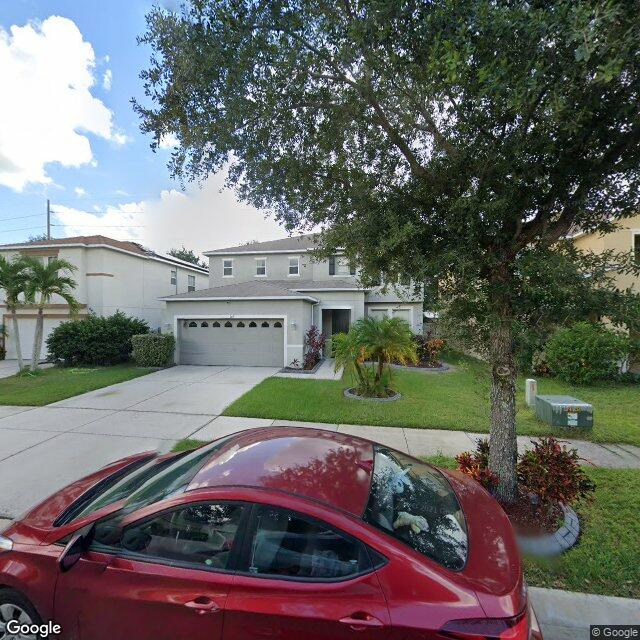
305 Vine Cliff Street, Ruskin, FL 33570
To contact a resident: (813) 562-0385
For more information about senior living options: (866) 208-4318
Nadege Adult Family Care Home Costs & Pricing
Nadege Adult Family Care Home offers competitive pricing for its services, particularly when compared to the broader market in Hillsborough County and the state of Florida. For semi-private accommodations, the monthly cost at Nadege is $1,500, significantly lower than both the county average of $3,096 and the state average of $3,009. Likewise, private room options at Nadege are priced at $2,400, which is still more affordable than the county's average of $3,384 and the state's higher figure of $3,699. This attractive pricing structure positions Nadege Adult Family Care Home as a valuable option for individuals seeking quality care without incurring excessive costs.
| Floor plans | Nadege Adult Family Care Home | Hillsborough County | Florida |
|---|---|---|---|
| Semi-Private | $1,500 | $3,096 | $3,009 |
| Private | $2,400 | $3,384 | $3,699 |
Memory care communities with a similar price nearby
-
from +$56 / mo
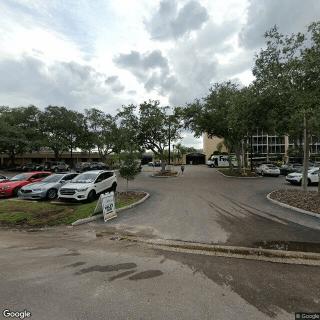
Sun Towers Retirement Community
$1,556 to $2,552 / month3.5 miles away -
from +$278 / mo
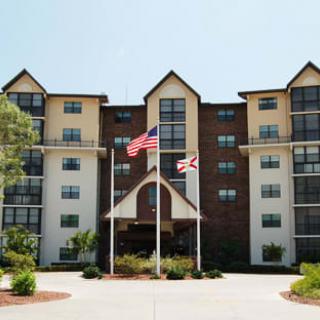
Freedom Village Bradenton, a CCRC
$1,778 to $4,488 / month21.0 miles away -
from +$250 / mo

Concordia Village at Tampa
$1,750 to $2,600 / month24.1 miles away -
About the same
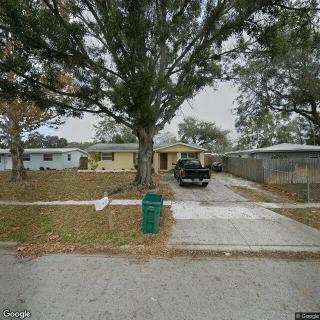
The Enchantment House ALF
$1,500 to $4,000 / month24.0 miles away -
from +$200 / mo

Unisen Senior Living
$1,700 to $4,250 / month23.6 miles away
Overall Review of Nadege Adult Family Care Home
Pros
 There are no positive aspects noted in the review.
Cons
 The staff in charge were not very nice.
- The staff were verbally abusive.
- Residents were not allowed to eat indoors and had to eat outside regardless of the weather.
- Residents were left unsupervised on several occasions as caregivers left the premises.
- Nighttime medications were missed on a couple of occasions because the caregiver wasn’t on the premises.
- The reviewer would not recommend the facility.
Review
This Ruskin, Florida community is best suited for families who need a remarkably low-cost, minimal-care setting and are prepared to adopt an unusually hands-on oversight role. In practice, that means choosing it only when no stronger option is available and when family members can commit to constant monitoring of daily routines, medication management, and staff interactions. Given the serious concerns raised about care quality, this is not a placement to accept passively. The ideal match would be residents whose needs are limited and whose families can remain closely involved, understanding that the care environment may require ongoing, proactive intervention rather than passive trust.
This option should be considered only after exploring alternatives that offer stronger staffing support, consistent supervision, and respectful treatment. Any family with a resident who depends on reliable nighttime coverage, timely administration of medications, or consistent staff presence during meals and activities should look elsewhere first. The issues described, caregivers not being on the premises, missed medications, and staff being verbally abusive, signal a pattern that is unlikely to improve without fundamental changes in management and staffing. In short, those seeking dignity, safety, and dependable routines should pursue other licensed settings with demonstrated accountability.
There are virtually no redeeming “pros” that balance the grave concerns documented, which makes the gap between expectations and reality difficult to justify. A truly home-like atmosphere is irrelevant when safety and basic respect are in question. The lack of positive, verifiable attributes leaves little to offset the risk. When evaluating any care home, the absence of strong positives paired with clear, documented safety and quality issues should drive families toward alternatives rather than into a trial period that could jeopardize a vulnerable loved one’s well-being.
The core cons are severe and actionable. Verbal abuse by those in charge erodes trust and cannot be tolerated in any assisted living scenario. Residents being left unsupervised at times points to chronic understaffing or poor supervision, creating opportunities for accidents, neglect, and escalation of small problems into crises. Missed nighttime medications are a direct threat to health and safety, especially for residents with chronic conditions requiring strict dosing schedules. Forcing residents to eat outside regardless of weather removes a basic comfort and dignity of daily life, signaling a rigid routine that ignores basic comfort and well-being. The combination of staff leaving the premises and inconsistent oversight compounds every risk, undermining confidence in daily care and emergency responsiveness.
For families weighing a move, a disciplined due-diligence process is essential. Request current staffing ratios, schedule audits, and a written action plan addressing how nighttime medication administration will be guaranteed. Observe interactions during a tour, watch how staff speak with residents, whether they address needs promptly, and if residents appear calm and well-attended. Check state licensing records and complaint histories, and speak with current residents or families to verify consistency of care. Demand an explicit commitment to supervision at all hours and a clear protocol for emergencies. If any red flags recur, pivot to a facility with demonstrable, verifiable standards of care and respectful treatment.
In the end, this community should be approached with strong caution and a presumption to seek alternatives. The safety and dignity of a vulnerable loved one hinge on reliable supervision, consistent medication administration, and respectful staff interactions, criteria that appear unmet here. When possible, prioritize licensed options with proven staffing stability and better resident engagement. If staying within Ruskin or the surrounding area, compare several stronger-credential facilities or explore in-home care with vetted, accountable caregivers. The goal is not merely proximity or price, but a trustworthy environment where health, safety, and humanity are guaranteed daily.
 Board and Care Home
 Memory Care
 Activities off-site
 Bath tubs
 Devotional services off-site
 Indoor common areas
 Outdoor common areas
 Private
 Wheelchair accessible showers
 Tampa International (19 miles away)
 Ambulatory care
 Diabetic care
 High acuity care
 Incontinence care
 Medication management
 Meals provided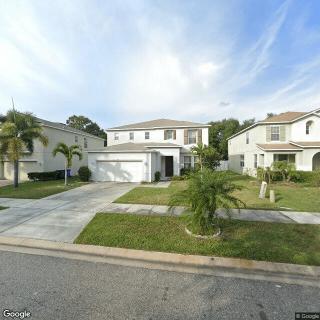



 8 Important Indicators That Memory Care May Be Necessary
 Delving into the Inner World of Dementia: Insights into Thoughts and Awareness
 Five Subtle Dementia Indicators to Observe: An In-Depth Guide to Understanding “Does My Mom Have Dementia?”