
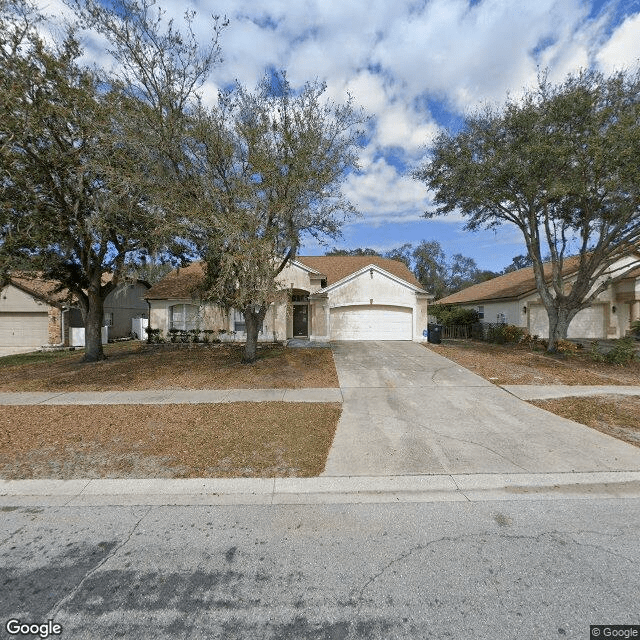
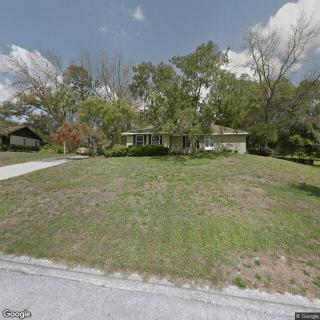
10507 Sedgebrook Drive, Riverview, FL 33569
To contact a resident: (813) 672-3880
For more information about senior living options: (866) 208-4318
Boyette Springs Costs & Pricing
Boyette Springs offers competitive monthly costs for its residents, significantly lower than both Hillsborough County and the broader state of Florida. For instance, a semi-private room at Boyette Springs is priced at $1,200, in stark contrast to the county average of $3,096 and the state average of $3,009. Private rooms are also attractively priced at $1,400 compared to Hillsborough County's average of $3,384 and Florida's average of $3,699. Moreover, one-bedroom accommodations at Boyette Springs cost $2,000, while the local and state averages soar to $3,786 and $3,864 respectively. This pricing structure not only emphasizes the affordability of Boyette Springs but also highlights its value as an appealing option for those seeking quality care without breaking the bank.
| Floor plans | Boyette Springs | Hillsborough County | Florida |
|---|---|---|---|
| Semi-Private | $1,200 | $3,096 | $3,009 |
| Private | $1,400 | $3,384 | $3,699 |
| 1 Bedroom | $2,000 | $3,786 | $3,864 |
Memory care communities with a similar price nearby
-
from -$200 / mo

Angels Senior Living at Hacienda Villas
$1,000 / month12.6 miles away
Overall Review of Boyette Springs
Pros
 He could not be happier living at Boyette Springs.
- He likes the food and receives fresh fruit daily.
- The community is kept clean.
- The staff are nice, helpful, and keep him informed about his care.
- The staff were one of the reasons they chose this community.
Review
Boyette Springs in Riverview is best suited for families seeking a warm, well-maintained senior living environment where daily life centers on reliable meals, cleanliness, and responsive, communicative staff. This community appears to fit an older adult who values consistent routines, pleasant dining experiences, and caregivers who actively keep families informed about care. It is especially appropriate for those who want reassurance that their loved one will enjoy dependable daily support without needing intensive medical oversight or complex memory-care services. For families facing higher-acuity needs or seeking highly specialized programming, alternatives that offer deeper medical staffing or dementia-focused curricula should be on the radar.
The strongest, most tangible advantages lie in everyday quality indicators. A resident’s satisfaction with food, specifically the availability of fresh fruit daily, signals attention to nutrition and a pleasant dining experience, not just a basic menu. Coupled with a clean, orderly environment, these elements yield a sense of safety and comfort that translates into fewer daily friction points for both residents and their families. When meals feel satisfactory and surroundings stay well-maintained, the day-to-day rhythm of life in the community becomes predictably positive, reducing the stress that often accompanies the transition to assisted living.
Staff interactions emerge as a core differentiator. The review highlights staff as pleasant, helpful, and consistently communicative about care, which means relatives can trust that caregivers are attentive and proactive. The ability of staff to keep family members informed minimizes the emotional burden of ongoing care decisions and potential health changes. In practical terms, this translates to fewer unanswered questions, quicker resolution of issues, and a collaborative atmosphere that helps families feel included rather than sidelined in the care plan.
Given the absence of stated drawbacks in the review, the positive features at Boyette Springs offset many of the common concerns prospective buyers weigh. Cleanliness, reliable meals, and transparent staff communication collectively address worries about safety, nutrition, and oversight. The lack of explicit negatives in the feedback does not erase the need for due diligence, but it does suggest a strong alignment between the residents’ lived experience and the expectations families typically have for a comfortable, supportive living environment. In practice, the listed strengths tend to reduce risk factors attached to relocation, at least for seniors who do not require high-intensity medical services.
Nevertheless, explicit caveats belong in the decision-making process. Families should consider alternatives if a loved one requires higher levels of medical care, frequent rehabilitation, or specialized memory-care programming. If social enrichment programs beyond meals and routine activities are a priority, or if the preferred setting includes a broader variety of therapeutic offerings, it is prudent to explore other communities with more expansive service menus. Location preferences, cost structure, and availability of in-house professionals for complex health needs are also legitimate factors to compare when weighing options.
The practical takeaway is clear: Boyette Springs offers a compelling combination of appetizing meals, daily fresh fruit, cleanliness, and hands-on, communicative staff, characteristics that directly translate into peace of mind for families. It is a strong fit for seniors who thrive with predictable routines, attentive daily care, and open lines of communication with caregivers. For those whose loved ones require more intensive medical oversight or dementia-specific programming, this community should be evaluated against alternatives that foreground those capabilities. A thoughtful visit, a close look at sample menus and activity calendars, and conversations with the care team will confirm whether Boyette Springs is the best match or if another option better aligns with the specific care goals and budget.
 Board and Care Home
 Memory Care
 Activities off-site
 Bath tubs
 Cable or satellite TV
 Devotional services off-site
 Full kitchen
 Indoor common areas
 Outdoor common areas
 Private
 Swimming pool / hot tub
 Wheelchair accessible showers
 Wi-Fi/high-speed internet available
 Tampa International (18 miles away)
 Ambulatory care
 Diabetic care
 High acuity care
 Incontinence care
 Medication management
 Guest meals
 BBQs or picnics
 Birthday parties
 Day trips and outings
 Light therapy programs




 Understanding Dementia Through Its Seven Stages: A Comprehensive Look at Progression and Expectations
 A Holistic Dementia Care Guide: Effective Strategies for Memory Support
 Memory Care Pathways: A Holistic Guide to Dementia Support