
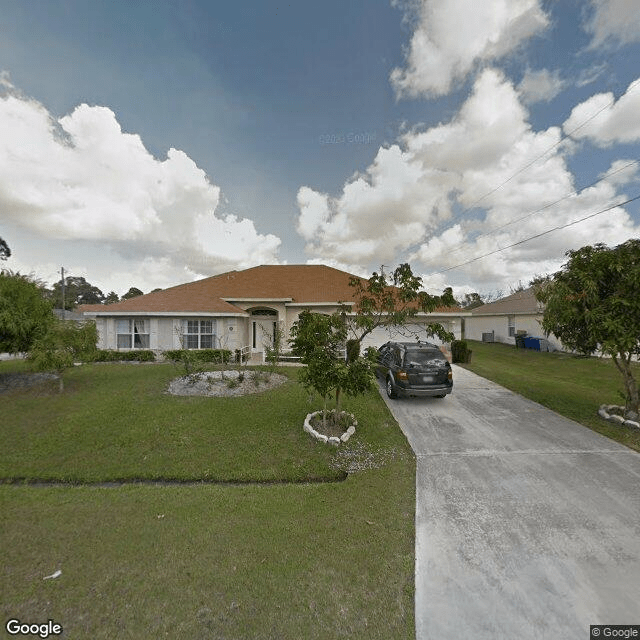
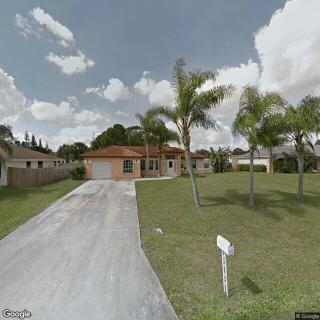
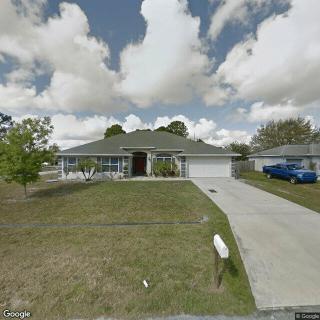
1199 SW Bayamo Avenue, Port Saint Lucie, FL 34953
To contact a resident: (772) 873-2903
For more information about senior living options: (866) 208-4318
Bayamo Assisted Living Costs & Pricing
Bayamo Assisted Living offers competitive pricing for its services, significantly benefiting residents in St. Lucie County and the broader Florida area. For instance, a semi-private room at Bayamo is priced at $2,700 per month, which is slightly below the county average of $2,717 and considerably lower than the state average of $3,009. Similarly, both private rooms and one-bedroom accommodations are offered at $3,000 each - again below the averages in St. Lucie County ($3,665 for private and $3,747 for one-bedroom) and across Florida ($3,699 for private and $3,864 for one-bedroom). These cost advantages highlight Bayamo Assisted Living's commitment to providing quality care at an accessible price point for its residents while maintaining a focus on their well-being and comfort.
| Floor plans | Bayamo Assisted Living | St. Lucie County | Florida |
|---|---|---|---|
| Semi-Private | $2,700 | $2,717 | $3,009 |
| Private | $3,000 | $3,665 | $3,699 |
| 1 Bedroom | $3,000 | $3,747 | $3,864 |
Memory care communities with a similar price nearby
-
from -$200 / mo

Caring Hands of the Treasure Coast
$2,500 to $3,000 / month4.1 miles away -
from -$400 / mo
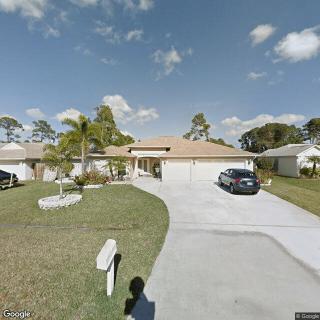
Nelisha Family Home
$2,300 to $4,500 / month3.8 miles away -
from +$500 / mo
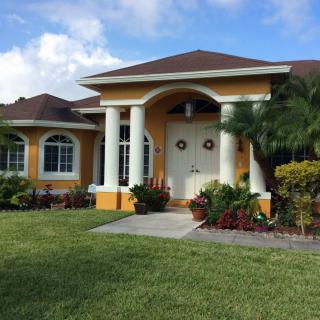
Loving Care of the Treasure Coast, LLC
$3,200 to $4,000 / month1.8 miles away -
from +$450 / mo

Stuart Lodge Living
$3,150 to $6,690 / month11.4 miles away -
from -$374 / mo
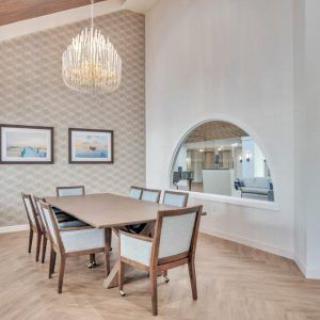
Discovery Village Vero Beach
$2,326 to $3,400 / month24.7 miles away
Overall Review of Bayamo Assisted Living
Pros
 Millie is doing so much better at Bay Isles Senior Care thanks to personalized one-on-one care from a friendly, caring staff.
 - The care at Bay Isles feels like being at home, with attentive supervision and a warm, supportive team.
- The facility’s staff demonstrate compassion and dedication, providing excellent health and mental care for residents and peace of mind for families.
- Marci’s facility impressed the family, and the mom is very happy there after moving in.
- Marci followed up with mom in the hospital and visited almost every day, showing attentive advocacy and consistent care.
- Marcia and Stacha run a beautiful, well-maintained home that offers superior cleanliness, comfort, and personalized care compared to large facilities.
- The home provides opportunities for residents to participate in daily activities in a safe, home-like environment.
- Families feel peace of mind knowing their loved ones are cared for in this attentive, high-quality setting.
Cons
 The nursing home had staffing issues and little supervision for residents.
- The resident wandered the halls with minimal supervision.
- Families may have difficulty finding peace of mind when a loved one has dementia.
- The large facility is seen as inferior in care, cleanliness, and overall comfort compared to a residential home.
- The reviews warn against sending loved ones to nursing homes without first checking Bay Isles.
Review
Bayamo Assisted Living in Port Saint Lucie is best suited for families that want a warm, home-like setting where a loved one can receive highly individualized attention. The reviews converge on a culture that treats daily living as the core of care, with caregivers who know residents personally and respond with speed and warmth. This model shines for seniors who benefit from one-on-one interactions, steady supervision, and clear, ongoing communication with family members. It is particularly well matched to dementia or post-acute situations, where advocacy, safety, and meaningful engagement translate into real peace of mind for both residents and their families. In short, Bayamo excels when the priority is to preserve familiarity, dignity, and personal attention in a smaller, family-style environment.
Those assessing alternatives should consider the value of scale and specialized clinical programming. If a loved one requires heavier medical oversight, frequent skilled nursing, or a formal memory-care wing with extensive on-site clinical resources, a larger facility or a dedicated memory-care community may be a better fit. The testimonials emphasize compassionate, attentive care within a home setting, yet readers should acknowledge that some families will ultimately prefer the breadth of services offered by bigger operators. For individuals who view medical acuity and institutional-level care as non-negotiable, it is prudent to compare with facilities that emphasize routine hospital-level management on site.
The strongest selling points revolve around personal attention, compassion, and proactive care coordination. Staff are described as friendly, dedicated, and deeply invested in residents’ well-being, with ownership and leadership that model a hands-on approach. Families highlight clean, comfortable, and organized living spaces paired with nutritious meals and opportunities for social engagement. The ability of caregivers to follow up with hospital teams and advocate for the resident reflects a level of vigilance that often exceeds expectations in smaller homes. When a parent or friend has a medical event, the staff’s involvement becomes a measurable, reassuring factor that families repeatedly call out as a major point of quality.
Where the home feel could be perceived as a limitation, the reviews indicate that the offset comes through a combination of attentive staffing, ongoing family communication, and a strong emphasis on health care coordination. The owners’ active involvement, demonstrated by visits, hospital communications, and a willingness to tailor care to individual needs, helps offset any perception of being “small-scale.” Residents participate in daily living activities within a safe, supervised framework, and the focus on a dignified, home-like experience often reduces agitation and anxiety for those with dementia. The balance here is clear: the warmth and responsiveness of a small setting are traded for, and more than compensated by, the dedicated advocacy and hands-on healthcare attention that families value during sensitive health episodes.
To make an informed decision, families should tour with specific questions in hand: how many caregivers supervise each resident per shift, what training and experience the staff bring to memory-care situations, and how care plans are developed and updated. Inquire about memory-care modifications, safety features, emergency protocols, and how nutrition and activities are tailored to evolving needs. Request opportunities to speak with current families about hospital follow-ups, care coordination, and how responsive the team is to concerns. Above all, verify alignment between the resident’s behavioral preferences and the daily routine, social opportunities, and the level of medical oversight available on site.
The bottom line is straightforward. For families seeking a compassionate, intimate setting where a loved one receives personalized attention, proactive medical advocacy, and a home-like atmosphere, Bayamo Assisted Living stands out in Port Saint Lucie as a practical, high-quality option that delivers tangible peace of mind. If the priority shifts toward robust on-site medical resources, larger-scale programming, or formal memory-care infrastructure, it is wise to compare alternatives that emphasize those strengths. The decision should hinge on balancing the value of individualized attention and family-centered care against the specific clinical needs and activity expectations of the senior in question.
 6 resident community capacity
 Assisted Living
 Board and Care Home
 Memory Care
 Activities off-site
 Bath tubs
 Beautician on-site
 Cable or satellite TV
 Devotional services off-site
 Dining room
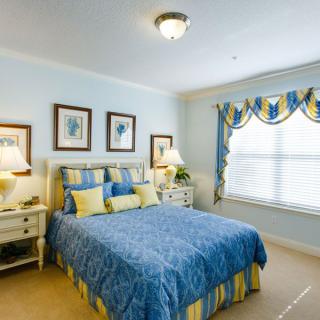
 Fully furnished
 Garden
 Housekeeping services
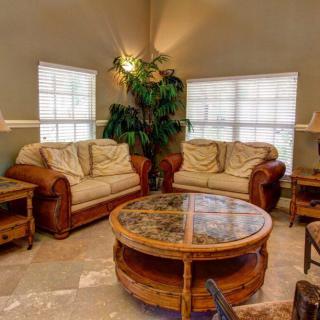
 Indoor common areas
 Move-in coordination
 Outdoor common areas
 Private
 Private bathrooms
 Respite or short term stays offered
 Swimming pool / hot tub
 Telephone
 Wheelchair accessible showers
 Wi-Fi/high-speed internet available
 24-hour supervision
 Ambulatory care
 Assistance with bathing
 Assistance with dressing
 Assistance with transfers
 Diabetes diet
 Diabetic care
 Incontinence care
 Meal preparation and service
 Medication management
 Special dietary restrictions
 Transportation arrangement (medical)
 Transportation to doctors appointments



 How and When Medicaid May Cover Assisted Living Costs
 A Detailed Exploration of Assisted Living Medicaid Waivers Across the United States
 Exploring the Contrasts Between Assisted Living and Skilled Nursing