

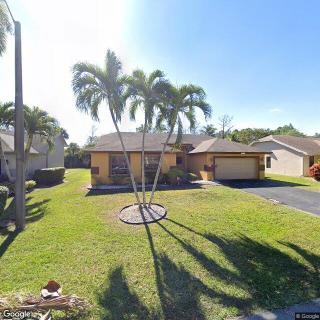
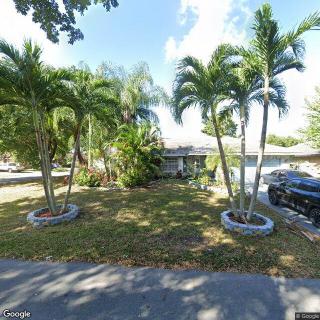
5532 NW 39th Avenue, Coconut Creek, FL 33073
To contact a resident: (754) 245-0179
For more information about senior living options: (866) 208-4318
Green Gables Adult Family Care Home Costs & Pricing
Green Gables Adult Family Care Home offers competitive pricing for senior living accommodations in comparison to both Broward County and the broader state of Florida. For semi-private rooms, residents will find costs at Green Gables set at $2,500 per month, which is notably lower than the county's average of $2,902 and the state average of $3,009. Similarly, private room pricing at Green Gables is positioned at $3,500, offering a more affordable option compared to the county's typical rate of $3,725 and the state's average of $3,699. These cost advantages make Green Gables an attractive choice for families seeking quality care without the added financial strain often associated with assisted living facilities.
| Floor plans | Green Gables Adult Family Care Home | Broward County | Florida |
|---|---|---|---|
| Semi-Private | $2,500 | $2,902 | $3,009 |
| Private | $3,500 | $3,725 | $3,699 |
Memory care communities with a similar price nearby
-
from -$100 / mo
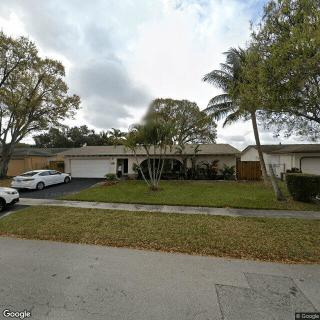
Ana's Assisted Living Facility
$2,400 / month20.4 miles away -
About the same
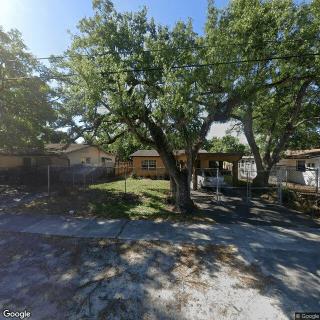
Anne Adult Family Care Home
$2,500 / month13.2 miles away -
from -$305 / mo

Grand Villa Of Delray East
$2,195 to $4,495 / month11.5 miles away -
from +$200 / mo
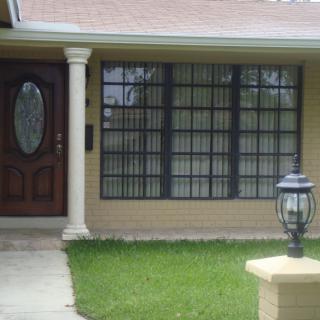
Flamingo Assisted Living
$2,700 to $4,500 / month12.5 miles away -
from -$305 / mo
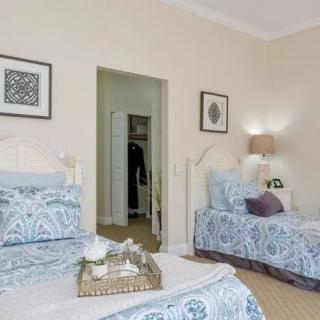
Grand Villa of Deerfield Beach
$2,195 to $2,995 / month2.6 miles away
Overall Review of Green Gables Adult Family Care Home
Pros
 The place is beautiful and outstanding.
- Jennifer the owner has been phenomenal.
- Jennifer has great interpersonal skills and is caring and loving.
- The dad is happy there and has not looked better in a long time.
- The care is tremendous and he receives wonderful attention, a godsend.
- He has perked up since being there and now sits up to read the paper every day.
- Jennifer is accessible and welcoming.
- The reviewer would recommend the place to anyone.
Review
Green Gables Adult Family Care Home in Coconut Creek is best suited for families seeking an intimate, homelike senior living option where care is highly personalized and the owner is deeply involved. The place works exceptionally well for residents who respond to steady routines, meaningful interaction, and a warm, accessible caregiver relationship. In practice, it appears to serve seniors who do not need hands-on, 24/7 clinical nursing within a large campus, but do require reliable daily attention, cheerful engagement, and a caregiver-led atmosphere that feels like a welcoming home rather than a institution.
The standout strengths are concrete and palpable. The home itself reads as beautiful and well-maintained, which matters to families seeking a dignified, comfortable living environment. Most compelling is the ownership model: Jennifer is described as phenomenal, with strong interpersonal skills and a genuine, loving approach. The care, as witnessed in the resident’s mood and function, is described as tremendous, moments when the resident perks up, sits up, and engages with the daily paper signal real emotional and cognitive benefit. Accessibility and warmth from the owner further reduce friction in daily care decisions, creating a sense of security for worried families.
However, the most explicit balance to weigh is the scale of services relative to need. The single review does not outline drawbacks, but prudent families will infer that a small, family-owned setting typically carries less on-site medical oversight than larger assisted living communities. For seniors requiring frequent skilled nursing, complex medication management, or extensive on-site programming, this kind of home may feel limited. In contrast, a larger campus with licensed nurses, more robust activity schedules, and broader specialist access can better accommodate advanced medical needs or highly structured day plans.
Yet the same characteristics that might appear as limits in a larger setting become clear advantages here. The intimate setting and the owner’s hands-on approach translate into rapid responsiveness, highly personalized care plans, and daily opportunities for genuine interaction. The resident’s visible improvement and the narrative of the father “not looked better in a long time” underscore how crucial accessible, attentive caregiving is for mood, engagement, and perceived quality of life. In short, for families prioritizing relational warmth, consistent attention, and a home-like ambiance, these pros meaningfully offset the potential gap in clinical service breadth.
This community is especially well-suited for seniors who prize safety and quiet, predictable routines within a close-knit group. It suits couples who want to stay together in a small, manageable setting or individuals who fear the impersonality of larger campuses but still want daily structure and social opportunities. It may be less appropriate for residents who require frequent medical monitoring, extensive memory care programming, or a large slate of diversified activities that a bigger facility can usually offer. Families should enter with a clear understanding of the resident’s current medical needs and future trajectory to ensure alignment with what Green Gables can consistently deliver.
For families weighing options, the prudent path is a direct visit focused on authentic interactions: meet Jennifer, observe how staff respond to resident cues, and tour the living spaces for safety, accessibility, and comfort. Confirm the care plan process, how medications are managed, and the cadence of daily activities. Ask about staffing coverage, emergency protocols, and how transitions occur if care needs evolve. If warmth, personal attention, and a beautiful home environment align with the senior’s priorities, Green Gables represents a compelling, low-impersonality option that delivers meaningful well-being gains. If medical intensity, expansive programming, or nursing-led oversight are non-negotiable, alternatives with larger clinical footprints should be pursued.
 Board and Care Home
 Memory Care
 Private
 Fort Lauderdale-Hollywood International (16 miles away)
 Diabetic care
 High acuity care
 Incontinence care
 Medication management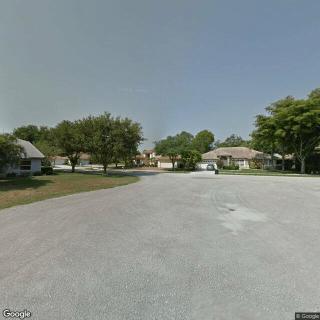


 8 Important Indicators That Memory Care May Be Necessary
 Delving into the Inner World of Dementia: Insights into Thoughts and Awareness
 Five Subtle Dementia Indicators to Observe: An In-Depth Guide to Understanding “Does My Mom Have Dementia?”