
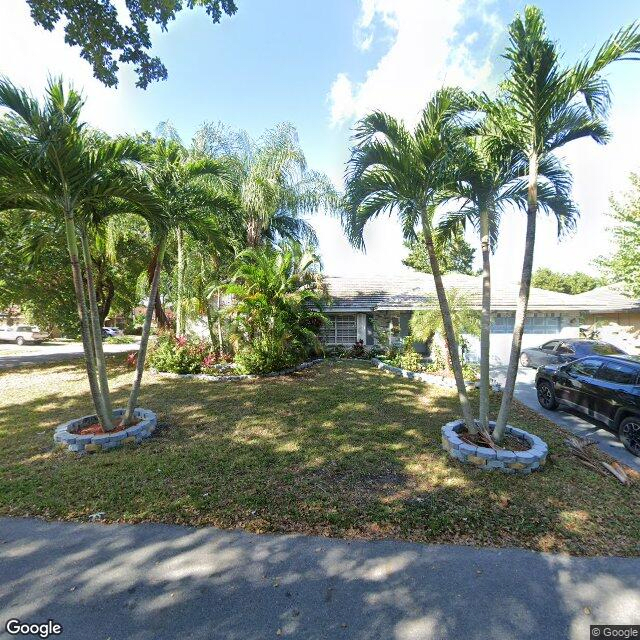
5101 NW 47th Ave, Coconut Creek, FL 33073
To contact a resident: (954) 428-0241
For more information about senior living options: (866) 208-4318
Golden Retreat At Coconut Creek Costs & Pricing
Golden Retreat At Coconut Creek offers a range of accommodation options with pricing that reflects its premium services and amenities. For semi-private rooms, costs range from $2,500 to $3,540, which is competitive compared to an average of $2,902 in Broward County and $3,009 throughout Florida. Those seeking more privacy can consider the private rooms at Golden Retreat, priced between $3,000 and $4,248; this is notably higher than the county's average of $3,725 and the state's average of $3,699. If residents prefer a studio setup for greater independence, they will find that Golden Retreat's rate of $4,602 exceeds both local ($3,601) and state averages ($3,823). For those desiring spacious living arrangements like a one-bedroom suite, the cost stands at $5,500 - well above the Broward County average of $3,651 and Florida's overall average of $3,864. These figures suggest that while Golden Retreat may carry a premium price tag relative to regional competitors, it likely provides enhanced services and quality that may justify the investment for potential residents seeking comfort and care.
| Floor plans | Golden Retreat At Coconut Creek | Broward County | Florida |
|---|---|---|---|
| Semi-Private | $2,500 to $3,540 | $2,902 | $3,009 |
| Private | $3,000 to $4,248 | $3,725 | $3,699 |
| Studio | $4,602 | $3,601 | $3,823 |
| 1 Bedroom | $5,500 | $3,651 | $3,864 |
Memory care communities with a similar price nearby
-
from -$100 / mo
Ana's Assisted Living Facility
$2,400 / month19.9 miles away -
About the same
Anne Adult Family Care Home
$2,500 / month12.9 miles away -
from -$305 / mo

Grand Villa Of Delray East
$2,195 to $4,495 / month12.0 miles away -
from +$200 / mo

Flamingo Assisted Living
$2,700 to $4,500 / month12.0 miles away -
from -$305 / mo

Grand Villa of Deerfield Beach
$2,195 to $2,995 / month3.3 miles away
Overall Review of Golden Retreat At Coconut Creek
Pros
 The aides and staff are like angels and made the last month of the friend’s life happy.
- They really did go over and beyond what they had to do.
- The community is just wonderful.
- Everything is working out pretty well for the father-in-law in this community.
- They are taking care of him and his needs.
- They provide personable, caring, and compassionate care.
Review
Golden Retreat At Coconut Creek is best suited for families facing end-of-life care decisions who want a warm, deeply personal environment where staff deliver consistently compassionate, hands-on attention. The reviews portray a setting where comfort, dignity, and daily kindness are the main currency, and where residents in hospice or near the end of life can receive steady, attentive support from a team described as “angels” by families. This is not a facility positioned to showcase flashy programming or high-energy activity calendars; it excels when the priority is a peaceful, homelike pace paired with genuine caregiver presence.
Those weighing alternatives should consider whether their priority is robust independent living options, an active social calendar, or specialized services beyond end-of-life and palliative care. If a resident requires extensive medical oversight beyond what hospice-oriented care provides, or if a family wants a facility known for a broad range of structured activities and memory-care programming, Golden Retreat may not be the ideal match. In short, this community shines for comfort-focused, compassionate care during serious health transitions, but may not satisfy those seeking highly dynamic daily programming or independence.
The strongest positives live in the caregiving core. Multiple reviews describe aides and staff as “angels” who consistently go above and beyond, delivering personal, attentive care that helps preserve dignity and ease difficult moments. The sentiment is reinforced by phrases like “personable, caring, and compassionate care” and by repeated observations that the community feels like a warm, welcoming home. This is not a facility that relies on cold routines or robotic check-ins; it earns trust through human connection, patience, and meticulous attention to residents’ comfort and preferences.
That caregiving strength translates into a meaningful offset for potential downsides. While the reviews don’t spotlight many concrete negatives, the clues suggest Golden Retreat prioritizes emotional and existential comfort over highly diversified activity menus or independent-living amenities. For families prioritizing a serene, reassuring atmosphere with a staff the community clearly trusts, that offset is substantial: dignified end-of-life care delivered with tenderness tends to ease family decision-making, reduce anxiety around caregiving burdens, and provide consistent, predictable support during fragile moments.
A noteworthy implication for families considering alternatives centers on hospice alignment. The facility appears adept at integrating hospice care into a homelike setting, which can be a decisive factor for residents whose needs are primarily comfort-driven rather than rehabilitative. In practice, this means fewer logistical hassles for families and more continuity in daily routines and subtler forms of support, help with personal care, gentle monitoring, and compassionate company during long days. That alignment, in turn, strengthens the overall value proposition for those whose loved ones require end-of-life consideration rather than aggressive medical interventions.
In conclusion, Golden Retreat At Coconut Creek offers a compelling option for families seeking a compassionate, home-like environment with exceptional caregiver engagement for residents in hospice or nearing life’s end. It is a clear recommendation for those who prize warmth, dignity, and consistent personal attention over activity breadth or independent living perks. For families prioritizing a livelier social scene, extensive activity programs, or care beyond palliative needs, it is prudent to compare alternatives that emphasize those elements. The care quality appears to offset most practical concerns, making this community a strong, pragmatic choice when the central aim is comfort, reassurance, and humane, person-centered support.
 Board and Care Home
 Memory Care
 Dogs allowed
 Activities off-site
 Bath tubs
 Beautician on-site
 Indoor common areas
 Outdoor common areas
 Private
 Respite or short term stays offered
 Swimming pool / hot tub
 Fort Lauderdale-Hollywood International (15 miles away)
 Diabetic care
 High acuity care
 Incontinence care
 Medication management
 Gluten-free
 Art classes
 BBQs or picnics
 Birthday parties
 Brain fitness
 Day trips and outings
 Live musical performances
 Stretching classes
 Trivia games




 Understanding Dementia Through Its Seven Stages: A Comprehensive Look at Progression and Expectations
 A Holistic Dementia Care Guide: Effective Strategies for Memory Support
 Comprehensive Insights into Activities of Daily Living (ADLs) and Their Assessment