
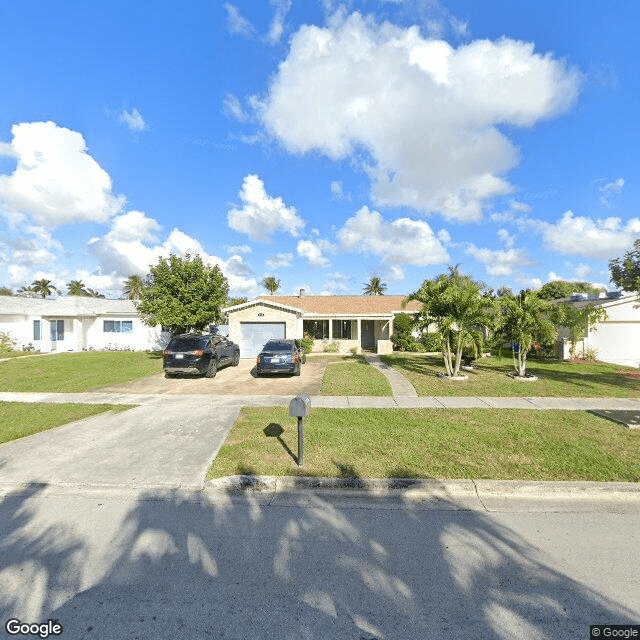
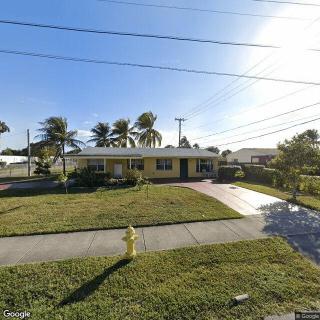
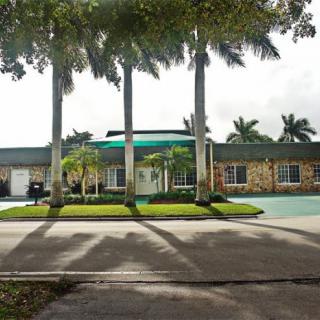
715 SW 51st Ave, Margate, FL 33068
To contact a resident: (954) 479-6922
For more information about senior living options: (866) 208-4318
A Touch of Class ALF Costs & Pricing
A Touch of Class ALF offers competitive monthly rates for its services, particularly when compared to the broader market in Broward County and the state of Florida. For a semi-private room, residents can expect to pay $2,000, significantly lower than the county average of $2,902 and the state average of $3,009. The pricing continues to reflect value with private rooms priced at $3,500; again, this is more affordable than both Broward County's average of $3,725 and Florida's average of $3,699. Similarly, the cost for a one-bedroom unit matches that of the private room at $3,500, undercutting local and state averages of $3,651 and $3,864 respectively. Overall, A Touch of Class ALF stands out as an attractive option for those seeking quality assisted living without straining their budget.
| Floor plans | A Touch of Class ALF | Broward County | Florida |
|---|---|---|---|
| Semi-Private | $2,000 | $2,902 | $3,009 |
| Private | $3,500 | $3,725 | $3,699 |
| 1 Bedroom | $3,500 | $3,651 | $3,864 |
Memory care communities with a similar price nearby
-
from -$200 / mo
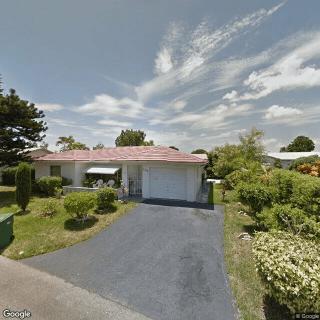
Jennifer's Home Care, Inc
$1,800 to $3,000 / month3.0 miles away -
from +$195 / mo
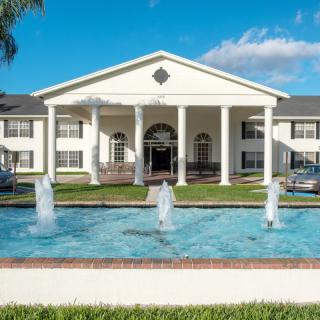
Grand Villa Of Delray East
$2,195 to $4,495 / month17.0 miles away -
About the same
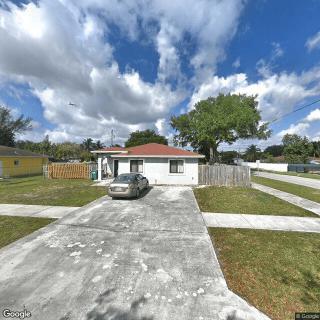
Sweet Angel's Home Assisted Living Facility Inc
$2,000 to $2,500 / month21.5 miles away -
About the same
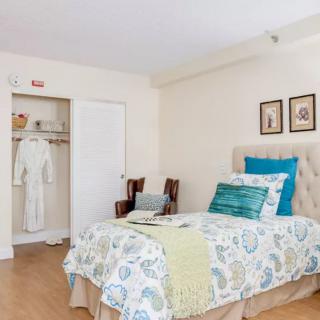
Grand Villa Of Boynton Beach
$1,995 to $3,295 / month21.7 miles away -
from +$195 / mo
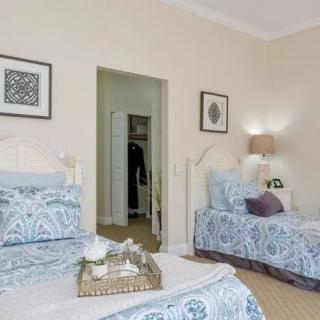
Grand Villa of Deerfield Beach
$2,195 to $2,995 / month6.8 miles away
Overall Review of A Touch of Class ALF
Pros
 Tilly has enjoyed compassionate care from Christine Davis and her staff for two years.
- The staff provide more personal attention than larger facilities can offer, especially for someone with dementia.
- Christine and the team monitor residents around the clock to prevent falls and injury.
- The caregivers give genuine effort and love, earning every penny for the demanding work.
- The facility treats residents as family, giving families peace of mind.
- The home feels warm, welcoming, and like a family, with residents cared for with kindness and respect.
- The staff are genuinely caring and professional, creating a safe, happy environment for loved ones.
Cons
 They conclude that Tilly needs more individualized attention than a larger care establishment could provide.
- The facility is too far from the family, making visits difficult.
- There is no Spanish-speaking staff available, limiting communication for some families.
Review
A Touch of Class ALF in Margate is best suited for families seeking a small, home-like setting where a loved one with dementia or advancing frailty receives intensely personal, continuously supervised care. The reviews consistently highlight staff who stay with residents day and night, delivering more individual attention than larger facilities can offer. This is a residence that feels less like a conveyor belt and more like a chosen family, with residents supported by a steady, experienced team and a kitchen that contributes to daily comfort. For families prioritizing warmth, continuity, and a human-scale environment, this community aligns with those priorities and offers a level of care that can be difficult to source elsewhere.
The strongest advantages lie in the everyday care experience. Residents are not shuffled through a system; they are cared for as individuals, with staff who know their routines, preferences, and safety needs. Families report a genuine sense of belonging for their loved ones, and there is clear evidence of deliberate, compassionate intervention to prevent falls and manage declining cognition. The culture emphasizes respect, kindness, and involvement, so relatives feel welcome rather than peripheral. The combination of constant supervision and a caring demeanor translates into tangible peace of mind for families navigating dementia or Alzheimer’s transitions.
Yet the community presents clear trade-offs. A recurring drawback is distance: for many families, the home’s Margate location makes frequent, in-person visits impractical. That logistical barrier can erode the sense of ongoing involvement that underpins the care model. Another material constraint is the absence of Spanish-speaking staff, which matters for families who rely on language congruence to coordinate medical and daily-care details. There is also a note about industry-wide staffing dynamics; while the team at A Touch of Class is praised for continuity, the broader market’s turnover raises a legitimate concern about maintaining an equally resilient crew over time. These factors don’t negate quality care, but they are real, ongoing considerations.
In practice, the good news is that the positive elements often offset the cons for families who can accommodate the realities of distance and language. The intimate, home-like setting reduces the risk of residents feeling overlooked, and the consistent, attentive staff delivers safer, more responsive dementia care than many larger facilities can guarantee. The sense of “family” extends to relatives, who are embraced as part of the community rather than treated as outsiders. The overall atmosphere, warmth, respect, and visible care, gives families confidence that their loved one is not just cared for but valued. For caretakers prioritizing emotional well-being and daily humanity, these benefits carry substantial weight.
For families weighing options, practical diligence matters. Tour logistics should assess the actual staff-to-resident ratios and how care is documented and adjusted as needs evolve. Inquire about staff turnover and how continuity is preserved during changes. If language access is non-negotiable, ask about interpreter services or the possibility of bilingual staff, and confirm how cultural preferences are incorporated into daily routines and activities. Also verify a clear plan for memory-care support, whether the facility can adapt as dementia progresses and how medical oversight is coordinated. These specifics will determine whether the warm ethos translates into sustained quality of life.
Ultimately, A Touch of Class ALF stands out for those who prize an intimate, caregiving-centered environment over scale. It is a practical, candid option for families seeking dementia-focused, high-touch living where residents are treated like family and safety is a daily priority. It is less ideal for those whose circumstances demand close proximity to relatives on a daily basis or who require bilingual staffing as a baseline criterion. Prospective residents should approach with a clear checklist: confirm continuity and leadership stability, assess memory-care capabilities, and verify language accommodations. When alignment is achieved, this community offers a compelling, hands-on alternative to larger, less personal options.
 Board and Care Home
 Memory Care
 Activities off-site
 Bath tubs
 Beautician on-site
 Indoor common areas
 Private
 Respite or short term stays offered
 Wheelchair accessible showers
 Fort Lauderdale-Hollywood International (11 miles away)
 Ambulatory care
 Diabetic care
 Incontinence care
 Meals provided

 Understanding Dementia Through Its Seven Stages: A Comprehensive Look at Progression and Expectations
 A Holistic Dementia Care Guide: Effective Strategies for Memory Support
 Memory Care Pathways: A Holistic Guide to Dementia Support