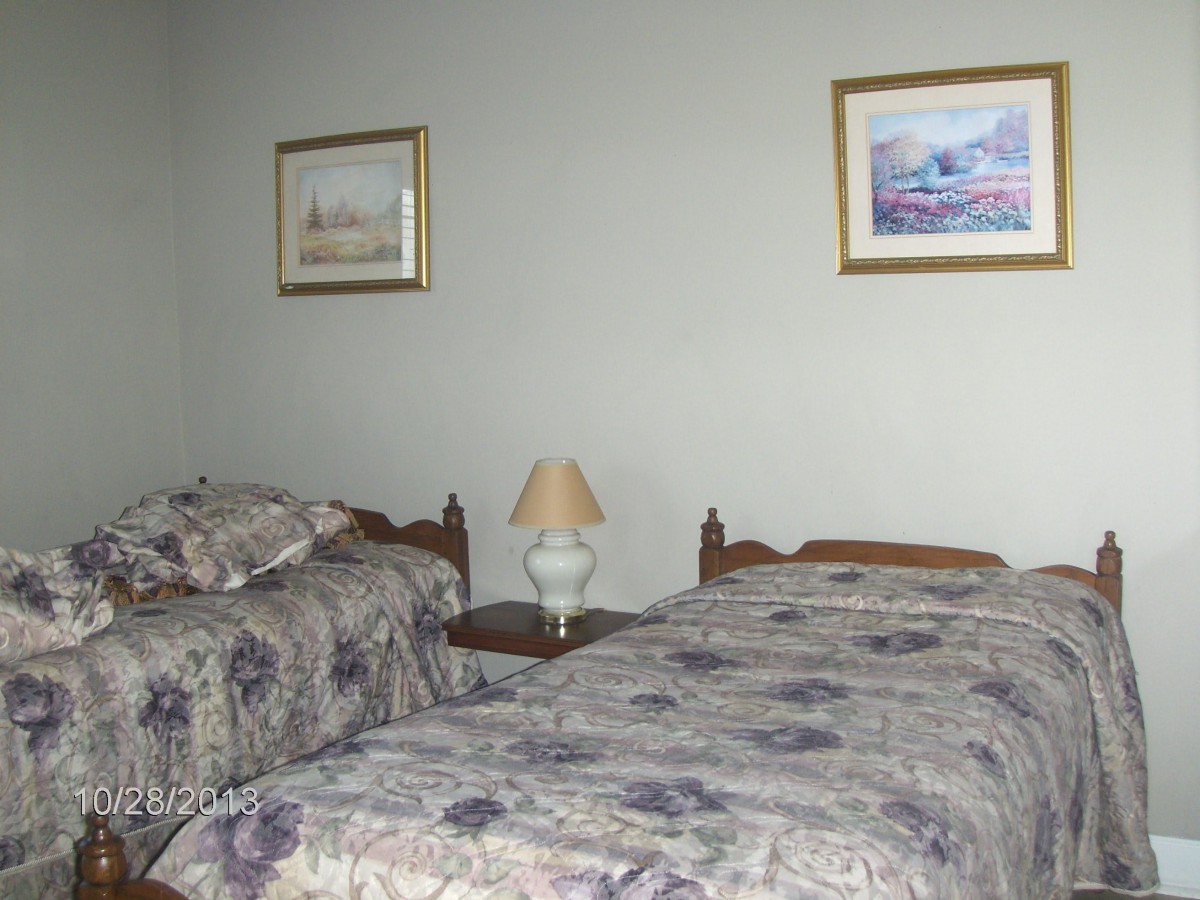
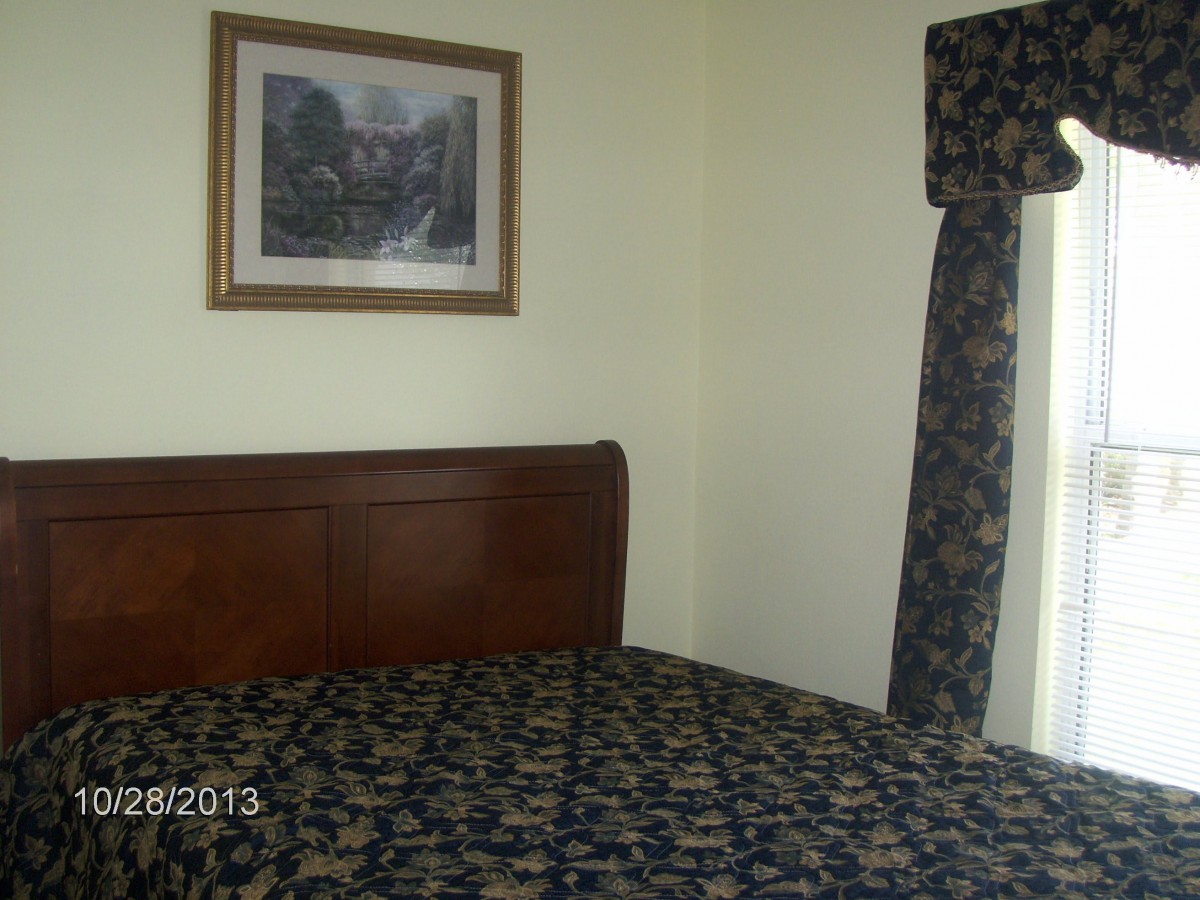
11 Pine Hollow Way, Ormond Beach, FL 32174
To contact a resident: (386) 265-2912
For more information about senior living options: (866) 208-4318
Lovey's Adult Family Care Home Costs & Pricing
Lovey's Adult Family Care Home offers competitive pricing for its residents, with a monthly cost of $2,500 for semi-private rooms and $3,500 for private rooms. These rates are significantly lower than the average costs in both Volusia County, where semi-private and private rooms average around $3,143 and $4,168 respectively, and the broader state of Florida, with averages of $3,009 for semi-private and $3,699 for private accommodations. This makes Lovey's an attractive option for those seeking quality care in a more budget-friendly environment without compromising on comfort or service.
| Floor plans | Lovey's Adult Family Care Home | Volusia County | Florida |
|---|---|---|---|
| Semi-Private | $2,500 | $3,143 | $3,009 |
| Private | $3,500 | $4,168 | $3,699 |
Memory care communities with a similar price nearby
-
from -$355 / mo
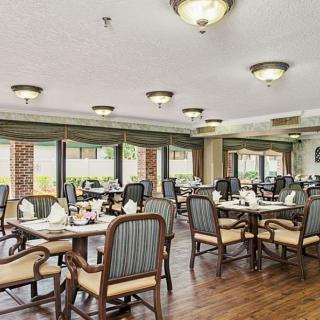
Grand Villa Of Ormond Beach
$2,145 to $4,095 / month3.4 miles away -
from -$405 / mo
Grand Villa of DeLand
$2,095 to $3,795 / month17.7 miles away -
About the same
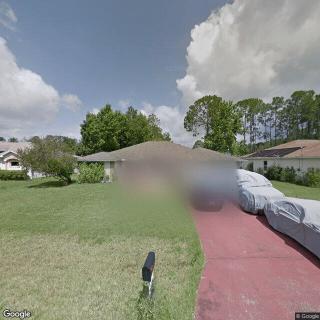
Gerdie's Assisted Living Facility
$2,500 / month17.9 miles away -
from +$100 / mo
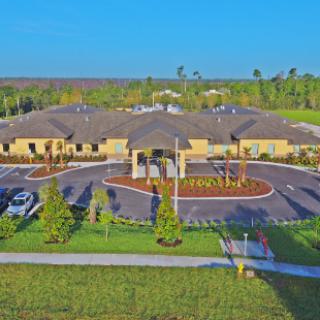
Gold Choice Assisted Living and Memory Care
$2,600 to $4,000 / month23.2 miles away -
from -$100 / mo
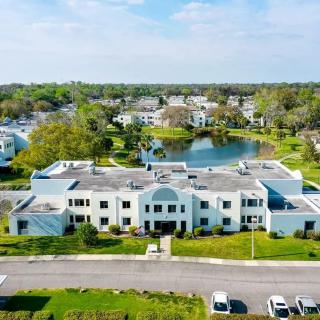
Woodmark at Daytona Beach
$2,400 to $3,000 / month5.0 miles away
Overall Review of Lovey's Adult Family Care Home
Pros
 Love is a registered nurse who provides attentive care to her residents.
 - A helper comes in to assist Love, adding extra support.
- The small number of residents allows for a lot of attention per person.
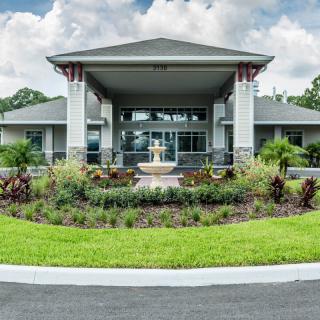
- The home is in a gated, safe, and beautiful community.
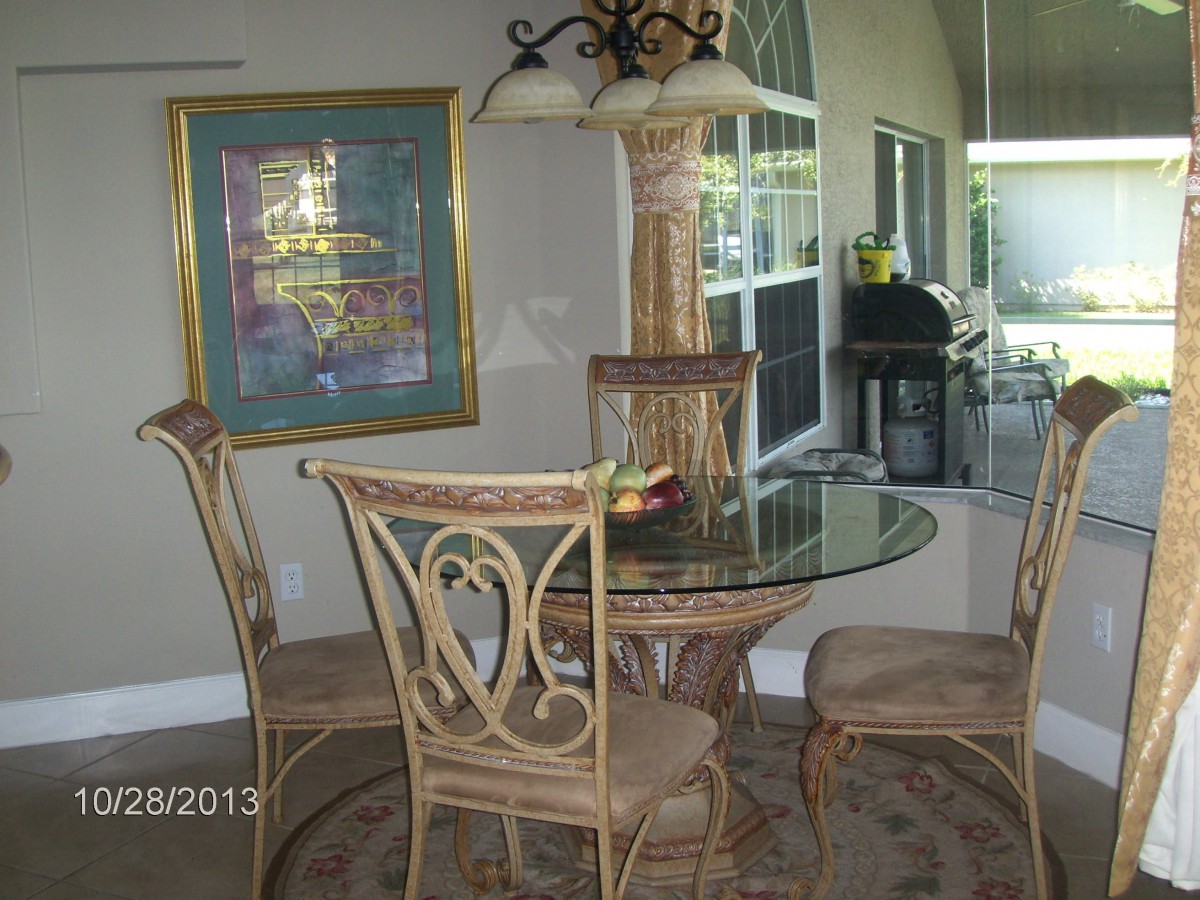
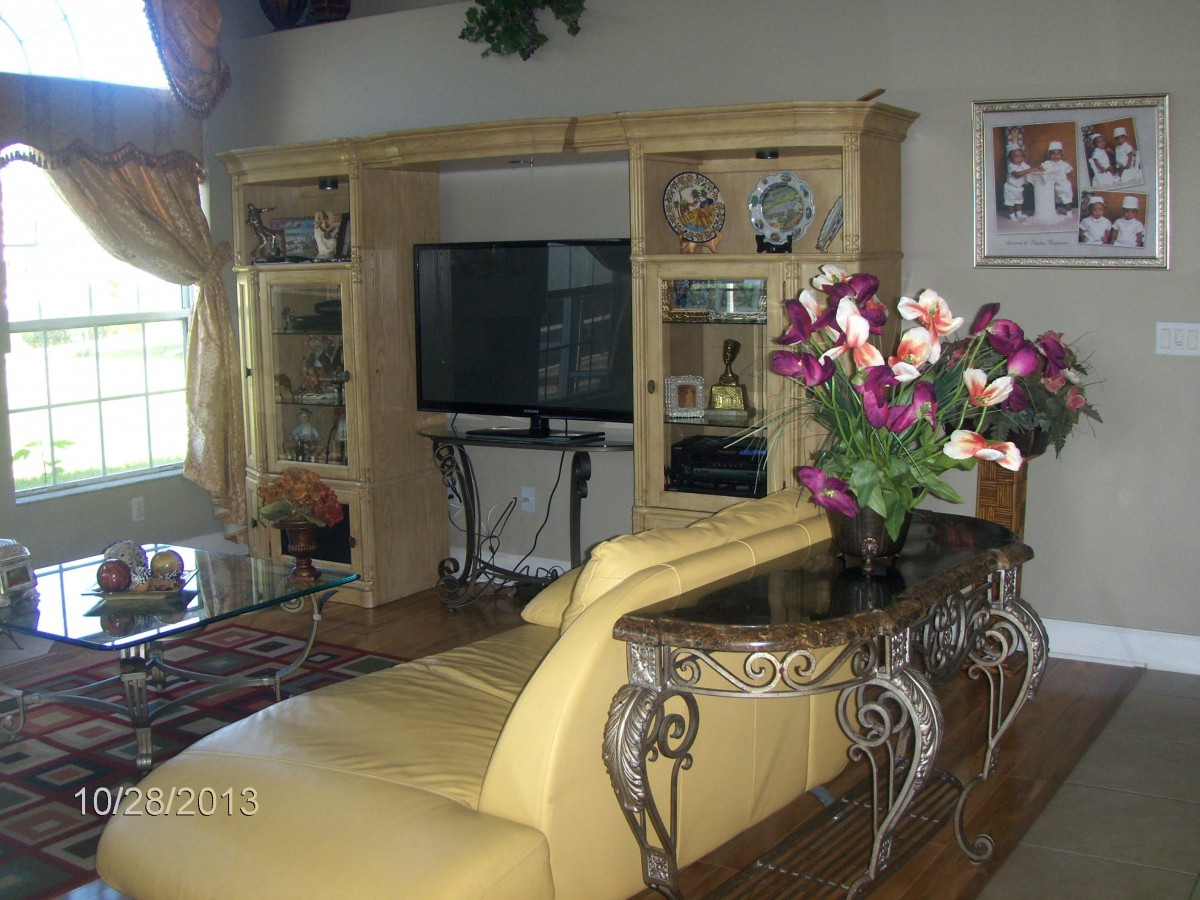
- The residence is kept nice and clean.
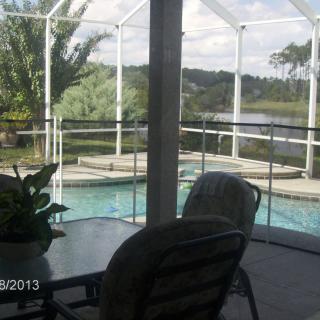
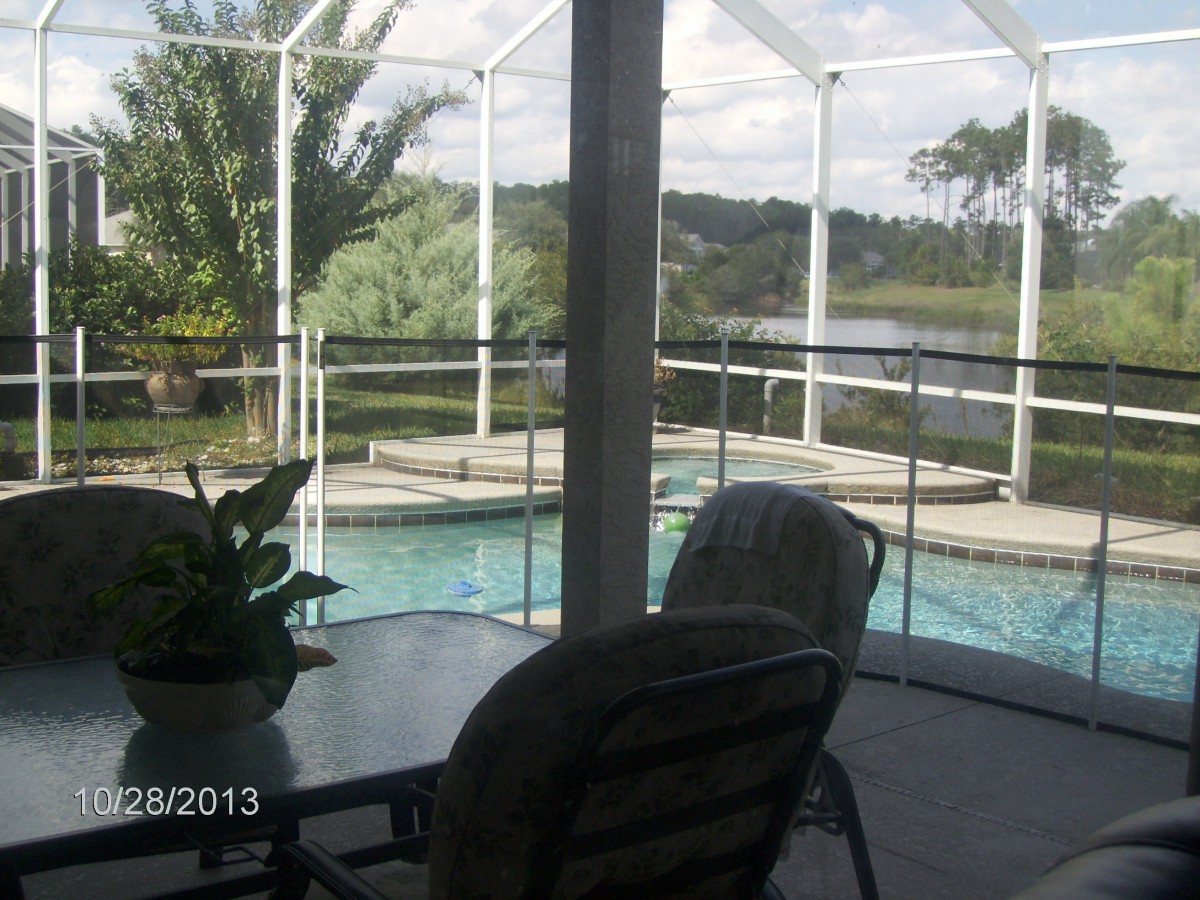
- There is a shaded outdoor area that residents enjoy.
- The twin six-year-old boys are angels and are loved by the residents.
- The staff are friendly and kind.
Cons
 The reviewer wonders about the food.
- The meals are not the healthiest choices, with pancakes and similar items.
- Nutrition quality is a concern.
Review
Lovey's Adult Family Care Home in Ormond Beach is best suited for seniors who want a remarkably intimate, nurse-led care environment within a secure, home-like setting. With a registered nurse named Love at the helm and a part-time helper, the home maintains a deliberately small capacity, two residents with room for one more, so residents receive unusually attentive, individualized care. The gated community adds a layer of safety, and the property’s beauty supports a calm, reassuring daily rhythm. This is a place where care feels personal, not institutional, and where residents are treated more like family members than numbers. The presence of the two six-year-old visitors adds warmth and a gentle, cheerful atmosphere that many families will find comforting.
The strongest pro is the level of personalized attention made possible by the tiny footprint. A nurse-led model ensures medical watchfulness stays central to daily routines, with quicker recognition of subtle changes in health or mood than in larger facilities. Residents benefit from consistent oversight, medication management, and a direct line to a clinician who understands their history. The staff-to-resident ratio allows for meaningful conversations, quick adjustments to care plans, and a sense of security that comes from knowing someone is genuinely paying attention. Cleanliness and a well-maintained outdoor shaded area further reinforce a peaceful, stress-free living space.
On the other hand, the main drawbacks stem from the limited scale. The occasional concern about meals being less than optimally nutritious is notable, with some days featuring comfort-focused options that may not suit every dietary need or medical condition. The helper’s presence is not daily, which implies variability in on-site support beyond the nurse and can leave gaps in hands-on assistance during busy times or after-hours. The very small resident group naturally limits social opportunities and structured activities, which can be a drawback for someone who thrives on a robust calendar of events or who benefits from the energy of a larger community.
These strengths largely offset the weaknesses for residents who prize a warm, responsive care culture and a safe, quiet home environment. The nurse’s consistent role mitigates many concerns about health monitoring, while the intimate setting fosters rapid communication with family and a nimble approach to changes in condition. The gated community and clean, well-kept spaces contribute to ongoing peace of mind and daily ease. The friendly, almost familial dynamic, reinforced by nearby children who residents clearly adore, can enhance emotional well-being and provide gentle social stimulation without overwhelming seniors with constant activity schedules.
There are clear guardrails about alternatives that families should consider. Those needing round-the-clock, professional nursing coverage with a large staff, diverse daily programming, or specialized memory-care services will likely find this setting too limited. Families prioritizing a highly structured meal plan, comprehensive dietary supervision, or frequent transportation to appointments may prefer a larger licensed facility with a formal dining and activity director. For residents seeking a more impersonal, bustling atmosphere with a broad resident community and more formal amenities, Lovey’s would feel too small.
For families leaning toward a compassionate, highly attentive, nurse-guided home environment, Lovey's offers compelling value. The next steps are practical: schedule a visit to observe daily routines, review a sample menu and meal planning approach, and confirm how often the helper is on site and what coverage looks like outside those hours. Ask about pricing, what is included, and whether there is flexibility to modify the level of care as needs evolve. Confirm safety features in the gated community and discuss how visits from family and grandchildren would be managed within the home. In short, this is a strong fit when intimate, medical-focused care in a serene, homelike setting is the priority.
 Board and Care Home
 Memory Care
 Activities off-site
 Bath tubs
 Devotional services off-site
 Indoor common areas
 Outdoor common areas
 Private
 Respite or short term stays offered
 Swimming pool / hot tub
 Daytona Beach International (8 miles away)
 Ambulatory care
 Diabetic care
 High acuity care
 Incontinence care
 Medication management
 Meals provided
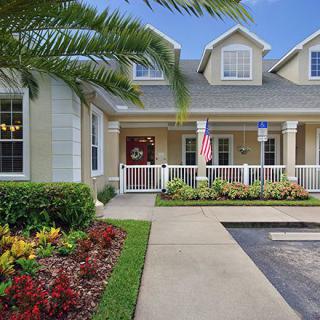
 Engaging Memory Care Activities That Enhance Quality of Life
 When to Transition from Assisted Living to Memory Care: Key Indicators, Steps, and Finding the Right Community
 Understanding the Distinctions: Assisted Living and Memory Care Explained