Matusik Adult Family Care Home offers a compelling value in the realm of senior living, particularly when compared to both Volusia County and the broader state of Florida. For instance, the monthly cost for a semi-private room at Matusik stands at $1,800, significantly lower than the county's average of $3,143 and the state's average of $3,009. Similarly, their one-bedroom accommodation is priced at $2,400, which is more affordable than the county's $3,766 and the state's $3,864. Notably, private rooms at Matusik also reflect a competitive edge - priced at $2,400 compared to Volusia's average cost of $4,168 and Florida's average of $3,699. These figures highlight Matusik Adult Family Care Home as a financially attractive option for families seeking quality care without compromising on comfort or support.
Floor plans
Matusik Adult Family Care Home
Volusia County
Florida
Semi-Private
$1,800
$3,143
$3,009
1 Bedroom
$2,400
$3,766
$3,864
Private
$2,400
$4,168
$3,699
Memory care communities with a similar price nearby
Residents describe staff who are caring, friendly, and attentive.
Many reviews focus on the day-to-day tone of the staff, describing them as caring, respectful, and attentive. Several residents and visitors also mention feeling supported during care decisions, with managers and nurses portrayed as helpful. A number of reviews add that the community has been improving through staffing changes, with residents looking happier and better cared for.
caveat6 reviews mention this
Care consistency is mixed
Some residents’ families report serious problems with staffing and medication follow-through.
Alongside positive experiences, multiple reviews raise concerns about understaffing and reliability. One review describes being very short-staffed with limited nursing and caregiver coverage, while another calls out no one answering phone calls. There are also direct medication-related complaints, including missed diabetes medications and an incident involving candy for a diabetic resident. A separate review also mentions very poor management and the facility feeling unsafe.
common3 reviews mention this
Food and meals are a recurring note
Meals and food quality come up in several experiences.
A few reviews mention food positively, including one that calls the food “very good.” Another mentions a chief preparing an apple pie for visitors. There is also a review describing an option to walk out and get something to eat, which suggests meal coverage can be a point families watch.
caveat10 reviews mention this
Cleanliness and comfort vary
Reviews range from home-like comfort to serious cleanliness complaints.
Some reviews describe the facility as clean and fresh, with a cozy or home-like feel, and others mention visible improvements such as a cleaner building. At the same time, several negative reviews describe cleanliness problems, including a place that smells, and one that reports cockroach infestation. One review also notes the place needed some updates and TLC, even while describing friendly interactions.
How we summarize
Counts show how many written reviews mention each theme; a review can touch several themes, and only frequently mentioned themes are displayed.
Features
Types of Care
Board and Care Home
Memory Care
Amenities
Activities off-site
Activities on-site
Bath tubs
Beautician on-site
Indoor common areas
Outdoor common areas
Private
Private bathrooms
Wheelchair accessible showers
Transportation
Daytona Beach International (24 miles away)
Care Services
Ambulatory care
Diabetic care
Incontinence care
Medication management
Dining
Kosher
Meals provided
Vegetarian
Activities
Activities off-site
Activities on-site
Nearby Places of Interest
This part of Orange City, Florida offers a convenient location with easy access to various amenities for seniors looking to settle in the area. The proximity to Longleaf Pediatrics, Volusia Neurology, and other medical facilities ensures quality healthcare services are easily accessible. There are several dining options nearby such as Gram's Kitchen, Olive Garden, and Applebee's, providing a variety of choices for meals. Additionally, parks like Blue Spring State Park and Gateway Park offer opportunities for outdoor recreation and relaxation. Pharmacies such as CVS Pharmacy and Walgreens are conveniently located for medication needs. Overall, this area provides a balanced mix of healthcare facilities, dining options, recreational activities, and essential services making it a desirable location for senior living in Orange City.
Physicians
Longleaf Pediatrics (1.5 miles)
Discount Glasses (1.7 miles)
Volusia Neurology (1.8 miles)
Webster Medical Clinic (1.9 miles)
Lake Mary Pediatrics (2.2 miles)
Asthma Allergy Care Center (2.2 miles)
Hill, John M, MD West Volusia Family & Sports (2.4 miles)
Matusik Adult Family Care Home offers a compelling value in the realm of senior living, particularly when compared to both Volusia County and the broader state of Florida. For instance, the monthly cost for a semi-private room at Matusik stands at $1,800, significantly lower than the county's average of $3,143 and the state's average of $3,009. Similarly, their one-bedroom accommodation is priced at $2,400, which is more affordable than the county's $3,766 and the state's $3,864. Notably, private rooms at Matusik also reflect a competitive edge - priced at $2,400 compared to Volusia's average cost of $4,168 and Florida's average of $3,699. These figures highlight Matusik Adult Family Care Home as a financially attractive option for families seeking quality care without compromising on comfort or support.
Medication management is crucial in memory care settings, as individuals with dementia or Alzheimer's often struggle to remember when to take their medications, leading to inconsistencies that can adversely affect their health. Matusik Adult Family Care Home ensures that residents receive the correct dosages at the right times, reducing the risk of medication mismanagement and promoting overall well-being. Incontinence care is equally important, as cognitive decline can impact a person's ability to recognize bodily cues and maintain hygiene. By providing compassionate and respectful incontinence care, staff help residents maintain dignity while also reducing the stress associated with potential accidents. This dual focus on medication adherence and personal care creates a supportive environment conducive to better health outcomes for residents facing the challenges of memory loss.
Nearby Communities
Oak Village
Orange City, FL
4.9 from 14 reviews
$3,400 to $6,570 / month
Intimate, small-home setting with consistent, attentive staff.
Preferred Care at Home of West Volusia
Orange City, FL
5 from 3 reviews
Extensive dietary options and convenient access to healthcare and amenities.
QwestCare Home Health
Orange City, FL
4.9 from 36 reviews
Excellent access to amenities and healthcare nearby; supportive care for daily activities.
CERTUS at Orange City
Orange City, FL
4.5 from 91 reviews
$5,600 / month
Caring staff, engaging activities, and strong family communication
Savannah Court Of Orange City
Orange City, FL
4 from 83 reviews
$2,650 to $3,995 / month
Homey, welcoming atmosphere with on-site amenities and a one-level layout for easy navigation.
Precision Home Care Agency Inc.
Orange City, FL
Strong access to nearby healthcare and amenities (pharmacies, physicians, hospital, parks, dining).
John Knox Village of Central Florida
Orange City, FL
5 from 2 reviews
Gated, secure community with multiple care levels and amenities.
Sancerre at Orange City
Orange City, FL
4.8 from 92 reviews
$3,750 to $5,775 / month
Luxurious, spacious accommodations with on-site dining by a professional chef and a wide range of activities, plus memory care options.
Debary Health And Rehabilitation Center
Debary, FL
3.8 from 50 reviews
Skilled physical therapy staff and some compassionate caregivers.
Assisted living provides moderate support for seniors seeking independence, while memory care offers specialized support for individuals with dementia or cognitive impairments through structured routines and trained staff. Key differences include care approaches, environment security measures, staff training levels, activity types, and cost considerations.
Choosing between assisted living and nursing homes involves evaluating emotional and financial factors, with assisted living offering independence and support for daily activities at a lower cost, while nursing homes provide intensive medical care for individuals with significant health needs. The decision is influenced by personal preferences, health status, cognitive function, and varying Medicaid coverage across states.
The article presents eight strategies for preserving cognitive health and memory in older adults, emphasizing a nutrient-rich diet, regular exercise, intellectually stimulating activities, adequate sleep, social connections, stress management techniques, limiting harmful substances, and regular medical checkups to mitigate age-related memory decline.
Get PricingAsk A QuestionSchedule A TourContact Senior Advisor
By clicking submit, you agree to our Partner's Terms of Use. You
also consent to receive calls and texts, which may be autodialed, from our Partner. Your consent is not a condition to
using our Partner's service. Please visit our Partner's Privacy Policy for information about their privacy practices.


 Board and Care Home
 Memory Care
 Activities off-site
 Bath tubs
 Beautician on-site
 Indoor common areas
 Outdoor common areas
 Private
 Private bathrooms
 Wheelchair accessible showers
 Daytona Beach International (24 miles away)
 Ambulatory care
 Diabetic care
 Incontinence care
 Medication management
 Kosher
 Intimate, small-home setting with consistent, attentive staff.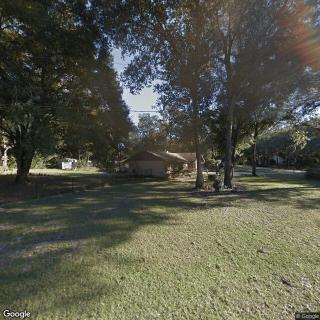



 Assisted Living and Memory Care: Understanding Their Core Differences
 Choosing the Right Senior Care: A Detailed Exploration of Assisted Living and Nursing Homes
 Safeguarding Your Memory Through the Golden Years: Eight Ways to Preserve Cognitive Health