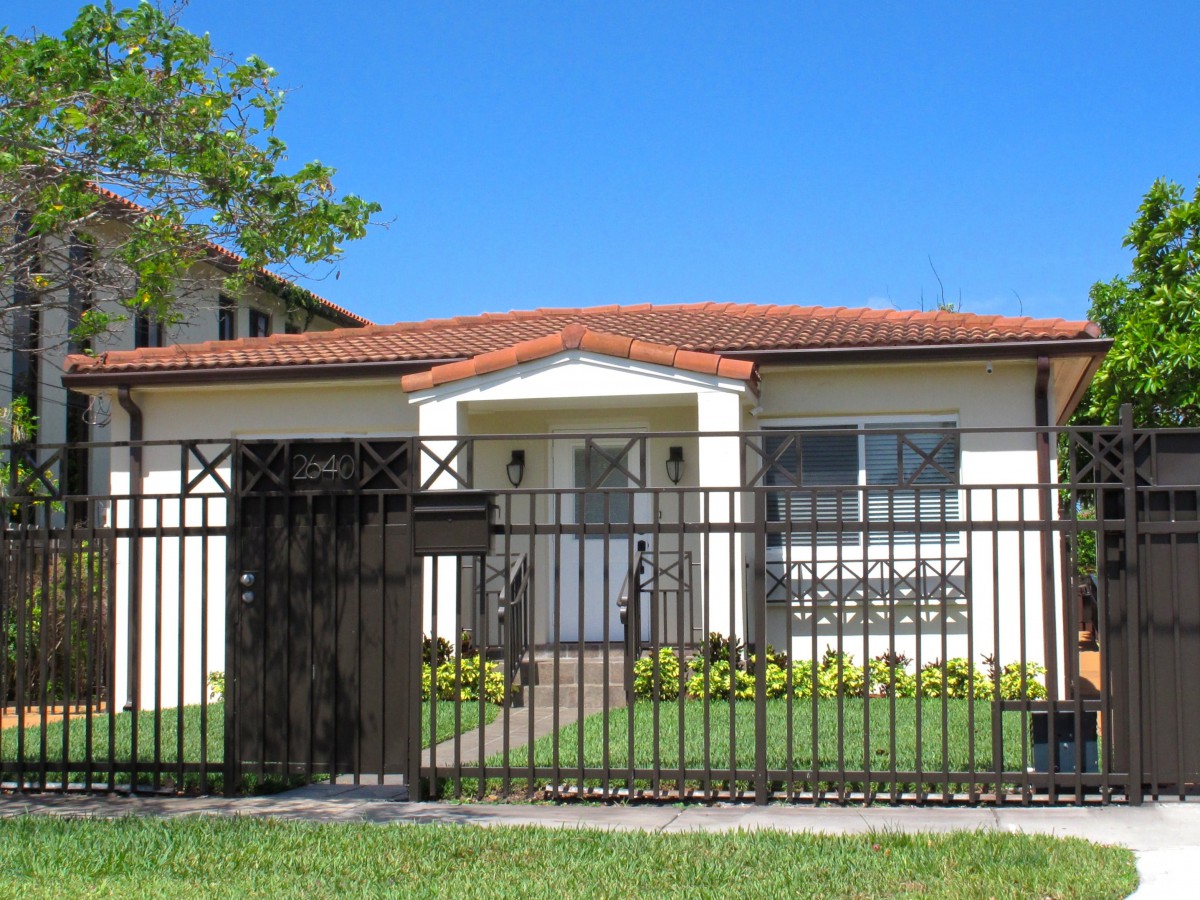
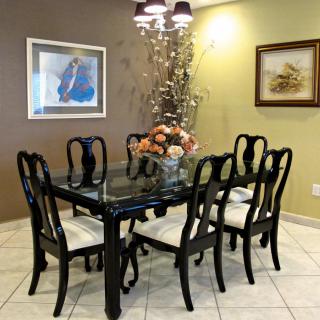
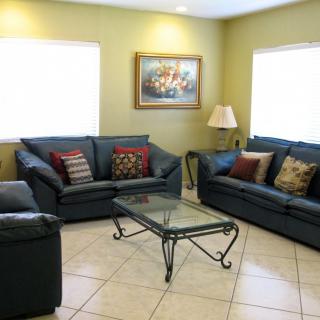
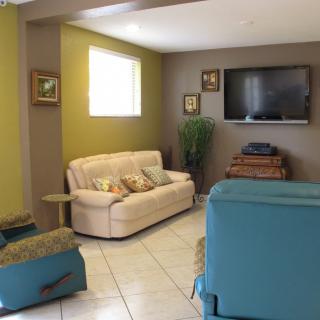
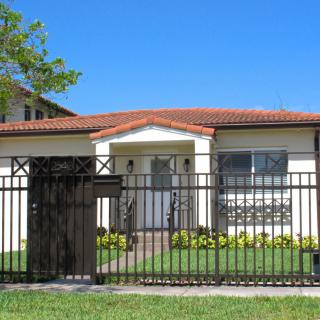

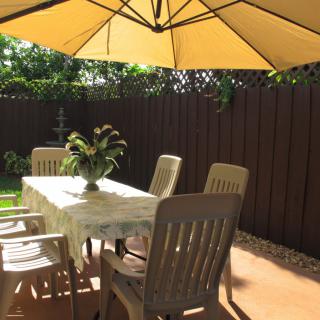
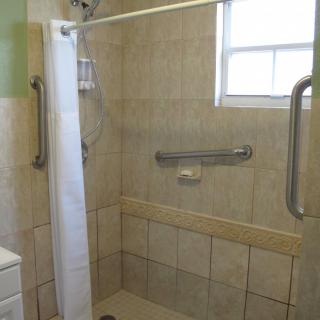
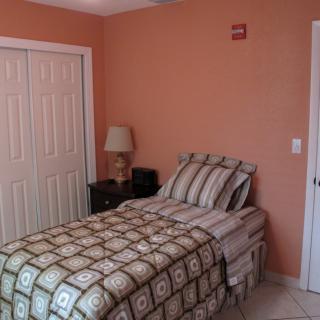
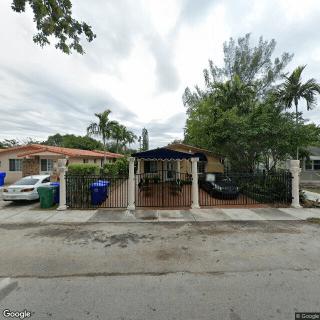
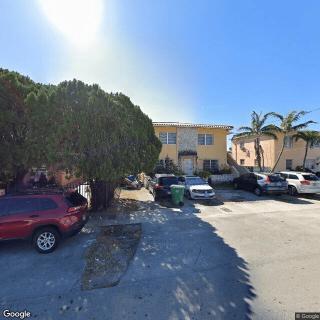
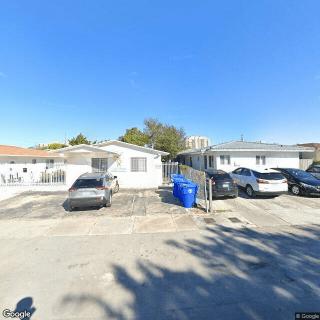
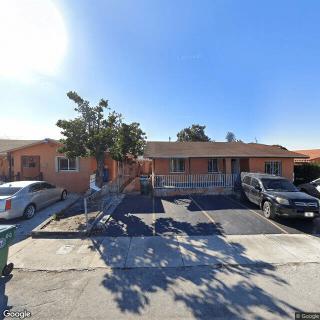
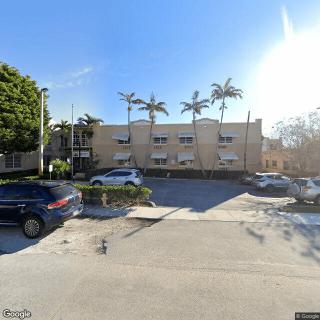
2640 SW 32nd Ct, Miami, FL 33133
To contact a resident: (305) 202-3607
For more information about senior living options: (866) 208-4318
My New Oasis Costs & Pricing
At My New Oasis, the costs for living options are competitive and appealing when compared to both Miami-Dade County and the broader state of Florida. For instance, a semi-private room is priced at $2,000 per month, which not only offers significant savings against Miami-Dade's average of $2,250 but also stands out favorably against Florida's average of $3,009. Similarly, our 1-bedroom units are available for $3,000, providing a notable advantage over the county and state averages of $3,775 and $3,864 respectively. Additionally, our private rooms are priced at $3,000 as well - lower than both the county's average of $3,304 and the state's average of $3,699. This positioning reflects our commitment to offering affordable yet high-quality living environments for our residents.
| Floor plans | My New Oasis | Miami-Dade County | Florida |
|---|---|---|---|
| Semi-Private | $2,000 | $2,250 | $3,009 |
| 1 Bedroom | $3,000 | $3,775 | $3,864 |
| Private | $3,000 | $3,304 | $3,699 |
Memory care communities with a similar price nearby
-
About the same
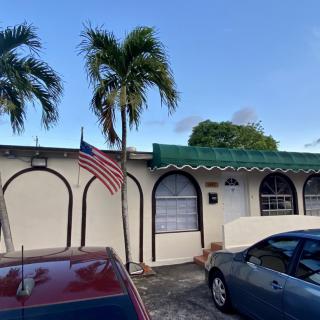
Care and Love Retirement Home
$2,000 to $2,500 / month6.9 miles away -
from -$200 / mo
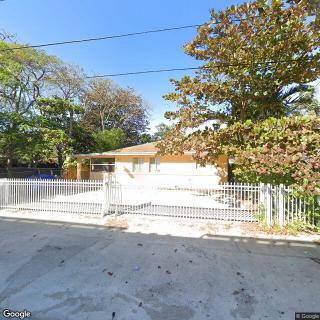
Magnet Adult Home South
$1,800 to $3,500 / month5.1 miles away -
from +$220 / mo

Miami Jewish Home & Hospital for the Aged
$2,220 to $7,500 / month6.6 miles away -
from +$300 / mo
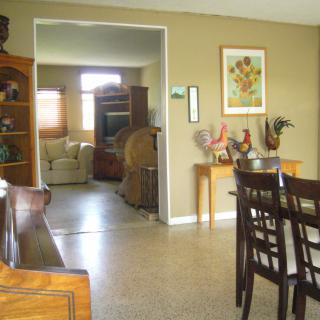
La Caridad Del Cobre ALF
$2,300 to $3,000 / month4.5 miles away -
About the same
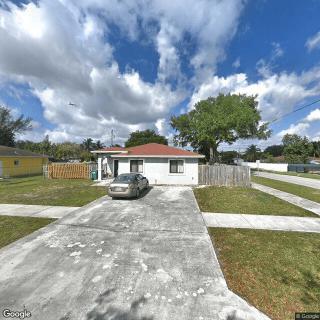
Sweet Angel's Home Assisted Living Facility Inc
$2,000 to $2,500 / month12.1 miles away
Overall Review of My New Oasis
Pros
 The tour of the care home was very good.
- It is a very nice place, and everything went well.
- The gentleman who spoke with them was very kind and knowledgeable.
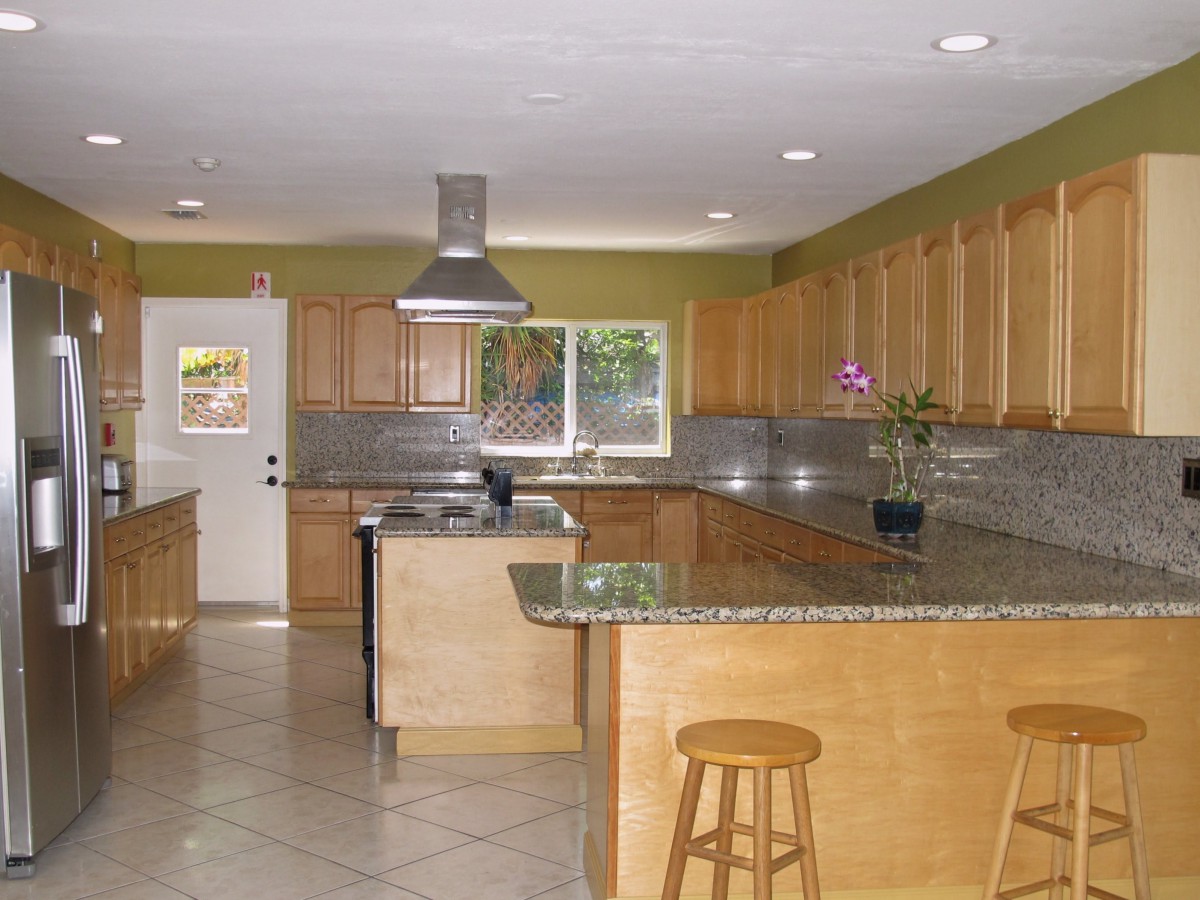
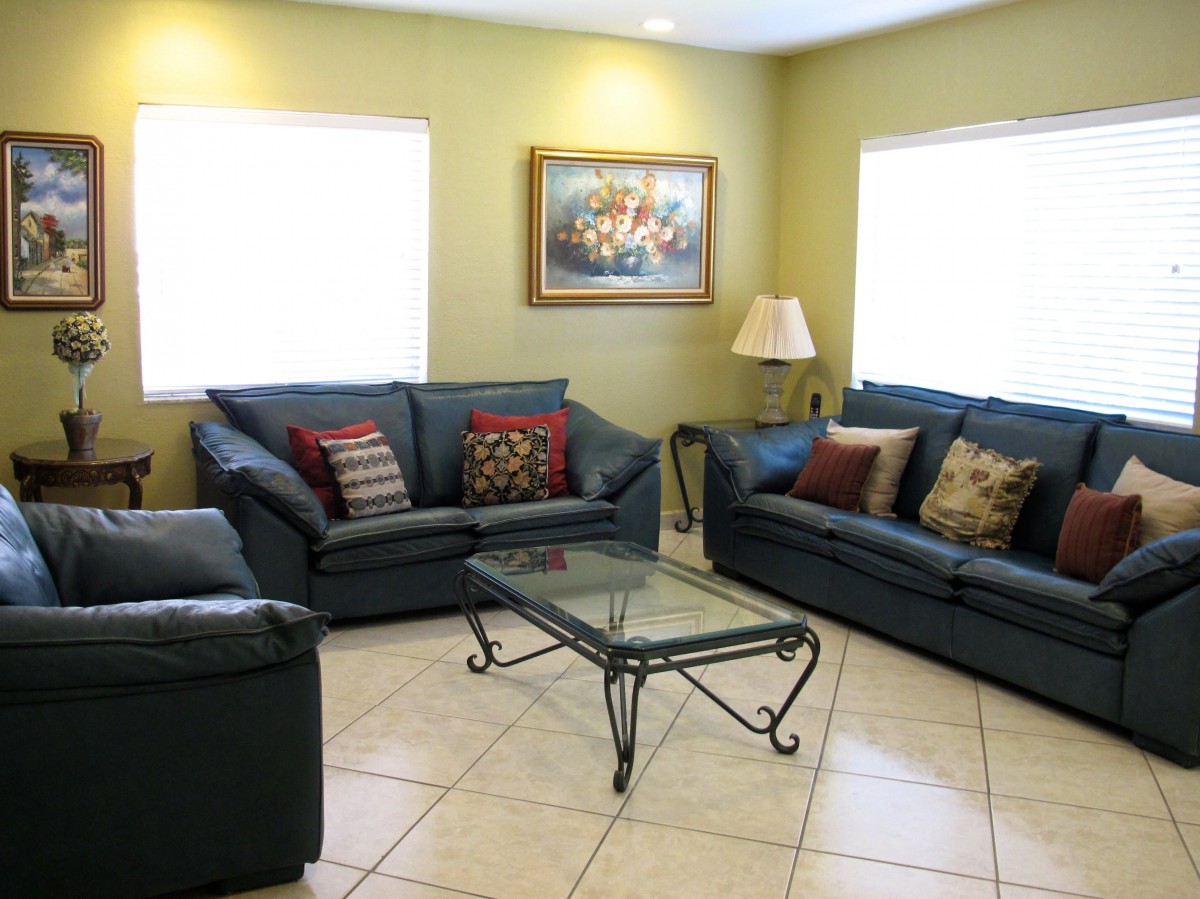
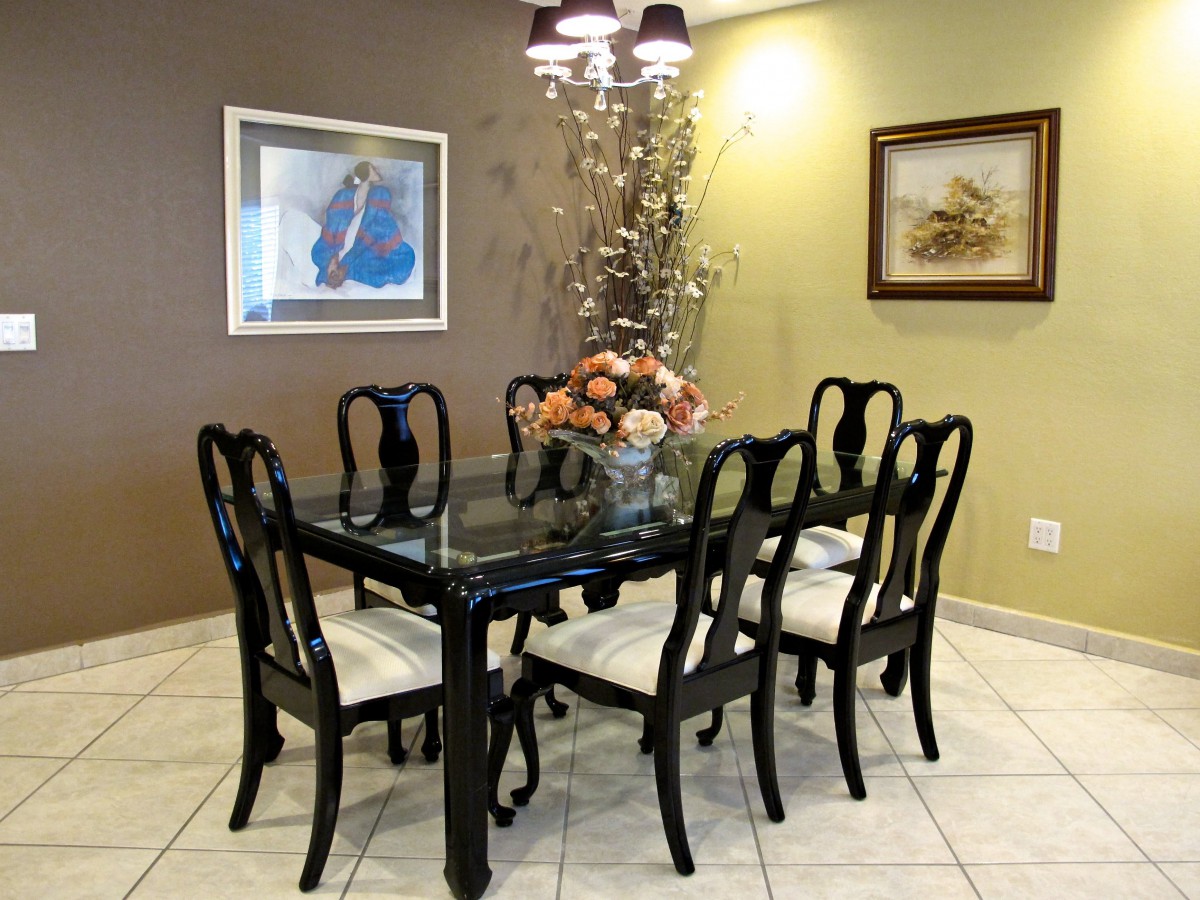
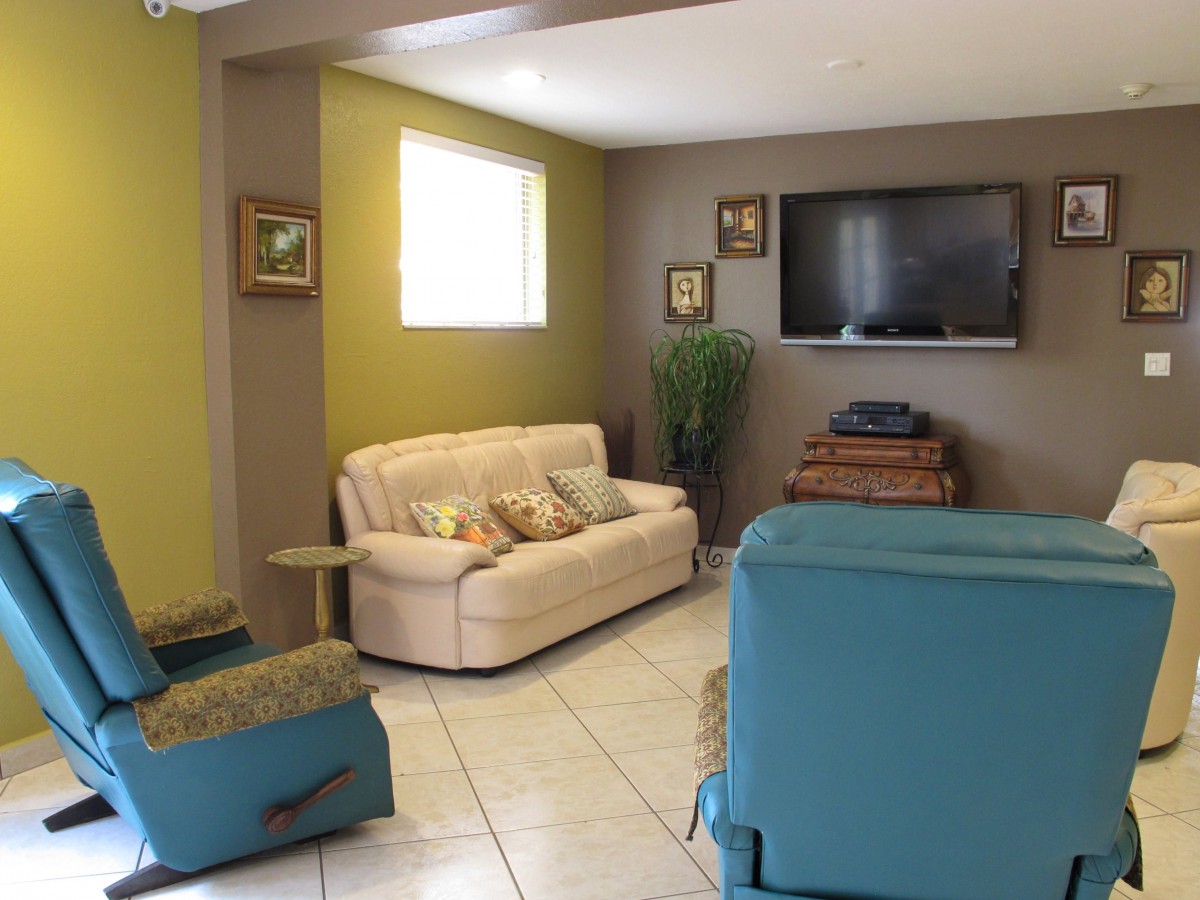
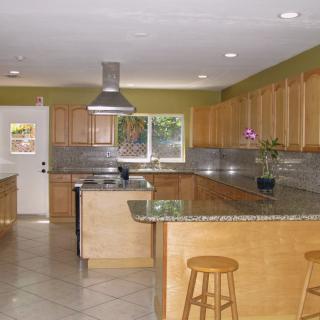
- The home looked great, and everything was neat and clean.
- My New Oasis is a small community with a family atmosphere.
- The meals offered by the community have good taste.
- The reviewer would highly recommend this community to friends and family.
- My New Oasis seemed like a really nice place.
- The owner was very helpful.
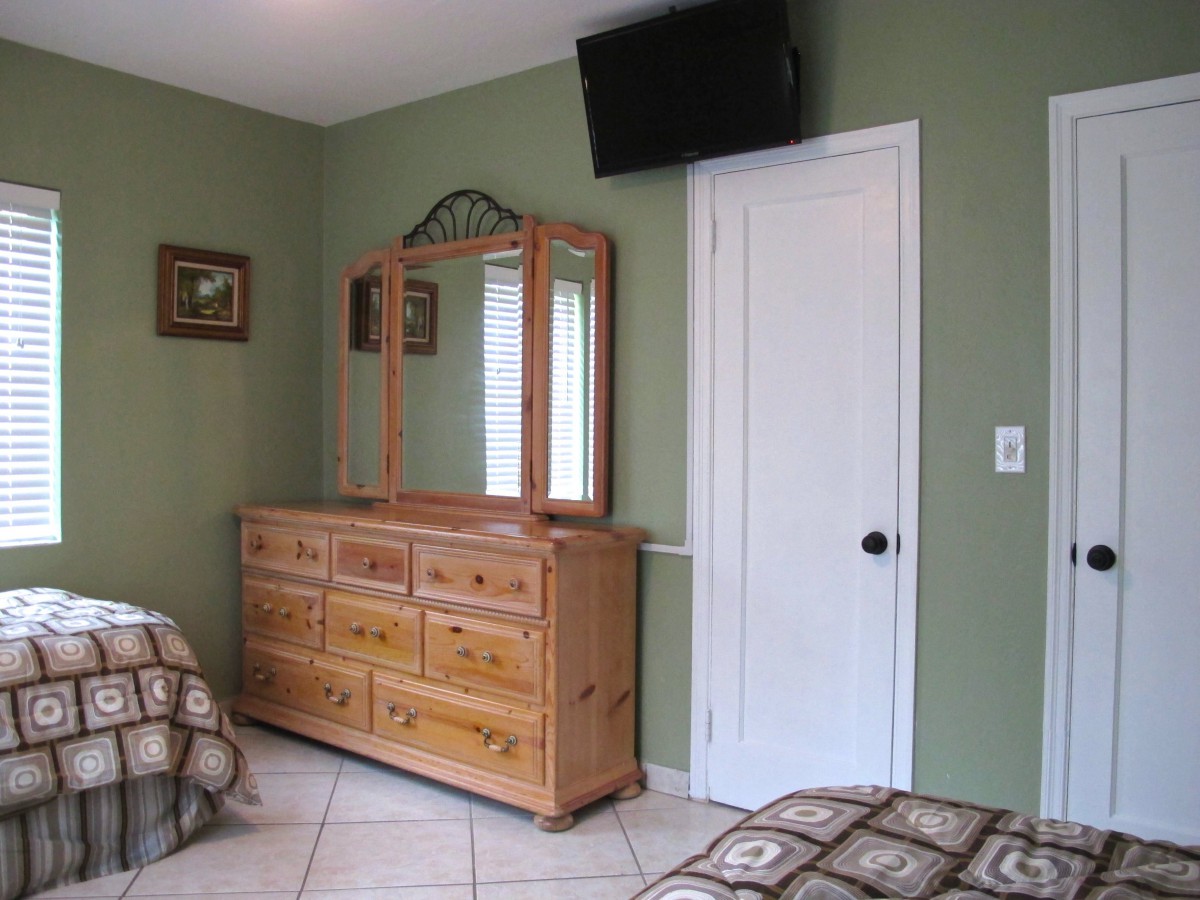
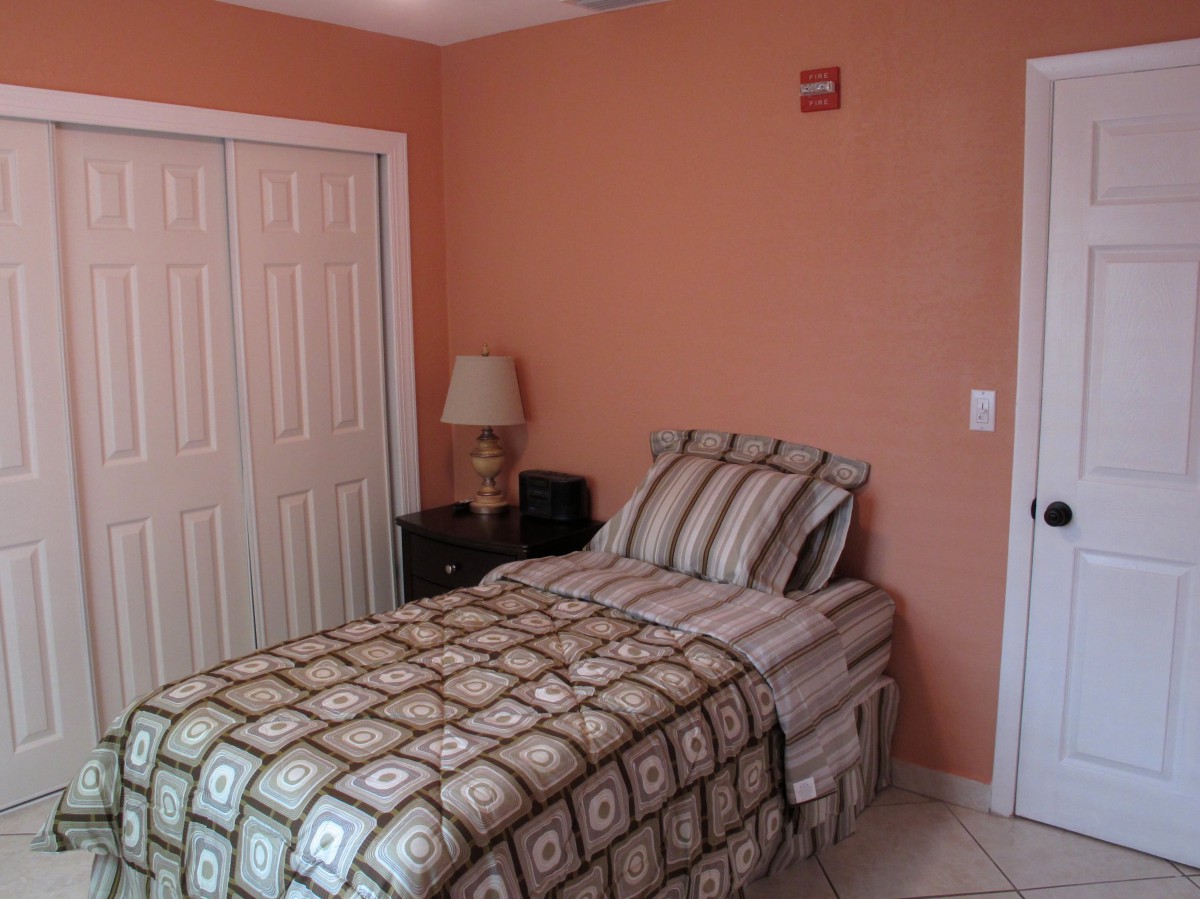
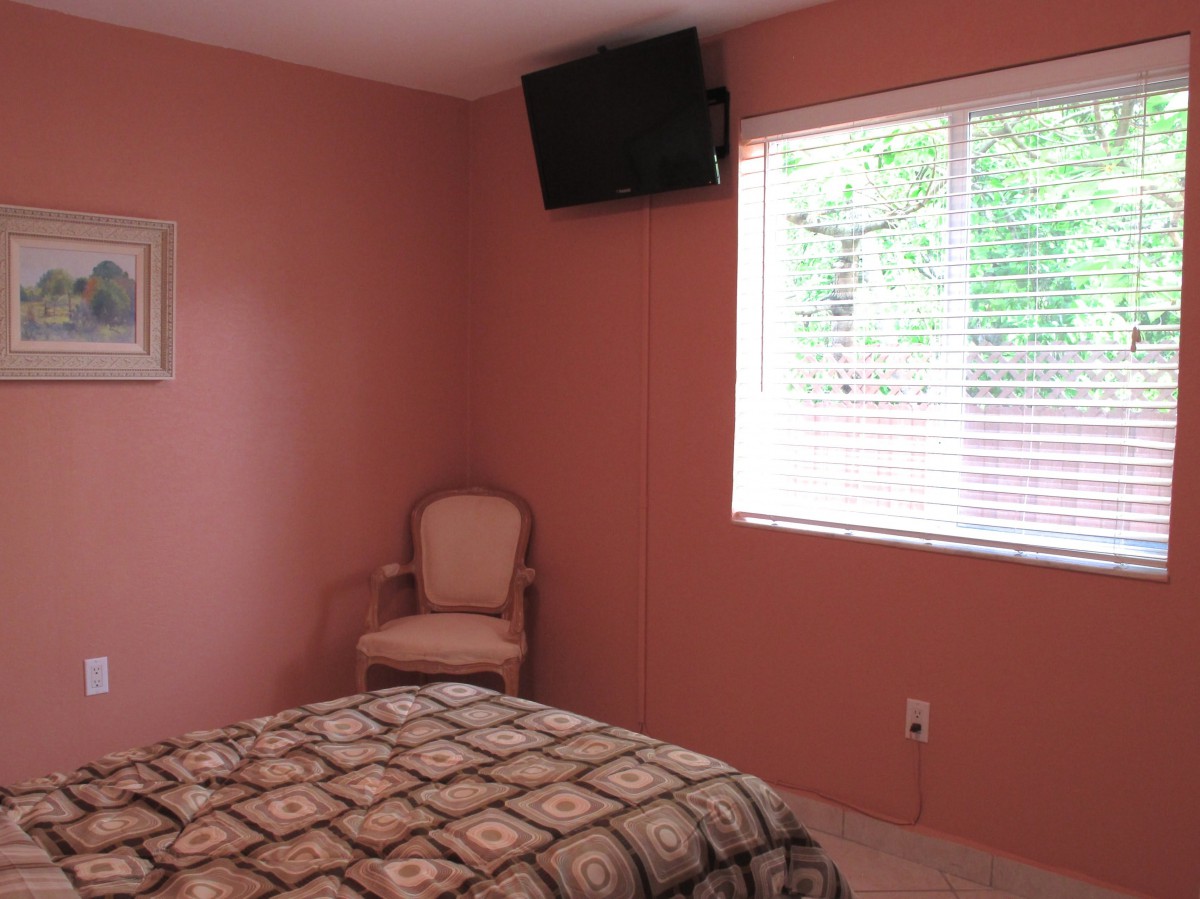
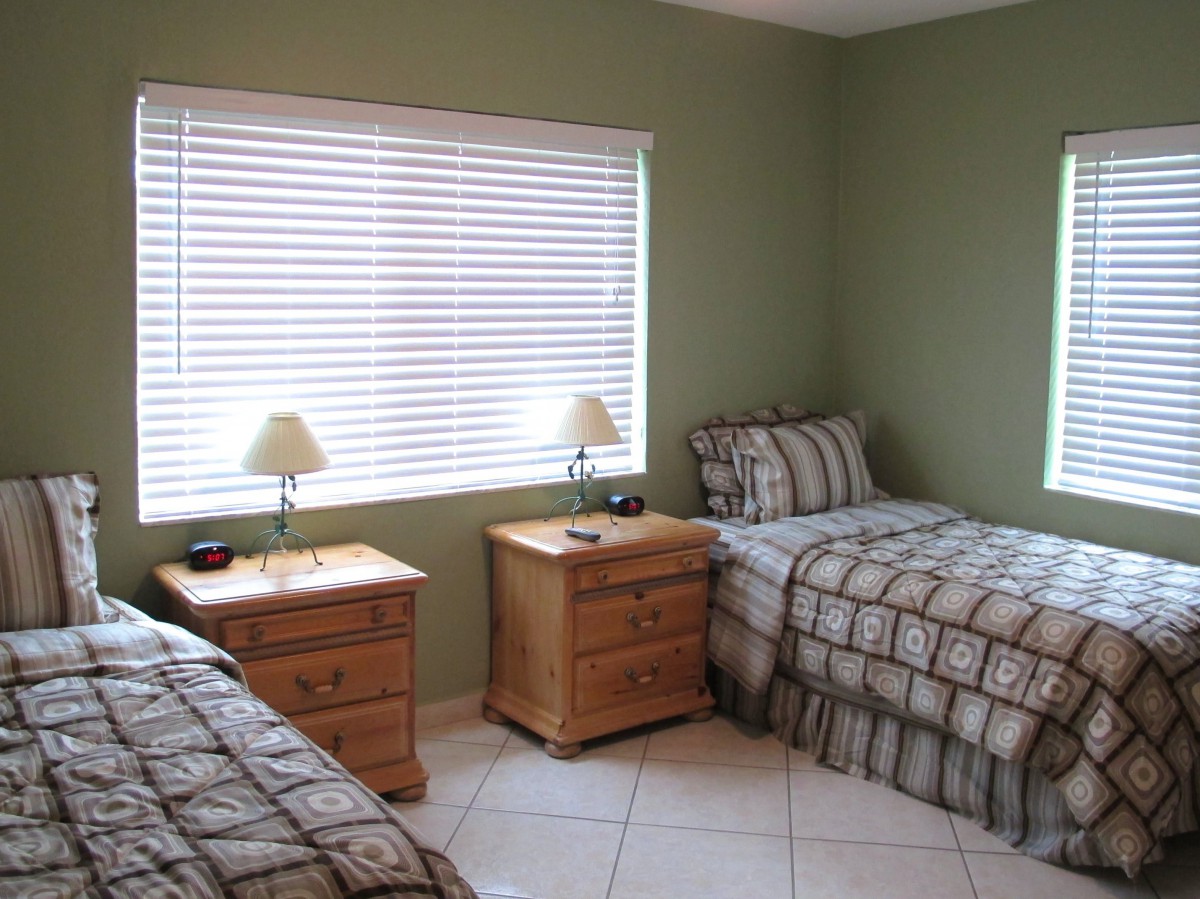
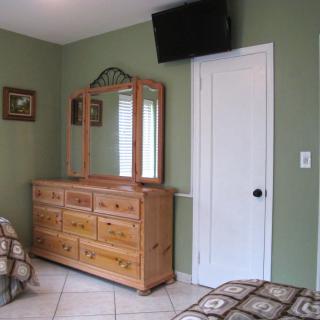
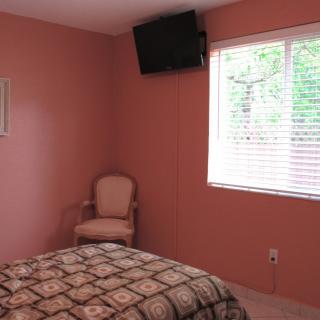
- The rooms seemed really nice and were painted nicely.
Cons
 There were only four residents in the home, and they were more advanced in their dementia than the reviewer’s mother, which made it not the right fit for her needs.
- The reviewer felt the place could be improved by offering activities.
Review
My New Oasis in Miami, FL is best positioned for seniors who thrive in a tiny, home-like setting where staff know residents well and a family atmosphere governs daily life. The community reads as intimate and low-key, with a noticeably small roster of residents that fosters personalized attention. It seems particularly aligned with women seeking a quietly social, meal-centric environment, as several accounts emphasize a female-dominated vibe and a warm, collective feel. This is not a one-size-fits-all solution: the format works for those who value comfort, predictable routines, and simple, home-style engagement more than a bustling activity calendar or a wide range of services. For a parent who needs less stimulation and more personal touch, it can be a strong match.
Pros are tangible and meaningful: the setting tends to be neat, clean, and well-maintained, with rooms that look pleasant and freshly painted. Meals are singled out as a strong point, simple, well-tasted dishes that resonate with residents. A small group means staff can offer closer, more consistent supervision and companionship, which translates into a safer, more familiar daily rhythm. Reports repeatedly highlight courteous, knowledgeable interactions with staff, and an owner who is accessible and responsive. This combination, the ambiance, food quality, and approachable leadership, helps offset the geographic or culinary simplicity that sometimes accompanies small facilities in this market.
However, the model carries clear drawbacks. The resident population is notably small, and the mix skews toward women, which can leave potential male residents without a comfortable comparable option. The reviews flag a noticeably sparse activity calendar; residents may grow restless without structured programming or meaningful social opportunities. Some cases involve residents with more advanced dementia relative to a potential guest, which can complicate care alignment for families seeking a broader range of cognitive support. In short, the quiet, homey environment shines, but it lacks the breadth of services and stimulation that come with larger, more program-driven communities.
Who should consider alternatives? Families needing a more diverse or inclusive resident population, a robust activity slate, or dementia-focused programming may prefer a larger or more specialized facility. Those with men as their loved one’s primary companions might look for a co-ed setting or a home with a more varied social calendar. Memory care needs beyond assisted living, or residents who require frequent, structured engagement beyond casual activities, would likely be better served elsewhere. If a boutique feel with intimate attention is not the top priority, exploring other options in the Miami market will yield more varied programming and broader staffing ratios.
How the positives balance the negatives becomes a case-by-case assessment. The strong points, cleanliness, pleasant rooms, tasty meals, and personal attention, do a credible job of creating dignity, comfort, and safety. The family-like atmosphere and visible ownership involvement provide reassurance that concerns will be heard and addressed. Yet the lack of activities and the small, gender-skewed community can dull the day-to-day experience for residents who thrive on engagement, conversation, and diverse interactions. For families, this means weighing the value of a cozy, predictable routine against the risk of long stretches of quiet or minimal social programming.
Bottom-line guidance: My New Oasis is a solid fit for seniors who prize a tight-knit, homelike environment, with dependable meals and attentive caregiving, and who are comfortable in a women-centric, small-community setting. It is less suited for those seeking a lively activity calendar, mixed genders, or dementia-specific programming. Families weighing options should prioritize an in-person tour focused on activity offerings, resident diversity, and the ability to accommodate specific cognitive needs. If these criteria align with the senior’s preferences and health needs, this community can deliver a peaceful, dignity-preserving living arrangement; otherwise, the search should expand to slightly larger, more programmatic options in the area.
 Board and Care Home
 Memory Care
 Activities off-site
 Devotional services off-site
 Indoor common areas
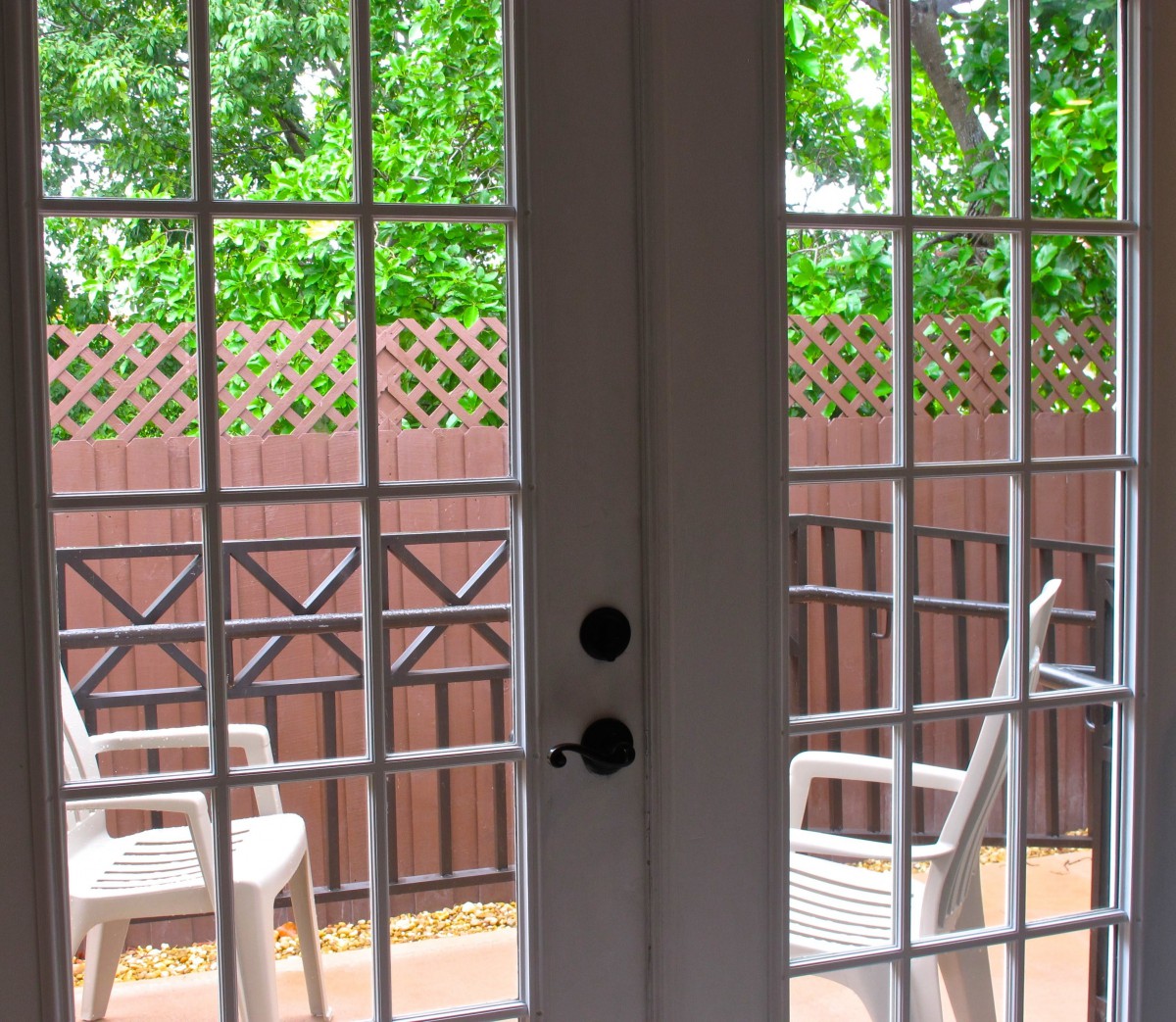
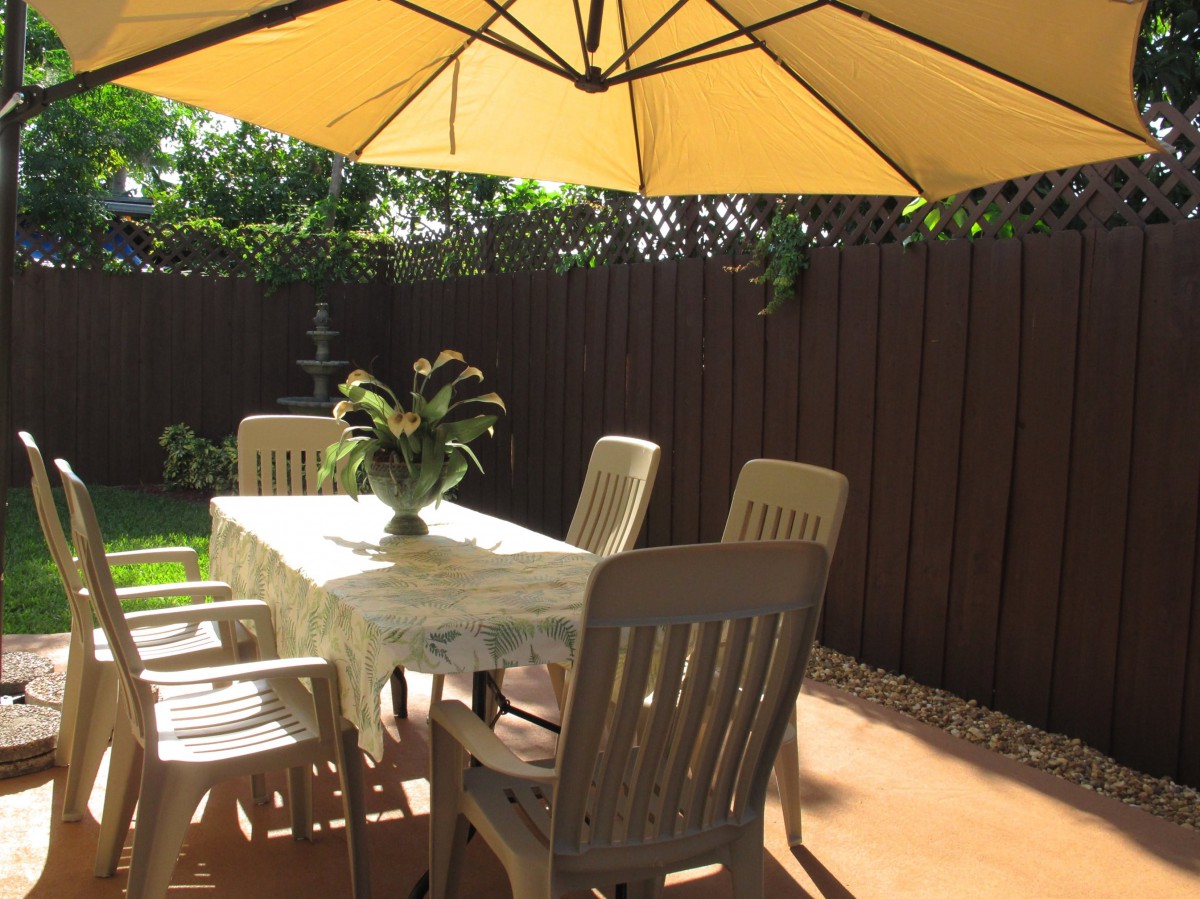
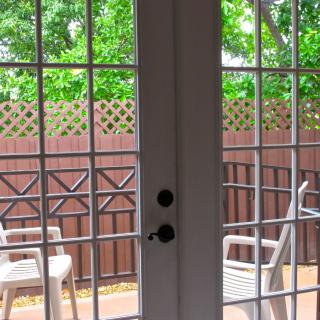
 Outdoor common areas
 Private
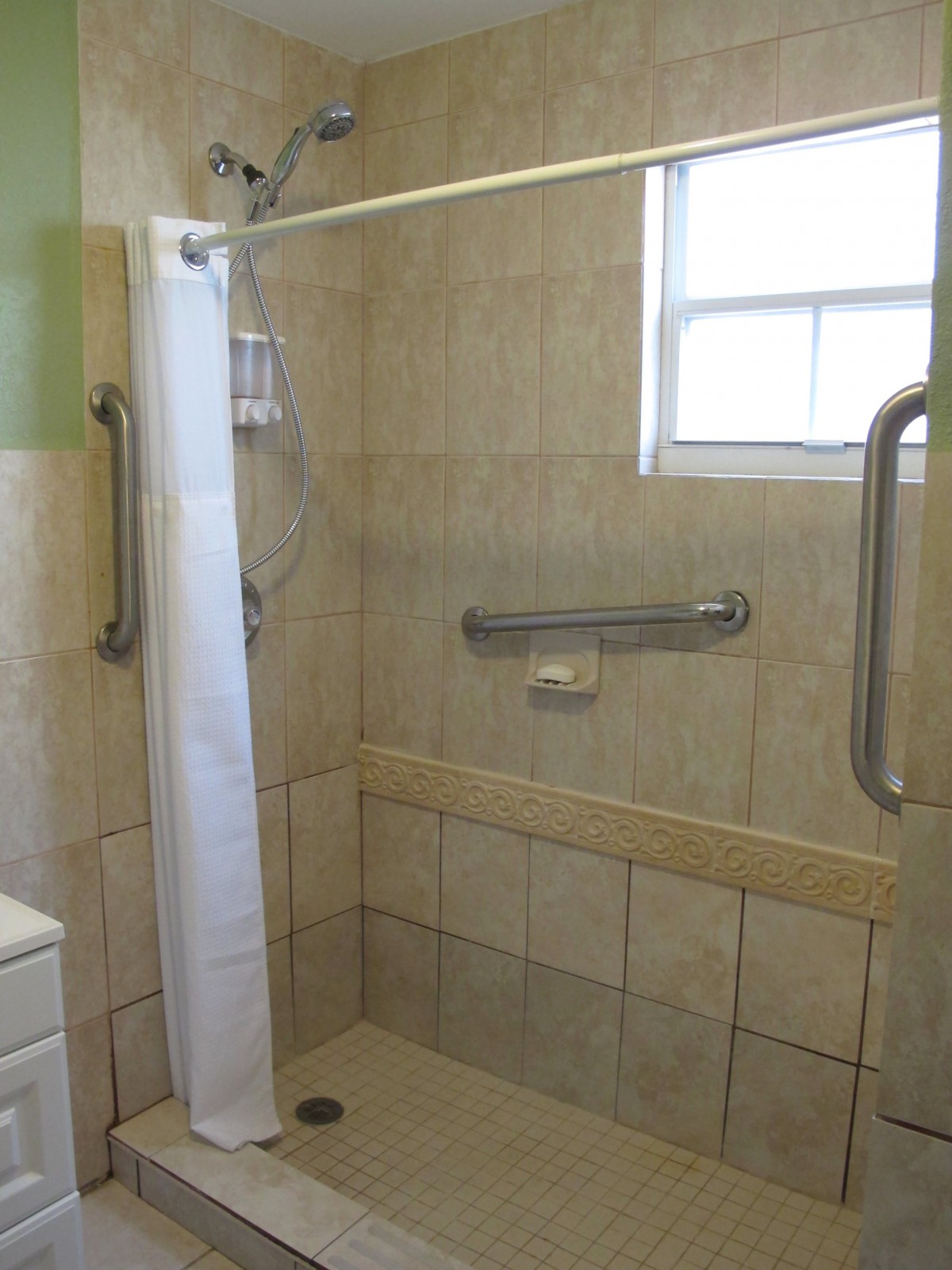
 Private bathrooms
 Respite or short term stays offered
 Miami International (4 miles away)
 Ambulatory care
 Incontinence care
 Medication management
 Meals provided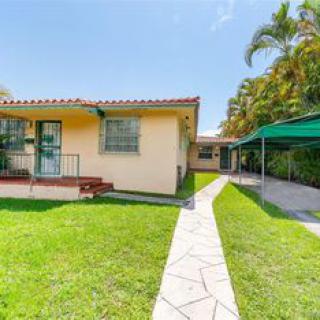



 How to Communicate with a Loved One Living with Dementia: 10 Supportive Strategies
 Comprehensive Guide to VA Nursing Homes: A Crucial Long-Term Care Resource for Veterans
 Estimating the Expenses of At-Home Dementia Care: A Detailed Exploration