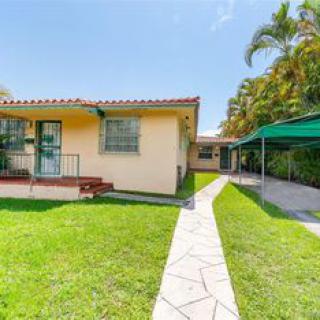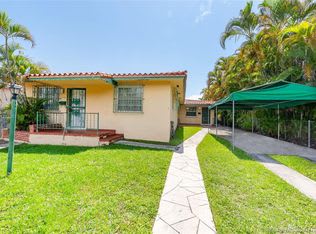
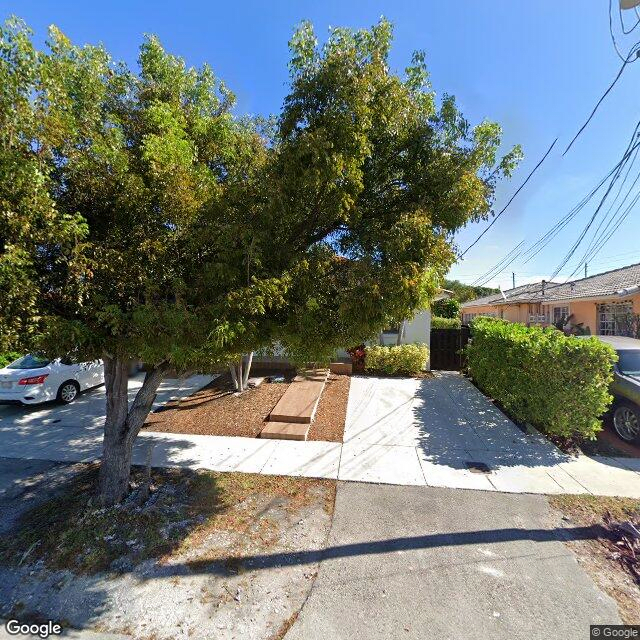
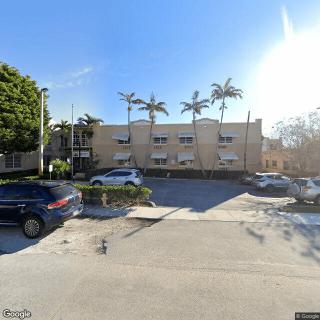
2787-2789 S.W 33 Avenue, Miami, FL 33133
For more information about senior living options: (866) 208-4318
Assisted Living Retirement Home II Costs & Pricing
Assisted Living Retirement Home II offers competitive pricing for its services compared to the broader market in Miami-Dade County and across Florida. For a semi-private room, residents can expect to pay $2,800 per month, which is notably higher than the county average of $2,250 but lower than the state average of $3,009. Meanwhile, the cost for a private room at Assisted Living Retirement Home II is set at $3,000, positioning it more favorably against Miami-Dade's average of $3,304 and Florida's statewide average of $3,699. This balance suggests that while the facility may be pricier than local options for shared accommodations, it presents greater value in terms of private living spaces. Overall, Assisted Living Retirement Home II offers an appealing choice for families seeking quality assisted living within their budgetary considerations.
| Floor plans | Assisted Living Retirement Home II | Miami-Dade County | Florida |
|---|---|---|---|
| Semi-Private | $2,800 | $2,250 | $3,009 |
| Private | $3,000 | $3,304 | $3,699 |
Assisted Living communities with a similar price nearby
-
from -$400 / mo
Ana's Assisted Living Facility
$2,400 / month19.0 miles away -
About the same

Palace Gardens
$2,750 to $6,900 / month21.4 miles away -
from +$200 / mo

Vida Clara Adult Care Services
$3,000 to $3,500 / month2.9 miles away -
from +$360 / mo
Five Star Premier Residences of Hollywood
$3,160 to $4,235 / month20.7 miles away -
from -$505 / mo
The Peninsula Assisted Living and Memory Care
$2,295 to $5,895 / month17.2 miles away
Overall Review of Assisted Living Retirement Home II
Pros
 They are very happy with how things are going for their loved one since moving into the community.
- The staff are friendly and the care their mom receives is reassuring.
- Their mom has had no complaints about the meals and enjoys the activities with other residents.
- They would recommend the community to anyone interested.
- The facility is clean, the food is good, and the staff are friendly.
- Allowing dogs is a big plus.
Review
This community is best suited for families seeking a straightforward, caregiver-focused assisted living option in Miami where staff warmth and a welcoming, pet-friendly atmosphere are prioritized. It works well for seniors who value dependable daily care, clean surroundings, and agreeable meals, and who appreciate the reassurance of consistent staff engagement. The emphasis here is on a practical, comfortable residence where residents can maintain a sense of normalcy without chasing an upscale, high-activity lifestyle. For residents who want more robust programming, more specialized memory-care support, or a broader social calendar, this community may feel understated, but it delivers reliability where it counts.
Those weighing alternatives should consider options that offer more intensive clinical oversight or a more expansive activity schedule. If memory care needs are prominent or if transitions require closer supervision, a facility with dedicated memory-care wings or a higher staff-to-resident ratio could be a better match. Families seeking a more dynamic social scene, frequent off-site outings, or more varied enrichment programs may find other communities that better align with those expectations. Prospective residents who crave a strong, ongoing sense of “extra” care beyond daily living tasks may want to compare nearby options with a broader array of structured offerings.
The strongest positives here are tangible: welcoming, friendly staff; clean facilities; and meals that residents report as agreeable. The simple, reliable care model reduces uncertainty for families during transitions and gives residents a comfortable daily rhythm. The dog-friendly policy stands out as a meaningful advantage, reducing loneliness for animal-loving seniors and enabling familiar routines that boost mood and engagement. The combination of cleanliness, dependable service, and cordial interactions with staff creates a sense of security that often outweighs quieter days or a modest calendar of activities.
A notable caveat is the variation in activity intensity. While residents can participate in occasional group activities and social time, the calendar is not described as bustling. For some seniors, this matches a gentler pace perfectly; for others, it may feel limiting if a more vibrant, agenda-filled routine is desired. Additionally, one 1-star review signals that at least one resident or family encountered a dissatisfaction strong enough to justify scrutiny. The specifics aren’t spelled out in the comments available, but the presence of a single low rating suggests that care experiences can differ, and any visit should include direct questions about staff consistency, response times, and what a typical day looks like.
From a practical standpoint, the location in Miami, the pet-friendly environment, and the evident emphasis on clean, well-maintained common spaces make this community a sensible choice for families prioritizing compatibility of lifestyle and comfort over prestige of amenities. The favorable impressions of meals and staff provide a reassuring baseline, especially for those who fear abrupt changes in daily routines or who worry about dietary satisfaction after the transition. If a prospective resident wants predictable care and a homey, low-drama setting where a pet can remain part of daily life, this community delivers on that promise.
In the end, this Assisted Living Retirement Home II is a solid fit for seniors who want dependable staff, a clean and comfortable home atmosphere, and a pro-pet policy, with meals that meet general expectations. It serves families seeking peace of mind through steady caregiving rather than a flashy, high-energy environment. For those who require more aggressive programming, greater clinical oversight, or a more expansive social calendar, it is prudent to compare alternatives that emphasize those features. A campus tour focusing on staffing patterns, daily routines, and the specifics behind the lone 1-star rating will equip families to determine whether this is the right next step or if another community better matches the hoped-for level of engagement and support.
 14 resident community capacity
 Assisted Living
 Board and Care Home
 Respite Care
 Activities off-site
 Bath tubs
 Cable or satellite TV
 Devotional services off-site
 Dining room
 Fully furnished
 Garden
 Housekeeping services
 Indoor common areas
 Move-in coordination
 Outdoor common areas
 Private
 Private bathrooms
 Telephone
 Wheelchair accessible showers
 Wi-Fi/high-speed internet available
 Miami International (5 miles away)
 24-hour supervision
 Ambulatory care
 Assistance with bathing
 Assistance with dressing
 Assistance with transfers
 Diabetes diet
 Diabetic care
 High acuity care
 Incontinence care
 Meal preparation and service
 Medication management
 Special dietary restrictions
 Transportation arrangement (medical)
 Transportation to doctors appointments
 Birthday parties
 Catholic services
 Educational speakers / life long learning




 An Extensive Exploration of the VA Aid and Attendance Benefit
 Senior Transition Services: Understanding Their Role, Cost, and Importance
 Exploring the Path to Senior Living: A Comprehensive Look at Independent Living and Assisted Living