
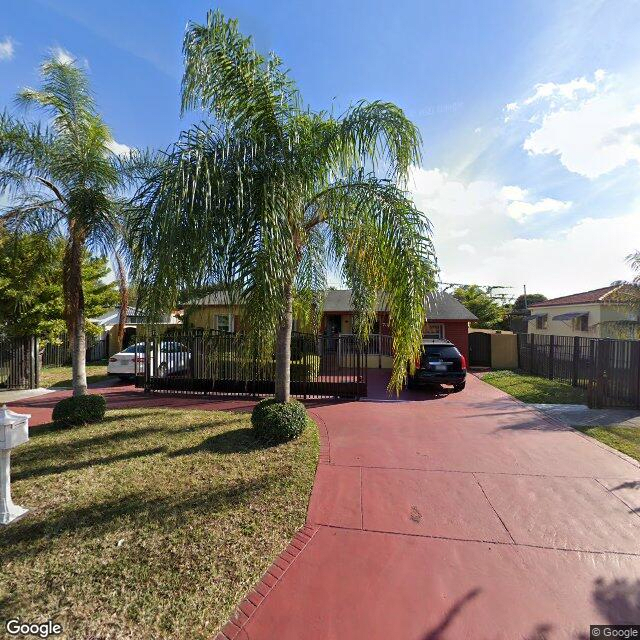
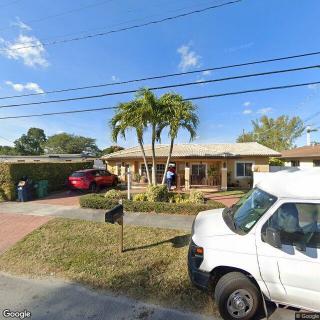
7312 Southwest 16th Street, Miami, FL 33155
To contact a resident: (305) 267-9614
For more information about senior living options: (866) 208-4318
Marilin ALF Costs & Pricing
Marilin Adult Living Facility (ALF) offers competitive pricing for its accommodations, particularly when compared to the broader Miami-Dade County and state averages. For semi-private rooms, Marilin charges $2,300 per month, which is slightly above the county's average of $2,250 but significantly lower than Florida's statewide average of $3,009. In the case of private rooms, Marilin's pricing varies from $2,500 to $11,195 depending on specific needs and amenities, presenting an attractive range against Miami-Dade's average of $3,304 and Florida's broader average of $3,699. This flexibility allows Marilin ALF to cater to a diverse clientele while maintaining affordability relative to regional and state benchmarks. Overall, residents can find both value and quality care at this facility.
| Floor plans | Marilin ALF | Miami-Dade County | Florida |
|---|---|---|---|
| Semi-Private | $2,300 | $2,250 | $3,009 |
| Private | $2,500 to $11,195 | $3,304 | $3,699 |
Memory care communities with a similar price nearby
-
from +$100 / mo
Ana's Assisted Living Facility
$2,400 / month18.1 miles away -
from +$200 / mo
La Casita Nuestra Home
$2,500 to $3,500 / month7.6 miles away -
from -$300 / mo
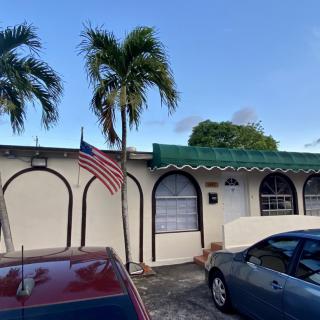
Care and Love Retirement Home
$2,000 to $2,500 / month6.5 miles away -
from -$80 / mo
Miami Jewish Home & Hospital for the Aged
$2,220 to $7,500 / month9.0 miles away -
About the same
La Caridad Del Cobre ALF
$2,300 to $3,000 / month0.3 miles away
Overall Review of Marilin ALF
Pros
 The facility provides attentive care for residents until their final days.
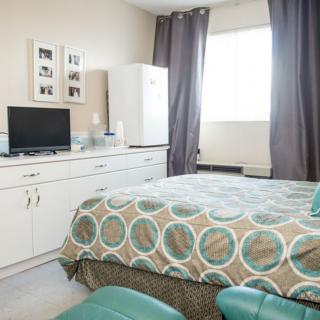
- It is clean, with home-cooked meals and private rooms.
- The owner actively oversees staff to ensure everything is perfect.
- The staff accommodate Spanish-speaking residents and address day-to-day needs with warmth.
- Residents receive daily baths, clean clothes, fresh vegetables, homemade soups, and nutritious snacks.
- Activities include bingo, dancing, occasional musical performances, and church services.
Cons
 The mother could not participate in any activities.
- The mother does not participate in activities due to her condition.
Review
Marilin ALF in Miami is best suited for families seeking a small, hands-on, home-like environment where memory-challenged seniors can receive daily assistance within a warmly managed setting. The reviews repeatedly highlight a private-room experience, home-cooked meals, and a cleanliness standard that feels more intimate than a large facility. Importantly, the staff appears consistently attentive, with the owner actively overseeing operations to keep quality high. The presence of Spanish-speaking staff and kitchen routines that deliver fresh vegetables and homemade soups add up to a sense of cultural and culinary comfort that can ease transitions for residents and families alike. This is the kind of place where personal touches, quiet reliability, predictable routines, and a familiar cadence, make a real difference for a parent who values dignity and routine.
Those who may want to consider alternatives are families chasing a more robust activity lineup, broader social programming, or more intensive medical oversight. The available activities, as described, include bingo, dancing, occasional music, and church visits, but participation hinges on the resident’s condition. One reviewer notes that their mother could not participate in activities, suggesting the calendar may be more modest than some families expect. For families seeking a facility with a highly structured activity schedule, frequent off-site outings, or specialized memory-programming with visible therapeutic tracks, it’s prudent to compare options. Marilin ALF meets a certain intimate, low-key rhythm well; others may want more variety and formal programming.
The strongest pros here center on daily care that preserves dignity and comfort. Private rooms are a clear plus, protecting independence and personal space. The cleanliness of the environment is repeatedly praised, with daily routines that reinforce a sense of safety. Home-cooked meals and fresh, nutritious snacks contribute to ongoing physical well-being, while the staff’s careful day-to-day support, baths, clean clothes, and attentive assistance, addresses essential needs with a humane touch. The owner’s involvement in supervising staff translates into accountability and consistency, reducing the uncertainty that can accompany larger, impersonal operations. For families prioritizing a respectful care environment where caregivers are present, engaged, and easy to communicate with, these elements clearly outweigh many potential drawbacks.
However, the same conditions that foster warmth can also limit what families experience in terms of ongoing enrichment and medical oversight. The activities, while charming, do not appear to be highly intensive or universally accessible, particularly for residents with advanced dementia who may be unable to participate consistently. There is limited evidence of on-site medical staffing details, beyond daily care routines, which means families should verify what level of nursing coverage is available and how health changes are managed. For seniors requiring frequent clinical monitoring, rapid response to medical needs, or a larger ecosystem of therapists, the absence of explicit information on these supports could be a deciding factor. In short, the comfort of the environment does not automatically substitute for comprehensive clinical capabilities.
For families weighing a decision, practical steps are essential. Schedule time to meet the owner and key staff to observe how communication flows, gauge responsiveness, and assess whether a resident with memory concerns would be engaged in a way that honors autonomy. Confirm staffing ratios, especially during peak hours, and clarify what memory-care services are embedded versus what would require external referrals. Inquire about language accessibility beyond initial conversations, daily meal variations, and the specifics of safety features, transportation, and emergency response. Request a trial visit or sit-in to observe how routines are executed and how the resident’s day unfolds in real time. This approach aligns expectations with the reality reflected in the current feedback.
Ultimately, Marilin ALF presents a compelling option for families who prize a compact, owner-led environment with private rooms, meticulous cleanliness, and home-style meals delivered with care. It is a particularly fitting choice for Spanish-speaking households and for residents whose needs are well met by steady daily assistance rather than intensive medical management. The clear caveat is that if the priority centers on a richer activity calendar or on guaranteed, high-level clinical oversight, alternatives should be explored and compared side by side. In the end, this community delivers warmth, reliability, and personal attention that can translate into real peace of mind for families navigating the complexities of dementia care and daily living in Miami.
 Board and Care Home
 Day Program
 Memory Care
 Devotional services on-site
 Indoor common areas
 Outdoor common areas
 Private
 Private bathrooms
 Respite or short term stays offered
 Wheelchair accessible showers
 Miami International (3 miles away)
 Ambulatory care
 Diabetic care
 High acuity care
 Incontinence care
 Medication management
 Meals provided

 Choosing the Right Senior Care: A Detailed Exploration of Assisted Living and Nursing Homes
 Safeguarding Your Memory Through the Golden Years: Eight Ways to Preserve Cognitive Health
 Comprehensive Insights into Activities of Daily Living (ADLs) and Their Assessment