
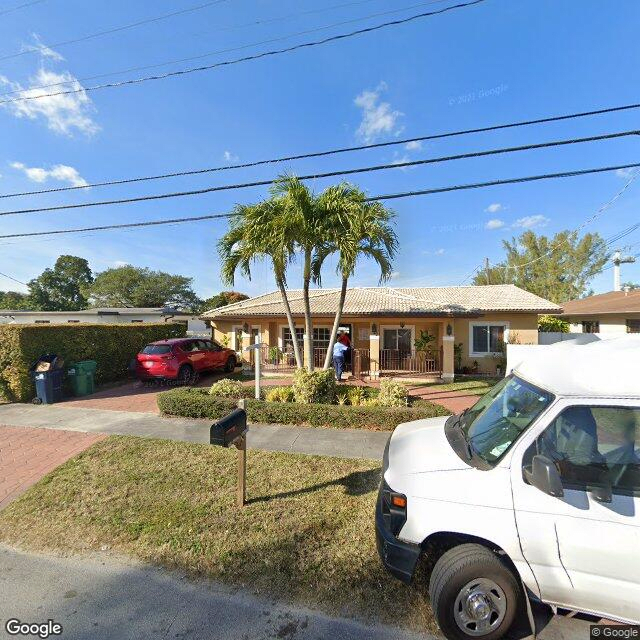
7215 SW 21 ST, Miami, FL 33155
To contact a resident: (305) 261-9220
For more information about senior living options: (866) 208-4318
Overall Review of West Miami Adult Living Facility Inc.
Pros
 The staff are friendly, caring, and professional.
- Joel, the owner, is welcoming and helpful in providing information and options.
- The home is clean, bright, and feels like a real home with plenty of sunlight.
- Residents are treated like family and receive loving, attentive care.
- The facility provides compassionate care and attentive supervision.
- 24-hour care is available, and residents form friendships and feel more peaceful and happy.
- The management shows great interest in residents’ well-being and maintains high standards of care.
- The staff celebrate birthdays and holidays, creating a family-like atmosphere.
- The environment is safe, calm, and thoughtfully designed.
- The facility and staff are highly recommended by families.
Review
This community is best suited for families seeking a warm, home-like setting where seniors receive highly personalized care from a small, family-owned team. It excels for residents who flourish with a domestic atmosphere, regular everyday routines, and attentive, 24/7 supervision. The testimonials repeatedly emphasize a true sense of belonging: residents are treated like family, birthdays and holidays are celebrated, and the staff’s consistent kindness helps ease the transition into care. The setting is described as clean, sunlit, and calm, with the house feel reinforcing safety and comfort. For seniors recovering from surgery or requiring steady daily assistance, this environment often translates into greater peace of mind for relatives who want hands-on involvement and transparent, responsive leadership from owners who are directly accessible.
Where this community truly shines is in its people and philosophy. The positive impact stems from the owners’ hands-on leadership, the devoted caregivers, and the clear commitment to a respectful, affectionate culture. Families report that staff go beyond routine tasks to spoil residents with thoughtful attention, creating a sense of being cherished rather than merely cared for. The home atmosphere minimizes clinical stiffness, while still delivering dependable supervision, daily activities, and social engagement. Cleanliness remains a consistent hallmark, and the emphasis on family-like interaction makes visits feel meaningful rather than ritualistic. For many, this combination produces tangible improvements in mood, comfort, and overall well-being.
The strongest pros, personalized, compassionate care; a true home environment; and flexible family involvement, often offset what would be drawbacks in a larger, more medicalized facility. Residents benefit from constant access to caregivers, which translates into quicker responses and tailored assistance. The owners’ direct involvement signals reliability and accountability, while the intimate setting supports stronger relationships between residents and staff. The emphasis on celebrating milestones and maintaining a familiar routine helps preserve dignity and identity, factors that matter deeply to families navigating care decisions. In situations like post-surgical recovery or ongoing frailty, the consistent, attentive care can be more beneficial than a more impersonal, institution-like setting.
That said, considerations beyond the emotional and social atmosphere matter for certain seniors. A smaller, home-focused operation may not replicate the breadth of medical services found at larger campuses, nor offer highly specialized memory-care programs or on-site advanced rehabilitation. For elders needing intensive clinical oversight, complex therapies, or a wide array of on-site specialists, alternatives with more formal medical infrastructure may be preferable. Families should also recognize that, although flexibility exists, a single-family ownership model can limit scalability during peak demand and may influence availability of certain enhancements or amenities that larger complexes advertise. In short, this setting excels in warmth and attentiveness but may fall short for those with extensive medical needs.
To make a well-informed decision, prospective families should schedule a direct tour and speak with the owners about specific care requirements, routines, and safety protocols. Observing the resident community during peak activity times, asking about staff-to-resident ratios, and reviewing written care plans will reveal how responsive and consistent the care team truly is. Inquire about the range of services, ability to accommodate episodic needs (rehab, specialist visits, memory care), and how family visits are accommodated on busy days. It is also wise to discuss transportation, dining options, and the cadence of social programming to ensure alignment with the elder’s preferences and the family’s expectations.
Ultimately, this community is a compelling choice for families prioritizing a loving, home-centered environment with exceptionally caring staff and strong leadership. It delivers meaningful daily life for residents through human connection, dignity-focused routines, and reliable supervision. Those who value intimacy, continuity of care, and active family involvement will find the fit highly favorable. However, for seniors whose needs demand a medicalized setting, extensive memory-care specialization, or campus-style amenities, exploring alternatives with broader clinical offerings is prudent. A thoughtful visit will reveal whether the personal touch and warmth translate into lasting comfort and stability for a loved one.
 Board and Care Home
 Miami International (3 miles away)



 Comprehensive Approaches for Arthritis: A Detailed Guide to Symptoms, Causes, and Care
 Comprehensive Insights and Practical Strategies to Help Older Adults Avoid Falls
 6 Crucial Ways an Elder Law Attorney Assists Families