
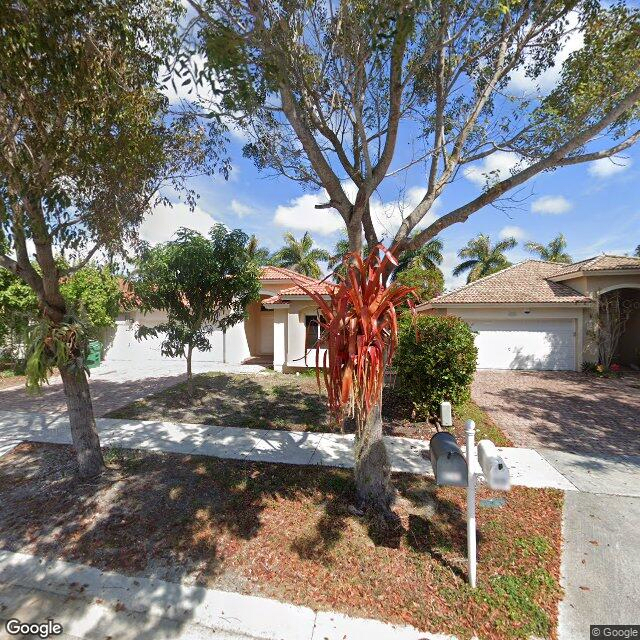
9245 SW 208th Terrace, Miami, FL 33189
To contact a resident: (786) 242-5577
For more information about senior living options: (866) 208-4318
Harmony Family Home Costs & Pricing
Harmony Family Home offers a competitive rate for its semi-private rooms, priced at $1,100 per month. In comparison, the average cost for similar accommodations in Miami-Dade County stands at $2,250, while the statewide average for Florida is significantly higher at $3,009. This notable difference demonstrates Harmony Family Home's commitment to providing affordable care without compromising quality. Families seeking an economical option will find that choosing Harmony not only alleviates financial burden but also ensures their loved ones receive compassionate and attentive support in a welcoming environment.
| Floor plans | Harmony Family Home | Miami-Dade County | Florida |
|---|---|---|---|
| Semi-Private | $1,100 | $2,250 | $3,009 |
Memory care communities with a similar price nearby
-
from +$200 / mo
Caring for You #1 Assisted Living Facility, INC
$1,300 / month14.8 miles away -
from +$100 / mo
Marina ALF, INC
$1,200 to $2,000 / month3.3 miles away -
from -$100 / mo
Santa Flora Assisted Living Facility
$1,000 to $2,000 / month10.2 miles away -
from -$200 / mo
My Bells ALF
$900 to $2,700 / month15.4 miles away -
from +$200 / mo
Dh Home Health Services LLC
$1,300 / month13.5 miles away
Overall Review of Harmony Family Home
Cons
 The service is below average.
- There are not enough staff to effectively care for all patients.
- They make refunds for services not provided after a loved one dies difficult.
- The prepaid money was not refunded after the father's death.
- The reviewer has filed an official complaint with the Better Business Bureau and plans to file with consumer protection.
- It is a shame they cause difficulty to obtain a refund during such a time.
- The reviewer advises staying away from this provider.
- The reviewer would not trust the care of their loved ones to such a poor and untrusted company.
Review
Harmony Family Home in Miami is best suited for families who must accept limited options in a high-demand market and are willing to tolerate significant gaps in daily caregiving. The reviews point to a facility struggling with adequate staffing, which translates into infrequent assistance, delayed responses, and attention that may not meet the needs of residents requiring consistent supervision. In practical terms, this community should not be the default choice for seniors with mobility challenges, memory concerns, or medical needs that demand timely, attentive care. It is most appropriate for families who are already aligned with a tight budget and can absorb the risk of care shortfalls, while pursuing a plan to advocate aggressively on their loved one’s behalf.
Alternatives should be seriously considered by families with a loved one who relies on reliable daily assistance and medical oversight. Facilities with proven staffing models, transparent scheduling, and documented policies for prepaid services are more prudent choices. If a community cannot demonstrate adequate caregiver coverage across day and night shifts, or cannot clearly articulate refund terms for services not rendered, those are red flags that merit looking elsewhere. For families facing the emotional strain of a passing loved one, the added friction of refund disputes becomes a compounding burden. In short, if dependable staffing and respectful billing practices are non-negotiable, seek options with verifiable accountability.
The core red flags are clear: staff sufficiency and reliability fall short, leaving residents at risk of unanswered needs and delayed assistance. The absence of responsiveness not only erodes quality of life but can escalate safety concerns. Coupled with reported refund difficulties after a death, the financial commitment feels unstable and unprotected. The same experiences that trigger consumer protection complaints and BBB involvement underscore a pattern rather than a one-off incident. Families should weigh whether such organizational fragility could compromise essential care, particularly for residents with higher care needs or those who cannot advocate effectively on their own behalf.
Yet the absence of explicit positives in the reviews means any potential advantages are unproven at best. Without credible claims of adequate staffing, engaging activity programming, or dependable medical oversight, the expected benefits do not balance the highlighted risks. The only consistent message is caution: the lack of staff coverage and the difficulty of recovering prepaid funds point to a fundamental governance weakness. When care quality hinges on the ability to secure timely help and to recover funds after a loss, the scales tip decisively toward alternative communities with stronger governance and clearer service commitments.
Families considering this community should insist on concrete assurances before moving forward. Request current staffing ratios by shift, and ask for a written policy detailing how care will be delivered for different levels of need. Obtain the refund policy in writing, including timelines and conditions for returns of prepaid amounts if services are not rendered. Speak with staff and leadership about escalation procedures for missed calls and emergencies. Verify licensing status and review recent inspection reports from the Florida Agency for Health Care Administration, and check for resident complaints or unresolved issues with the BBB or consumer protection agencies.
In sum, Harmony Family Home presents substantial risk for families prioritizing reliable care and financial protections. The evidence suggests staffing gaps and a troubling track record on refunds, undermining trust and safety. For those with a loved one needing steady, attentive support, alternatives offer a safer, more transparent path. The prudent decision is to keep Harmony Family Home on the short list only as a last resort, and to pursue options that demonstrate consistent staffing, responsive care, and enforceable, customer-friendly billing policies.
 Board and Care Home
 Day Program
 Memory Care
 Indoor common areas
 Outdoor common areas
 Miami International (16 miles away)
 Ambulatory care
 Incontinence care
 Meals provided
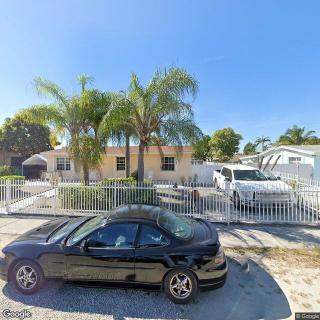
 Small, intimate 6-bed board-and-care setting with personalized care and comprehensive supports (24-hour supervision, ADL assistance, meals with diabetes/diet accommodations, transportation coordination).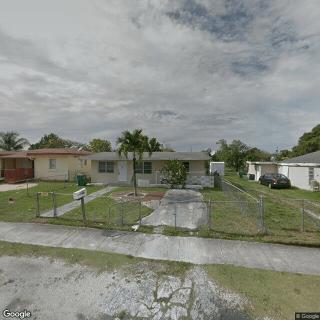

 A Thorough Discussion of Medications Potentially Linked to Dementia Risk
 Why Do Dementia Patients Sleep So Much? Understanding Oversleeping, Stages, and Care Approaches
 8 Key Indicators That Suggest It May Be Time to Transition from Assisted Living to Skilled Nursing Care