
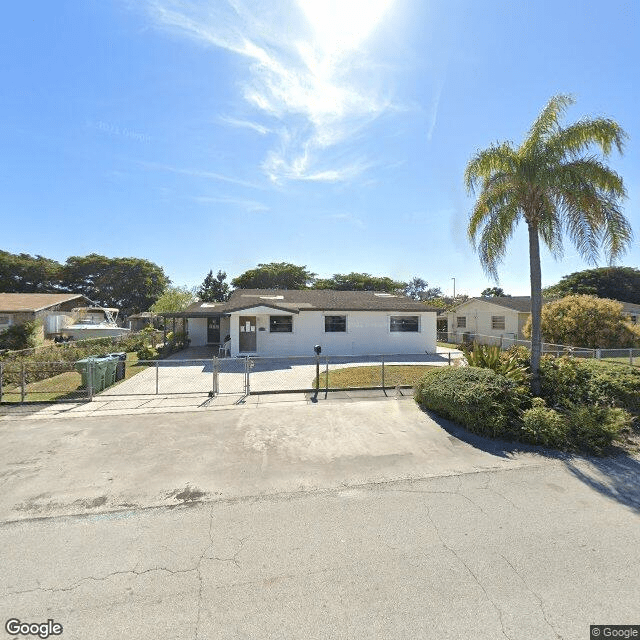
11312 Southwest 203rd Terrace, Miami, FL 33189
To contact a resident: (305) 251-1119
For more information about senior living options: (866) 208-4318
My Sweet Home Costs & Pricing
My Sweet Home offers competitive pricing for long-term care, especially when compared to the costs in Miami-Dade County and the broader state of Florida. For example, the semi-private room at My Sweet Home is priced at $1,500 per month, significantly lower than the county average of $2,250 and the state average of $3,009. Similarly, a private room at My Sweet Home costs $2,000 per month, which is more affordable than the Miami-Dade rate of $3,304 and well below the state's average of $3,699. Even for a one-bedroom option, My Sweet Home's monthly charge of $2,200 stands out against both higher local ($3,775) and state ($3,864) prices. This positioning not only highlights My Sweet Home's commitment to providing value but also makes it an attractive choice for families seeking quality care without compromising on affordability.
| Floor plans | My Sweet Home | Miami-Dade County | Florida |
|---|---|---|---|
| Semi-Private | $1,500 | $2,250 | $3,009 |
| Private | $2,000 | $3,304 | $3,699 |
| 1 Bedroom | $2,200 | $3,775 | $3,864 |
Memory care communities with a similar price nearby
-
from -$200 / mo
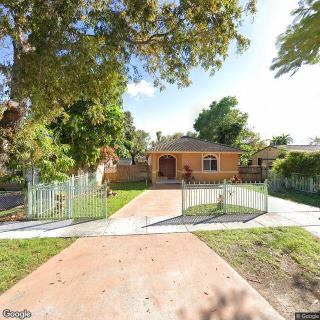
Caring for You #1 Assisted Living Facility, INC
$1,300 / month14.3 miles away -
from -$100 / mo
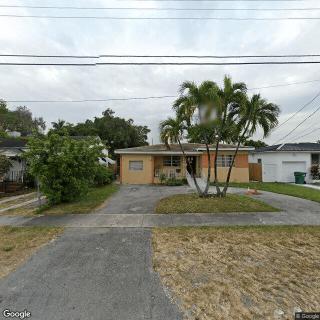
Gonzalez & Sons Home Care
$1,400 to $2,500 / month14.6 miles away -
from -$100 / mo
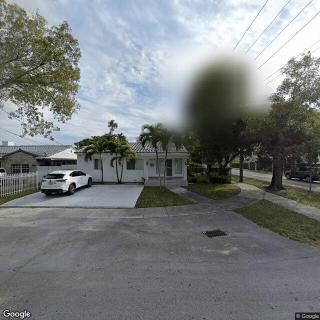
Gonzalez & Sons Home Care II
$1,400 to $2,500 / month14.8 miles away -
About the same
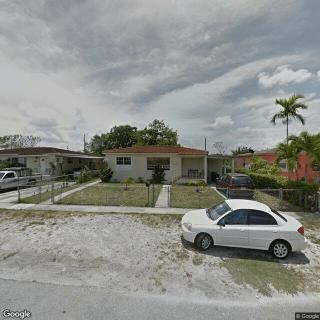
Hogar De Amable Consuelo
$1,500 to $3,000 / month21.4 miles away -
About the same
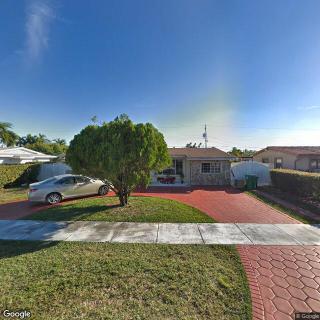
Love Village Inc
$1,500 to $2,100 / month9.3 miles away
Overall Review of My Sweet Home
Cons
 The ALF group home does not offer daily activities for its residents.
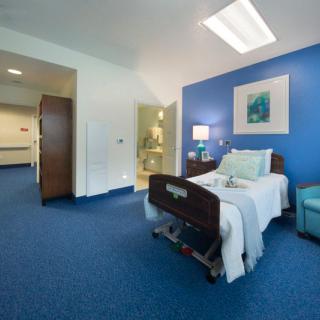
- The home is dark inside, and residents have very limited opportunities to go outside.
- There is no skilled nursing staff on site, even though Medicaid visits are made.
- The staff only speaks Spanish and has limited English understanding.
- If a parent suffers from dementia or Alzheimer's, the facility does not involve residents in daily physical activity or provide help toward cognitive skills to improve their quality of life.
Review
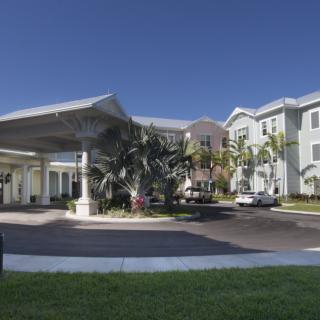
My Sweet Home in Miami, FL is best suited for residents who require very little structured programming and medical oversight, with families prepared to provide most of the daily care themselves. The setting is a small, home-like ALF group residence, which may appeal to households prioritizing proximity, a intimate living atmosphere, and a Spanish-speaking staff presence. For seniors who are largely independent, comfortable with limited outdoor time, and do not need regular skilled nursing or cognitive-stimulation programming, this community might function as a basic, lower-demand housing option.
Those considering alternatives should note that this facility is unlikely to meet the needs of residents with dementia or Alzheimer's who require meaningful daily activity, cognitive engagement, and targeted support. If a loved one needs on-site nursing, frequent medical oversight, or a robust activity schedule designed to maintain or improve cognitive and physical function, a traditional assisted living with a memory care component, or a facility offering skilled nursing services, would be a more appropriate match. Language diversity matters as well: for families not fluent in Spanish or seeking English-speaking staff, this community may pose ongoing communication barriers that impede care coordination.
The main drawbacks are comprehensive and non-negotiable for most seniors. The home is described as dark inside, with residents widely restricted from going outside, and no daily activities or structured physical or cognitive programming to sustain quality of life. No on-site skilled nursing staff is available, even though Medicaid visits occur, which leaves medical oversight and day-to-day health management vulnerable to gaps. The language dynamic compounds these gaps: staff speak Spanish and have limited English comprehension, creating potential miscommunications around care plans, medications, and safety needs. Taken together, these factors undermine safety, engagement, and overall well-being, particularly for anyone with mobility challenges or memory impairment.
In weighing the pros against the cons, the advantages are slim and largely situational. A small, domestic environment and a Spanish-speaking staff can be a modest convenience for families who prioritize cultural or linguistic alignment and who can supply most daily care themselves. However, these potential upsides do not meaningfully offset the absence of meaningful activities, cognitive stimulation, and reliable medical oversight. The absence of on-site nursing and therapeutic programming means risks around health management, safety, and late-life satisfaction are elevated, and the resident experience remains static rather than enriching.
Prospective families should verify practicalities beyond the brochure: confirm whether any daily activity schedule exists, and if not, whether staff can support basic mobility, meals, and social contact in a meaningful way. Ask specifically about the availability of memory-care programming, opportunities for outdoor time, safety features throughout the home, and the cadence of medical oversight, who supervises Medicaid visits, and how quickly changes in health status are communicated. Language capabilities should be clarified, with a concrete plan for interpreter support or bilingual staff during critical care discussions. These checks will illuminate whether a truly safe, humane, and engaging setting can be achieved or if a stronger alternative is warranted.
In final assessment, this community is not a strong fit for most seniors, especially those with cognitive needs or who rely on consistent nursing oversight. It may only fit a narrow slice of families seeking a very small, Spanish-speaking, home-like environment willing to coordinate most care externally. For families facing dementia, frequent medical needs, or the goal of robust daily engagement, broader options, memory-care equipped assisted living or facilities with on-site nursing and multilingual staffing, are strongly advised. A careful, in-person tour paired with a detailed review of activity calendars, staffing ratios, and medical supervision will determine whether this house-by-house approach truly aligns with long-term care priorities.
 Board and Care Home
 Day Program
 Memory Care
 Private
 Miami International (16 miles away)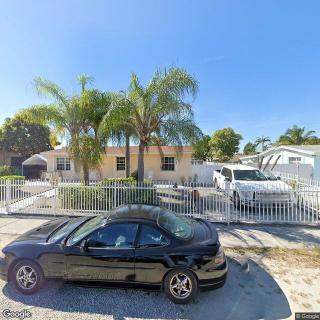
 Small, personalized setting with comprehensive care and dietary accommodations.

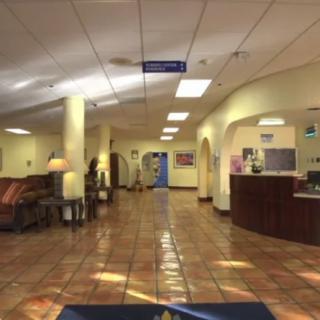
 8 Key Indicators That Suggest It May Be Time to Transition from Assisted Living to Skilled Nursing Care
 Nourishing the Mind: Essential Dietary Approaches for Dementia
 Understanding Dementia Behaviors: Practical Insights and Strategies for Caregivers