For more information about senior living options: (866) 208-4318
2.3 from 117 reviews
5 stars
31
4 stars
5
3 stars
5
2 stars
6
1 stars
70
Overall Review of Park Royal Behavioral Healths Senior Program
differentiator2 reviews mention this
ECT experience is mixed
Electroconvulsive therapy is discussed as helpful by some and distressing by others.
One review describes electroconvulsive therapy as a turning point that reduced suicidal thoughts and anxiety, with follow-up and a monitoring routine mentioned. Another resident recalls being given electroshock therapy in the past and says they were not cared for as expected, including concerns about how clinical details were handled. Taken together, reviews suggest ECT can be meaningful, but experiences vary widely between people.
caveat5 reviews mention this
Concerns about holds and rights
Multiple reviews raise concerns about detention timing and patient release.
Several reviews reference the 72-hour Baker Act window and describe situations where patients felt they were not able to leave when expected. Some reviewers say they were told it would be a standard short stay, but the stay continued after that point. Others describe being held longer than they believed was lawful, including claims that release depended on processes outside what families expected. These accounts are paired with strong language about needing to understand commitments and rights before admitting.
caveat4 reviews mention this
Medication and treatment can fall short
Reviews frequently question medication accuracy and whether treatment matches needs.
Some residents and family members describe medication problems, including claims of mismanaged medications and uncertainty about whether medications were actually provided. Others express concern that patients—especially older adults—were overmedicated or not evaluated appropriately. At least one review alleges treatment decisions were not aligned with what the patient needed, while another describes feeling they were kept for monitoring or profit rather than care. Overall, medication handling shows up as a recurring point of frustration.
caveat4 reviews mention this
Safety and cleanliness draw criticism
Reviews include reports of unsafe conditions and cleanliness problems.
Multiple reviews describe physical safety issues, including falls and injuries, along with concerns about inadequate care attention. Others mention cleanliness problems such as mold, as well as accommodations that felt unsafe or poorly maintained. Some accounts also describe discomforts like burns and cold conditions, reinforcing a theme of basic care not meeting expectations. While there are also positive staff remarks in the overall set of reviews, these safety-and-cleanliness concerns are prominent in the negative ones.
common6 reviews mention this
Staff compassion is a bright spot
Many reviews praise compassionate, professional staff members and feeling cared for.
Several reviewers describe doctors, nurses, and staff as caring, supportive, and able to make them feel safe during treatment. Family members and patients mention feeling understood and helped, including examples of professionals being communicative and responsive to concerns. Even among mixed experiences, positive feedback often points to individual staff members who went above and beyond to accommodate patients or reduce anxiety. Overall, staff support is a consistent counterpoint to the more negative complaints.
How we summarize
Counts show how many written reviews mention each theme; a review can touch several themes, and only frequently mentioned themes are displayed.
Features
Types of Care
Memory Care
Transportation
Southwest Florida International (10 miles away)
Nearby Places of Interest
This part of Fort Myers, Florida is conveniently located near several hospitals, including Lee Health and Gulf Coast Hospital, providing easy access to healthcare services. Additionally, there are numerous physicians' offices in close proximity for medical care. Several pharmacies are also located nearby for convenient access to prescription medications. In terms of dining options, there is a variety of restaurants and cafes within a few miles, offering a range of cuisines to choose from. For recreational activities, there are theaters and parks within a short driving distance, such as Regal Belltower and San Carlos Bay - Bunche Beach Preserve. Overall, this area offers a mix of healthcare services, dining options, and recreational activities that may be appealing for someone considering senior living in Fort Myers.
Hospitals
Lee Health (0.1 miles)
The Children's Rehabilitation Center - Bass Rd (0.1 miles)
Lee Health Cardiovascular Services - HealthPark Commons (0.2 miles)
Lee Health Neurodiagnostics - Golisano Children's Hospital (0.3 miles)
Cardiovascular Services - Medical Plaza 1 (0.6 miles)
Gulf Coast Hospital (3 miles)
Physicians
Lee Physicians Group (0.1 miles)
Physicians' Primary Care of Southwest Florida Pl (0.2 miles)
Pediatric Orthopedics of Southwest Florida (0.2 miles)
Health Park OB/GYN (0.2 miles)
Gilberto Acosta, MD (0.2 miles)
Lee Health Pediatric Urology - Summerlin Rd (0.3 miles)
Myers, Brent - Pediatric Gastroenterology Hepatology and Nutrition of Florida Pa (0.7 miles)
Pharmacies
Walgreens (0.5 miles)
CVS Pharmacy (0.8 miles)
Walgreens (1.9 miles)
CVS Pharmacy (1.9 miles)
Walgreens (2.1 miles)
CVS Pharmacy (2.2 miles)
Walgreens (2.4 miles)
Cafes
Marko's Diner (2.1 miles)
Panera Bread (4.5 miles)
Urban Buzz Coffee (4.6 miles)
Starbucks (4.6 miles)
Starbucks (4.7 miles)
Restaurants
McDonald's (2.4 miles)
McGregor Grill (2.5 miles)
McDonald's (2.6 miles)
Perkins Restaurant and Bakery (2.7 miles)
Bonefish Grill (3 miles)
Lazy Flamingo (3 miles)
McDonald's (3.2 miles)
Theaters
Regal Belltower (3.7 miles)
Parks
San Carlos Bay - Bunche Beach Preserve (4.2 miles)
Yes, Park Royal Behavioral Healths Senior Program provides memory care services for residents with mild or advanced stages of dementia or Alzheimer's disease.
Nearby Communities
Healthpark Care Center
Fort Myers, FL
2.7 from 42 reviews
Attentive staff and clean, well-maintained facility.
Pacifica Senior Living Fort Myers
Fort Myers, FL
4.5 from 153 reviews
$2,395 to $3,195 / month
Friendly, professional staff in a clean, small-community setting with engaging activities.
Inn Of Cypress Cove At Health Park
Fort Myers, FL
Wide range of amenities and care services (dining, wellness, transportation, beauty, housekeeping) in a convenient Fort Myers location.
Lodge At Cypress Cove
Fort Myers, FL
5 from 8 reviews
$3,500 to $4,000 / month
Comprehensive care with 24/7 supervision and extensive amenities.
Barrington Terrace of Fort Myers
Fort Myers, FL
4.7 from 173 reviews
$3,950 to $6,290 / month
Clean, well-maintained facility with friendly staff and a variety of activities.
Tortuga
Fort, FL
5 from 2 reviews
Intimate, personalized care with dietary accommodations and Wi-Fi throughout.
Amavida Living
Fort Myers, FL
4.6 from 56 reviews
$2,695 to $3,395 / month
Luxurious, resort-style senior living with strong amenities, friendly staff, and engaging daily activities.
Villa Palms Assisted Living
Fort Myers, FL
4.8 from 12 reviews
$2,400 to $2,600 / month
Friendly, caring staff in a small, personal setting.
The Preserve
Fort Myers, FL
4.2 from 58 reviews
$5,250 to $5,465 / month
Modern, well-maintained community with engaging activities and restaurant-style dining.
Dementia, influenced by aging and certain medications, may be exacerbated by drug classes such as anticholinergics, benzodiazepines, and antipsychotics, which are associated with cognitive impairment. Regular medication reviews by healthcare professionals are crucial for older adults to manage risks and optimize cognitive health.
Dementia often results in disrupted sleep patterns, leading to excessive daytime sleeping due to factors like brain damage affecting circadian rhythms, medication side effects, and lack of structure in daily activities. Caregivers must monitor these changes closely, as oversleeping can increase risks such as malnutrition or dehydration, and provide necessary support and routines to enhance patient engagement and well-being.
The transition from assisted living to skilled nursing care is often prompted by complex medical needs that assisted living cannot meet, with key indicators including frequent health declines, increased falls, severe memory issues, and caregiver burnout. Families should recognize these signs early to discuss options with healthcare providers and prepare for the emotional and logistical aspects of moving to a facility that offers comprehensive medical support.
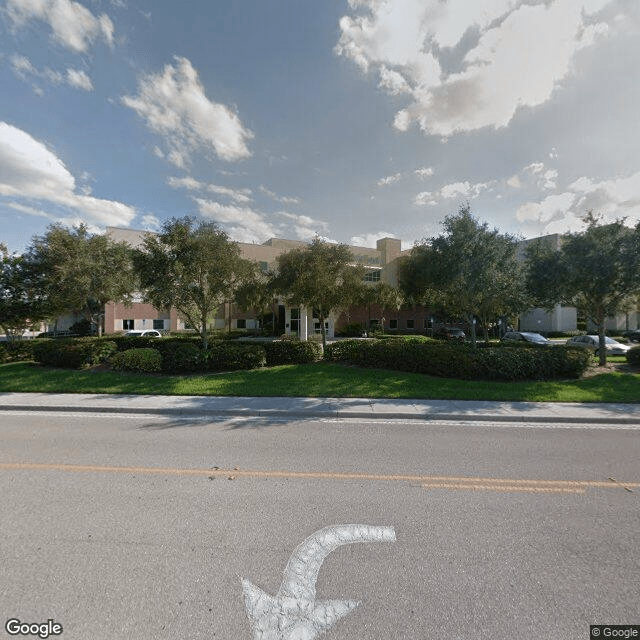
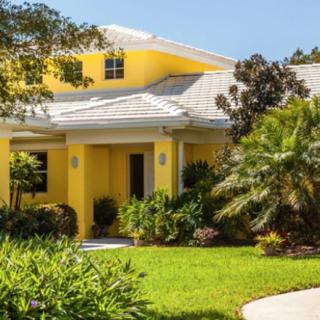
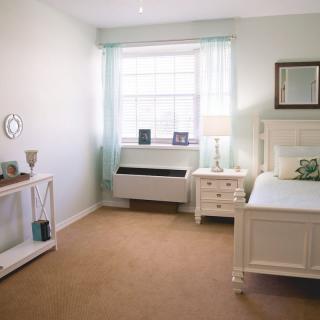
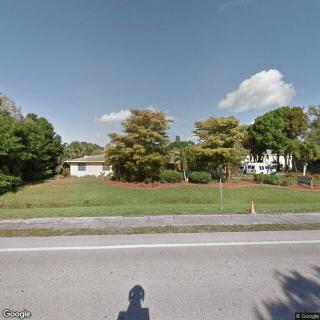
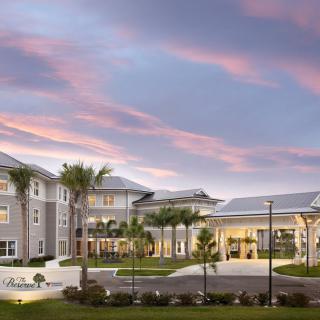
Park Royal Behavioral Healths Senior Program photos
×
Get PricingAsk A QuestionSchedule A TourContact Senior Advisor
By clicking submit, you agree to our Partner's Terms of Use. You
also consent to receive calls and texts, which may be autodialed, from our Partner. Your consent is not a condition to
using our Partner's service. Please visit our Partner's Privacy Policy for information about their privacy practices.

 Memory Care
 Southwest Florida International (10 miles away)
 Attentive staff and clean, well-maintained facility.


 A Thorough Discussion of Medications Potentially Linked to Dementia Risk
 Why Do Dementia Patients Sleep So Much? Understanding Oversleeping, Stages, and Care Approaches
 8 Key Indicators That Suggest It May Be Time to Transition from Assisted Living to Skilled Nursing Care