
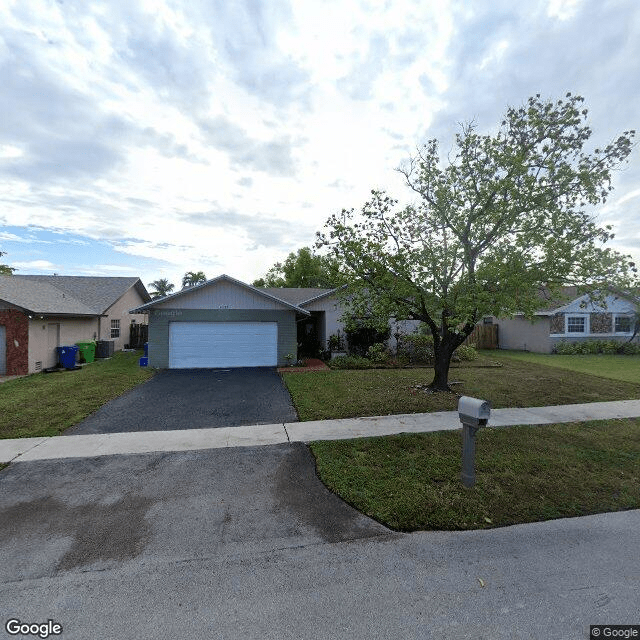
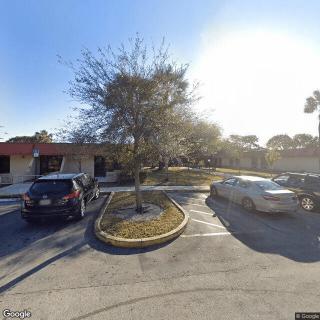
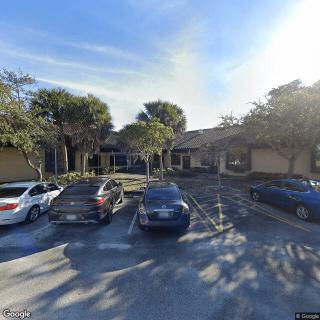
4838 NW 93rd Terrace, Sunrise, FL 33351
To contact a resident: (954) 748-6996
For more information about senior living options: (866) 208-4318
Magnolia Residence Costs & Pricing
At Magnolia Residence, the cost for a semi-private room is set at $2,300 per month. This rate stands in contrast to the average costs in Broward County, which are approximately $2,902, and the broader state of Florida, where prices reach around $3,009. This pricing structure positions Magnolia Residence as a more affordable option compared to both county and state averages, offering quality care at a competitive rate. Such affordability can be an essential factor for families seeking reliable accommodations for their loved ones without straining their financial resources.
| Floor plans | Magnolia Residence | Broward County | Florida |
|---|---|---|---|
| Semi-Private | $2,300 | $2,902 | $3,009 |
Memory care communities with a similar price nearby
-
from +$100 / mo
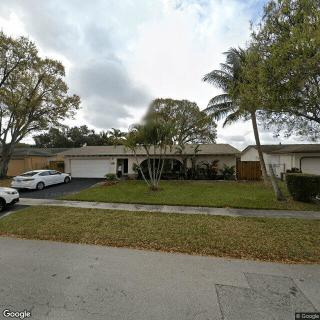
Ana's Assisted Living Facility
$2,400 / month11.8 miles away -
from +$200 / mo
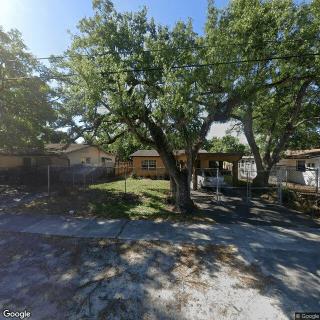
Anne Adult Family Care Home
$2,500 / month8.7 miles away -
from -$300 / mo
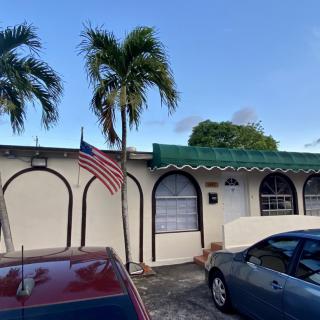
Care and Love Retirement Home
$2,000 to $2,500 / month23.8 miles away -
from -$105 / mo
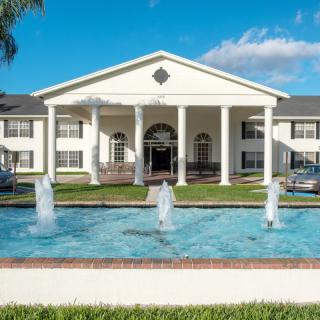
Grand Villa Of Delray East
$2,195 to $4,495 / month21.0 miles away -
from -$300 / mo
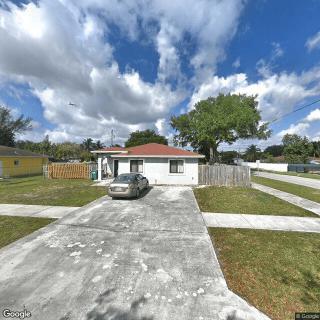
Sweet Angel's Home Assisted Living Facility Inc
$2,000 to $2,500 / month18.5 miles away
Overall Review of Magnolia Residence
Pros
 The staff are kind, considerate, and very helpful.
- Magnolia Residence takes excellent care of its residents with well-trained, kind, and efficient staff who take a personal interest in the residents and the house.
- Residents are kept spotlessly clean.
- The community is clean and well kept, with caring and welcoming staff.
- The meals are prepared fresh every day and are enjoyed by the residents.
- The community offers activities such as gardening and walks.
- The owner is compassionate and knowledgeable about residents' needs, and the facility provides individualized care in a small setting.
Review
Magnolia Residence in Sunrise is best suited for families seeking an intimate, well-run assisted living setting where residents receive highly personalized attention in a clean, homelike environment. This community excels for seniors who value close staff relationships, reliable daily care, and a manageable size that keeps operations predictable and responsive. The proximity to family is a practical advantage, enabling easy, spontaneous visits and ongoing oversight. Residents there tend to enjoy fresh meals and a calm atmosphere, with a sense that the home is well cared for and safe.
Those weighing Magnolia Residence against alternatives should consider options built around higher-acuity care, memory-support, or campuses with a broader activity slate and more on-site medical resources. The reviews describe a setting focused on individualized attention rather than expansive programming, which may not satisfy families seeking a bustling social scene or specialized clinical services. For seniors who require rigorous medical supervision, extensive therapy services, or dedicated memory-care services, a larger or more medically equipped community could be a better fit.
The strongest positives are the staff’s kindness, professionalism, and personal investment in residents, coupled with a clean, orderly environment. Families repeatedly note that caregivers are well-trained, attentive, and willing to go the extra mile, with the owner’s compassionate leadership reinforcing dependable care. The consistent cleanliness and well-kept common areas contribute to a sense of dignity and comfort. Fresh daily meals that residents enjoy further reduce stress for family members seeking reliable, predictable routines.
On the downside, the main trade-off is size and scope. A small, intimate community naturally offers less variety in activities, amenities, and on-site clinical resources than larger facilities. While there are garden activities and walks, the overall calendar may feel lean for residents who crave a robust, highly structured social program. It’s also important to note that Magnolia Residence is not presented as a memory-care or high-acuity setting, so evolving health needs should be openly discussed to ensure appropriate support or the need to transition to a more capable provider.
These pros offset potential downsides through alignment of core values: consistent staffing, individualized care plans, and a strong sense of accountability from ownership. The tight-knit environment enables caregivers to recognize subtle shifts in well-being and respond quickly, while the emphasis on cleanliness and fresh meals sustains daily quality of life. Family access remains straightforward, with the ability to visit unannounced and observe routine care, which reduces anxiety and builds trust in the care team.
The bottom-line recommendation positions Magnolia Residence as a solid choice for families prioritizing a warm, meticulous, home-like setting where staff know residents well and daily life feels stable and predictable. It is less suitable for those needing extensive medical oversight, a dense activity calendar, or specialized memory-care services. For families evaluating options, concrete next steps include arranging unannounced visits to observe staff-resident interactions, confirming the staff-to-resident ratio, reviewing menus and meal schedules, and discussing care-plan customization and escalation procedures. Where comfort, proximity, and a personal touch drive the decision, Magnolia Residence earns strong consideration.
 Board and Care Home
 Memory Care
 Fort Lauderdale-Hollywood International (11 miles away)
 Ambulatory care
 Diabetic care
 High acuity care
 Incontinence care
 Medication management


 8 Key Indicators That Suggest It May Be Time to Transition from Assisted Living to Skilled Nursing Care
 Nourishing the Mind: Essential Dietary Approaches for Dementia
 Understanding Dementia Behaviors: Practical Insights and Strategies for Caregivers