Overall Review of Springtree Rehabilitation and Health Center
common95 reviews mention this
Attentive, caring staff stands out
Residents and families repeatedly describe the staff as attentive and caring.
Across many reviews, families say the nurses, CNAs, and therapy team are responsive and keep them informed during a stressful time. Several people call out specific staff members by name for making residents comfortable, answering questions, and addressing concerns promptly. Even when reviews include other complaints, many still acknowledge helpful, kind interactions with particular caregivers.
common40 reviews mention this
Clean, well-kept facility
Multiple reviewers say the building is clean and well maintained.
Many reviews mention cleanliness and a generally organized, well-kept environment. Several people describe the facility as clean enough to feel reassuring, including room appearance and overall presentation. A smaller set of reviews mention dirtiness or dirty bathrooms, which is the main counterpoint to the otherwise consistent cleanliness feedback.
differentiator35 reviews mention this
Rehab therapy helps residents progress
Reviews frequently mention physical and occupational therapy working toward improvement.
A recurring theme is progress during rehab, with reviewers describing physical and occupational therapy as helpful and tailored to needs. Some families say they saw day-to-day improvements in strength, mobility, or readiness to return home. A few reviews still describe overall care issues, but still acknowledge therapy as part of what went well.
caveat22 reviews mention this
Meals are mixed and sometimes improved
Meal quality and diet fit come up as a mixed point in reviews.
Several reviewers mention meals positively, including feeling that food was nutritional and that diet concerns were handled. Others report that meals were not good, overcooked, or lacked variety, and one diabetic resident specifically raises concerns about bread and starch intake. One review describes concerns being addressed quickly after it was raised, suggesting responsiveness to meal feedback, even though not everyone is satisfied.
common18 reviews mention this
Communication and updates reduce stress
Many reviews highlight communication, updates, and responsiveness to family questions.
A number of families say the facility provides updates on progress and communicates with them during the stay. Several reviewers mention nurses or supervisors explaining care or medications and being available to answer questions. When communication is criticized, the issues are framed as limited updates or gaps in information needed to feel confident about care.
How we summarize
Counts show how many written reviews mention each theme; a review can touch several themes, and only frequently mentioned themes are displayed.
Features
Types of Care
Skilled Nursing Facility
Transportation
Fort Lauderdale-Hollywood International (10 miles away)
Nearby Places of Interest
This part of Sunrise, Florida offers convenient access to various amenities such as pharmacies, restaurants, hospitals, parks, physicians, cafes, transportation options, and places of worship. With multiple pharmacy options within a few miles radius, seniors can easily access their prescription medication. The presence of diverse dining options ranging from fast food to upscale restaurants provides residents with plenty of choices for meals. Additionally, the proximity to hospitals and medical centers ensures that seniors have access to quality healthcare services. The numerous parks offer opportunities for outdoor recreation and leisure activities. The availability of experienced physicians and healthcare facilities nearby ensures that seniors can easily prioritize their health needs. Finally, various cafes provide spaces for socializing and relaxation. Overall, this neighborhood in Sunrise is well-equipped to cater to the needs and preferences of older adults looking for a vibrant and convenient location for senior living.
Pharmacies
Walgreens (1.9 miles)
CVS Pharmacy (2 miles)
CVS Pharmacy (2 miles)
Walgreens (2.1 miles)
Walgreens (2.2 miles)
CVS Pharmacy (2.3 miles)
Walgreens (2.5 miles)
Restaurants
McDonald's (2 miles)
The Cheesecake Factory (3.8 miles)
Paul Bakery (4 miles)
P.F. Chang's China Bistro (4 miles)
Grand Lux Cafe (4.1 miles)
Subway (4.1 miles)
Flanigan’s Seafood Bar and Grill (4.8 miles)
Hospitals
University Hospital And Medical Center (2.5 miles)
UM/Sylvester Clinics At Plantation (4.8 miles)
Cleveland Clinic Florida (9 miles)
Parks
Deicke Park (3.1 miles)
Central Broward Regional Park (5 miles)
Royal Palm Park (6 miles)
Firefighters Park (6.3 miles)
Barkham at Markham Park (6.8 miles)
Terramar Park (8 miles)
Holiday Park (8.6 miles)
Physicians
Arnoldo Ghitis, MD (3.8 miles)
Pom MRI and Imaging Center (4.6 miles)
Skin Institute (5 miles)
Miami Cancer Institute | Plantation (5.1 miles)
Dermatology Consultants of South Florida (6.3 miles)
Anticipatory grief is an emotional response to the impending loss of a loved one, characterized by complex emotions such as sadness and anger, and involves navigating stages similar to those identified by Kübler-Ross. Coping strategies are vital for managing this process, emphasizing compassionate communication, self-care, and support groups while recognizing the cultural influences on grieving.
Adult day care programs offer essential support and activities for older adults, yet many hesitate to participate due to concerns about independence and stigma. To alleviate these apprehensions, families should facilitate open discussions, explore financial resources, suggest trial visits, and collaborate with healthcare providers to highlight the benefits of such services for both the participants and their caregivers.
Living wills and advance directives are crucial legal documents that outline an individual's healthcare preferences when they cannot make decisions themselves, enhancing patient autonomy and alleviating family stress during medical crises. The article emphasizes the need for these documents to be personalized, legally valid, and regularly updated, while also encouraging communication about end-of-life wishes among family members and healthcare providers.
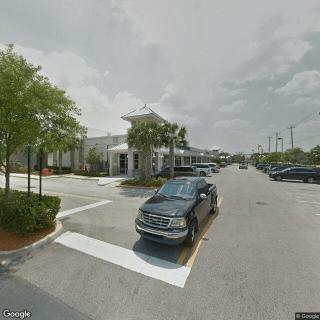
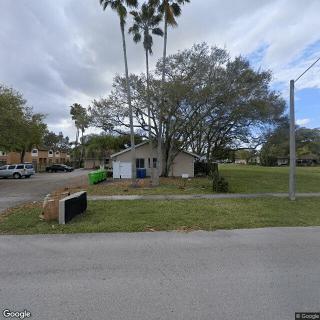
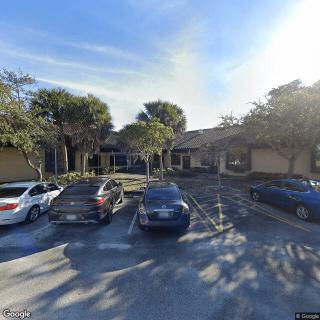
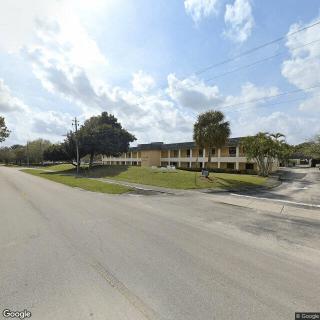
Springtree Rehabilitation and Health Center photos
×
Building
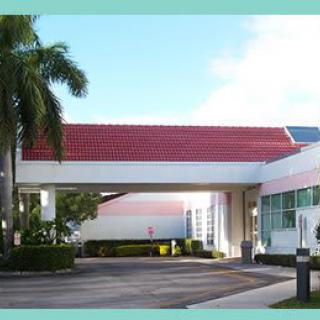
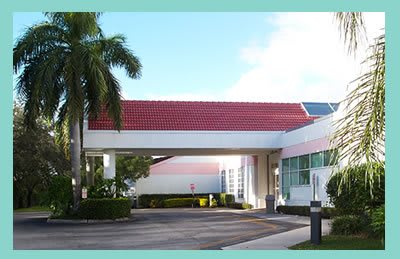
Building, Architecture, Entrance, and Palm Trees
Get PricingAsk A QuestionSchedule A TourContact Senior Advisor
By clicking submit, you agree to our Partner's Terms of Use. You
also consent to receive calls and texts, which may be autodialed, from our Partner. Your consent is not a condition to
using our Partner's service. Please visit our Partner's Privacy Policy for information about their privacy practices.

 Skilled Nursing Facility
 Fort Lauderdale-Hollywood International (10 miles away)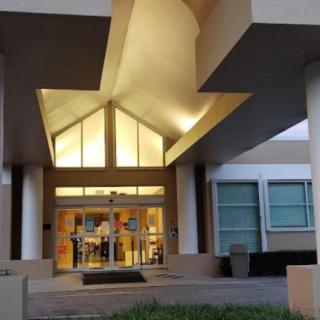
 Comprehensive care with extensive amenities and social activities.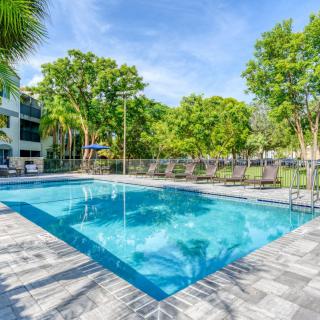

 Recognizing the Journey: Understanding and Navigating Anticipatory Grief
 Encouraging Participation in Adult Day Care: A Guide to Supporting a Hesitant Parent
 Comprehensive Exploration of Living Wills and Other Advance Directives