
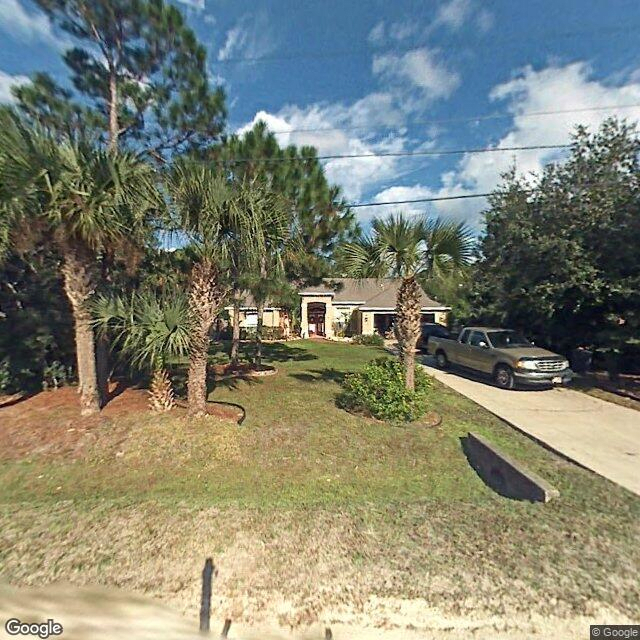
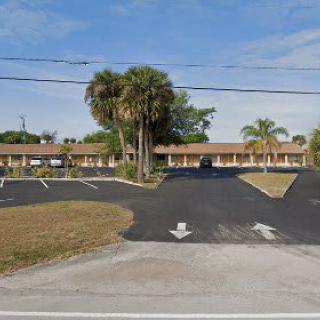
4030 Vancouver Avenue, Cocoa, FL 32926
To contact a resident: (321) 543-5911
For more information about senior living options: (866) 208-4318
Tranquility Haven LLC II Costs & Pricing
Tranquility Haven LLC II offers competitive pricing for its residential services, making it an attractive option for individuals seeking care in a supportive environment. For semi-private accommodations, the monthly cost is set at $3,000, slightly below the average rates in Brevard County ($3,027) and the broader state of Florida ($3,009). When it comes to private rooms, Tranquility Haven LLC II's rate of $3,500 remains more affordable than both the county average of $3,663 and the state average of $3,699. These favorable rates reflect Tranquility Haven's commitment to providing quality care while ensuring affordability for residents and their families.
| Floor plans | Tranquility Haven LLC II | Brevard County | Florida |
|---|---|---|---|
| Semi-Private | $3,000 | $3,035 | $3,009 |
| Private | $3,500 | $3,672 | $3,699 |
Memory care communities with a similar price nearby
-
from -$500 / mo
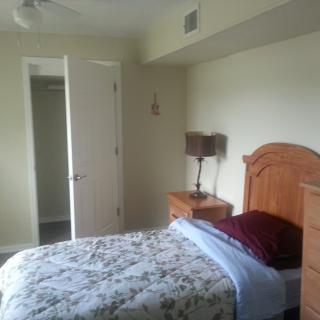
Living Southern Style Of Brevard
$2,500 to $3,500 / month6.4 miles away -
from +$200 / mo
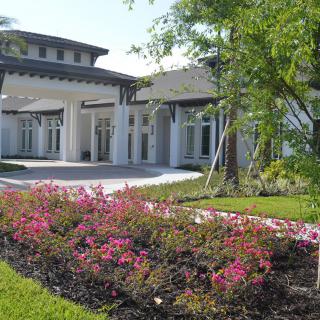
Alura Senior Living
$3,200 to $4,200 / month9.2 miles away -
from +$345 / mo
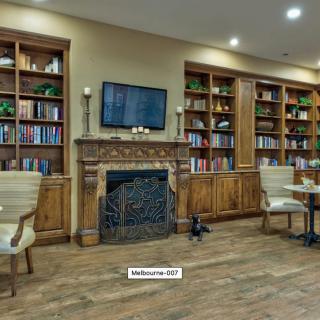
Discovery Village at Melbourne
$3,345 to $5,995 / month20.8 miles away -
from +$500 / mo
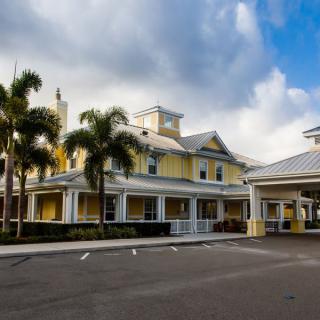
The Brennity at Melbourne Senior Living
$3,500 to $4,595 / month14.0 miles away -
from -$150 / mo
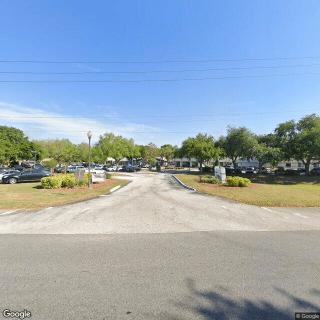
Solaris Rehab of Merritt Island
$2,850 to $4,350 / month6.4 miles away
Overall Review of Tranquility Haven LLC II
Pros
 The facility provides a dementia-focused, home-like setting where the father does not feel lost in a crowd.
- It offers personalized care and a loving atmosphere in which the father feels safe.
- The home is spotless and smells clean.
- Meals are served on schedule, and the father bathes regularly and smells fresh.
- The staff ensures the father's needs are met 24/7, allowing family members to rest easy.
Review
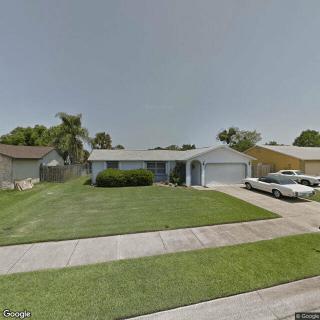
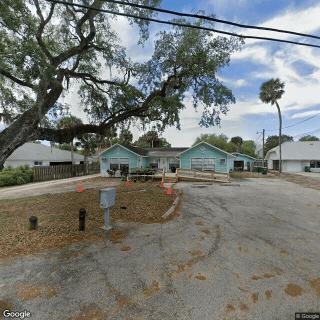
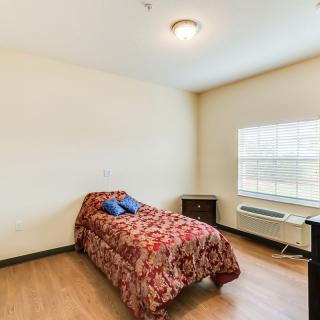
Tranquility Haven LLC II in Cocoa, FL is best suited for families seeking a small, home-style memory care setting where dementia care is the core focus. This community excels for loved ones who benefit from a calm, domestic atmosphere, highly personalized attention, and a buddy-system feel rather than a clinical, impersonal campus. A resident who needs predictable routines, reassuring safety, and daily dignity, delivered with warmth and genuine caregiver presence, will likely thrive here. The emphasis on a home-like setting helps minimize the “institutional” vibe that can be unsettling for someone with memory challenges, making this facility a practical match for those prioritizing comfort, familiarity, and gentle oversight.
Recognizing when to look at alternatives is essential. If a loved one requires more extensive medical nursing oversight on site, frequent hospital-grade care, or access to a broad slate of therapeutic programs and activities housed on a larger campus, a bigger, more clinical community may be more appropriate. Families pursuing aggressive rehabilitation options, highly specialized medical management, or a more extensive continuum of care should compare options with larger staffs and additional healthcare resources. Likewise, if the preference is for a facility with a broader social calendar and formal guest amenities, an alternative with more expansive programming could be a better fit.
The strongest positives center on the lived experience of residents and the peace of mind offered to families. The environment is described as spotless and consistently clean, with routines that keep residents well-groomed and nourished. Meals on a dependable schedule, regular personal care, and attention to fragrance and cleanliness translate into a tangible sense of dignity and daily reliability. A dementia-focused design likely reduces disorientation by preserving familiar rhythms, while the home-like setting fosters comfort, safety, and a sense of belonging. In short, the pros, a quietly thorough, caring, and consistent level of attention, strongly offset the absence of a large, clinical framework for those who prioritize warmth over institutional scale.
From the resident’s perspective, stability and continuity matter most. The consistency in meals, personal hygiene, and daily routine reduces anxiety and potential behavioral flare-ups tied to disruption. The loving atmosphere and the impression of attentive staff present around the clock can make a significant difference for families worrying about 24/7 care needs. The trade-off is a leaner, less bustling environment compared with multi-wing communities, which may mean fewer incidental social events or on-site therapy options. Yet for many families, the payoff is a more intimate, predictable day-to-day experience where a loved one is known and cared for as a person, not a room number.
For families weighing a decision, concrete signals should guide the next steps. A visit should probe the specifics behind the positive impressions: how dementia-specific care is structured day-to-day, what staff training looks like, and how transitions, such as the move in and ongoing care planning, are managed. Ask about staff-to-resident ratios during peak hours, how personalized care plans are developed and updated, and how family communication is handled. Inquire about trial stays, references beyond the two published reviews, and a current inventory of services included in the monthly cost. These inquiries help confirm whether the home-like strength can be sustained as needs evolve.
In sum, Tranquility Haven II stands out as a compelling choice for dementia care in a setting that feels more like home than a facility. It shines for families prioritizing a warm, personalized, and consistently clean environment where daily routines and compassionate staff provide steady reassurance. The primary caveat is the small footprint of information, two reviews offer a strong positive signal, but also limit a broader view of long-term outcomes and diverse resident experiences. For those prioritizing comfort, dignity, and 24/7 attentiveness within a memory-care-focused home, this community deserves serious consideration. If a loved one demands more clinical resources or larger-scale programming, keep alternatives in clear view and compare those options directly during tours.
 Board and Care Home
 Memory Care
 Private
 Swimming pool / hot tub
 Melbourne International (24 miles away)
 Ambulatory care
 High acuity care
 Incontinence care
 Medication management

 When to Transition from Assisted Living to Memory Care: Key Indicators, Steps, and Finding the Right Community
 Understanding the Distinctions: Assisted Living and Memory Care Explained
 How to Communicate with a Loved One Living with Dementia: 10 Supportive Strategies