
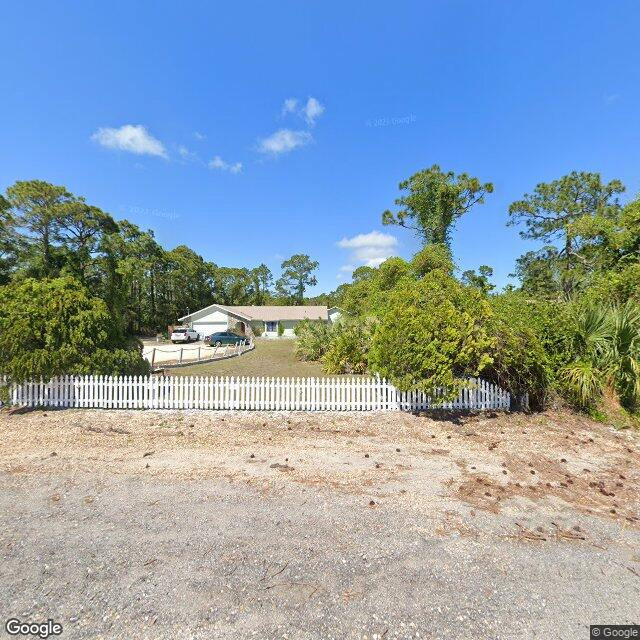
3680 Canaveral Groves Boulevard, Cocoa, FL 32926
For more information about senior living options: (866) 208-4318
Friends At Home Assisted Living Costs & Pricing
Friends At Home Assisted Living offers competitive pricing for its services compared to the broader market in Brevard County and across Florida. For semi-private rooms, the monthly cost is $2,800, which is notably lower than both the county average of $3,027 and the state average of $3,009. Similarly, private rooms at Friends At Home are priced at $3,500, offering a more affordable option when compared to Brevard County's average of $3,663 and Florida's average of $3,699. This positioning not only reflects Friends At Home's commitment to providing high-quality assisted living but also underscores its dedication to affordability within the community it serves.
| Floor plans | Friends At Home Assisted Living | Brevard County | Florida |
|---|---|---|---|
| Semi-Private | $2,800 | $3,035 | $3,009 |
| Private | $3,500 | $3,672 | $3,699 |
Assisted Living communities with a similar price nearby
-
from -$300 / mo
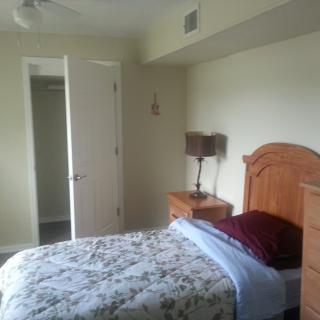
Living Southern Style Of Brevard
$2,500 to $3,500 / month6.6 miles away -
from +$298 / mo
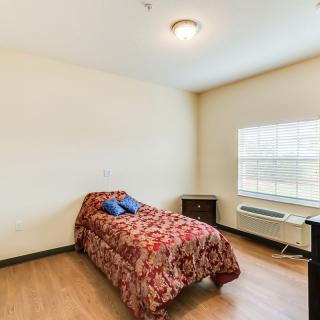
Cedar Creek Assisted Living
$3,098 to $4,831 / month6.2 miles away -
from +$200 / mo

Martha's House & Assisted Living Facility
$3,000 / month13.6 miles away -
from +$400 / mo
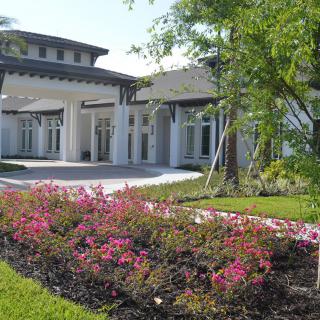
Alura Senior Living
$3,200 to $4,200 / month9.4 miles away -
from +$370 / mo
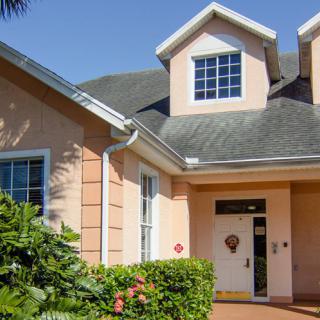
Brookdale West Melbourne AL
$3,170 to $3,400 / month24.5 miles away
Overall Review of Friends At Home Assisted Living
Pros
 The mom loves this place.
- The mom is comfortable here.
- The mom loves the guitar music.
- The mom will dance up a storm when the music plays.
- The residents can dance, clap, and sing along when the music plays.
- The therapy is great.
- The caretakers at Friends at Home rock.
- The nurses keep residents informed.
Review
This Cocoa, FL community is best suited for families seeking an intimate, relationship-driven assisted living experience where staff are accessible, communicative, and focused on keeping residents socially and emotionally engaged. The setting clearly appeals to caregivers who want to stay closely connected with care updates, and to residents who respond positively to music, laughter, and daily opportunities to participate in group activity. With a high overall rating and multiple enthusiastic testimonials, this is the kind of place that earns trust through consistent warmth and visible attention to residents’ comfort and happiness.
The strongest leverage points are evident in the staff-resident and staff-family dynamics. Reviewers highlight prompt, transparent communication from nurses, ensuring families are looped in about their loved one’s status. Comfort resides not only in physical surroundings but in the everyday assurances of attentive care. The musical element stands out as a defining feature: live guitar performances, rhythm, and singing create a therapeutic cadence that motivates even residents with limited mobility to clap, dance, or simply engage with the moment. The social opportunity of seeing peers participate in music-enhanced activities adds a meaningful layer of quality of life that often translates into steadier mood and a sense of normalcy.
From there, the caregiving team earns high marks for reliability and accessibility. Caregivers are described as rock-solid, consistently present, and capable of making residents feel valued. That consistency matters greatly for families trying to balance peace of mind with daily caregiving realities. When a resident, such as a parent, relaxes enough to enjoy music and movement, it signals more than momentary happiness; it signals a responsive environment where staff know residents’ preferences and rhythms. In practical terms, that means fewer anxious calls for routine updates and more confidence that daily care is being managed with care and attention.
Nevertheless, no review explicitly outlines medical or memory-care capabilities at scale, leaving a practical gap for families with residents who require higher-acuity nursing, complex clinical oversight, or substantial memory-support programs. The absence of concrete information about staffing ratios, availability of on-site physicians, or specific memory-care design can be a decision hurdle for families weighing options against larger facilities with documented clinical infrastructures. In short, the strength of social life and familial transparency may come with a trade-off for those needing frequent, intensive medical intervention or highly specialized dementia programming.
Those potential trade-offs are offset by the facility’s core strengths: a tight-knit, family-centric vibe and a schedule that prioritizes meaningful engagement over bland routine. The combination of robust family communication and vibrant, accessible activities cultivates consistent satisfaction for residents who thrive on interaction and expressive outlets like music. In practical terms, this means less isolation, higher daily liveliness, and clearer reassurance for relatives who want to see real-time participation and mood in their loved ones. If clinical intensity is not the central need, these offsets translate into tangible improvements in daily happiness and perceived safety.
For families evaluating options, the take-away is clear. This community excels for residents who respond to companionship, music-driven activity, and a transparent care partnership with staff. It is a compelling match for those prioritizing emotional well-being, social connectedness, and reliable family updates. Alternatives should be considered for residents with substantial medical needs, acute nursing requirements, or a desire for more formalized memory-care programs and larger clinical teams. Visiting in person, reviewing care plans, and directly discussing the depth of medical support available will confirm fit and help determine whether this setting will meet both current needs and future changes in care requirements.
 15 resident community capacity
 Assisted Living
 Board and Care Home
 Cats allowed
 Dogs allowed
 Activities on-site
 Beautician on-site
 Cable or satellite TV
 Dining room
 Fully furnished
 Garden
 Housekeeping services
 Indoor common areas
 Move-in coordination
 Outdoor common areas
 Private
 Respite or short term stays offered
 Telephone
 Wheelchair accessible showers
 Wi-Fi/high-speed internet available
 Melbourne International (25 miles away)
 24-hour supervision
 Assistance with bathing
 Assistance with dressing
 Assistance with transfers
 Diabetes diet
 Diabetic care
 Meal preparation and service
 Medication management
 Special dietary restrictions
 Transportation arrangement (medical)
 Transportation to doctors appointments
 A Detailed Exploration of Assisted Living Medicaid Waivers Across the United States
 Comprehensive Residential Support and Assisted Living Solutions for Individuals with Disabilities
 Comprehensive Supportive Living Arrangements for Adults with Disabilities