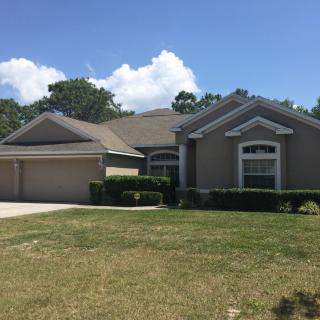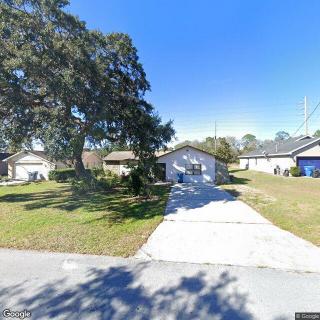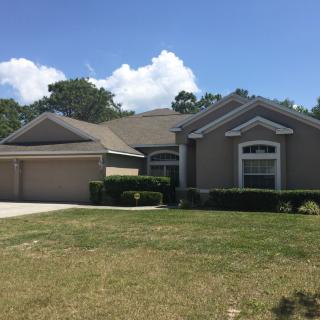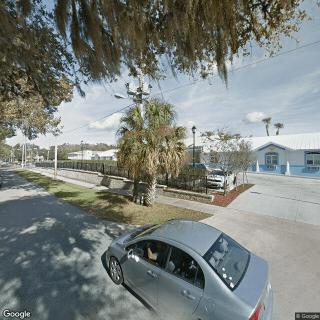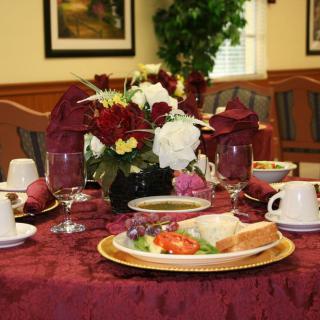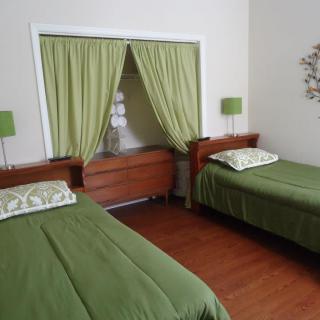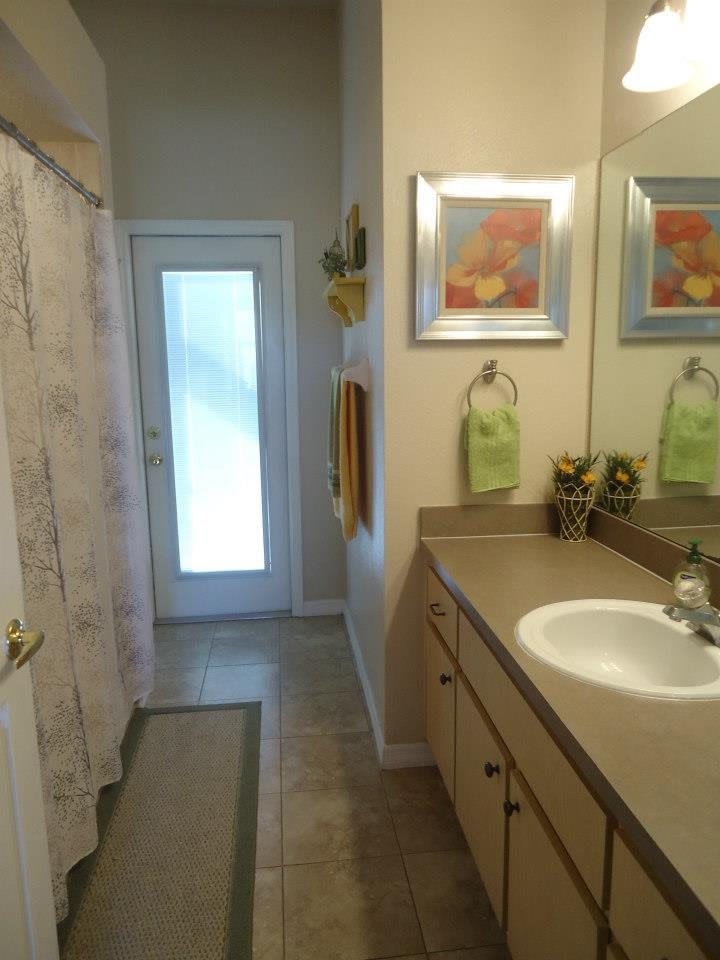
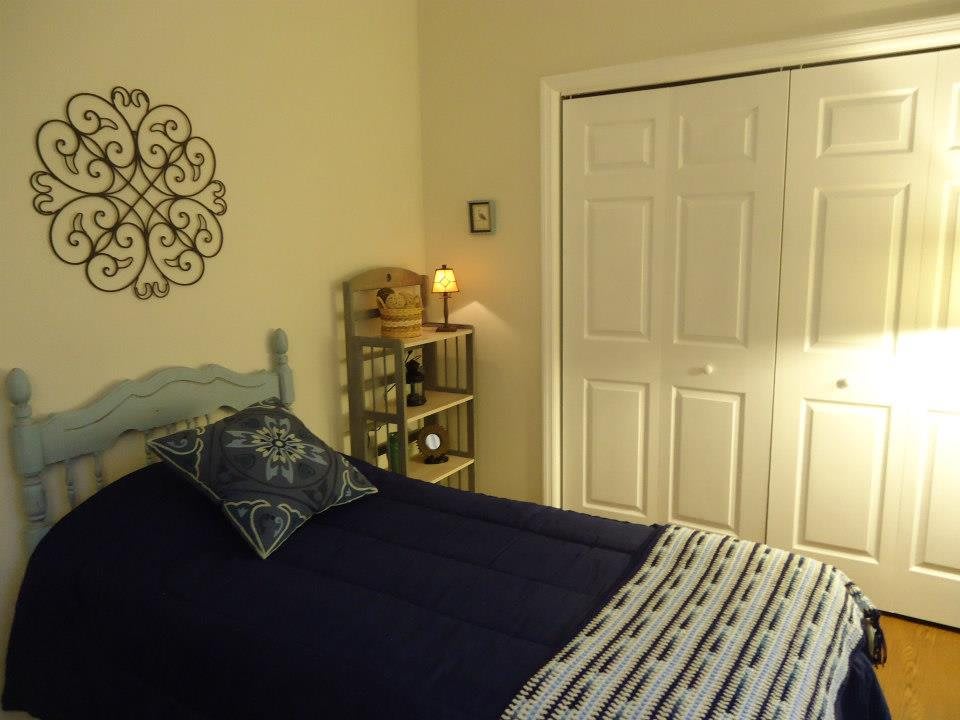
Barbara's Adult Family Care Home in Brooksville, FL

Save

Barbara's Adult Family Care Home in Brooksville, FL

7130 Madrid Road, Brooksville, FL 34613

For more information about senior living options: (844) 490-3973

1 from 1 review
Board and Care Home Day Program Memory Care

Barbara's Adult Family Care Home Costs & Pricing

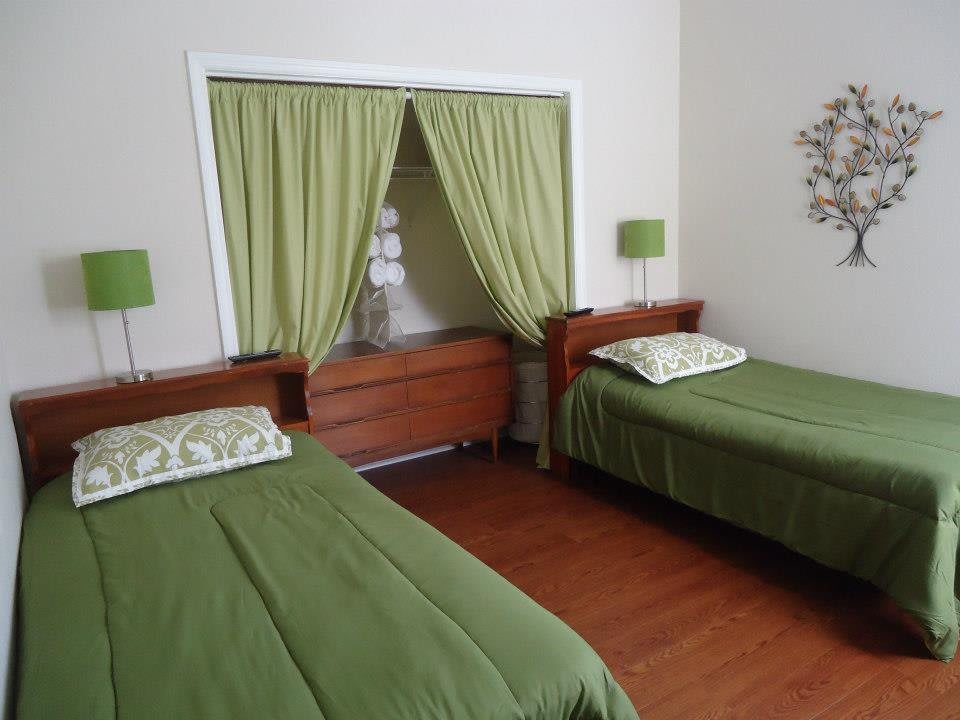
At Barbara's Adult Family Care Home, the monthly costs for care are notably competitive when compared to both Hernando County and the state of Florida. For a semi-private room, residents pay $2,500, which is significantly lower than the county average of $2,810 and well below the state average of $3,009. Similarly, private rooms at Barbara's are offered at $3,000 per month; this is also more affordable than the Hernando County price of $3,568 and the statewide average of $3,699. These pricing structures not only reflect Barbara's commitment to providing quality care but also highlight its value relative to other options in the area.

Floor plansBarbara's Adult Family Care HomeHernando CountyFlorida
Semi-Private$2,500$2,810$3,009
Private$3,000$3,568$3,699

Overall Review of Barbara's Adult Family Care Home

Cons

  • pro The facility is described as highly overpriced.
  • pro There are zero social activities, and patients wander from room to room.
  • pro Visits are monitored, with no privacy to speak freely.
  • pro Staff claimed that, under Florida law, injuries did not have to be reported.
  • pro It is a family-owned business with close ties to Hospice, making reporting feel unanswered.
  • pro There are suspicions about medications being administered, and attempts to obtain information are met with bullying.
  • pro When a loved one was dying, only one hour's notice was given, and visitors were monitored and watched, causing emotional distress.

Review

Barbara's Adult Family Care Home in Brooksville is best suited for families seeking a tiny, home-like setting where care is delivered by a family-run operation and where the daily rhythm feels personal and intimate. The environment can appear calm and private, offering close, continuous contact with caregivers in a setting that resembles living in a private home rather than a larger institution. This can work for residents who prioritize one-on-one attention and a sense of familiar faces at every turn. However, the trade-off is a stark absence of structured programming, with little in the way of organized social activities or opportunities to engage meaningfully with peers, which can lead to long, stagnant days for residents who crave activity and social connection.

Those who may want to consider alternatives are best defined by a need for predictable safety routines, transparent finances, and regular, well-organized programming. Families requiring robust supervision, documented safety checks, and clear reporting practices should look toward larger, licensed communities with established complaint channels and regulatory oversight. A setting with active social opportunities, stronger staff-to-resident ratios, and formal policies around medication, falls, and emergencies tends to translate into more reliable peace of mind for families and more predictable routines for residents.

The few apparent positives in this setting - its intimate, home-like feel and the potential for highly accessible, responsive care - do not meaningfully offset the most serious drawbacks. The absence of social programming leaves residents largely disconnected from peers, and the private-home ambiance cannot compensate for a lack of oversight that should come with any elder-care arrangement. When cost enters the equation, the concern intensifies: high prices without corresponding, transparent services undermines the sense of value. In short, warmth and proximity are real, but they fade against the seriousness of safety, privacy, and programmatic gaps.

The substantial concerns raised about care and operations demand careful scrutiny. Reports of money being redirected toward renovations raise questions about financial priorities and transparency. The claim that injuries are not consistently reported, or that there is a tendency to withhold information, is a red flag for anyone evaluating risk management. The combination of a family tie to hospice, limited external inquiry channels, and a perceived lack of response to care questions compounds the risk that issues may go unaddressed. Compounding these issues are privacy intrusions during visits and the unsettling impression that telltale signs of distress could be overlooked in a setting where family questions are met with defensiveness or obfuscation.

From a practical standpoint, prospective families should demand rigorous assurances before committing. Verify licensing status and inspection history with the Florida AHCA, request a detailed, written care plan, and review medication administration procedures and incident reporting processes. Seek to speak privately with staff and, if possible, current residents, to gauge day-to-day reality beyond a staged tour. Ask for a clear breakdown of fees, what is included, and what triggers additional charges. Finally, insist on a transition plan with milestones and a contingency option in case concerns persist after move-in. Without these safeguards, the combination of cost, privacy concerns, and care-management gaps points decisively toward pursuing alternatives.

In the end, this community is unlikely to meet the needs of families seeking dependable safety oversight, engaging daily activities, and transparent governance. For most families, stronger, more regulated options offer greater reassurance, even if they come with a larger setting and more structured routines. If choosing this path, enter with a blunt, high-clarity checklist: confirm licensing and incident-report practices, demand transparency around finances, insist on meaningful activities and regular check-ins, and secure a firm, enforceable care plan. When these guardrails are in place, one can assess whether the home atmosphere still aligns with the loved one's dignity and daily quality of life; otherwise, systematically compare with alternatives better equipped to deliver safety, engagement, and reliable communication.

Features

Types of Care

  • Board and Care Home Board and Care HomeBoard and care homes provide a smaller, more intimate setting for seniors who require assistance with daily tasks but do not need the level of care offered by a nursing home. They offer personalized care, meals, and social activities in a homelike environment, ensuring that seniors receive individualized attention and support in their golden years.
  • Day Program Day ProgramDay programs are important for seniors because they provide a safe and supportive environment where older adults can socialize, engage in activities, receive assistance with daily tasks, and access valuable resources and services. These programs help prevent isolation and loneliness, promote mental and physical well-being, and offer a sense of purpose and community for seniors.
  • Memory Care Memory CareMemory care is crucial for seniors as it provides specialized support and services for individuals with dementia or Alzheimer's disease. These programs offer a safe and secure environment where residents receive personalized care, cognitive stimulation, and help with daily activities. Memory care helps seniors maintain their independence, quality of life, and dignity while also providing peace of mind for their families.

Amenities

  • Activities off-site Activities off-siteEngaging in off-site activities is crucial for seniors to maintain social connections, stay active, and stimulate their minds. It promotes overall well-being and helps combat feelings of isolation and loneliness.
  • Activities on-site Activities on-siteActivities on-site are important for seniors because they provide opportunities for socialization, mental stimulation, physical activity, and overall well-being. Engaging in activities can help seniors stay active, maintain their independence, and improve their quality of life.
  • Beautician on-site Beautician on-siteHaving a beautician on-site at a senior living community is important for seniors as it allows them to easily access grooming and personal care services, boosting their self-esteem and overall well-being. It also provides convenience and helps seniors maintain their sense of independence and personal style.
  • Indoor common areas Indoor common areasIndoor common areas are crucial for seniors as they provide a space for socialization, recreation, and community engagement, promoting overall well-being and reducing feelings of isolation and loneliness.
  • Outdoor common areas Outdoor common areasOutdoor common areas are important for seniors as they provide a space for socialization, physical activity, and relaxation. Being outside in nature can improve mood and overall well-being, while also encouraging movement and engagement with others. These spaces can help combat feelings of isolation and promote a sense of community among residents.
  • Private PrivatePrivacy is important for seniors as it allows them to maintain their independence, dignity, and sense of control over their own lives. It also gives them the space and freedom to relax, reflect, and engage in activities that bring them joy and fulfillment. Creating private spaces within senior living facilities is crucial for promoting overall well-being and quality of life.

Care Services

  • Ambulatory care Ambulatory care"Ambulatory care services provide essential medical support and treatment to seniors without requiring hospitalization, allowing them to maintain their independence and quality of life while managing chronic conditions or receiving routine medical care."
  • Diabetic care Diabetic careDiabetic care is crucial for seniors as they are more susceptible to developing diabetes due to aging and other health conditions. Proper management of diabetes can help prevent complications such as heart disease, vision loss, and nerve damage, improving the overall quality of life for seniors in senior living communities.
  • High acuity care High acuity careHigh acuity care is important for seniors because it provides specialized medical attention and support for individuals with complex medical needs. This level of care ensures that seniors receive the appropriate treatment and assistance to maintain their health and quality of life as they age.
  • Incontinence care Incontinence careIncontinence care is essential for seniors to maintain their dignity, hygiene, and overall quality of life. By addressing incontinence issues promptly and effectively, seniors can enjoy a sense of independence and comfort in their daily activities.
  • Medication management Medication managementMedication management is crucial for seniors to ensure they are taking the right medications at the correct dosages and times. This helps prevent adverse drug interactions, reduces the risk of medication errors, and promotes overall health and well-being. Proactive management also allows for adjustments as needed based on changing health conditions or new prescriptions.

Dining

  • Meals provided Meals provided"Meals provided" are crucial for seniors in assisted living communities as it ensures they have access to nutritious, balanced meals without the stress of meal planning and preparation. This can help promote overall health and well-being for seniors who may have limited mobility or cognitive abilities.

Activities

  • Activities off-site Activities off-siteEngaging in off-site activities is crucial for seniors to maintain social connections, stay active, and stimulate their minds. It promotes overall well-being and helps combat feelings of isolation and loneliness.
  • Activities on-site Activities on-siteActivities on-site are important for seniors because they provide opportunities for socialization, mental stimulation, physical activity, and overall well-being. Engaging in activities can help seniors stay active, maintain their independence, and improve their quality of life.

Description

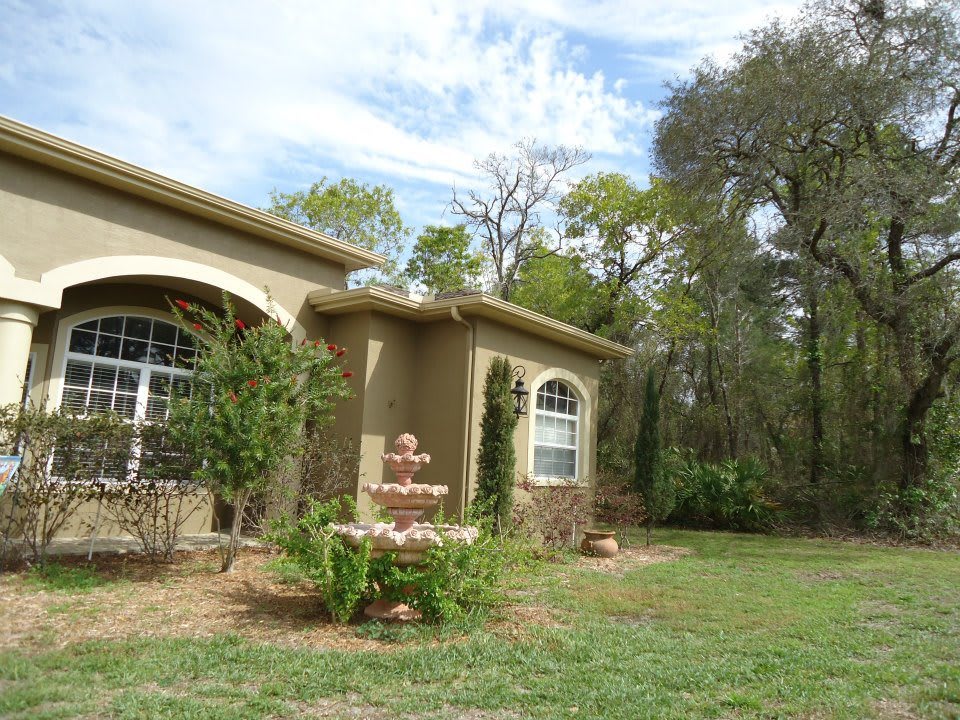
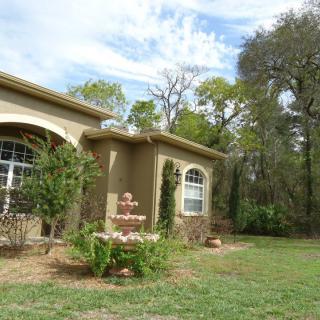
Barbara's Adult Family Care Home in Brooksville, FL, is a welcoming and comfortable assisted living community that specializes in providing both Day Program and Memory Care services. Designed for residents seeking a supportive and enriching environment, Barbara's offers a range of amenities to ensure the well-being and comfort of its residents.

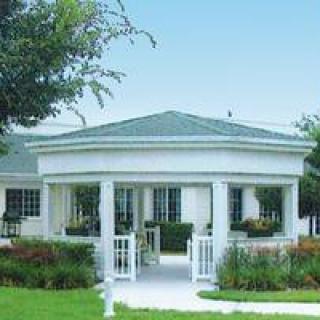
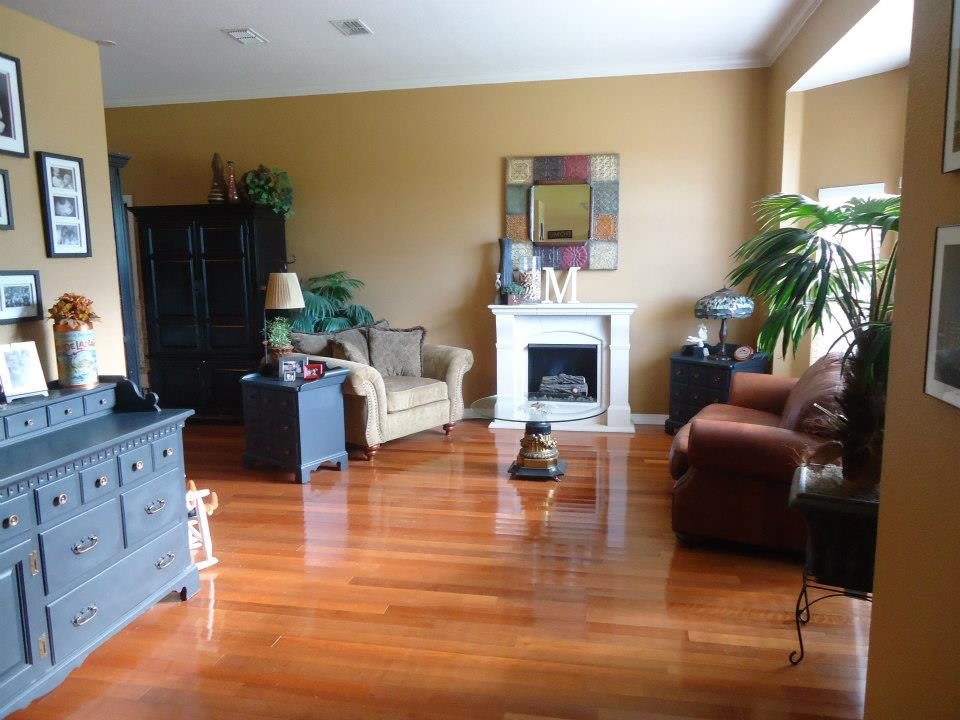
The community features inviting indoor common areas where residents can socialize, relax, or participate in various activities. Outdoor common areas provide a serene setting for enjoying nature and fresh air. With activities organized on-site, residents can engage in stimulating programs tailored to their interests and needs.

Barbara's Adult Family Care Home recognizes the unique healthcare requirements of its residents by offering specialized care services. These include diabetic care, high acuity care, incontinence care, and medication management, ensuring that individuals receive personalized attention tailored to their specific health conditions.

In addition to comprehensive care services, the home boasts convenient amenities such as an on-site beautician to help residents look and feel their best. The community’s location is also advantageous; with four cafes nearby, numerous pharmacies (nine), 46 physicians within reach, 26 restaurants for dining out options, two places of worship for spiritual needs, one theater for entertainment outings, and a hospital close by for any medical emergencies.

Overall, Barbara's Adult Family Care Home is dedicated to creating a safe, engaging environment where residents can thrive socially and physically while receiving the attentive care they deserve.

Nearby Places of Interest

This area of Brooksville, Florida offers a mix of convenient amenities and services that cater to the needs of seniors looking for a comfortable living environment. The proximity to places of worship such as Christian Church in the Wildwood and medical facilities like The Springs Family Medical Center and Oak Hill Hospital Internal Medicine ensure access to spiritual support and quality healthcare. Additionally, there are several dining options like Richie Cheesesteak and Masa Asian Bistro And Bar nearby for enjoyable meals out. Pharmacies such as Winn-Dixie and CVS Pharmacy are easily accessible for medication needs, while recreational activities can be enjoyed at Weeki Wachee Springs and Rotary Centennial Dog Park. Overall, this neighborhood provides a well-rounded community with essential services, making it an attractive option for seniors seeking a peaceful and convenient living environment in Brooksville.

Places of Worship

  • Christian Church in the Wildwood (0.4 miles)
  • Crosspoint Church Future Main Campus (4.2 miles)

Physicians

  • The Springs Family Medical Center (0.8 miles)
  • Idicula Medical Associates, MD, PA (0.9 miles)
  • Good Shepherd Medical Clinic (0.9 miles)
  • Nature Coast Surgical Specialists (1 miles)
  • Oak Hill Hospital Internal Medicine (1 miles)
  • Dr Q.A. Fattah (1 miles)
  • Allergy, Asthma, & Immunology Associates of Tampa Bay (1 miles)

Hospitals

  • HCA Healthcare (1.1 miles)

Restaurants

  • Richie Cheesesteak (1.4 miles)
  • Hardee's (1.5 miles)
  • Masa Asian Bistro And Bar (1.5 miles)
  • Weeki Wachee Springs (1.9 miles)
  • Cheddar’s Scratch Kitchen (2 miles)
  • Culver's (2 miles)
  • Arby's (2.2 miles)

Pharmacies

  • Winn-Dixie (1.5 miles)
  • Cortez Drugs (1.6 miles)
  • CVS Pharmacy (1.7 miles)
  • CVS Pharmacy (2.5 miles)
  • Good Shepherd Pharmacy (2.5 miles)
  • Walgreens (2.5 miles)
  • Winn-Dixie (3.1 miles)

Theaters

  • Zota Beacon Theaters (2.4 miles)

Cafes

  • Kekes Breakfast Café (2.7 miles)
  • Starbucks (2.7 miles)
  • Panera Bread (2.8 miles)
  • Jam's Breakfast & Lunch Cafe (3.1 miles)

Parks

  • Rotary Centennial Dog Park Spring Hill (3.2 miles)

Transportation

  • Enterprise Rent-A-Car (5.2 miles)

Frequently Asked Questions

How much does it cost to live at Barbara's Adult Family Care Home in Brooksville, FL?
Where is Barbara's Adult Family Care Home?
Does Barbara's Adult Family Care Home provide care for residents with dementia or Alzheimer's disease?
What photos are available for Barbara's Adult Family Care Home in Brooksville, Florida?

Nearby Communities

  • Deborah A Alaniz

    Deborah A Alaniz

    Brooksville, FL


    pro Small, intimate board-and-care with 24-hour supervision and personalized services.

  • Oak Hill Assisted Living

    Oak Hill Assisted Living

    Brooksville, FL

    4.6 from 100 reviews
     

    pro Comprehensive care options (AL, Memory Care, SNF) with 24/7 staff and on-site amenities.

  • Core Values Home Care

    Core Values Home Care

    Weeki Wachee, FL


    pro Convenient proximity to cafes, pharmacies, physicians, restaurants, parks and other amenities.

  • Spring Hill Health And Rehabilitation Center

    Spring Hill Health And Rehabilitation Center

    Brooksville, FL

    3.1 from 140 reviews
     

    pro Dedicated, caring staff (notably activities director and nurse aide).

  • Evergreen Woods

    Evergreen Woods

    Spring Hill, FL

    3.1 from 15 reviews
     

    pro Compassionate, family-like staff with an active program.

  • Vitality Living Spring Hill

    Vitality Living Spring Hill

    Spring Hill, FL

    4.5 from 248 reviews
    $2,305 to $4,305 / month

    pro Friendly staff, welcoming atmosphere, and engaging activities for residents.

  • Salishan Gracious Retirement Living

    Salishan Gracious Retirement Living

    Spring Hill, FL

    4.6 from 91 reviews
    $1,895 / month

    pro Beautiful, well-maintained independent living with attentive staff, fine-dining quality, and engaging amenities.

  • The Residence At Timber Pines Senior Living

    The Residence At Timber Pines Senior Living

    Spring Hill, FL

    4.7 from 156 reviews
    $3,180 to $5,735 / month

    pro Modern, clean facilities with friendly staff and engaging activities.

  • Brooksville Healthcare Center

    Brooksville Healthcare Center

    Brooksville, FL

    3.7 from 97 reviews
     

    pro Caring staff in a clean facility with engaging activities

Related Resources

  • when should someone with dementia go into a care home8 Important Indicators That Memory Care May Be Necessary

    The article highlights eight indicators that a loved one with dementia may require specialized memory care, emphasizing the emotional and logistical challenges families encounter in this decision. It discusses signs such as difficulties with daily tasks, safety concerns, and caregiver burnout, suggesting that memory care facilities can provide the necessary support and structured environments for those experiencing cognitive decline.

  • what do dementia patients think aboutDelving into the Inner World of Dementia: Insights into Thoughts and Awareness

    Dementia, primarily caused by Alzheimer's disease but also linked to other conditions, leads to cognitive decline impacting memory and daily functioning, with individuals experiencing varied awareness of their impairments. Despite memory loss, emotional connections persist, enabling responses to familiar stimuli, highlighting the need for caregivers to provide compassionate support that recognizes both limitations and retained emotional depth.

  • does my mom have dementia quizFive Subtle Dementia Indicators to Observe: An In-Depth Guide to Understanding “Does My Mom Have Dementia?”
    The article presents five subtle indicators of dementia, such as memory lapses and mood swings, to help families assess cognitive decline in loved ones. It emphasizes early detection, open communication, and seeking professional help while providing practical support steps.