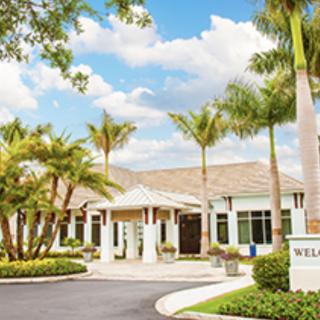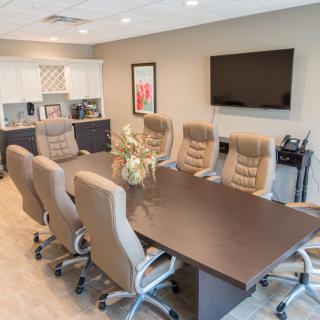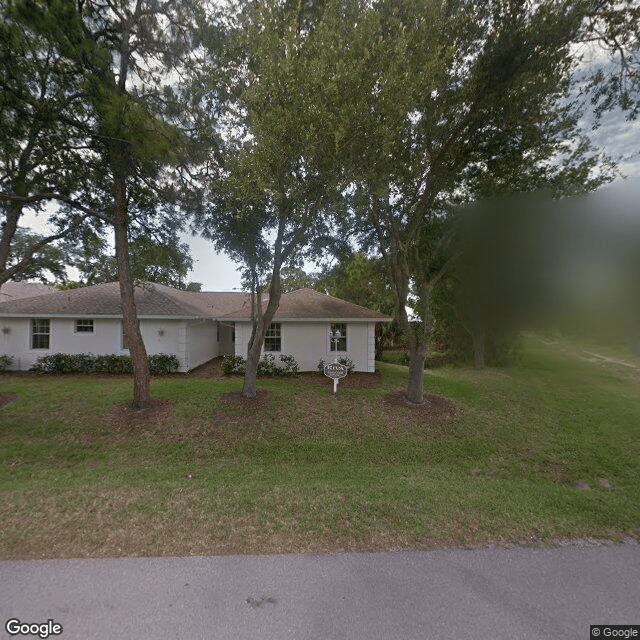
Kiva at Canterbury in Bonita Springs, FL

Save
Kiva at Canterbury

Kiva at Canterbury in Bonita Springs, FL

10 7th St, Bonita Springs, FL 34134

For more information about senior living options: (844) 490-3973

3.4 from 20 reviews
5 stars
12
4 stars
0
3 stars
0
2 stars
0
1 stars
8

Assisted Living Memory Care

Kiva at Canterbury Costs & Pricing

At Kiva at Canterbury, the monthly cost for a private room is $3,750, which positions it competitively within the broader context of Lee County and the state of Florida. In comparison, the average cost for similar accommodations in Lee County is slightly higher at $4,293, while the statewide average stands at $3,699. This pricing strategy not only reflects Kiva's commitment to offering quality care and comfortable living environments but also highlights its appeal as an attractive option for those seeking affordable yet high-standard assisted living solutions in the region.

Floor plansKiva at CanterburyLee CountyFlorida
Private$3,750$4,293$3,699

Overall Review of Kiva at Canterbury

Pros

  • pro Kiva is described as a quaint, well-run memory care community with a home-like atmosphere.
  • pro Cindy Digman is portrayed as an engaged administrator who truly cares for residents, treating them like family.
  • pro The staff are described as compassionate and dedicated, creating a safe, clean, and loving environment for many elderly residents.
  • pro Families report that residents flourish at Kiva, with safety, monitoring, and timely meals and medications.
  • pro The facility is praised for its home-like feel, including home-cooked meals and a clean, comfortable setting.
  • pro Cindy is described as accessible and responsive, with families able to reach her around the clock.
  • pro Some reviewers credit Kiva with saving a loved one's life, highlighting the high quality of care provided.

Cons

  • pro They blame dementia patients for everything that goes wrong, or goes missing, and for every injury they sustain.
  • pro The memory care side is described as utterly disgusting, with feces on the dining room floor left uncleaned for hours.
  • pro A nurse allegedly showed a photo of another dementia patient wearing a diaper as a top, laughed, and said not to tell anyone due to HIPAA/PIPA.
  • pro Cindy Digman is said to turn on families the moment their loved one requires attention or has prolonged hospital stays.
  • pro Items like prepaid cellphones, a gold necklace, and art were stolen from a resident, with blame placed on the loved one.
  • pro Staff reportedly pushed the resident, screamed at them, ignored them, and left them outside one night.
  • pro Residents are described as being treated like prisoners, monitored under lockdown, and lied to; the place should be condemned.

Review

Kiva at Canterbury in Bonita Springs is best suited for families seeking a small, home-like memory-care oriented assisted-living option where long-tenured leadership and hands-on administrator involvement are woven into daily care. The setting attracts residents who thrive on a cozy, predictable routine, staff who know them and their histories, and a climate that feels less clinical and more like a familial residence. It works well for someone with dementia who benefits from steady supervision, straightforward dining, and a warm atmosphere. Those with high-acuity medical needs or aggressive behavioral management requirements should consider alternatives that offer more intensive oversight and resources.

On the plus side, the community earns praise for its homey atmosphere, clean surroundings, and a devoted team. The administrator, Cindy Digman, is repeatedly cited as a stabilizing force, with families noting approachable, responsive leadership and care that treats residents like family. Several reviews describe staff as compassionate, a critical factor in memory care, and indicate families feel welcome to contact leadership around the clock. The blend of personal attention and a relatively affordable price point in the Naples/Bonita area can translate into genuine value when a resident settles into routines, meals, and monitored care that feel consistently dependable.

However, the reputation is deeply polarized, and the most troubling reviews allege neglect and mistreatment within memory care. Accounts describe dirty conditions, accusations of wrongdoing, and deflection when problems arise. Specific anecdotes include feces on dining-room floors, a nurse sharing a resident photo in ways that raised serious ethical concerns, and reports of staff behaviors that feel punitive rather than therapeutic. Several reviewers characterize the administrator as cold or volatile when care escalates, implying that oversight may waver under pressure. Taken together, these stories create a credible caution flag: online impressions vary wildly, and serious concerns deserve thorough, on-site verification.

Pros can matter significantly for certain residents, and in the right circumstances these strengths can offset some drawbacks. The small footprint and home-like vibe, coupled with steady leadership, can yield steady, personalized attention that is hard to guarantee at larger campuses. Families who value direct access to the administrator and rapid problem-solving may experience a level of responsiveness uncommon in bigger communities. For relatively independent residents who mainly need memory-support and structured routines, the warmth and stability on offer can foster a true sense of safety and belonging. The key caveat is that the same strengths become less reliable if behavioral challenges intensify or if daily hygiene and safety oversight falter; those red flags cannot be dismissed.

Alternatives should be seriously considered for anyone prioritizing consistent transparency or higher-acuity care. In particular, larger memory-care centers with established safety-records, formal complaint processes, and clearer performance histories may offer better protection for residents prone to behavioral escalations or medical complexity. Price is a real draw at Kiva, but cost should not substitute for measurable quality and dependable oversight. A prudent plan involves repeated visits, a candid tour of the memory-care area, conversations with front-line staff and multiple families, and a review of state licensing and any historical complaints to establish an accurate risk picture before committing.

Ultimately, Kiva at Canterbury warrants careful consideration for residents who prize a homelike feel and direct access to a hands-on administrator - and who can tolerate ongoing vigilance and occasional misalignments. The decision should hinge on a thorough, in-person assessment of memory-care routines, the administrator's willingness to address concerns promptly, and a realistic read on day-to-day operations. For residents who flourish in intimate settings and for families able to champion ongoing oversight, Kiva offers a viable, budget-conscious option in Bonita Springs. If continuous transparency, robust safety nets, and higher-level care are non-negotiable, broader options merit exploring to avoid compromises on care quality.

Features

Housing

  • 38 resident community capacity 38 resident community capacity

Types of Care

  • Assisted Living Assisted LivingAssisted living facilities provide crucial support and care for seniors who may need help with daily tasks such as medication management, bathing, and meal preparation. These communities offer a safe and comfortable environment where seniors can maintain their independence while receiving the assistance they need to thrive in their golden years.
  • Memory Care Memory CareMemory care is crucial for seniors as it provides specialized support and services for individuals with dementia or Alzheimer's disease. These programs offer a safe and secure environment where residents receive personalized care, cognitive stimulation, and help with daily activities. Memory care helps seniors maintain their independence, quality of life, and dignity while also providing peace of mind for their families.

Amenities

  • Activities on-site Activities on-siteActivities on-site are important for seniors because they provide opportunities for socialization, mental stimulation, physical activity, and overall well-being. Engaging in activities can help seniors stay active, maintain their independence, and improve their quality of life.
  • Beauty salon Beauty salonBeauty salons are important for seniors because they provide a space for them to feel pampered, socialize, and maintain their personal grooming and hygiene. Regular visits to a beauty salon can help boost seniors' self-esteem and overall well-being.
  • Cable or satellite TV Cable or satellite TVCable or satellite TV is important for seniors because it provides entertainment, news, and companionship, helping to combat loneliness and boredom. It also offers a wide range of programming options tailored to different interests and preferences.
  • Devotional services off-site Devotional services off-siteDevotional services off-site are important for seniors as they provide spiritual nourishment, social engagement, and a sense of community outside of the senior living facility. This can enhance overall well-being and help combat feelings of isolation and loneliness often experienced by older adults.
  • Dining room Dining roomDining rooms are important for seniors as they provide a space for socialization, connection, and nutritious meals. They offer opportunities for residents to bond over shared meals, foster a sense of community, and promote healthy eating habits. Dining rooms also ensure that seniors have access to well-balanced meals tailored to their dietary needs and preferences.
  • Fully furnished Fully furnishedFully furnished senior living communities are important for seniors because they provide convenience, comfort, and a hassle-free moving experience. Seniors can easily settle into their new living space without the stress of having to buy and move furniture. This allows them to focus on enjoying their new home and community.
  • Garden GardenGardens are important for seniors as they provide a peaceful and therapeutic environment for relaxation, physical activity, and socialization. Being in nature has been shown to reduce stress, improve mood, and promote overall well-being. Gardens also offer opportunities for seniors to engage in gardening activities, which can improve mobility, flexibility, and cognitive function. Additionally, gardens create a sense of community and connection with others who share a passion for plants and outdoor spaces.
  • Housekeeping services Housekeeping servicesHousekeeping services are important for seniors because they help maintain a clean and safe living environment, promote independence, and reduce the risk of accidents or illnesses. Additionally, having assistance with household chores can alleviate physical strain and allow seniors to focus on other aspects of their well-being.
  • Indoor common areas Indoor common areasIndoor common areas are crucial for seniors as they provide a space for socialization, recreation, and community engagement, promoting overall well-being and reducing feelings of isolation and loneliness.
  • Kitchenette KitchenetteKitchenettes are important for seniors living in senior living communities because they provide the convenience and independence of being able to prepare simple meals and snacks in the comfort of their own living space. This can help promote a sense of autonomy and well-being for seniors, allowing them to maintain some level of control over their dietary choices and daily routines.
  • Move-in coordination Move-in coordinationMove-in coordination is important for seniors because it helps ease the transition into their new living environment. It ensures that all logistics, such as packing, organizing movers, and setting up utilities are taken care of, allowing seniors to focus on settling in and adjusting to their new home. Having a smooth move-in process can alleviate stress and anxiety, making the transition smoother and more enjoyable for seniors.
  • Outdoor space Outdoor spaceOutdoor spaces are important for seniors as they provide opportunities for physical activity, social interaction, exposure to natural light and fresh air, and a sense of connection to nature. Having access to outdoor spaces can improve overall well-being and quality of life for older adults living in senior communities.
  • Restaurant-style dining Restaurant-style diningRestaurant-style dining is important for seniors because it allows them to enjoy delicious, nutritious meals in a social and upscale setting. This enhances their dining experience, promotes healthy eating habits, and fosters socialization with fellow residents, ultimately contributing to their overall well-being and quality of life.
  • Small library Small librarySmall libraries are important for seniors as they provide access to a variety of reading materials, including books, newspapers, and magazines. This can help stimulate their minds, keep them engaged, and provide a sense of community through book clubs and other social activities. Additionally, reading has been shown to improve cognitive function and overall mental well-being in older adults.
  • Telephone TelephoneTelephones are important for seniors as they provide a lifeline for communication with loved ones, emergency services, and healthcare providers. They offer a sense of security and independence, enabling seniors to stay connected and access assistance when needed.
  • Wi-Fi/high-speed internet available Wi-Fi/high-speed internet availableWi-Fi/high-speed internet is important for seniors to stay connected with loved ones, access online resources, and participate in virtual activities to combat feelings of loneliness and isolation. It also allows them to easily manage healthcare needs, access entertainment, and engage in lifelong learning opportunities.

Transportation

  • Southwest Florida International (15 miles away) Southwest Florida International (15 miles away)

Care Services

  • 24-hour call system 24-hour call system24-hour call systems are important for seniors because they provide peace of mind and immediate assistance in case of emergencies. This technology ensures that help is always available, promoting safety and security for elderly individuals living alone or in assisted living facilities.
  • 24-hour supervision 24-hour supervision24-hour supervision is important for seniors to ensure their safety, well-being, and access to immediate assistance in case of emergencies or health issues. This constant support provides peace of mind for both seniors and their loved ones, allowing them to age in place with dignity and security.
  • Activities of daily living assistance Activities of daily living assistanceActivities of daily living assistance are important for seniors because they provide essential support with tasks such as eating, bathing, dressing, and mobility. This assistance helps seniors maintain their independence, dignity, and overall quality of life as they age.
  • Ambulatory care Ambulatory care"Ambulatory care services provide essential medical support and treatment to seniors without requiring hospitalization, allowing them to maintain their independence and quality of life while managing chronic conditions or receiving routine medical care."
  • Assistance with bathing Assistance with bathingAssistance with bathing is crucial for seniors as it helps maintain personal hygiene, prevents infections, and ensures their overall well-being and comfort. It also provides a sense of dignity and independence for seniors who may struggle with this task on their own.
  • Assistance with dressing Assistance with dressingAssistance with dressing is important for seniors because it helps maintain their independence, promotes personal hygiene, prevents accidents and injuries, and improves overall quality of life. This service ensures that seniors can continue to dress comfortably and confidently, despite any physical limitations they may have.
  • Assistance with transfers Assistance with transfersAssistance with transfers is crucial for seniors as it helps prevent falls and injuries, maintains their independence, and ensures they can safely navigate their living environment. It also provides peace of mind for both seniors and their loved ones.
  • Diabetes diet Diabetes dietA diabetes diet is crucial for seniors as it helps manage blood sugar levels, reduce risks of complications, and improve overall health and well-being. By following a balanced and nutritious diet tailored to their specific needs, seniors can better control their diabetes and enhance their quality of life.
  • Diabetic care Diabetic careDiabetic care is crucial for seniors as they are more susceptible to developing diabetes due to aging and other health conditions. Proper management of diabetes can help prevent complications such as heart disease, vision loss, and nerve damage, improving the overall quality of life for seniors in senior living communities.
  • Meal preparation and service Meal preparation and serviceMeal preparation and service are crucial for seniors as they may have limited mobility or energy to cook nutritious meals. Having access to healthy and convenient food options can ensure they are getting the proper nutrition needed to maintain their overall health and well-being.
  • Medication management Medication managementMedication management is crucial for seniors to ensure they are taking the right medications at the correct dosages and times. This helps prevent adverse drug interactions, reduces the risk of medication errors, and promotes overall health and well-being. Proactive management also allows for adjustments as needed based on changing health conditions or new prescriptions.
  • Mental wellness program Mental wellness programMental wellness programs are essential for seniors as they promote cognitive stimulation, emotional support, and social engagement. These programs help prevent isolation, depression, and cognitive decline, ultimately enhancing the overall quality of life for older adults.
  • Special dietary restrictions Special dietary restrictionsSpecial dietary restrictions are important for seniors because age-related changes in metabolism and health conditions can make it difficult for their bodies to process certain foods. By following a diet tailored to their specific needs, seniors can maintain their overall health and well-being, manage chronic conditions, and reduce the risk of complications such as malnutrition or food interactions with medications.
Dining

  • Diabetes diet Diabetes dietA diabetes diet is crucial for seniors as it helps manage blood sugar levels, reduce risks of complications, and improve overall health and well-being. By following a balanced and nutritious diet tailored to their specific needs, seniors can better control their diabetes and enhance their quality of life.
  • Meals provided Meals provided"Meals provided" are crucial for seniors in assisted living communities as it ensures they have access to nutritious, balanced meals without the stress of meal planning and preparation. This can help promote overall health and well-being for seniors who may have limited mobility or cognitive abilities.
  • Special dietary restrictions Special dietary restrictionsSpecial dietary restrictions are important for seniors because age-related changes in metabolism and health conditions can make it difficult for their bodies to process certain foods. By following a diet tailored to their specific needs, seniors can maintain their overall health and well-being, manage chronic conditions, and reduce the risk of complications such as malnutrition or food interactions with medications.

Activities

  • Activities on-site Activities on-siteActivities on-site are important for seniors because they provide opportunities for socialization, mental stimulation, physical activity, and overall well-being. Engaging in activities can help seniors stay active, maintain their independence, and improve their quality of life.
  • Community-sponsored activities Community-sponsored activitiesCommunity-sponsored activities are important for seniors as they provide opportunities for social interaction, mental stimulation, and physical activity. These activities can help improve overall well-being, combat loneliness and isolation, and promote a sense of belonging and purpose among older adults.
  • Devotional activities offsite Devotional activities offsiteDevotional activities offsite are important for seniors because they provide social engagement, spiritual growth, and a sense of community outside of their living environment. This can improve overall well-being, mental health, and combat feelings of isolation or loneliness.
  • Resident-run activities Resident-run activitiesResident-run activities are important for seniors as they encourage social interaction, creativity, and a sense of autonomy. These activities empower seniors to stay engaged and active in their community while fostering meaningful connections with their peers.
  • Scheduled daily activities Scheduled daily activitiesScheduled daily activities are important for seniors because they provide structure, socialization, mental stimulation, and physical activity. Engaging in regular activities can improve overall well-being and quality of life for seniors living in a community setting.

Description

Kiva at Canterbury in Bonita Springs, FL is a well-equipped assisted living community that offers a range of amenities and services to ensure the comfort and well-being of its residents. With devotional services available off-site, individuals have the opportunity to nurture their spiritual needs within a supportive environment.

The indoor common areas create a welcoming atmosphere for socializing, relaxation, and engaging in activities. Residents can gather with neighbors, play games or cards, or simply enjoy each other's company.

Kiva at Canterbury also provides specialized care for those with diabetes. Skilled professionals are trained to offer personalized assistance and support to residents who require diabetic care, ensuring their health needs are met.

Engaging in devotional activities offsite further enhances the spiritual dimension of life for residents by connecting them with nearby places of worship. This promotes a sense of belonging and fulfillment within their faith communities.

Located in Bonita Springs, this assisted living community benefits from its close proximity to various amenities essential for daily living. With five cafes nearby, residents can easily enjoy dining out or meet friends over coffee. Nearby parks offer opportunities for tranquil walks or outdoor recreation, promoting an active lifestyle.

Having 11 pharmacies nearby ensures convenient access to medication and healthcare supplies. Additionally, having 35 physicians nearby provides peace of mind as residents have easy access to medical care when needed.

With 21 restaurants nearby, residents can explore diverse culinary options without traveling too far from home. This adds variety and excitement to dining experiences while enabling individuals to savor delicious meals prepared by skilled chefs.

For immediate medical attention, three hospitals are situated close by. This ensures that residents receive prompt care in case of emergencies or routine medical check-ups.

Overall, Kiva at Canterbury in Bonita Springs provides assisted living services that prioritize holistic well-being through amenities like devotional services off-site and indoor common areas. The community's commitment to diabetic care enhances the level of support provided while promoting health maintenance. Nearby cafes, parks, pharmacies, physicians, restaurants, places of worship, and hospitals contribute to a convenient and fulfilling lifestyle for residents.

Nearby Places of Interest

This area of Bonita Springs, Florida offers a convenient and accessible location with a variety of amenities for seniors. With multiple physicians, pharmacies, and hospitals nearby, residents have easy access to healthcare services. Additionally, there are several restaurants and cafes within a short distance, providing options for dining out or grabbing a quick bite to eat. Parks like River Walk Park Bonita Bay offer opportunities for outdoor recreation and relaxation. Places of worship are also available for spiritual support and community engagement. Overall, this part of Bonita Springs provides a well-rounded living environment with essential services and leisure options in close proximity.

Physicians

  • Hoglund Family Hearing and Audiology Center (0 miles)
  • NCH Immediate Care (0.8 miles)
  • West Coast Mobile Orthopedics (1 miles)
  • My Men's Clinic of Bonita Springs (1 miles)
  • Samotin Orthopaedics (1.5 miles)
  • 21st Century Oncology (2.1 miles)
  • Radiation Therapy Regional Centers (2.1 miles)

Restaurants

  • Taco Bell (0.9 miles)
  • Wendy's (0.9 miles)
  • Mel's Diner (0.9 miles)
  • McDonald's (1 miles)
  • Coconut Jack's Waterfront Grille (1.4 miles)
  • Skillets - Bonita Springs - Sunshine Plaza (1.4 miles)
  • DeRomo's Gourmet Market & Restaurant (1.9 miles)

Pharmacies

  • Walgreens (0.9 miles)
  • CVS Pharmacy (1.1 miles)
  • John's Pharmacy (1.2 miles)
  • CVS Pharmacy (2.1 miles)
  • Walgreens (2.4 miles)
  • Walgreens (3.5 miles)
  • Walgreens (3.5 miles)

Parks

  • River Walk Park Bonita Bay (1 miles)
  • Delnor-Wiggins Pass State Park (3.6 miles)
  • Can U Dig It (6 miles)

Cafes

  • Starbucks (1.6 miles)
  • Trackside Donuts & Cafe (2.6 miles)
  • Downtown Coffee And Wi (2.7 miles)
  • Survey Cafe (2.9 miles)
  • Starbucks (4.1 miles)
  • Fit & Fuel Cafe (5 miles)
  • Grain De Cafe (5.4 miles)

Hospitals

  • Lee Health Outpatient Rehabilitation - Bonita Bay Lifestyle Center (2 miles)
  • Physicians Day Surgery Center (3.7 miles)
  • NCH North Naples Hospital (4 miles)
  • Lee Health Outpatient Rehabilitation - Coconut Point (5 miles)

Places of Worship

  • Iglesia Cristiana Jesus Amor Eterno En Peniel In (4.7 miles)
  • Destiny Church Naples (6.1 miles)

Theaters

  • Silver Spot Cinema MERCATO (5.1 miles)

Frequently Asked Questions

How much does it cost to live at Kiva at Canterbury in Bonita Springs, FL?
Where is Kiva at Canterbury?
Does Kiva at Canterbury provide care for residents with dementia or Alzheimer's disease?

Nearby Communities

  • Right At Home of Bonita Springs

    Right At Home of Bonita Springs

    Bonita Springs, FL

    4.2 from 32 reviews
     

    pro Compassionate, professional staff delivering personalized in-home care.

  • Brightstar Care of Naples & Ft. Myers

    Brightstar Care of Naples & Ft. Myers

    Bonita Springs, FL

    4.3 from 37 reviews
     

    pro Great access to healthcare services and nearby dining, parks, and worship.

  • All Seasons Naples

    All Seasons Naples

    Naples, FL

    4.7 from 149 reviews
    $4,445 to $6,345 / month

    pro Staff attentiveness, clean modern facilities, and a wide range of engaging activities.

  • Omni Home Care

    Omni Home Care

    Bonita Springs, FL

    5 from 17 reviews
     

    pro Comfortable, supportive assisted living with easy access to nearby cafes, parks, pharmacies, doctors, restaurants, and hospitals.

  • Senior Helpers - Bonita Springs,  FL

    Senior Helpers - Bonita Springs, FL

    Bonita Springs, FL

    4 from 16 reviews
     

    pro Some caregivers provided fantastic, high-quality care.

  • Vi Bentley Village

    Vi Bentley Village

    Naples, FL

    4.7 from 79 reviews
     

    pro CCRC with multiple care levels, furnished units, transportation, and 24/7 supervision.

  • Vi at Bentley Village,  a CCRC

    Vi at Bentley Village, a CCRC

    Naples, FL

    4.6 from 106 reviews
    $3,790 to $5,330 / month

    pro Beautiful grounds and comprehensive amenities with engaging activities, plus friendly, knowledgeable staff and strong safety.

  • Inspired Living At Bonita Springs

    Inspired Living At Bonita Springs

    Bonita Springs, FL

    4.6 from 121 reviews
    $4,395 to $5,595 / month

    pro Friendly, attentive staff with a strong memory-care focus and engaging activities.

  • Renaissance At The Terraces

    Renaissance At The Terraces

    Bonita Springs, FL

    3.1 from 19 reviews
     

    pro Elegant, upscale setting with attentive staff and engaging activities.

Related Resources

  • does medicaid pay for assisted livingUnderstanding Medicaid Coverage for Assisted Living: A Comprehensive Guide

    The guide outlines the complexities of Medicaid coverage for assisted living, highlighting significant state-to-state variations, limited coverage often restricted to personal care services, and the existence of specialized waivers for certain needs like memory care. It advises families to consult local Medicaid offices for options while emphasizing the importance of understanding state-specific regulations and facility policies.

  • does medicaid pay for assisted livingHow and When Medicaid May Cover Assisted Living Costs

    Medicaid coverage for assisted living varies by state and is primarily available to low-income individuals, with eligibility dependent on strict income and asset limits. Some states offer HCBS waivers for specific services in assisted living, but families must generally cover room and board costs, and should verify facility acceptance of Medicaid while considering potential waiting lists.

  • assisted living waiver programA Detailed Exploration of Assisted Living Medicaid Waivers Across the United States

    Medicaid waivers for assisted living services provide vital support for seniors and individuals with disabilities in need of long-term care, with varying state-specific eligibility criteria and benefits. These waivers cover personal care and case management but often do not fully cover room and board, leading to waiting lists for many applicants.