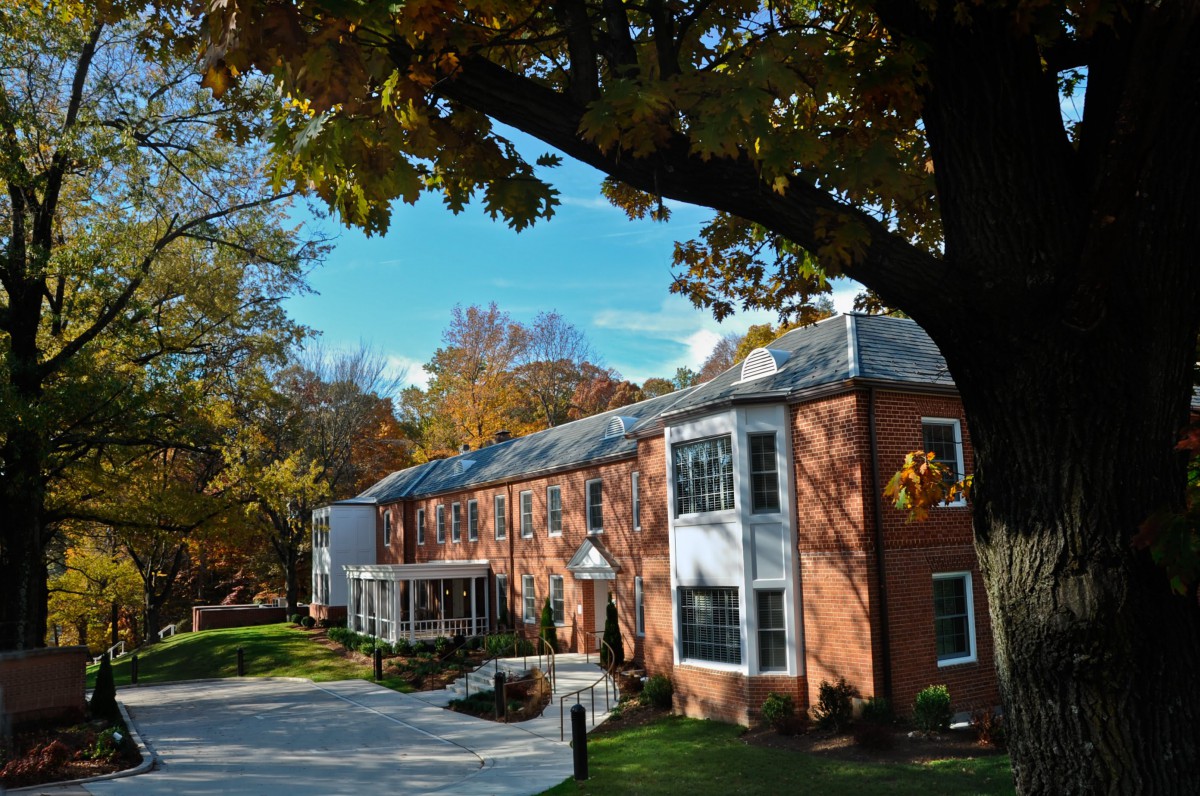



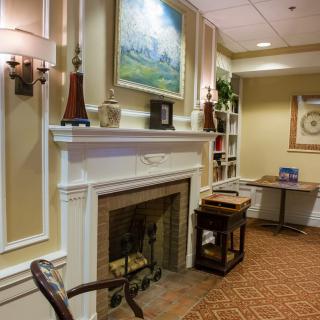
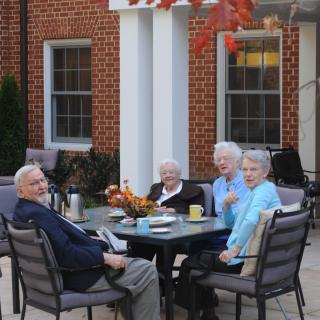
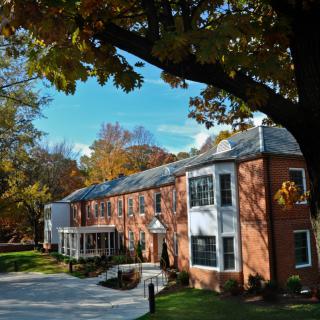

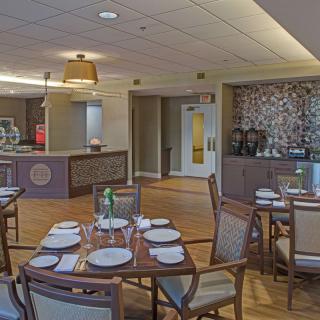
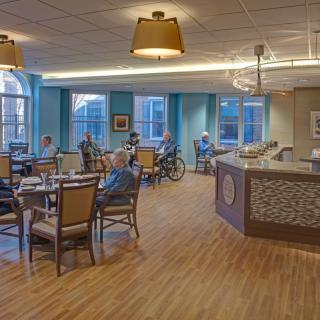
2701 Military Road NW, Washington, DC 20015
To contact a resident: (202) 966-7623
For more information about senior living options: (866) 208-4318
Forest Side Costs & Pricing
Forest Side presents a notable contrast in housing costs compared to the District of Columbia. For a studio apartment, residents can expect to pay $8,381 per month, which is significantly higher than the average cost of $5,707 both in the county and state. Similarly, for a one-bedroom unit, the monthly rent escalates to $10,079 at Forest Side, exceeding the district's rate of $4,879. These figures highlight a premium pricing structure for living in Forest Side, suggesting that while it may offer unique benefits or amenities, prospective renters should be prepared for a considerable investment above local averages.
| Floor plans | Forest Side | District of Columbia | Dc |
|---|---|---|---|
| Studio | $8,381 | $5,707 | $5,707 |
| 1 Bedroom | $10,079 | $4,879 | $4,879 |
Memory care communities with a similar price nearby
-
from -$1331 / mo
Maple Ridge Group Home
$7,050 / month11.0 miles away -
from -$731 / mo
Cedar Glen
$7,650 / month10.1 miles away -
from +$1119 / mo
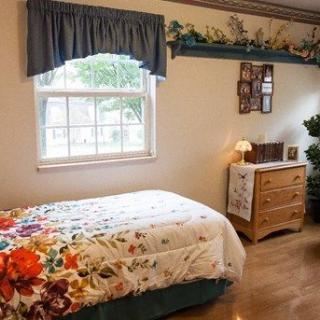
Arden Courts of Kensington
$9,500 / month5.0 miles away -
from -$881 / mo
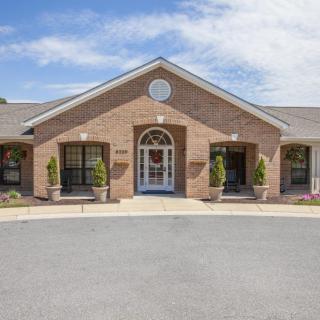
Charter Senior Living of Columbia
$7,500 to $8,295 / month22.0 miles away -
from -$781 / mo
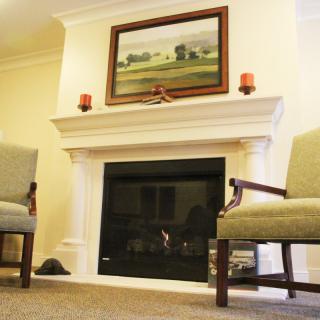
Great Falls Assisted Living
$7,600 / month15.6 miles away
Overall Review of Forest Side
Pros
 Forestside Memory Care provides attentive care during the final stages of Alzheimer's.
- The staff and services at Forestside Memory Care are among the best in the area.
- The husband is adjusting quite well at the facility.
- The staff communicates exceptionally well with the family.
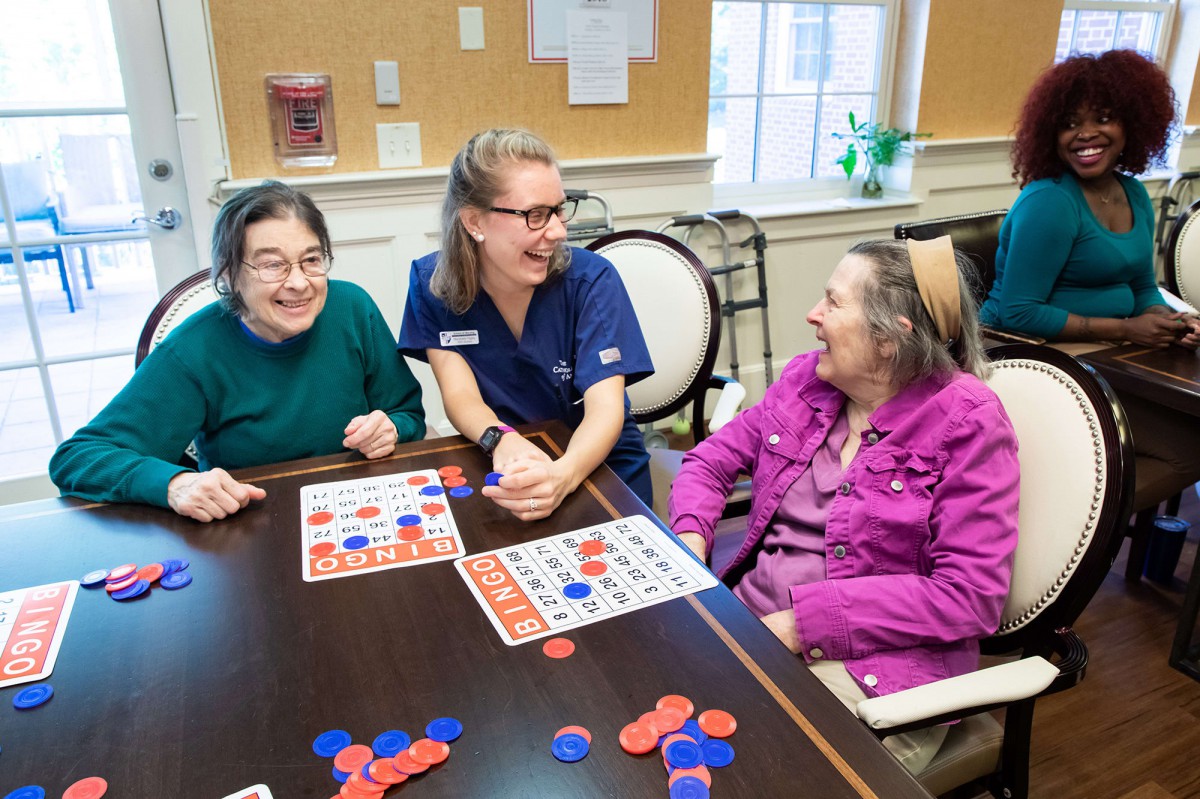
- The staff pays close attention to him and engages him in activities.
- The staff is friendly and helpful.
Review
Forest Side in Washington, DC is best suited for families seeking a memory-care focused assisted living option where advanced dementia care is the priority and daily life is structured around meaningful engagement. The strongest signal from the reviews is a disciplined, resident-centered approach led by attentive staff who communicate clearly with families. This community is clearly not a passive care setting; it emphasizes hands-on monitoring, responsive care, and activities designed to keep residents connected and involved. For families navigating Alzheimer's or other dementias in the mid to late stages, Forest Side presents a practical, reliable option that centers safety, personalization, and consistent updates to caregivers.
For those whose needs lie outside the dementia-dedicated niche, alternatives should be considered. Residents who are not diagnosed with memory impairment, or who require less-intensive supervision and more independent living freedoms, may find other communities better aligned with their goals. Similarly, families prioritizing a different care philosophy, a more homelike environment, or lower-cost options may want to explore general assisted living or independent living communities that cater to milder cognitive decline. In short, Forest Side excels where memory-care focus is the primary demand; others should assess whether dementia-specific programming is truly necessary.
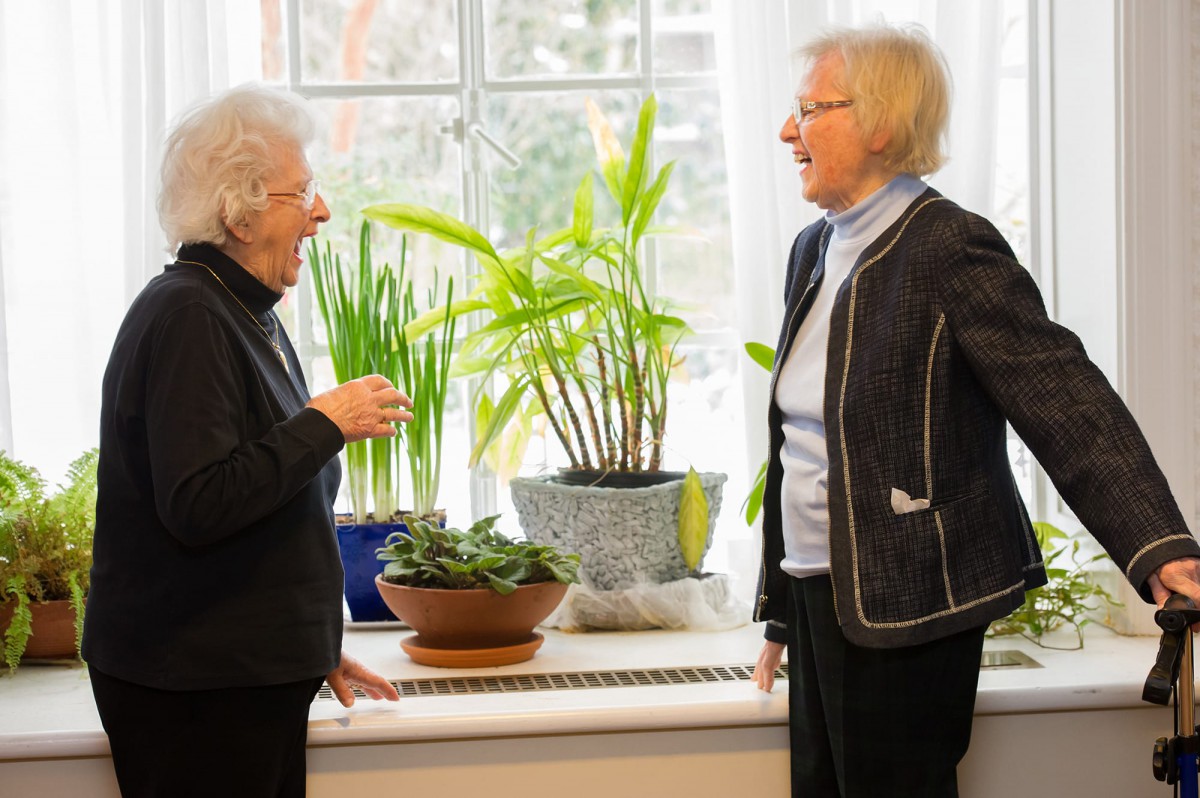
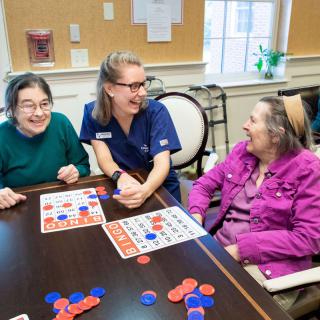
The standout pros are tightly aligned with the care realities of advanced dementia. Attentive care is repeatedly cited as a core strength, with staff who pay close attention to individual residents and respond promptly to needs. The reviews highlight exceptional family communication, a critical factor for trust and peace of mind when a loved one cannot verbalize every need. Staff friendliness and approachability compound this reliability, ensuring families feel heard and involved. Most importantly, residents are kept engaged through activities, which helps maintain routine, social interaction, and a sense of purpose, elements that often determine quality of life in memory care.
Communication credibility stands out as a recurring theme, with families noting regular updates and transparent dialogue about care plans and daily happenings. The ability to discuss progress, concerns, and changes with the same people over time reduces uncertainty for anxious relatives. The care team’s effort to include residents in activities, ranging from social gatherings to purposeful morning routines, points to a culture that treats dementia care as active, not passive. This combination of attentive staffing, open communication, and structured engagement creates a supportive environment where families feel they are partnering with caregivers rather than merely entrusting them with oversight.
Despite the overwhelmingly positive feedback, the situation warrants prudent consideration. Memory care demands constant staffing attention and carefully designed programs; any mismatch between a resident’s needs and available resources can quickly erode the perceived quality of care. Families should verify factors that influence ongoing satisfaction: staffing stability, the consistency of communication, the range and pacing of activities, and how the facility adapts to changing dementia stages. While no significant drawbacks are called out in these reviews, the prudent shopper will assess cost implications, care plan specifics, and the facility’s ability to scale support as needs evolve.
Ultimately, Forest Side presents a strong, decision-ready option for families confronting serious memory impairment. The combination of highly attentive care, clear family communication, and purposeful resident engagement stands out in a sector where such traits are essential. For residents whose primary need is dementia-focused support, Forest Side delivers a dependable pathway to continued quality of life and trusted collaboration with loved ones. For those not seeking memory-care intensity, or with different priorities, exploring alternatives remains wise. A thoughtful visit, during which families ask about staffing patterns, care planning processes, and daily activity structures, will crystallize whether this community is the right fit, or if another route should be pursued.
 Day Program
 Memory Care
 Bath tubs
 Beautician on-site
 Devotional services off-site
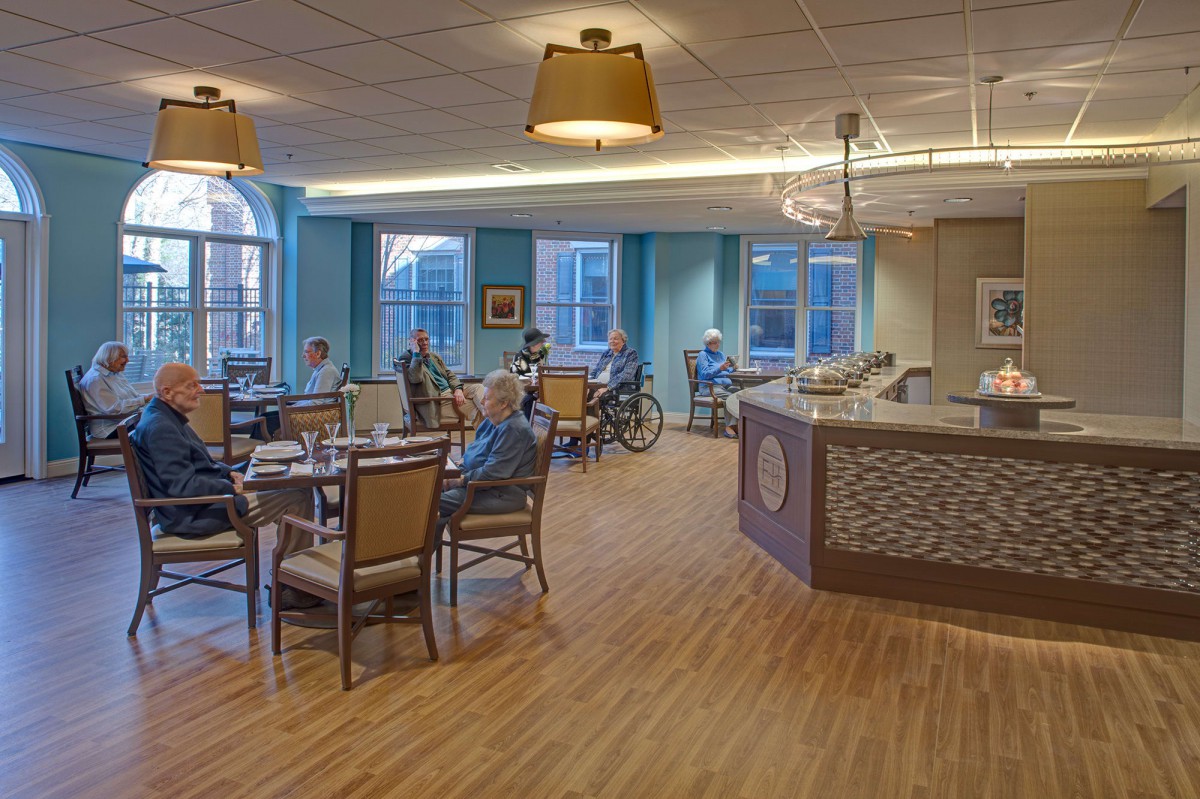
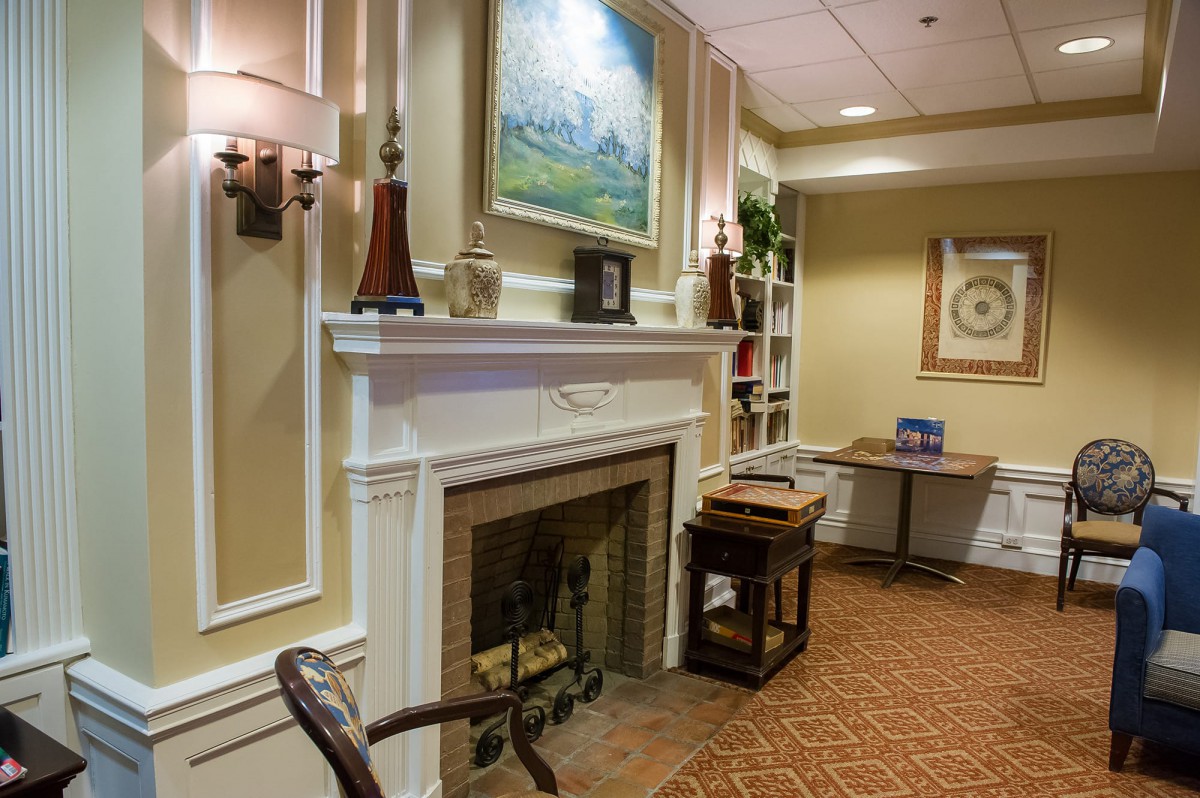
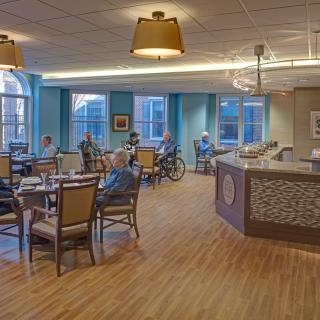
 Indoor common areas
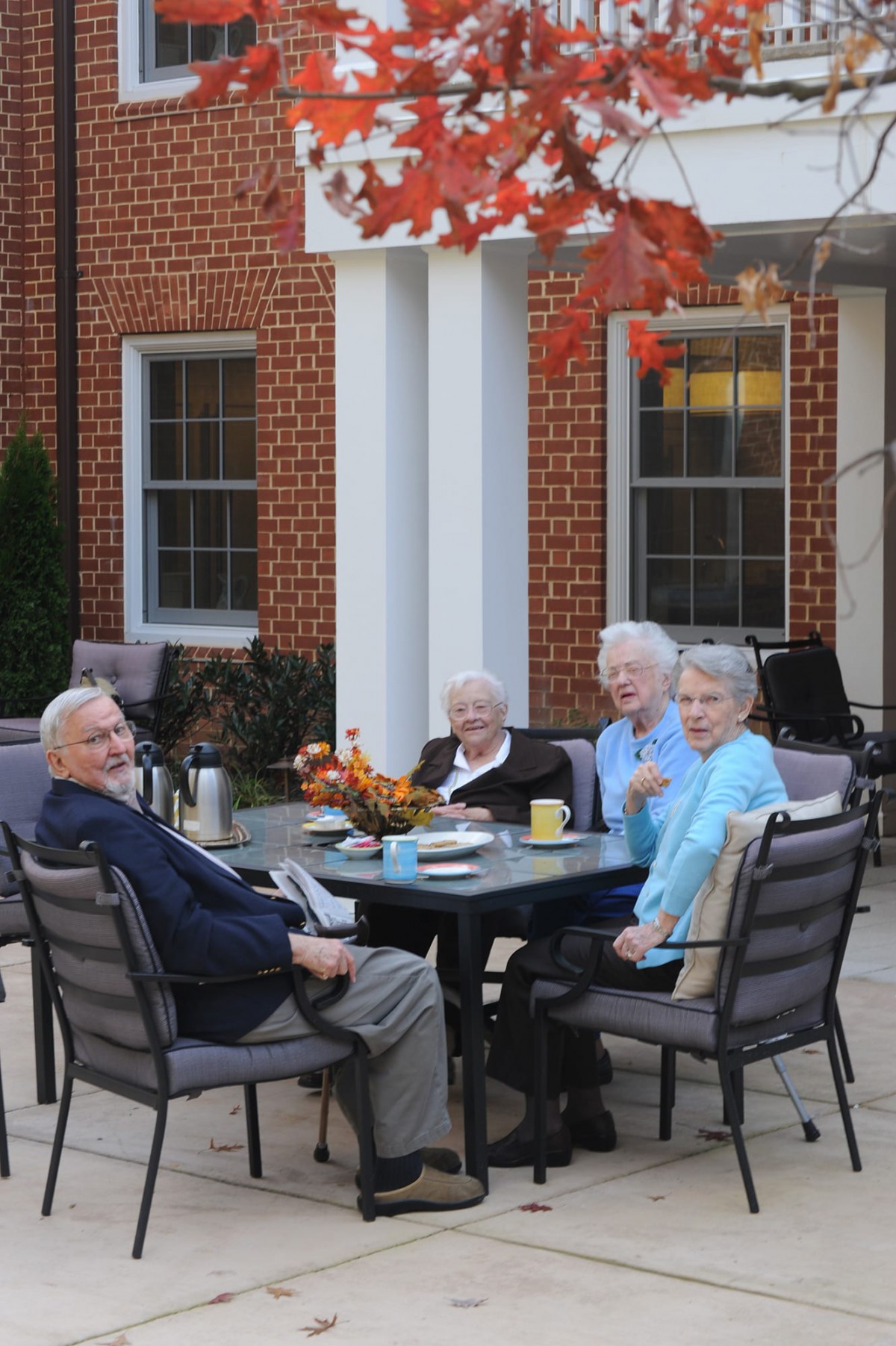
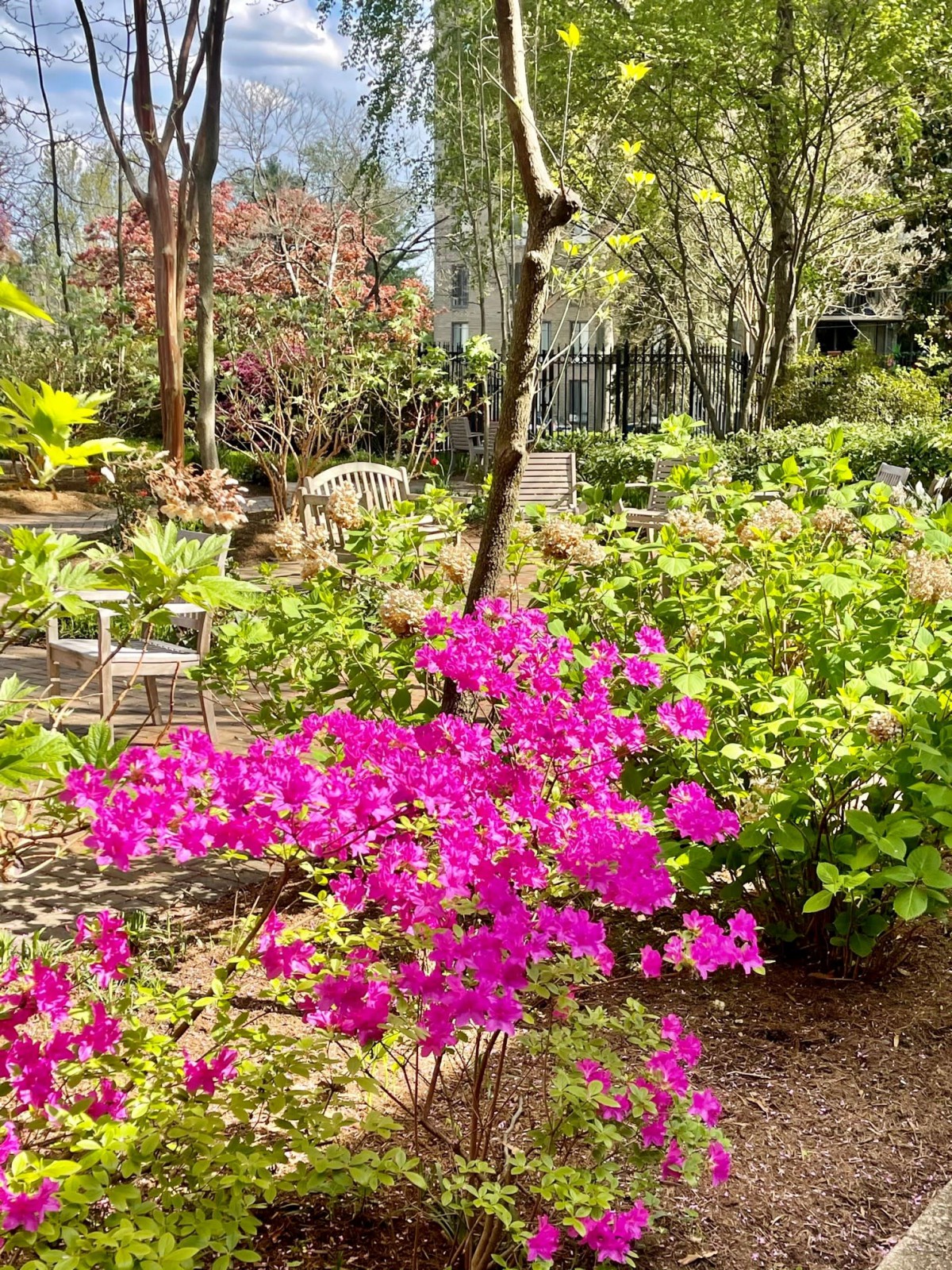
 Outdoor common areas
 Respite or short term stays offered
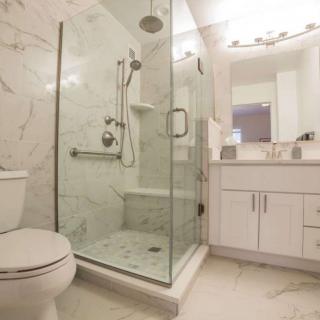
 Wheelchair accessible showers
 Ronald Reagan Washington National (8 miles away)
 Ambulatory care
 Diabetic care
 High acuity care
 Incontinence care
 Medication management
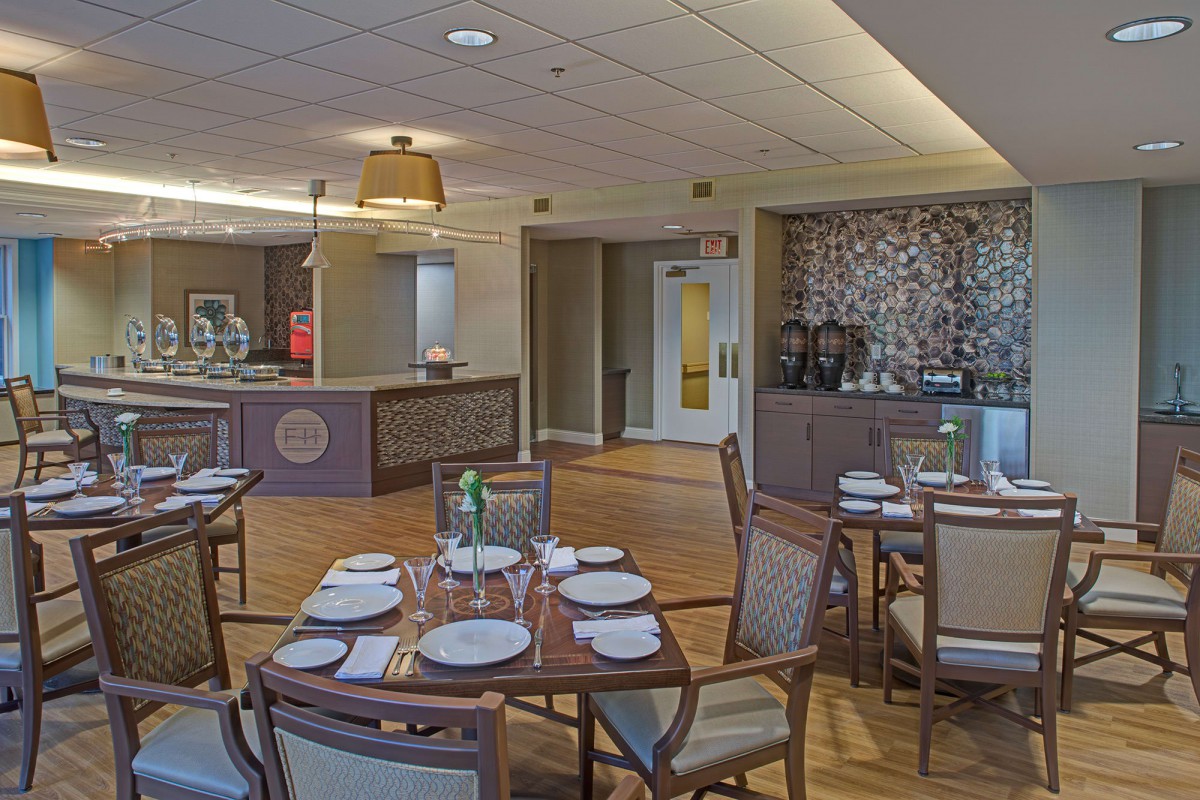
 Meals provided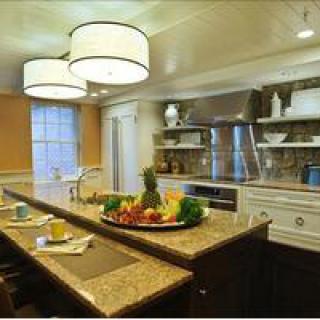

 22 Remarkable Caregiver Support Groups Available Online and In-Person
 Understanding Medicaid Coverage for Assisted Living: A Comprehensive Guide
 How and When Medicaid May Cover Assisted Living Costs