







Army Distaff Foundation & Knollwood in Washington, DC

Save

  • Interior

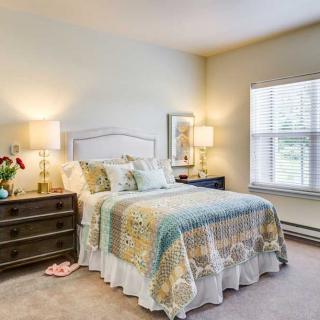
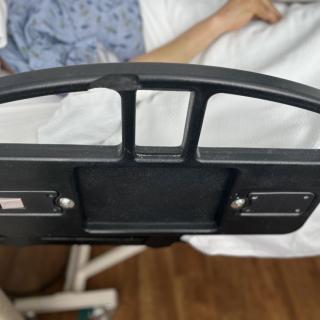
    A close-up view of a bed headboard in a bedroom setting.
  • Outdoors

    An elderly couple smiling at each other against a backdrop of autumn leaves.
  • Building

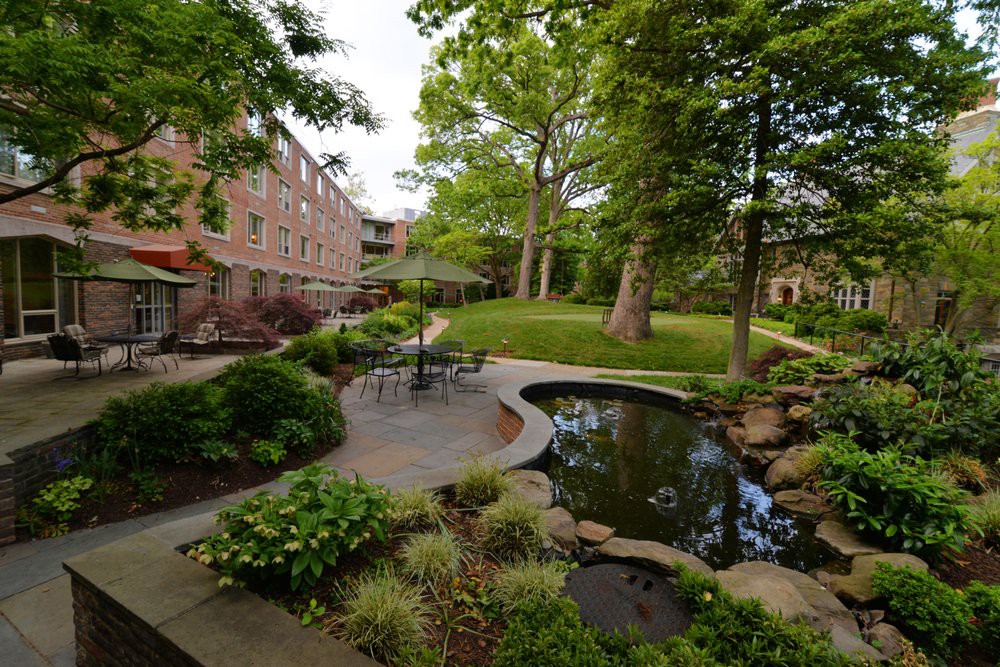
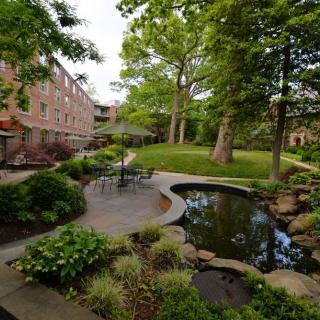
    A peaceful garden with a pond and patio furniture surrounded by lush greenery and trees.
  • Architecture

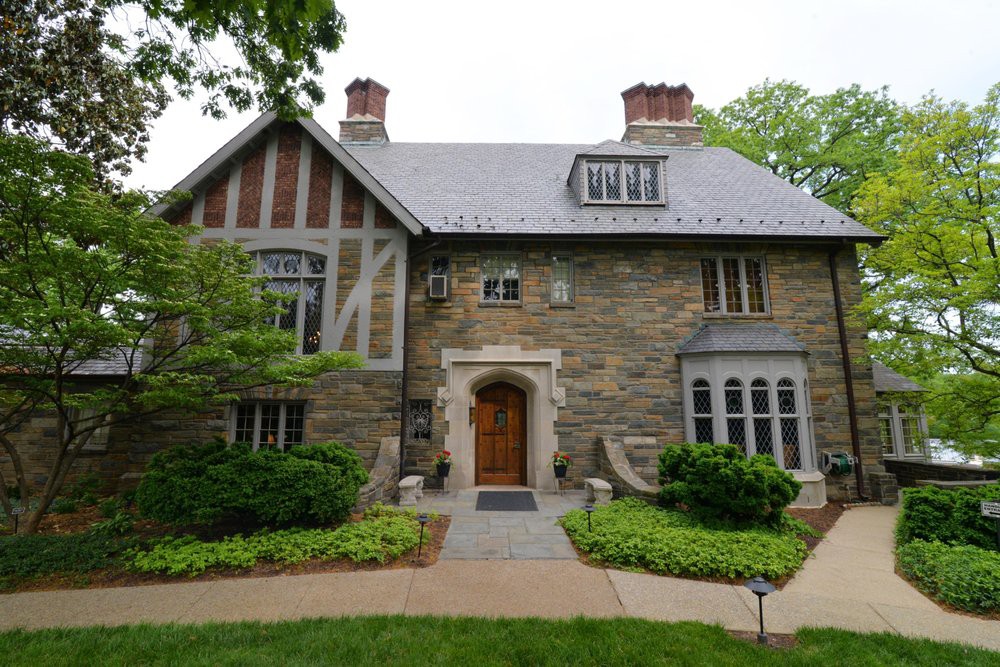
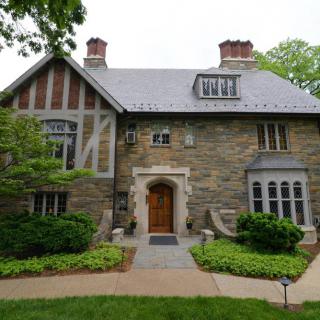
    A charming Tudor-style stone house with beautiful landscaping.
  • Bedroom

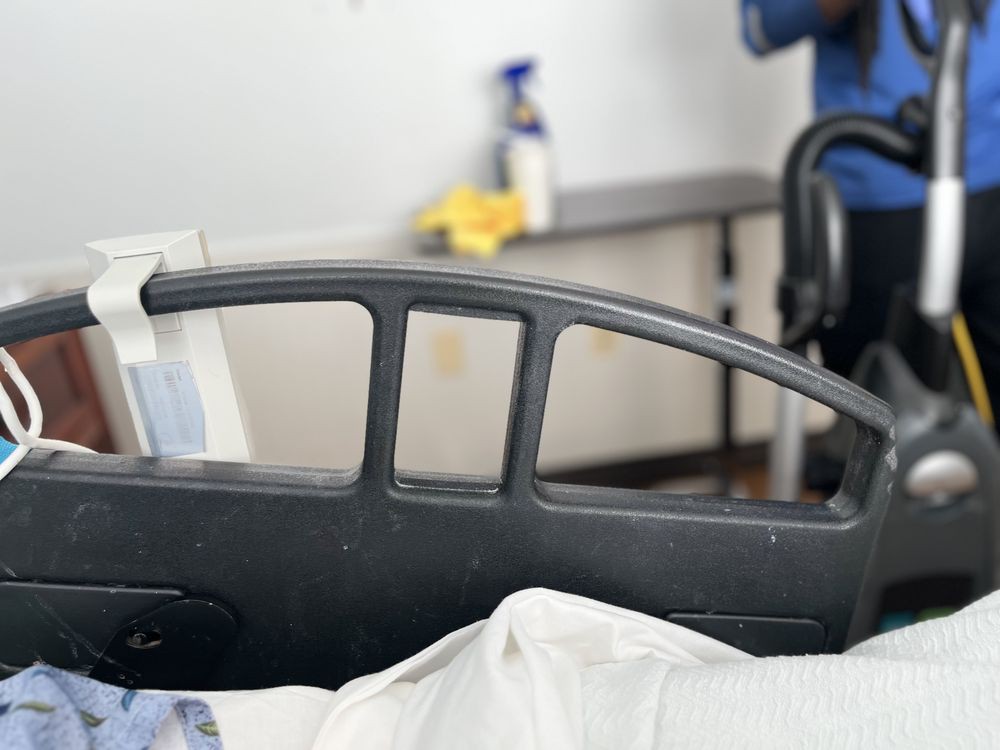
    A hospital bed with cleaning supplies in the background.
  • Windows

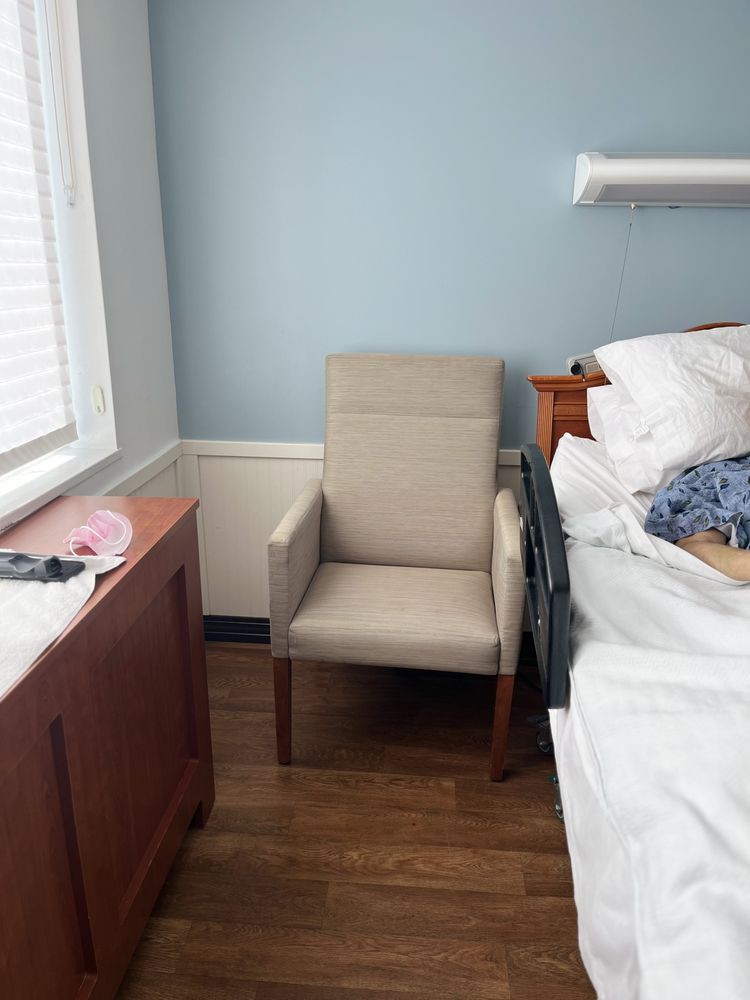
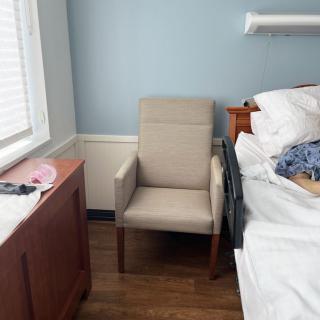
    A hospital room with a beige chair beside a bed and window.
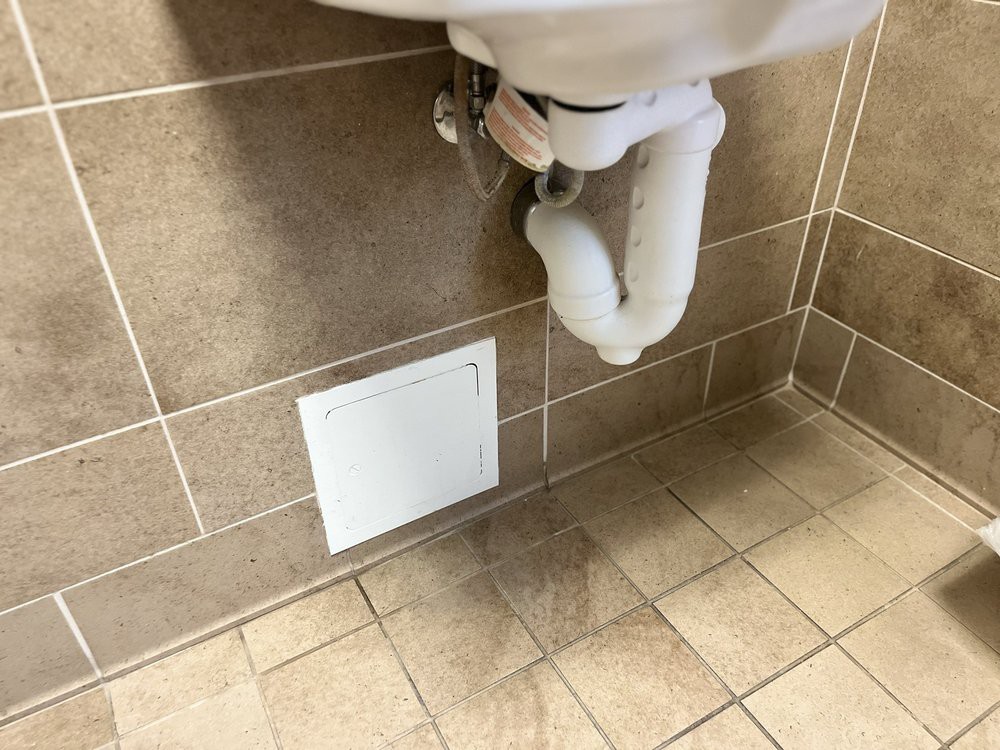
  • Bathroom

    A bathroom sink with visible plumbing and a wall vent beneath it.
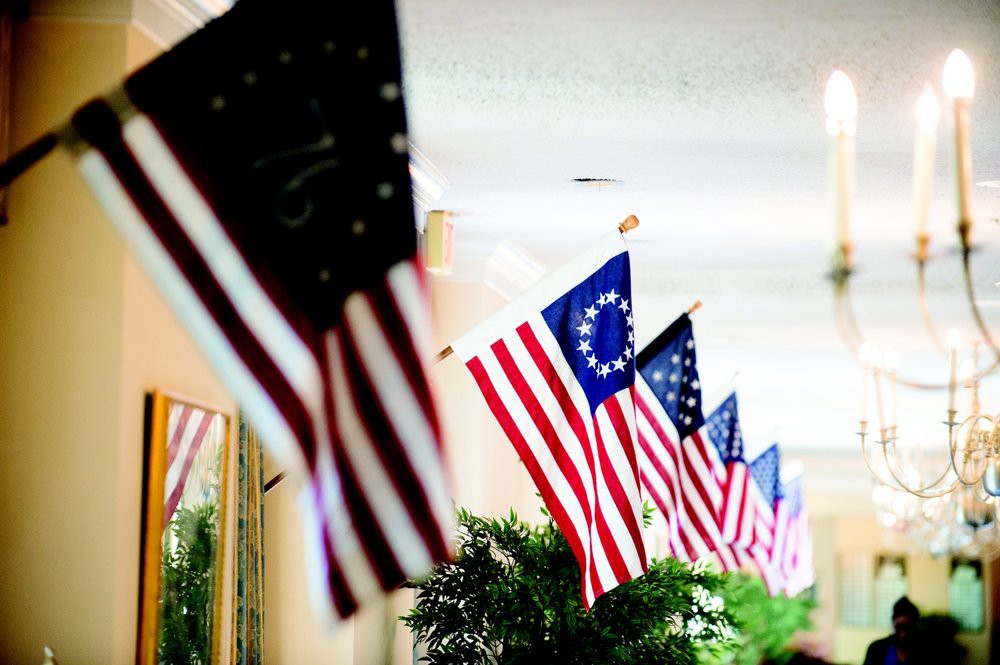
  • Flag

    A row of American flags, including the historic Betsy Ross flag, displayed indoors.
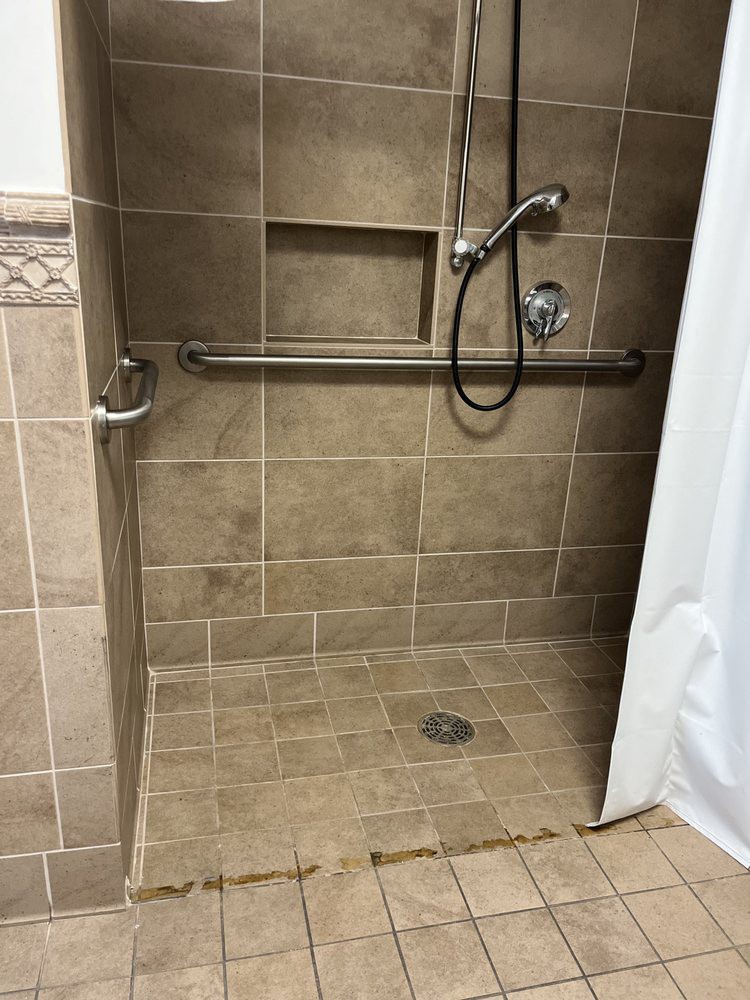
  • Shower

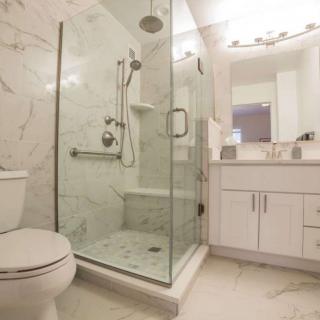
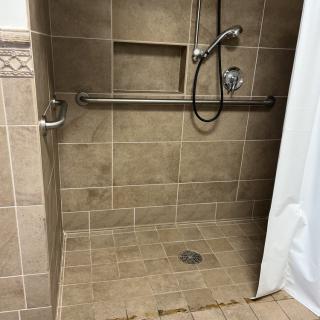
    A tiled walk-in shower with a grab bar and handheld showerhead.
  • Dining Table

    An elderly woman enjoying a social gathering with friends at a dining table, raising a glass of wine in celebration.
  • Healthcare

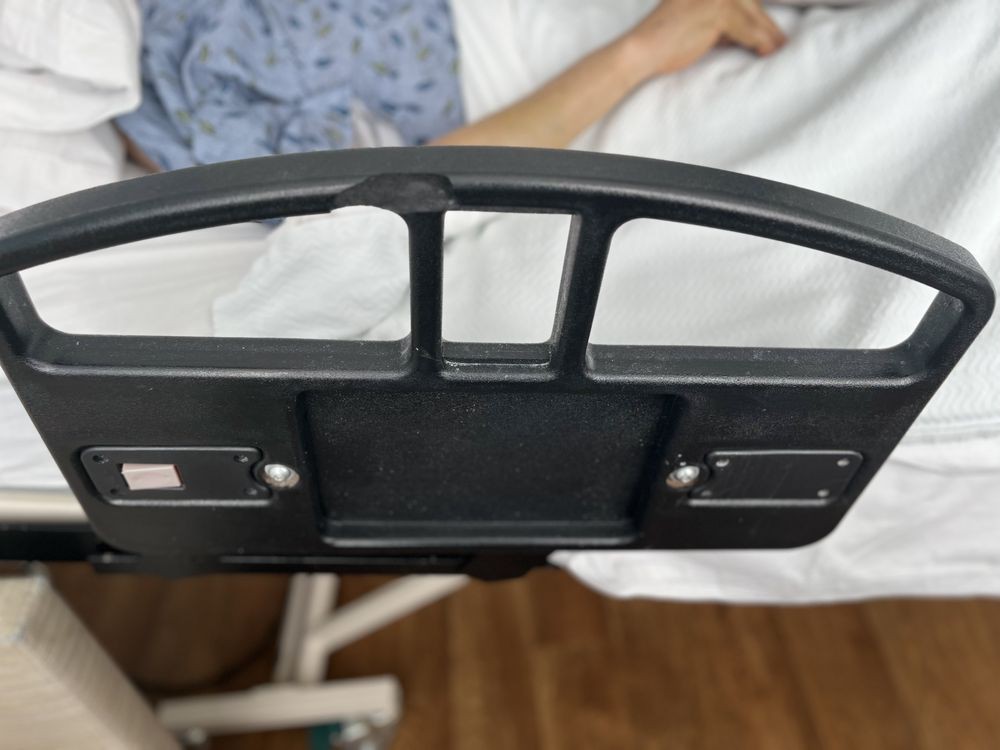
    A patient lying in a hospital bed with a view of the footboard.
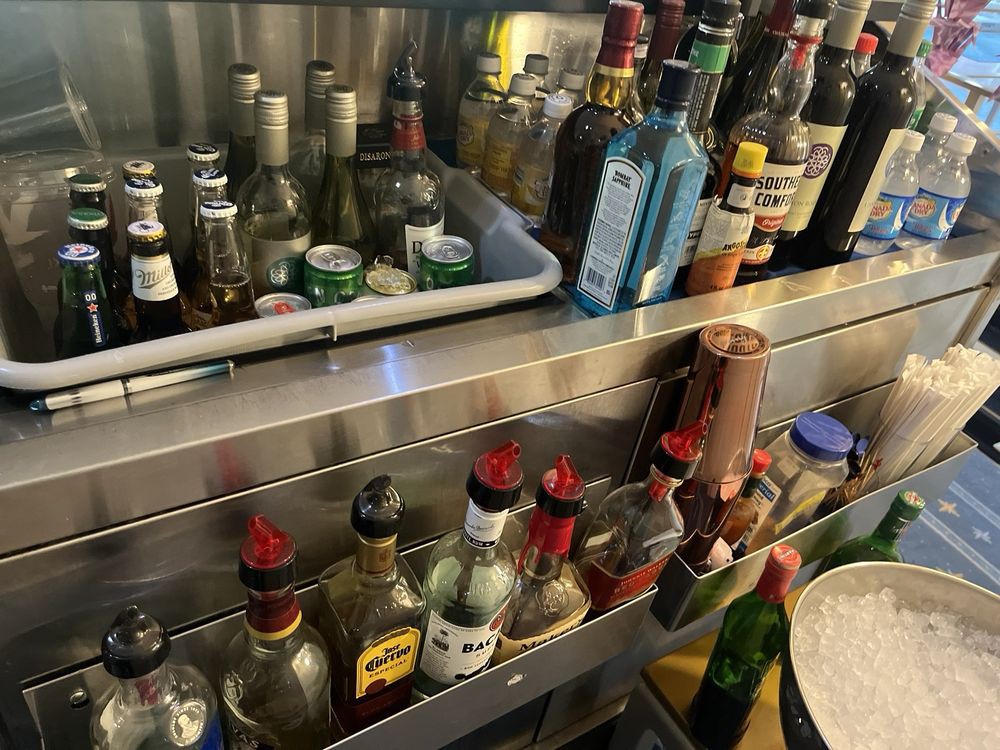
  • Bar

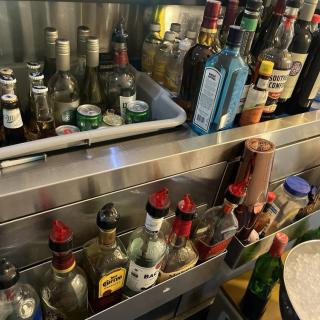
    A variety of liquor bottles arranged on a bar shelf.
  • Vintage

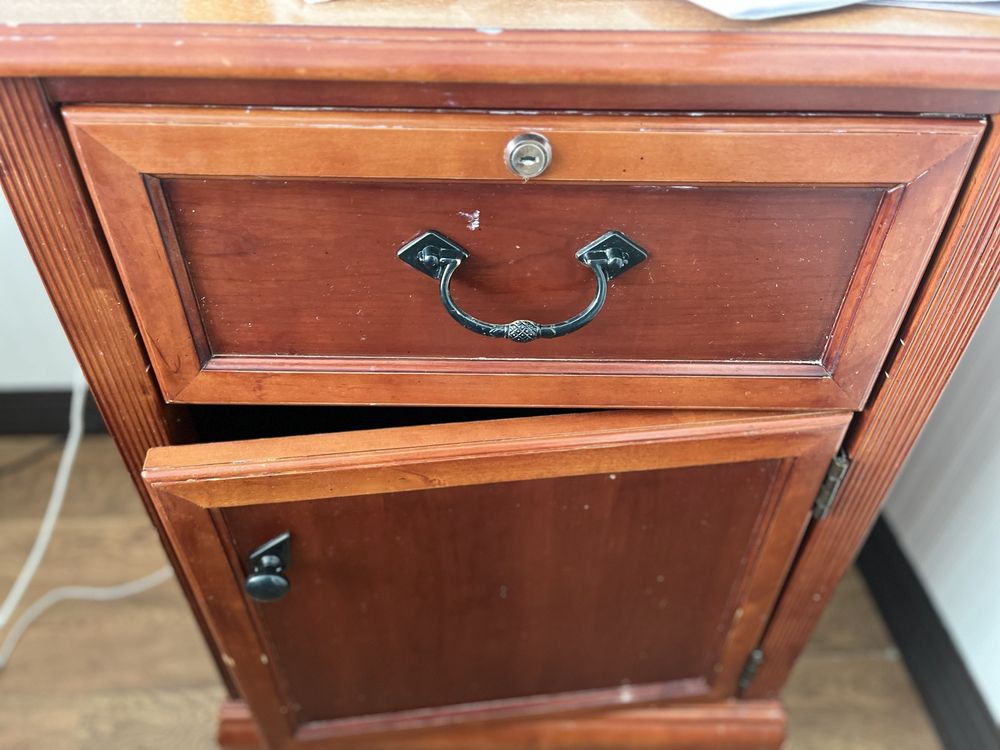
    A vintage wooden cabinet with a drawer and door, featuring metal handles.

Army Distaff Foundation & Knollwood in Washington, DC

6200 Oregon Ave NW, Washington, DC 20015

For more information about senior living options: (844) 490-3973

4.8 from 5 reviews
5 stars
4
4 stars
1
3 stars
0
2 stars
0
1 stars
0

Independent Living

Army Distaff Foundation & Knollwood Costs & Pricing

The Army Distaff Foundation & Knollwood offers competitive pricing for its accommodations in comparison to the broader market of the District of Columbia. Monthly costs for a studio apartment at Knollwood are $2,457, significantly lower than the city average of $5,707, making it an attractive option for those seeking affordable living arrangements. For one-bedroom units, residents will pay $3,247 - again, a cost-effective choice compared to the District's average of $4,879. However, for those considering two-bedroom options, Knollwood's rate of $5,070 surpasses the city's average price of $4,744. Overall, while some costs align closely with local trends, notably in two-bedroom accommodations, Knollwood provides numerous financial advantages that may appeal to individuals and families looking for supportive community living in the area.

Floor plansArmy Distaff Foundation & KnollwoodDistrict of ColumbiaDc
Studio$2,457$5,707$5,707
1 Bedroom$3,247$4,879$4,879
2 Bedrooms$5,070$4,744$4,744

Overall Review of Army Distaff Foundation & Knollwood

Pros

  • pro Knollwood provides care described as the best imaginable for a dad.
  • pro The mom was in good hands during her time there and passed away in good care.
  • pro The tour went very well and Knollwood was among the top picks for the reviewer's mother.
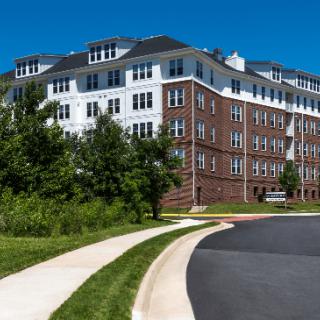
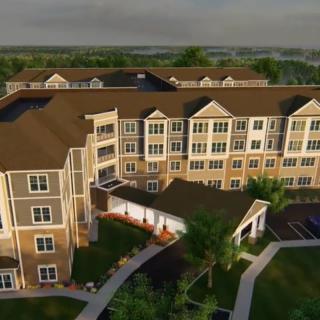
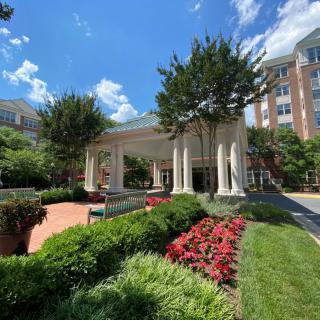
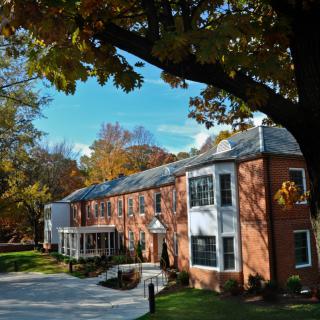
  • pro The community looks beautiful and is well maintained, with very beautiful grounds.
  • pro The staff are kind and friendly, and their answers were informative.
  • pro The setting includes community events like a New Year's Eve dinner with apartment neighbors, highlighting a welcoming environment.

Cons

  • pro The location was a little far for their family.
  • pro The words nursing home give the wrong impression.
  • pro Google should just use the official name.

Review

This community is best suited for seniors who want to age in place within a secure, well-staffed campus that offers a true continuum of care, anchored in a military retirement community ethos. Knollwood operates as a Continuing Care Retirement Community on expansive, well-kept grounds that invite engagement and social activity. It is especially compelling for families drawn to long-tenured caregiving and a proven track record of attentive, stable support for both long-term residents and those in memory or higher levels of care. The combination of memory-care options, a reliable care structure, and a residential feel that emphasizes community life makes it a strong fit for residents who prefer one place to access multiple levels of service across time.

Those who may want to consider alternatives fall into a couple of clear lanes. First, eligibility matters: Knollwood is marketed as Knollwood Military Retirement Community, so families not affiliated with the military or not connected to that community could face access barriers that other local options would not impose. Second, location sensitivity is real. A number of prospective families noted that the campus sits farther from their own homes, which can complicate visits, family involvement, and timely response to changing needs. For anyone prioritizing a central, readily reachable DC address or seeking a non-military-adjacent setting, exploring other nearby options could prove more practical.

The strongest positives sit on a foundation of care quality and livability. Residents and families consistently describe care as exceptional, with personal histories of long-tenured residents - such as a father who has been there more than a decade - testifying to dependable, high-caliber care. The campus itself receives praise for beauty and maintenance, and the staff earns trust through kindness, accessibility, and informative, responsive interactions with families. The facility makes the most of its continuum-of-care framework by offering memory care and other levels without forcing moves, which can be a major stress reducer for families facing escalating needs. Activities, social events, and a sense of community round out the experience, turning the environment into a place where residents feel connected and engaged.

The primary caveat centers on location and access. For some families, distance from residence or work complicates ongoing involvement and practical oversight. The military-retirement framing, while a strength for eligible residents, can also constrain who can step in as a primary decision-maker or resident, depending on eligibility and affiliation. These realities mean Knollwood shines for those within reach and with the right eligibility, but it may not be the most convenient or suitable option for everyone in the DC metro area. Prospective residents should weigh the emotional and logistical cost of distance against the security of a stable, long-term care plan within a single campus.

When the strengths are weighed against the drawbacks, the offset is compelling for the right demographics. The promise of continuous care reduces the disruption of future moves, while the combination of gorgeous grounds, meaningful activities, and a culture of attentive staff delivers tangible quality-of-life benefits. The memory-care and long-term-care options in one community translate into predictable, familiar care pathways as needs evolve, which lowers the stress of transition for families and residents alike. In short, for families with military affiliation or those comfortable with that framework and who can be reasonably near Washington, DC, Knollwood's pros substantially outweigh the cons.

For families evaluating options, the practical next steps are clear. If eligibility and proximity align, a tour should be prioritized to experience the community's atmosphere, confirm the quality of the living spaces, and meet staff in person. Clarify how care levels transition as needs change and what specific memory-care programs look like in practice. If the DC location proves prohibitive or the military affiliation is uncertain, it is prudent to compare with other DC-area CCRCs or traditional assisted living communities that offer flexible access and closer proximity. Knollwood remains a standout choice for the right family - one that prizes stability, dignity, and a life well lived on a beautiful campus with proven, compassionate care.

Features

Types of Care

  • Independent Living Independent LivingIndependent living communities are important for seniors because they offer a safe and supportive environment where older adults can live independently while still having access to amenities and services that enhance their quality of life. These communities provide social opportunities, recreational activities, and assistance with daily tasks, promoting overall well-being and allowing seniors to maintain their independence for as long as possible.

Amenities

  • Activities off-site Activities off-siteEngaging in off-site activities is crucial for seniors to maintain social connections, stay active, and stimulate their minds. It promotes overall well-being and helps combat feelings of isolation and loneliness.
  • Activities on-site Activities on-siteActivities on-site are important for seniors because they provide opportunities for socialization, mental stimulation, physical activity, and overall well-being. Engaging in activities can help seniors stay active, maintain their independence, and improve their quality of life.
  • Air-conditioning Air-conditioningAir conditioning is important for seniors as they are more vulnerable to heat-related illnesses and may have underlying health conditions that make it difficult for them to regulate their body temperature. It helps to keep them comfortable, safe, and healthy in hot weather.
  • Beautician on-site Beautician on-siteHaving a beautician on-site at a senior living community is important for seniors as it allows them to easily access grooming and personal care services, boosting their self-esteem and overall well-being. It also provides convenience and helps seniors maintain their sense of independence and personal style.
  • Cable or satellite TV Cable or satellite TVCable or satellite TV is important for seniors because it provides entertainment, news, and companionship, helping to combat loneliness and boredom. It also offers a wide range of programming options tailored to different interests and preferences.
  • Devotional services off-site Devotional services off-siteDevotional services off-site are important for seniors as they provide spiritual nourishment, social engagement, and a sense of community outside of the senior living facility. This can enhance overall well-being and help combat feelings of isolation and loneliness often experienced by older adults.
  • Devotional services on-site Devotional services on-siteDevotional services on-site provide seniors with spiritual support and a sense of community, as well as an opportunity for reflection and guidance during their senior living experience. This can promote emotional well-being and connection to others, leading to a more fulfilling and enriching lifestyle in their later years.
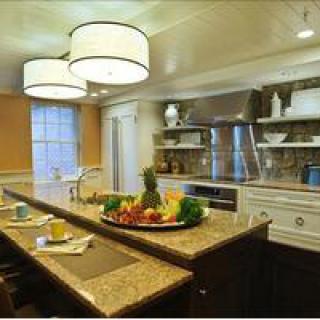
  • Full kitchen Full kitchenHaving a full kitchen in a senior living facility is important for seniors because it allows them to maintain their independence and prepare their own meals. This promotes healthy eating habits, saves money on dining out, and provides a sense of familiarity and comfort for residents.
  • Ground floor units Ground floor unitsGround floor units are important for seniors because they provide easy accessibility, reduced risk of falls and injuries, and convenience for those with mobility issues. Seniors can avoid climbing stairs or using elevators, making daily tasks and activities more manageable and enjoyable.
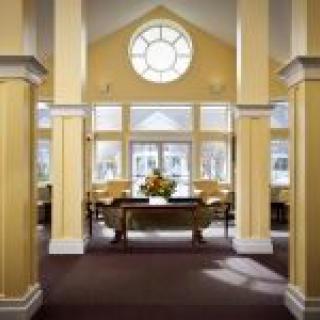
  • Indoor common areas Indoor common areasIndoor common areas are crucial for seniors as they provide a space for socialization, recreation, and community engagement, promoting overall well-being and reducing feelings of isolation and loneliness.
  • Kitchenette KitchenetteKitchenettes are important for seniors living in senior living communities because they provide the convenience and independence of being able to prepare simple meals and snacks in the comfort of their own living space. This can help promote a sense of autonomy and well-being for seniors, allowing them to maintain some level of control over their dietary choices and daily routines.
  • Outdoor common areas Outdoor common areasOutdoor common areas are important for seniors as they provide a space for socialization, physical activity, and relaxation. Being outside in nature can improve mood and overall well-being, while also encouraging movement and engagement with others. These spaces can help combat feelings of isolation and promote a sense of community among residents.
  • Swimming pool / hot tub Swimming pool / hot tubSwimming pools and hot tubs are important for seniors as they provide a safe and enjoyable way to stay active, improve mobility, reduce joint pain, and promote relaxation. Regular use of these amenities can contribute to overall well-being and quality of life for older adults living in senior communities.
  • Wi-Fi/high-speed internet available Wi-Fi/high-speed internet availableWi-Fi/high-speed internet is important for seniors to stay connected with loved ones, access online resources, and participate in virtual activities to combat feelings of loneliness and isolation. It also allows them to easily manage healthcare needs, access entertainment, and engage in lifelong learning opportunities.

Transportation

  • Ronald Reagan Washington National (8 miles away) Ronald Reagan Washington National (8 miles away)
  • Washington Dulles International (22 miles away) Washington Dulles International (22 miles away)

Care Services

  • Ambulatory care Ambulatory care"Ambulatory care services provide essential medical support and treatment to seniors without requiring hospitalization, allowing them to maintain their independence and quality of life while managing chronic conditions or receiving routine medical care."
  • Diabetic care Diabetic careDiabetic care is crucial for seniors as they are more susceptible to developing diabetes due to aging and other health conditions. Proper management of diabetes can help prevent complications such as heart disease, vision loss, and nerve damage, improving the overall quality of life for seniors in senior living communities.
  • Medication management Medication managementMedication management is crucial for seniors to ensure they are taking the right medications at the correct dosages and times. This helps prevent adverse drug interactions, reduces the risk of medication errors, and promotes overall health and well-being. Proactive management also allows for adjustments as needed based on changing health conditions or new prescriptions.

Dining

  • Anytime dining Anytime diningAnytime dining is important for seniors because it allows them the flexibility to eat when they are hungry, rather than being restricted to set meal times. This can be especially beneficial for those with medical conditions or medications that affect their appetite, as well as those who may have difficulty adhering to a strict dining schedule. Overall, anytime dining promotes independence and overall well-being for seniors in senior living communities.
  • Gluten-free Gluten-freeGluten-free options are important for seniors as they are more prone to digestive issues and dietary sensitivities. Offering gluten-free meal choices in senior living communities can help improve their overall health and well-being.
  • Guest meals Guest mealsGuest meals are important for seniors living in senior living communities because they provide an opportunity for socialization and companionship. Sharing a meal with friends, family, or new acquaintances can help combat feelings of loneliness and isolation, promote a sense of community, and enhance overall well-being. Additionally, guest meals allow seniors to enjoy delicious food in a comfortable setting without the hassle of cooking or cleaning up, making dining a pleasurable and stress-free experience.
  • Kosher KosherKosher options are important for seniors because they adhere to dietary laws that are significant to many Jewish individuals, providing them with peace of mind and an opportunity to maintain their cultural traditions and beliefs while living in a senior living community.
  • Low / no sodium Low / no sodiumLow/no sodium options are important for seniors because excessive sodium intake can lead to high blood pressure, heart disease, and other health issues commonly experienced by older adults. By choosing low/no sodium foods, seniors can better manage their health and reduce their risk of developing these conditions.
  • Meals provided Meals provided"Meals provided" are crucial for seniors in assisted living communities as it ensures they have access to nutritious, balanced meals without the stress of meal planning and preparation. This can help promote overall health and well-being for seniors who may have limited mobility or cognitive abilities.
  • No Sugar No SugarNo sugar diets are important for seniors because they can help prevent or manage chronic conditions such as diabetes, heart disease, and obesity. Sugar can also contribute to cognitive decline and inflammation in the body, so reducing sugar intake can lead to overall improved health and well-being in older adults.
  • Professional chef Professional chefProfessional chefs are important for seniors living in senior living communities because they provide nutritious and delicious meals that cater to their dietary needs and preferences. A professional chef can ensure that seniors are receiving balanced, flavorful meals that support their overall health and well-being.
  • Restaurant style dining Restaurant style diningRestaurant style dining is important for seniors as it offers them a social and enjoyable dining experience, promotes healthy eating habits, and provides personalized menu options to cater to their dietary needs and preferences. This type of dining setting can enhance their overall quality of life and create a sense of community within the senior living facility.
  • Vegan VeganVegan diets can provide numerous health benefits for seniors, including lower risk of chronic diseases, improved digestion, and increased energy levels. Additionally, plant-based diets are often rich in essential nutrients that can support overall well-being and longevity in older adults.
  • Vegetarian VegetarianA vegetarian diet is important for seniors because it can help lower the risk of chronic diseases, maintain a healthy weight, and provide essential nutrients needed for aging bodies. Additionally, plant-based diets are often easier on digestive systems and can contribute to overall well-being in older adults.

Activities

  • Art classes Art classesArt classes are important for seniors because they provide a creative outlet, improve cognitive function, reduce stress and anxiety, promote socialization, and enhance overall well-being and quality of life.
  • Bible study group Bible study groupBible study groups provide seniors with a sense of community, spiritual growth, and support during their later years. It helps them stay connected to their faith, find comfort in difficult times, and build meaningful relationships with others.
  • Catholic services Catholic servicesCatholic services are important for seniors because they provide spiritual support, a sense of community, and opportunities for social interaction that can enhance overall well-being and quality of life in their later years.
  • Day trips and outings Day trips and outingsDay trips and outings are important for seniors as they provide opportunities for socialization, mental stimulation, physical activity, and a break from daily routines. These experiences can enhance overall well-being and quality of life for older adults living in senior communities.
  • Devotional activities offsite Devotional activities offsiteDevotional activities offsite are important for seniors because they provide social engagement, spiritual growth, and a sense of community outside of their living environment. This can improve overall well-being, mental health, and combat feelings of isolation or loneliness.
  • Devotional activities on-site Devotional activities on-siteDevotional activities on-site provide seniors with a sense of community, spiritual fulfillment, and emotional support, promoting overall well-being and a positive sense of purpose in their lives.
  • Educational speakers / life long learning Educational speakers / life long learningEducational speakers and lifelong learning opportunities are crucial for seniors as they provide mental stimulation, promote social engagement, and contribute to overall well-being. Continuous learning helps seniors stay mentally sharp, build new skills, and maintain a sense of purpose and fulfillment in their lives. It also allows them to stay connected to the world around them and fosters a sense of community within senior living facilities.
  • Live well programs Live well programs"Live well programs are essential for seniors as they provide opportunities for physical activity, social engagement, and mental stimulation, ultimately promoting overall health and well-being in later years."
  • Other religious services Other religious servicesOther religious services are important for seniors as they provide a sense of community, spiritual comfort, and opportunities for socializing. These services can help seniors feel connected to their faith and maintain a sense of purpose and belonging in their later years.
  • Protestant services Protestant servicesProtestant services are important for seniors because they provide spiritual nourishment, community support, and a sense of belonging. These services can help seniors connect with others who share their faith, find comfort and guidance in times of need, and maintain a sense of purpose and fulfillment in their later years.
  • Visiting chaplain or priest Visiting chaplain or priestHaving a visiting chaplain or priest at a senior living community is important for seniors because it provides spiritual support, comfort, and guidance during a time of life that can be challenging and uncertain. Their presence can help seniors feel connected to their faith, find peace of mind, and cope with the emotional and mental struggles they may face in their later years.

Description

The Army Distaff Foundation & Knollwood in Washington, DC is a premier assisted living community offering a wide range of amenities and care services to meet the needs of its residents. The community boasts a variety of on-site activities to keep residents engaged and entertained, as well as air-conditioning to ensure their comfort. With a beautician on-site, residents can conveniently receive salon services without having to leave the community.

For entertainment options, residents have access to cable or satellite TV and can participate in devotional services either on-site or off-site. Each unit features a full kitchen or kitchenette, allowing residents the option to prepare their own meals if desired. Indoor and outdoor common areas are available for socializing and relaxation, while a swimming pool and hot tub offer opportunities for exercise and relaxation.

High-speed internet is available throughout the community, keeping residents connected with family and friends. Care services include diabetic care and medication management for those who require additional assistance with their health needs.

Dining at Army Distaff Foundation & Knollwood offers a diverse range of options, including gluten-free, kosher, low/no sodium, vegan, vegetarian, as well as meals tailored for those with specific dietary restrictions such as no sugar. Meals are provided in a restaurant style setting prepared by professional chefs.

There is also a strong emphasis on spiritual well-being with various religious services available including Bible study group, Catholic services, Protestant services, and visiting chaplains or priests. Additionally, there are educational speakers and lifelong learning programs to stimulate intellectual growth.

The surrounding area provides ample convenience with numerous cafes, parks, pharmacies, physicians' offices, restaurants, transportation options nearby. Places of worship and theaters are also within close proximity. In case of emergencies or additional medical needs at any time there are several hospitals located nearby.

Overall, Army Distaff Foundation & Knollwood offers an exceptional assisted living experience with its array of amenities and care services designed to meet the unique and individual needs of its residents.

Nearby Places of Interest

This part of Washington, D.C. offers a diverse range of amenities and services that would be beneficial for seniors looking to settle in the area. With several parks nearby such as Rock Creek Park and Fort Slocum Park, residents can enjoy outdoor activities and scenic walks. Additionally, there are numerous pharmacies and medical facilities in close proximity, including Capitol Medical Group and Children's National Hospital, ensuring easy access to healthcare services. The assortment of restaurants, cafes, and theaters like Cactus Cantina and Alamo Drafthouse Cinema provide opportunities for dining out and entertainment. Places of worship like Christ Congregational Church are available for spiritual needs. Overall, this neighborhood offers a well-rounded community with convenient transportation options, making it a suitable choice for seniors seeking a vibrant living environment in Washington, D.C.

Parks

  • Rock Creek Park (0.4 miles)
  • Chevy Chase Park (0.8 miles)
  • Fort Slocum Park (2.4 miles)
  • Meridian Hill Park (3.5 miles)
  • S Street Dog Park (4.1 miles)
  • Georgetown Waterfront Park (4.8 miles)

Pharmacies

  • CVS Pharmacy (1.4 miles)
  • CVS Pharmacy (1.5 miles)
  • CVS Pharmacy (1.9 miles)
  • CVS Pharmacy (2 miles)
  • CVS Pharmacy (2 miles)
  • CVS Pharmacy (2.2 miles)
  • CVS Pharmacy (2.4 miles)

Restaurants

  • Denizens Brewing Co. (1.9 miles)
  • McDonald's (2.1 miles)
  • Cactus Cantina (2.8 miles)
  • Chick-Fil-A (3 miles)
  • Garden District (4.2 miles)
  • Chicken + Whiskey (4.2 miles)
  • Annie's Paramount Steak House (4.2 miles)

Physicians

  • Capitol Medical Group (1.9 miles)
  • Mary's Center (2.9 miles)
  • Foxhall Pediatrics (3.1 miles)
  • Children's National - Main Hospital (3.8 miles)
  • One Medical (4.4 miles)
  • The Centers For Advanced Orthopaedics (4.6 miles)

Cafes

  • Lost Sock Roasters (2 miles)
  • Tatte Bakery & Cafe (2.2 miles)
  • Starbucks (2.8 miles)
  • The Coffee Bar (4.2 miles)
  • Tatte Bakery & Cafe (4.5 miles)
  • Blue Bottle Coffee (4.7 miles)
  • Unconventional Diner (4.8 miles)

Transportation

  • Bethesda Metro Station (2.3 miles)
  • Georgia Ave-Petworth Metro Station (2.9 miles)
  • Medical Center Metro Station (3 miles)
  • Forest Glen Metro Station (3.1 miles)
  • Shaw-Howard University Metro Station (4.3 miles)
  • Grosvenor-Strathmore Metro Station (4.7 miles)
  • Rhode Island Ave - Brentwood Metro Station (4.8 miles)

Hospitals

  • Holy Cross Hospital (3.2 miles)
  • Medstar Washington Hospital Center (3.7 miles)
  • Sibley Memorial Hospital (3.8 miles)
  • Children's National Medical Center (3.8 miles)
  • Howard University Hospital (4.2 miles)
  • MedStar Georgetown University Hospital (4.3 miles)
  • Georgetown University Hospital Pasquerilla Center (4.3 miles)

Places of Worship

  • Christ Congregational Church (3.5 miles)
  • Basilica of the National Shrine of the Immaculate Conception (4 miles)

Theaters

  • Alamo Drafthouse Cinema DC Bryant Street (4.6 miles)
  • AMC Georgetown 14 (4.8 miles)

Frequently Asked Questions

How much does it cost to live at Army Distaff Foundation & Knollwood in Washington, DC?
Where is Army Distaff Foundation & Knollwood?
What photos are available for Army Distaff Foundation & Knollwood in Washington, Dc?

Nearby Communities

  • Knollwood Military Retirement Community

    Knollwood Military Retirement Community

    Washington, DC


    pro Continuum of care (CCRC) with independent living, memory care, and respite care; 24-hour supervision and medication management.

  • Knollwood Hsc

    Knollwood Hsc

    Washington, DC

    3.9 from 17 reviews
     

    pro Extensive amenities with strong nursing care and an active, military-influenced community.

  • Forest Side

    Forest Side

    Washington, DC

    5 from 2 reviews
    $8,381 to $10,079 / month

    pro Excellent, attentive staff with strong family communication and engaging activities.

  • Forest Hills of DC II

    Forest Hills of DC II

    Washington, DC


    pro Personalized care, delicious meals, and engaging activities.

  • Ingleside at Rock Creek,  a CCRC

    Ingleside at Rock Creek, a CCRC

    Washington, DC

    4 from 96 reviews
    $3,589 to $12,962 / month

    pro Excellent staff and well-designed, roomy apartments with seamless transitions across independent, assisted, and memory care and engaging activities.

  • Sunrise On Connecticut Avenue

    Sunrise On Connecticut Avenue

    Washington, DC

    4.4 from 50 reviews
     

    pro Friendly staff in a well-maintained, activity-rich environment.

  • Seabury at Friendship Terrace

    Seabury at Friendship Terrace

    Washington, DC

    4.2 from 49 reviews
    $1,309 to $1,517 / month

    pro Friendly staff in a welcoming, affordable community with engaging activities.

  • Elizabeth House

    Elizabeth House

    Silver Spring, MD


    pro Excellent access to healthcare and nearby amenities.

  • Charter House

    Charter House

    Silver Spring, MD

    3.9 from 50 reviews
    $1,026 to $1,800 / month

    pro Affordable pricing, walkable location, and active resident programs

Related Resources

  • caregiver dutiesTen Vital Duties of a Senior Caregiver: A Comprehensive Guide

    The guide details ten essential responsibilities of senior caregivers, including personal care, mobility assistance, medication management, and emotional support, while emphasizing the importance of safety, nutrition, and maintaining a safe living environment to enhance seniors' quality of life and independence.

  • memory games for seniors9 Stimulating Memory Activities for Seniors: Puzzles, Cards, and Much More

    The article highlights nine memory-boosting activities for seniors that enhance cognitive health and social interaction, including puzzles, trivia quizzes, and storytelling, while emphasizing the importance of adapting these activities to individual preferences to maximize enjoyment and engagement. Consistent mental engagement is linked to improved cognitive function and emotional well-being in older adults.

  • what happens when medicare stops paying for nursing home careManaging Nursing Home Expenses After Medicare Coverage Ends


    Medicare provides limited coverage for skilled nursing home care, covering full benefits for the first 20 days and partial benefits up to 100 days under certain conditions, after which families must explore alternative funding options like Medicaid or long-term care insurance to manage potentially high costs. Proactive planning is essential to navigate the complexities of financing ongoing care once Medicare coverage ends.