
6037 W 44th Ave #202, Wheat Ridge, CO 80033
To contact a resident: (303) 854-8716
For more information about senior living options: (866) 208-4318
Overall Review of Assured Senior Living
Pros
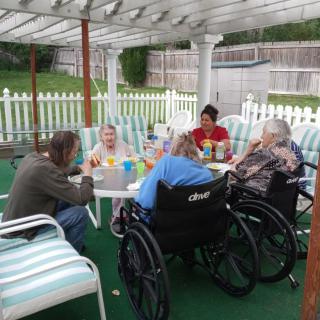
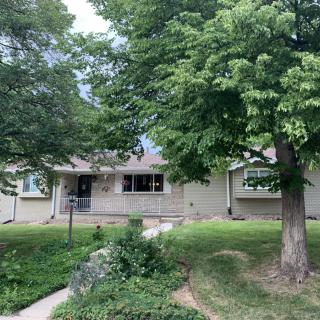
 They praise the care received by their mom from Assured, noting the house is beautiful and the staff is amazing, and that it feels almost like home.
- They describe the small home as more hands-on and attentive to residents' needs, with great staff and excellent communication.
- They were impressed by Serenity House's caring staff, homey ambiance, and high quality of care, and observed that Nitu takes pride in the facility.
- They were happy with the small number of residents and the favorable caregiver-to-resident ratio, and appreciated the ongoing attention and care from Nitu and the caretakers.
- They value the deep, consistent caring shown by the main office and house staff, especially during difficult times, and thank them for caring for their mother.
- They note that resident health and safety were prioritized during the COVID-19 pandemic, reflecting the facility's commitment to well-being.
Cons
 The father had a horrible experience at a large facility before moving there.
- The fiancé reportedly says the food is absolutely horrible.
- The staff are described as having no medical degree and therefore not qualified to decide what he can eat.
- There is no entertainment of any kind at House 22 right now since Jessica, who provided games and some exercise, is gone, with no replacement.
- They took his dessert away.
- They caution not to believe all of the advertising.
Review
Assured Senior Living in Wheat Ridge is best suited for families seeking a small, home-like assisted living option where every resident receives highly personalized attention, and where staff cultivate genuine, ongoing relationships with residents and their families. The model shines for seniors who prefer a intimate, low‑resident-year-round environment over a large campus, with quick access to caregivers, careful oversight, and a sense of “being cared for like a member of the family.” The emphasis on a calm, residential atmosphere makes it a strong match for those who value consistency, routine, and visible, hands-on engagement from caregivers.
Those who may want to consider alternatives include families prioritizing broader programming, more diverse dining and social activities, or higher levels of medical oversight throughout the day. A few reviews point to concerns about meal variety and entertainment options, and one note highlighted changes in activity staffing that temporarily reduced interactive offerings. For seniors who require more structured programming, frequent on-site entertainment, or more expansive menu choices, a larger or more programmatically oriented community could be a better fit. Also, residents who need advanced medical management or around-the-clock nursing supervision should compare options with stronger 24/7 clinical coverage.
The strongest selling points center on the small-home structure and the resulting care model. The setting itself feels more like a family home than a traditional facility, which translates into visibly attentive care and rapid, meaningful communication with families. Staff cohesion and a shared commitment to high-quality care show up in consistent praise for responsiveness and personal attention. The house manager and the care team are repeatedly cited as taking pride in the operation, maintaining a warm, respectful ambience, and prioritizing resident safety and well‑being. The intimate staff-to-resident ratio enables frequent check-ins, nuanced reading of individual needs, and a level of continuity that larger operations often struggle to sustain.
A single critical note centers on dining and programming. One review describes food quality as unacceptable and questions whether non-clinical staff should determine dietary permissibility, signaling the risk that meals can become a point of contention if residents have strong preferences or dietary restrictions. Additionally, the same account cites a drop in organized activities after a staff change, which temporarily diminished engagement opportunities. These concerns, however, do not fully negate the advantages of the homey environment and the high level of daily interaction; they act more as reminders that even excellent small-care models must actively safeguard menu variety and program consistency to maintain overall satisfaction.
Taken together, the pros, homey ambiance, a low resident count, strong caregiver ratios, proactive communication, and staff-led pride in quality care, tend to offset the noted drawbacks for families prioritizing stability, personal attention, and a warm, less clinical atmosphere. The advantages are most pronounced for seniors who want a calm, predictable routine, immediate access to compassionate staff, and a setting where caregivers know residents well enough to tailor care with nuance. The isolation from large programming schedules is a trade-off, but in many cases the intimate setting provides far greater day-to-day reassurance for relatives and far more meaningful day-to-day interaction for residents.
For families seriously evaluating Assured Senior Living, the next steps should be targeted inquiries rather than generic assurances. Ask about current staff-to-resident ratios across day and night shifts, and request a realistic meal plan sample to gauge variety and accommodations for dietary restrictions. Inquire how activity programming is structured, who leads it, and what contingencies exist when a key activities staff member is temporarily unavailable. Request opportunities to meet the house manager and several frontline caregivers to observe how interactions unfold during a typical visit. Finally, seek recent, direct references from families with residents at a similar care level to confirm consistency in care quality and communication. The right choice will feel not only comfortable but clearly demonstrably attentive to the resident’s daily happiness and safety.
 Board and Care Home
 Memory Care
 Denver International (24 miles away)





 5 Early Indicators of Dementia and What You Can Do
 8 Important Indicators That Memory Care May Be Necessary
 Delving into the Inner World of Dementia: Insights into Thoughts and Awareness